
The Kroman plum is an ideal choice for those seeking a bountiful harvest and easy care. Disease resistance, good productivity, and excellent flavor make this variety indispensable in the garden. By following simple cultivation guidelines, you can produce large quantities of fruit that are resistant to mechanical damage.
Who developed the variety and when?
Created by breeders Z. A. Kozlovskaya and V. A. Matveyev at the Belarusian Research Institute of Fruit Growing by crossing the Vengerka Azhanskaya and Perdrigon varieties, it was officially approved for use in 2002.
The appearance of the tree
The plant reaches a medium height. It has a sparse, rounded crown composed of thick, ribbed shoots with a waxy coating. The leaves are oval in shape and glossy, dark green in color.
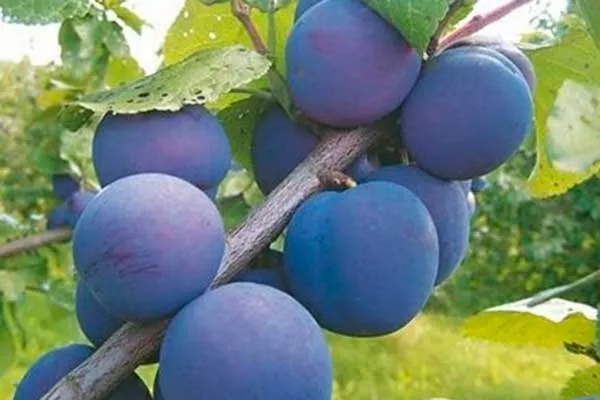
Fruits and their taste characteristics
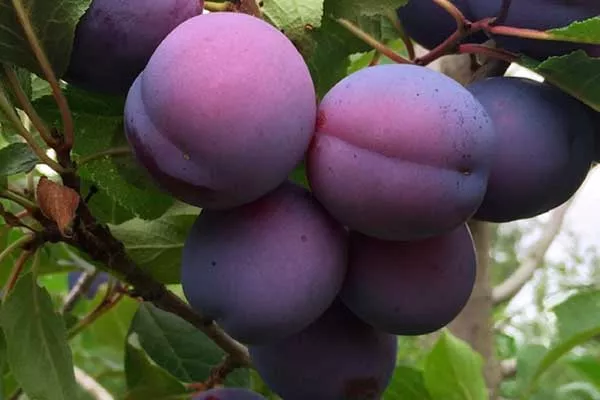
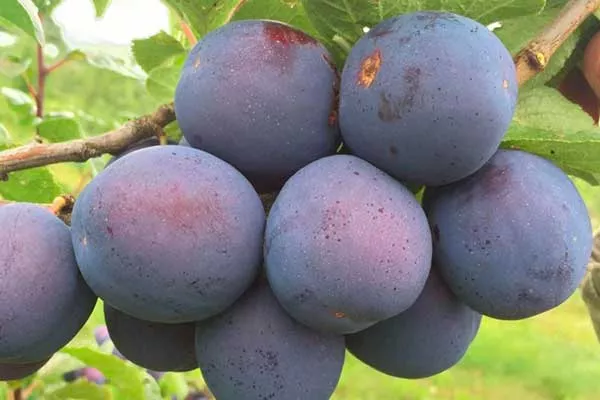
Large, weighing about 35 grams, they are round, dark red with a bluish tint and a waxy coating on the skin. The flesh is yellow, firm, and juicy, with a pleasant sweet flavor. The pit is small.
Features of using Kroman plum in cooking
This versatile variety is widely used due to its juicy flavor and vibrant aroma. The fruits are used in a wide variety of dishes, adding a unique sweetness and richness to any recipe.
Features of use in cooking:
- Bakery. It's used in making pies, cakes, and other desserts. Its juicy pulp imparts a rich flavor to baked goods, and its natural sweetness makes the dishes especially appetizing.
- Jam and syrups. The fruits are ideal for jams and syrups, thanks to their aromatic and sweet juice.
Plums are added to desserts, ice cream, cocktails, and other drinks, creating unique flavor combinations. Jam is used to decorate baked goods, adding brightness and aroma, while syrup enhances the flavor of drinks and cocktails. The fruit is used to make sauces, jams, and salad dressings.
Ripening period, fruiting and yield
The tree begins bearing fruit 3-4 years after planting. Ripening is mid-early, with plums harvested as early as August. Productivity is high, with approximately 16 tons of fruit being produced per hectare.
Technical requirements for growing Kroman plum
To successfully grow the crop, it's important to adhere to several agricultural guidelines. Follow the recommendations of experienced gardeners.
Suitable climate conditions
The plant thrives in temperate climates with cold winters and warm summers. It is sensitive to high humidity and extreme temperatures, so it's best to choose a location with moderate humidity and protection from strong winds.
- ✓ Soil pH should be between 6.0-7.0 for optimal growth.
- ✓ Drainage is mandatory to prevent water stagnation.
Fertile soil
Cromanje grows best in fertile, well-drained soil. It is sensitive to acidic soils, so conduct a soil test first and apply fertilizer if necessary. Enrich the soil with organic matter and maintain optimal moisture.
Winter hardiness
The plant tolerates severe frosts without requiring shelter. However, young seedlings will benefit from some insulation to allow them time to establish themselves and adapt to the weather.
Self-fertility and the need for pollinators
This variety is partially self-fertile.
Subtleties of planting
If you're using container-grown seedlings, plant them in the fall. Step-by-step instructions:
- Dig a hole 50-60 cm deep and 70-80 cm in diameter.
- Mix the fertile soil layer with peat, clay and sand.
- Add ash and humus to the hole.
- Place the seedling vertically in the center of the hole and carefully fill it with the prepared mixture. Firm the soil thoroughly.
- Tie it to a stick or skewer for better stability.
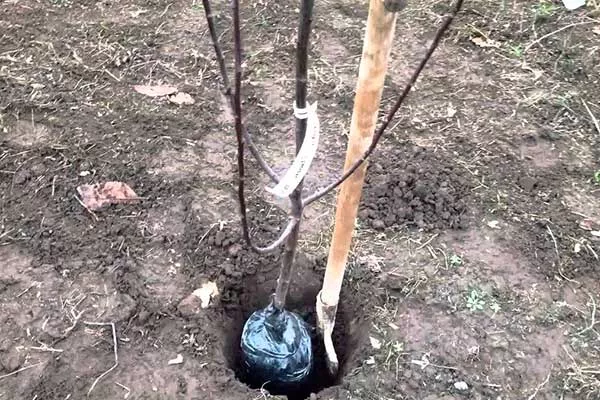
Water generously and mulch the soil with suitable materials for better rooting.
Caring for the Kroman plum: basic recommendations
To ensure healthy growth and high yields, several key aspects of crop care should be observed. Follow these simple agricultural practices:
- Provide regular watering, especially during periods of active growth and fruit ripening. Keep the soil around the plant moist, but avoid standing water. Water generously in the morning or evening to allow the liquid to be absorbed before the sun's heat sets in.
- The seedling requires adequate nutrition for full development and fruiting. Apply organic and mineral fertilizers twice a year: in the spring after a thorough watering and in the fall before the plant begins to go dormant. This will ensure healthy growth and improve the quality of the fruit.
- Regular mulching of the root zone helps maintain constant moisture, reduces weeds, and improves soil structure. Use organic materials such as straw or compost.
- Remove root suckers that can rob the tree of nutrients and moisture and interfere with the normal growth of the main plant.
- Apply nitrogen fertilizer in spring to stimulate growth.
- In autumn, use potassium-phosphorus fertilizers to prepare for winter.
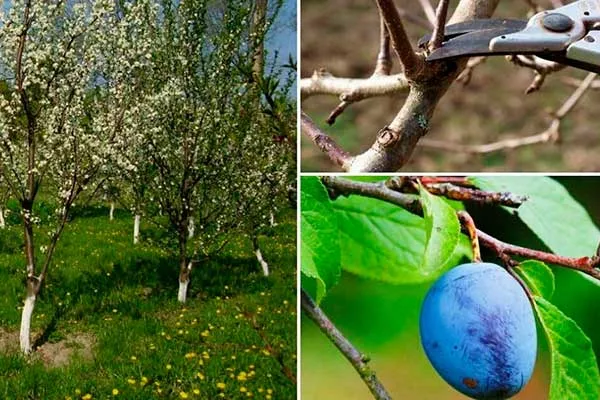
Soil aeration helps improve its structure, increases oxygen access to the roots and promotes better development of the root system.
Features of pruning
At the end of March, starting in the second year after planting, perform the first pruning. Shorten the main trunk by a third of its length. When the plum tree begins to bear fruit, prune branches growing outside the crown formation zone and remove root suckers.
Diseases and pests
The Cromanie has a strong immune system, but if not properly cared for, it can be susceptible to certain problems. The most dangerous ones are:
- Fruit moth. Affects the fruit pulp. Treat the tree with Bordeaux mixture once a week. To do this, dissolve 2 mg of the product in 10 liters of water.
- Aphid. It feeds on plant sap. Use a potassium permanganate solution: 2 mg per 10 liters of water. Oxis is effective in controlling pest attacks.
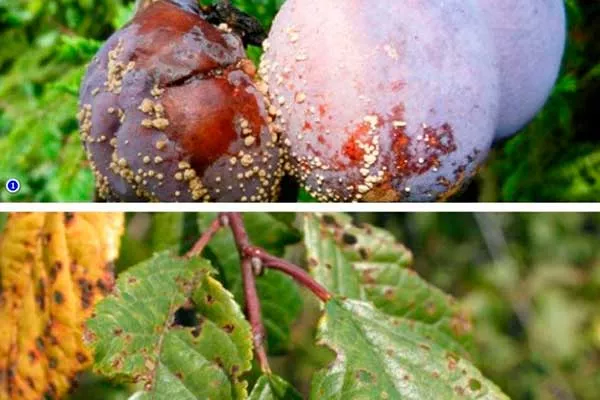
Prevention is key to maintaining a healthy crop. Follow these recommendations:
- Dig the soil around the plum tree once a year to reduce pests.
- In spring, trim excess branches to prevent aphid attacks.
In the fall and spring, remove dead bark from the trunk and coat it with lime mortar. This will protect the plum tree from sunburn and seal cracks where insects can develop.
Positive and negative qualities
Before planting a crop, carefully consider its advantages and disadvantages to avoid any potential difficulties. Cromanie has many advantages:
Gardeners note that no significant defects have been found in the variety.
Reviews
The Kroman plum is one of the most attractive varieties, gaining popularity thanks to its excellent characteristics. It was bred to meet all modern requirements for sustainability and productivity, making it suitable for both novice and experienced gardeners. It's important to learn the proper care instructions to ensure bountiful harvests.