
The Komandor plum has gained popularity due to its excellent varietal characteristics. It combines resistance to adverse conditions, excellent flavor, and good productivity. The plant's compact size allows it to be grown in small spaces. With proper cultivation practices, it will yield generous, high-quality harvests.
Story
The variety was developed in the United States in 1935 by breeder George Morrell. American and Japanese plums were used in its creation. In 1960, the Komandor plum began to be cultivated on an industrial scale in the United States, and was later actively exported to various countries, including Russia.
Features of wood
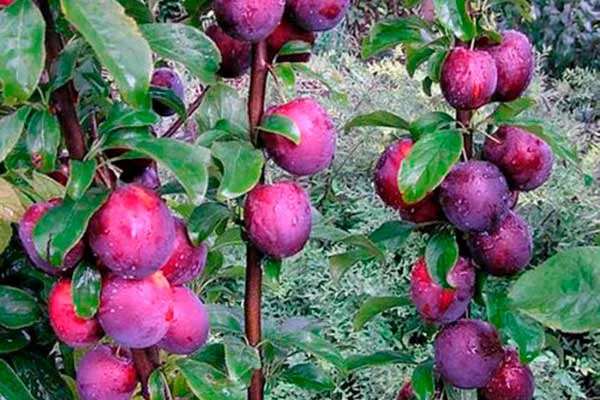
The plant is low-growing, reaching a height of up to 2 m. The crown is columnar. The shoots are strong and dense, covered with obovate-shaped leaves with a corrugated texture: they are dark green above and light green below.
Varietal characteristics of fruits
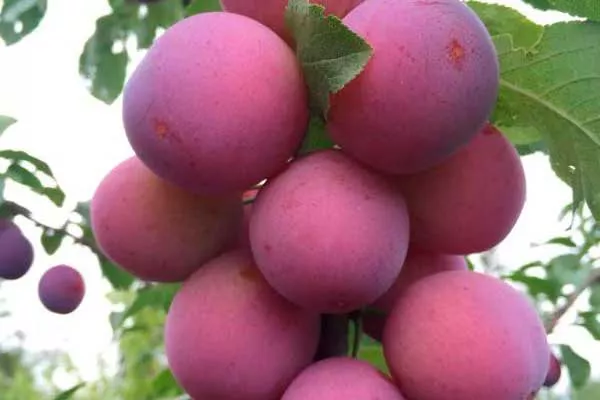
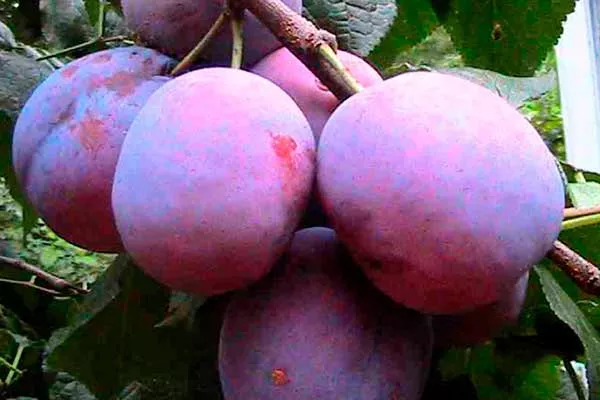
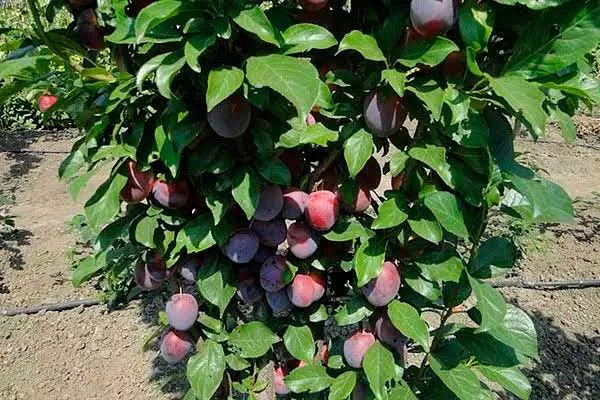
The fruits are elliptical in shape and weigh between 45 and 55 g. Plums have other distinctive characteristics:
- The subcutaneous points are poorly defined, and the abdominal suture is almost invisible.
- The skin is dense, the flesh is juicy, with a yellow tint and a sweetish taste with a slight sourness.
- The stone is medium in size and easily separates from the pulp.
The variety is universal; the fruits have high marketability and tolerate transportation well.
Frost resistance
The Komandor is relatively frost-hardy and can withstand temperatures down to -30°C. However, during periods of particularly severe cold, it is recommended to cover the trees with special materials for additional protection.
Ripening time and productivity
Budding occurs in early May, and the fruits ripen in the first ten days of August. It is characterized by high yields and consistent fruiting each year. Gardeners harvest approximately 15-25 kg from a single plant.
Self-fertility and pollinators
This variety is self-pollinating, so it doesn't require the presence of other trees for fruit to ripen. However, planting other plum varieties nearby can significantly increase productivity.
Uses of the Commander plum
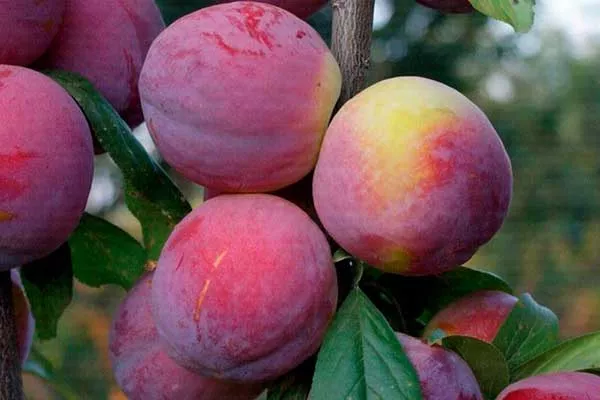
The fruits are used to make desserts, jams, compotes, and other preserves. They are also eaten fresh or added to salads and various dishes.
The Komandor plum is used in cosmetology and the medical industry. Its seeds yield oil, which is used in skin and hair care products. This variety boasts medicinal properties and is popular in the treatment of various ailments.
Care and cultivation
Planting a crop requires careful preparation and adherence to agricultural recommendations to ensure good growth and fruiting. Follow these recommendations:
- The optimal time for cultivation is early spring, before the buds open, or autumn, about a month before the onset of frost.
- Choose a well-lit location protected from strong winds. The soil should be fertile, loamy or sandy, and well-drained. Low-lying areas where water can accumulate are not suitable.
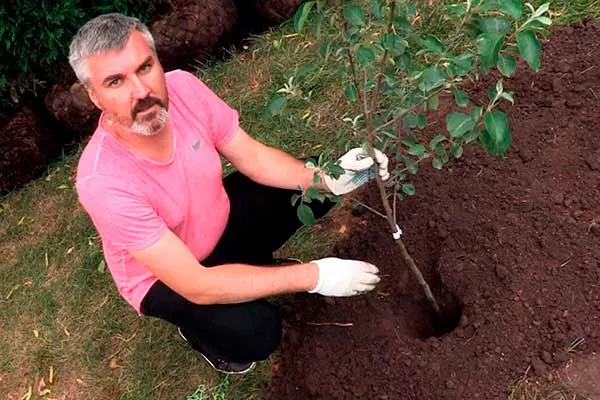
- Prepare the planting hole in advance, 2-3 weeks before planting. It should be 60-70 cm in diameter and 50-60 cm deep. Place a drainage layer (crushed stone or coarse sand) at the bottom, then a mixture of humus, peat, and compost.
- Position the root collar of the seedling 5-7 cm above ground level. Carefully spread the roots throughout the hole, covering them with soil. After planting, compact the soil around the seedling and water thoroughly (20-30 liters of water).
- To retain moisture and prevent weed growth, mulch the tree trunk area with straw, sawdust or peat.
- ✓ To prevent root rot, provide a drainage layer of at least 15 cm.
- ✓ When planting in clay soils, add sand in a 1:1 ratio to the top layer of soil.
Caring for a plum tree includes several important aspects:
- WateringProvide regular watering, especially in the first few years after planting and during periods of drought. Water approximately once a week, depending on weather conditions, applying approximately 30 liters of water per tree. Avoid overwatering to prevent root rot.
- Top dressingIn early spring, apply nitrogen fertilizer to stimulate growth, and during flowering and fruit formation, apply phosphorus-potassium fertilizers. In the fall, use organic fertilizers such as humus or compost. To improve the flavor of the fruit, use wood ash.
- Mulching and looseningAfter watering, cover the soil around the tree with straw, peat, or sawdust to retain moisture. Flushing the soil helps provide oxygen to the roots and prevents a soil crust from forming.
- Shelter for the winterDespite the variety's frost resistance, young trees in regions with harsh winters require additional shelter. Use agrofibre or straw to protect them from severe frosts.
The crop has a strong immune system, but if not properly cared for, it can be susceptible to diseases and insect attacks:
| Disease/Pest | Symptoms | Treatment |
| Fusarium wilt | Wilting and yellowing of leaves, drying out of shoots. | Use of fungicides (Previkur, Topsin). |
| Ascochytosis | Gray-brown spots on leaves, bitterness of fruits. | Treatment with Bordeaux mixture and copper sulfate. |
| White rot | Wet spots at the base of the stem, resembling a web. | Use of drugs (Hom, Ordan). |
| Plum moth | Bites on fruits, rotting, worms appearing inside. | Spraying with insecticides (Karate, Aktara). |
| Aphid | Presence of sticky secretions on the leaves, curling. | A soap solution or insecticides are effective. |
| Spider mite | Thin webbing, yellowing and shedding of green mass. | Control with acaricides (Fitoverm, Aktara). |
| Disease | Period of activity | Effective control measures |
|---|---|---|
| Fusarium wilt | May-June | Treating the soil with Trichoderma before planting |
| Ascochytosis | July-August | Spraying with 1% Bordeaux mixture solution every 2 weeks |
Features of pruning
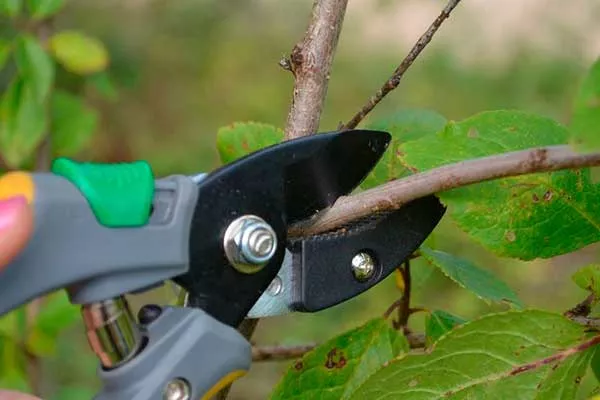
Perform formative pruning in early spring before the sap begins to flow. Remove weak, damaged, and crown-thickening branches. The tree doesn't require frequent pruning, but remove lateral shoots to maintain a compact crown.
Positive and negative qualities
Before growing a crop, it's important to carefully consider its positive and negative qualities to avoid any potential difficulties. The Komandor has many advantages:
Among the disadvantages, some gardeners note sensitivity to excess moisture, the need for regular pruning, limited fruit size, demanding soil quality, and the risk of pest damage without prevention.
Reviews
The Komandor plum is an excellent choice for those looking for a reliable plant for their garden. With all its advantages, including self-pollination and frost resistance, this variety can not only produce delicious fruit but also beautify any garden. With proper care and attention, you'll reap a bountiful harvest and enjoy all its benefits.