
Preparing plum trees for winter is an important stage of tree care, directly impacting their health and future harvest. Proper care, including whitewashing the trunk, protecting against rodents, watering, and insulation, is especially important for young plants and trees growing in harsh climates. These measures will help keep the tree in good condition.
Features of plum wintering
There's a common misconception that delicious and juicy plums can only be grown in warm southern climates. However, this isn't entirely true. Many varieties adapted for cultivation in the central part of the world also offer excellent flavor.
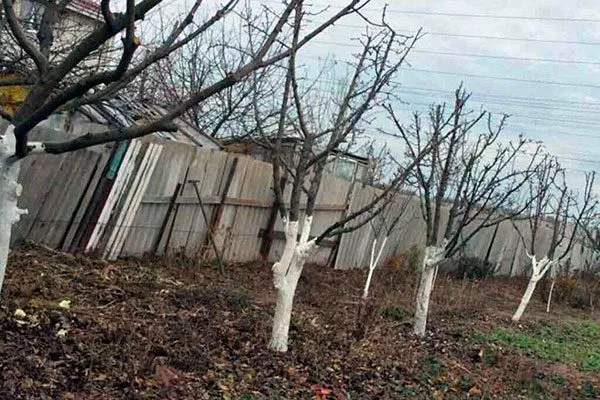
However, plum tree care in these regions requires much more effort, especially in the first few years after planting. Young trees often require winter shelter, even in relatively mild climates like Oryol or Samara.
To protect young trees (up to 3-4 years old), they are insulated with spruce branches or burlap. But covering isn't the only autumn concern for a gardener. In the fall, a whole range of measures must be taken in a plum orchard, including:
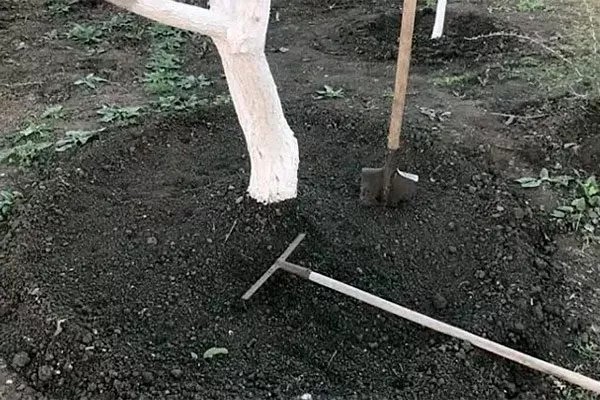
- digging or loosening the soil;

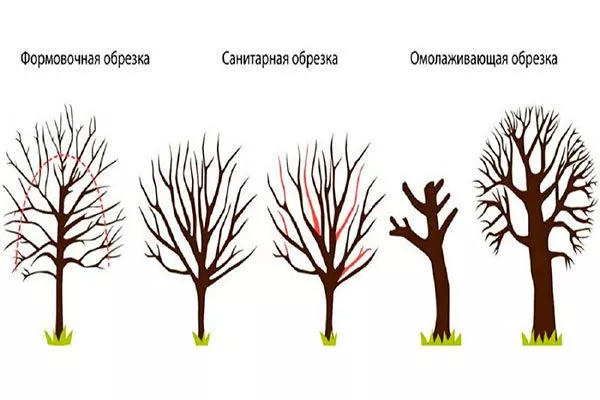
- sanitary and formative pruning;
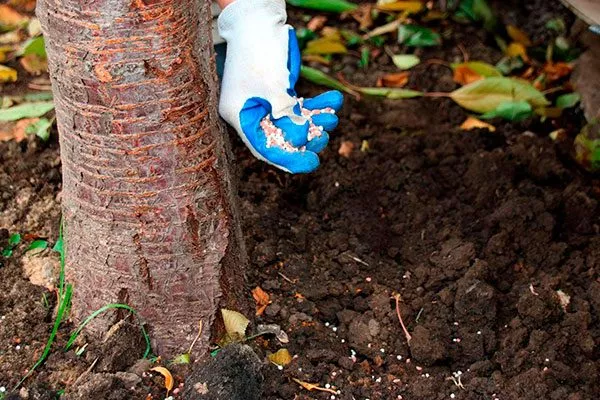
- application of fertilizers;
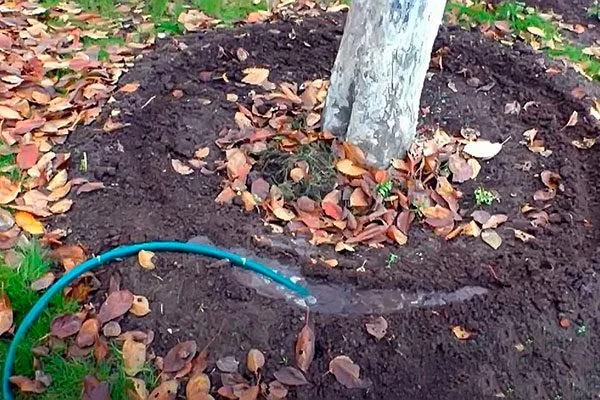
- moisture-charging irrigation;
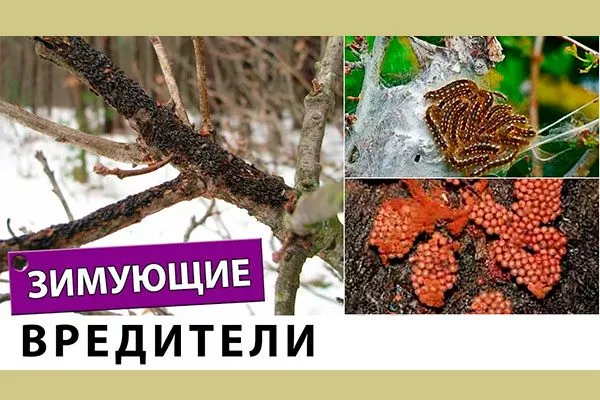
- destruction of wintering stages of pests;
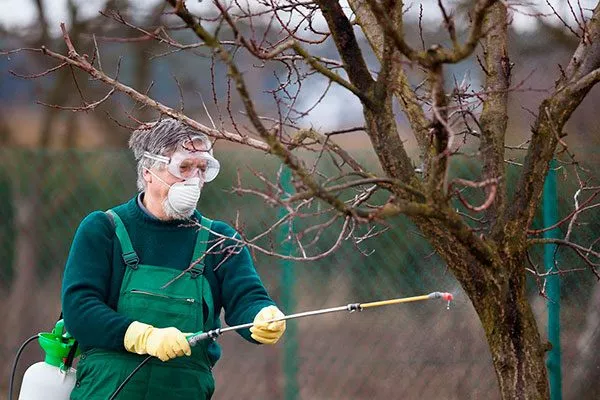
- preventive treatment against diseases and pests.
Digging
If your plum tree suffered from pest infestations or diseases in the summer, it's best to postpone digging around the trunk. In this case, it's important to first remove and burn all fallen leaves, as these can harbor pathogens and overwintering larvae.
Other features:
- If the tree is not sick, treat the root zone in advance, when you have free time: healthy foliage will not cause harm, but on the contrary, will become food for earthworms.
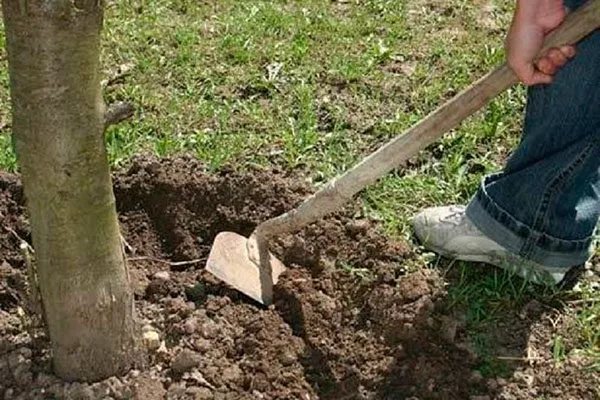
- When digging, consider the depth: closer to the trunk it should be minimal - about 5-8 cm, while on the periphery of the crown it is permissible to go deep up to 25-30 cm.
- It is better not to dig the soil around young plum trees (1-2 years old) at all – it is enough to carefully loosen it with a hoe so as not to damage the delicate roots.
Soil fertilization
To ensure a bountiful and high-quality harvest next season, plum trees need to be fed in the fall. At this time, the tree especially needs nutrients to help it prepare for winter and lay the foundations for fruiting.
Mineral fertilizers
Many novice gardeners prefer simple and straightforward mineral fertilizers for plum trees in the fall. These products are easy to apply, and when used correctly, they effectively help the tree prepare for winter.
Popular supplements:
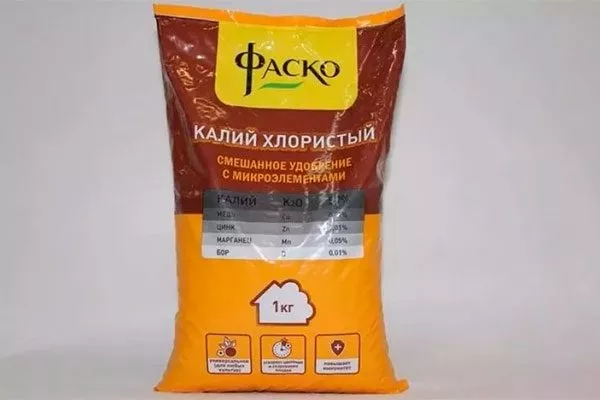
- Potassium chloride. One of the most popular autumn fertilizers. Apply it dry to the tree trunk before watering, at a rate of approximately 100 g per tree. This product increases plant frost resistance, making it especially popular in regions with cold winters.
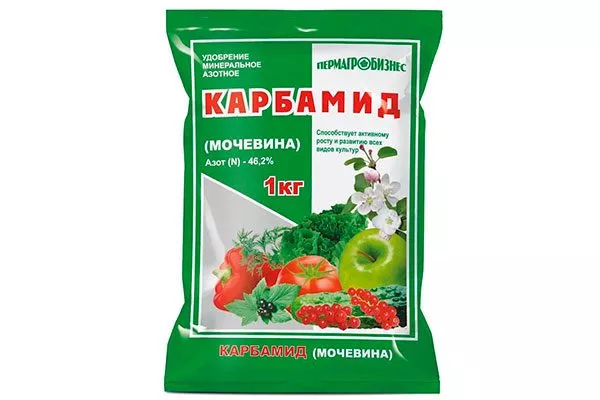
- Urea (carbamide). Apply only in the first half of autumn – no later than 4-6 weeks before the onset of sustained frost. Prepare a solution for spraying or watering using 30 g of urea and 10 liters of water.
The composition helps the tree replenish its nitrogen reserves if there were signs of a deficiency in the summer, but it is important to adhere to the timing so as not to stimulate the growth of new shoots before winter. - Superphosphate. Another versatile product containing phosphorus and other micronutrients essential in autumn. The recommended dose is 70 g per tree. You can apply the fertilizer either dry or in solution (according to the manufacturer's instructions), which ensures faster nutrient delivery to the roots.

Organics
In the fall, use not only mineral but also organic solutions to fertilize plums—they're environmentally safe and equally beneficial for the tree. These solutions are especially appreciated by proponents of organic farming.
Common formulations:
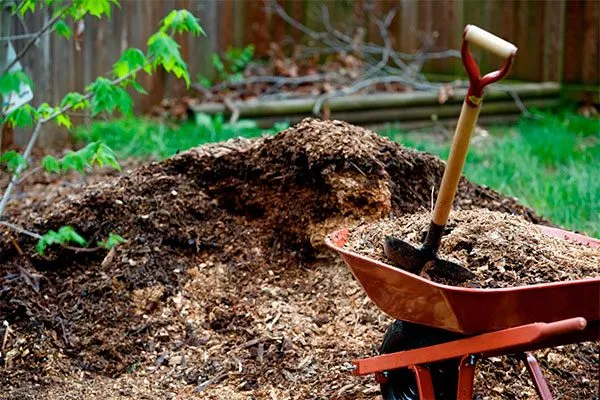
- Rotted manure or compost. Traditional organic fertilizers nourish and improve the soil. They improve soil structure and promote root development. Apply 10 kg of manure under each mature tree, spreading it evenly around the trunk and lightly incorporating it into the soil.
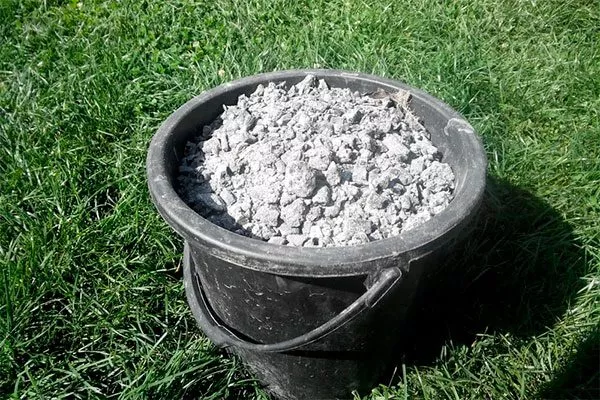
- Wood ash. A rich source of potassium, calcium, and other micronutrients, it helps reduce soil acidity. Apply dry, using approximately 300 g per plant. Sprinkle the ash over the surface and incorporate it shallowly when cultivating.
- Bone meal. A long-lasting fertilizer. Use every few years. It enriches the soil with phosphorus, improves its structure, and reduces acidity. Bone meal is especially beneficial in areas with heavy clay soil. Apply it in early September to allow the nutrients to take effect before the cold weather sets in.
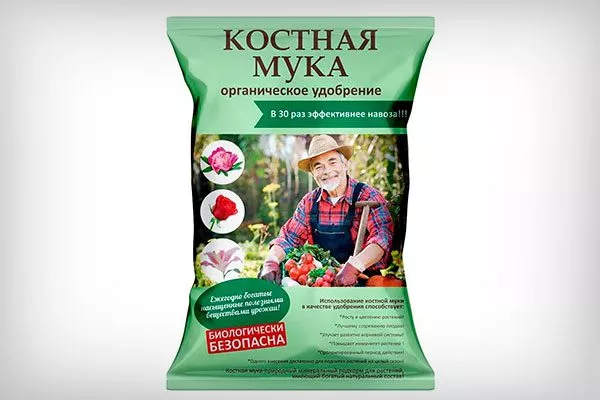
Organic fertilizers are completely safe and, when used correctly, provide plums with strong immunity and stable fruiting.
What cannot be contributed?
In autumn, there are a number of substances that are not recommended for "feeding" plums, as they can harm the crop or provoke undesirable processes.
Prohibited fertilizers:
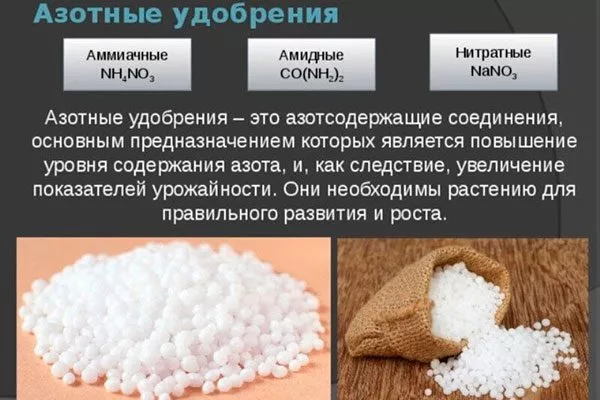
- Pure nitrogen fertilizers. Nitrogen stimulates shoot and foliage growth. This is dangerous in the fall, as young shoots don't have time to mature and often freeze during the winter, weakening the tree.
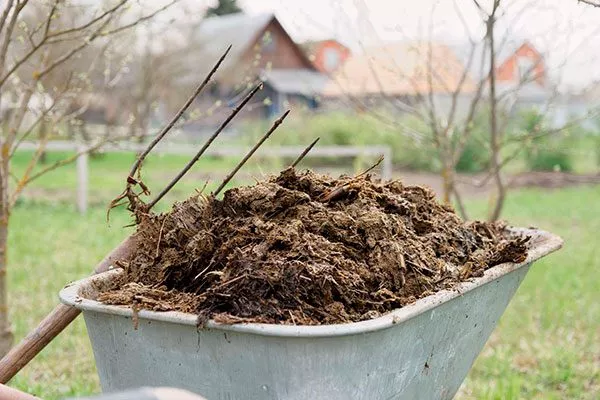
- Fresh manure. It contains too much active nitrogen and pathogens. It can burn roots and upset the soil balance.
- Complex spring feeding. Fertilizers labeled "spring" typically contain a high percentage of nitrogen and are not suitable for fall use.
- Chlorine-containing substances. For example, potassium chloride can only be used on heavy and moderately fertile soils, and then with caution. Excess chlorine can inhibit beneficial soil microflora and accumulate in light, sandy soils.
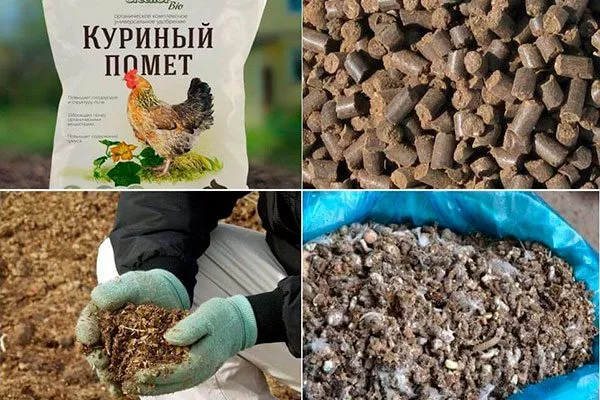
- Chicken droppings. It is very concentrated, rich in nitrogen, and even when diluted may be too aggressive for fall application.

Autumn pruning technology
Pruning not only improves the tree's appearance but also increases its yield. It's best to prune in the first half of autumn, immediately after the fruit harvest, to allow the plant time to recover before the cold weather sets in.
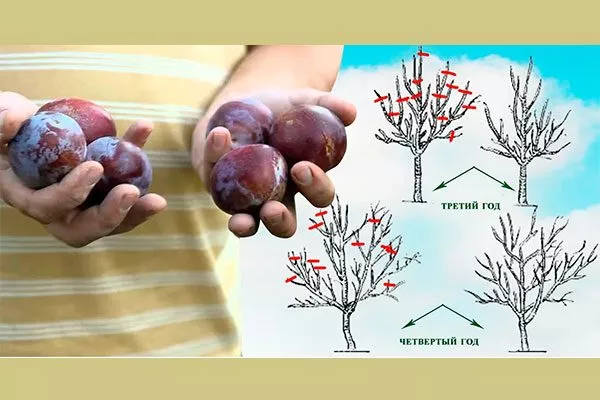
The event includes several key stages:
- Remove all broken, dried out, diseased or pest-infested branches.
- Trim any overly long or rapidly growing shoots by about a third to prevent them from breaking under the weight of snow in winter. This will make future tree care easier.
- Prune the crown—this is especially important in the first few years after planting, when the crown is developing structure. As plums mature, supportive, formative pruning is limited to pruning.
Use sharp, disinfected tools when pruning. Clean all cuts thoroughly and treat with garden pitch to prevent infection. After pruning, clear the area around the tree trunk of fallen leaves, weeds, and plant debris.
Winter watering
Plum is a moisture-loving tree and requires a large amount of water throughout the season. However, in the fall, watering should be moderate. During this period, the tree prepares for winter, so excessive moisture can hinder wood maturation, increasing the risk of frost damage.
However, before the onset of sustained frost, the tree requires a moisture-replenishing watering. This watering is intended to deeply moisten the soil so that the roots don't experience moisture stress during the winter. Only perform this watering during a dry autumn. If rainfall is regular and the soil is well-saturated, additional watering is not necessary.
Bark processing
When fighting pests in the fall, it's important not only to prune the tree and remove fallen leaves, but also to thoroughly clear the trunk and bases of skeletal branches of loose bark, moss, and lichen. These areas often become a haven for overwintering pests and a source of infection.
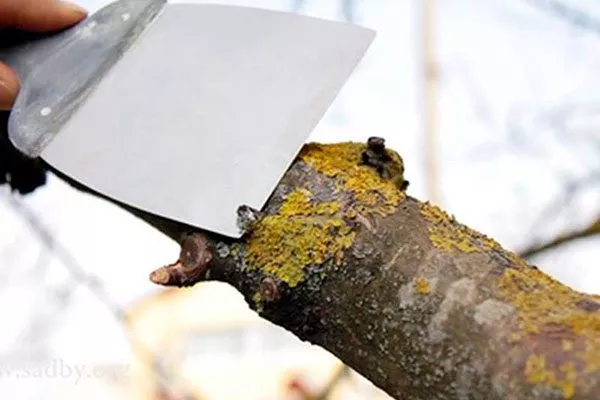
Key recommendations:
- For processing, use wooden or plastic scrapers, as well as hard brushes.
- After mechanical cleaning, treat all damaged areas with a 1% copper sulfate solution to disinfect the surface. If necessary, additionally coat cracks and cuts with garden pitch.
- Be sure to burn all collected debris—bark, plaque, moss, and other plant debris—to prevent re-infestation of the garden in the spring.
Whitewashing the trunk
After clearing the trunk of moss, lichen, and loose bark, be sure to whitewash the tree in the fall. This will protect the bark from sudden temperature changes, sunburn, and overwintering pests.
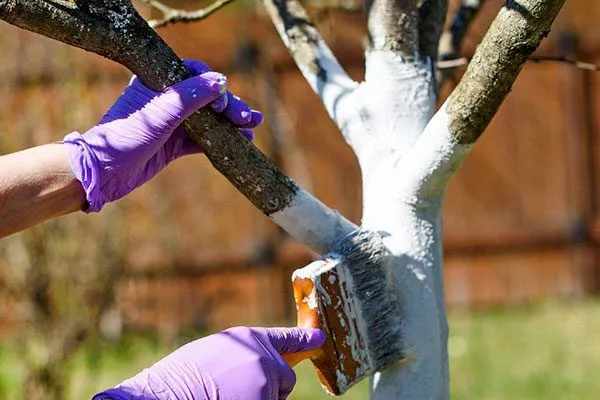
Follow the rules:
- Carry out the procedure after the leaves have fallen, when the air temperature remains consistently positive, but before the onset of frost.
- Apply the composition in a thick layer with a brush over the entire trunk and bases of skeletal branches.
- Prepare a lime-based solution (approximately 2 kg per 10 liters of water), adding red clay (up to 1 kg) and mullein (0.5-1 kg) for better adhesion.
- To prevent fungal diseases, include copper sulfate (about 250 g) in the mixture.
- The finished solution should be the consistency of sour cream and adhere well to the wood.
Mulching
In warm climates, mulching the area around the tree's trunk is often sufficient to prepare plum trees for winter. It's best to use materials that both insulate and nourish the roots.
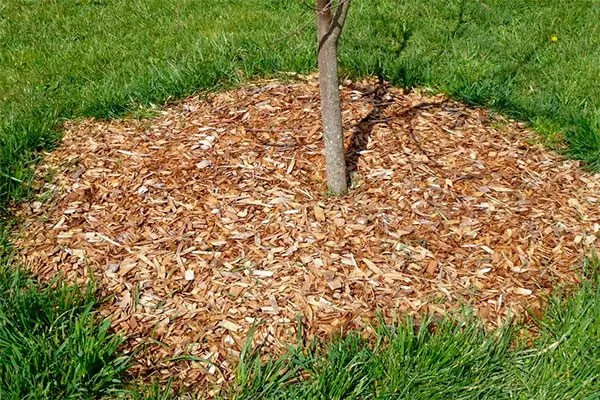
Mulching in the fall is primarily for insulation, so apply it before frost. If you plan to water the plant, apply the mulch afterwards. The layer thickness can vary from a few centimeters to 20-25 cm, depending on the regional climate.
Do I need to cover my plum tree for the winter?
Winter protection isn't always necessary for fruit trees purchased from local nurseries or garden centers. These plants are typically zoned and well-adapted to the region's climate.
Mature trees, unlike young seedlings, are more resistant to adverse natural factors – severe frosts and winter thaws – and can usually successfully survive the winter without additional protection.
When to cover plums before winter?
In the Far East, Siberia, and the Central Russian region, the procedure should be carried out in December, when temperatures reach -5°C. For other locations, the temperature and timing of the procedure vary:
| Region | Temperature | Time |
| Moscow region | -4°C | December |
| Ural | -3.7°C | November |
| Leningrad Oblast | -3°C | December |
| Transbaikalia | -10°C | November |
| Khabarovsk | -8°C | November |
| Volga region | -3.5°C | December |
It is recommended to carry out covering in dry and windless weather for maximum efficiency and protection of trees.
How and with what to cover plum for the winter?
Properly applied cold protection helps plum trees survive the winter and recover more quickly in the spring. There are several ways to protect plum trees.
From frost
Hold the event in the second half of November or early December. Use various coverings for insulation:
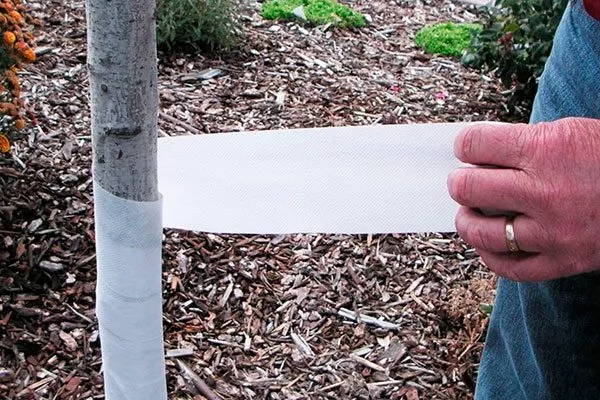
- Agrofibre. One of the most reliable and convenient materials for covering trees. It's easy to apply, and thanks to its durability, it can be reused for several seasons. Pre-cut the fabric into strips approximately 15 cm wide and carefully wrap it around the trunk.
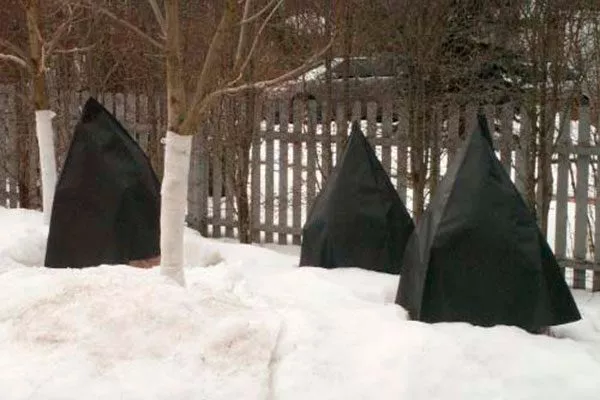
Agrofibre protects the tree not only from frost, but also from pests. - Black film. A dense material that retains heat well. When using it, ensure it doesn't cling tightly to the trunk and branches. To do this, install a wooden frame around the tree and wrap it in several layers of plastic film. This cover reliably protects the plant from wind and frost.
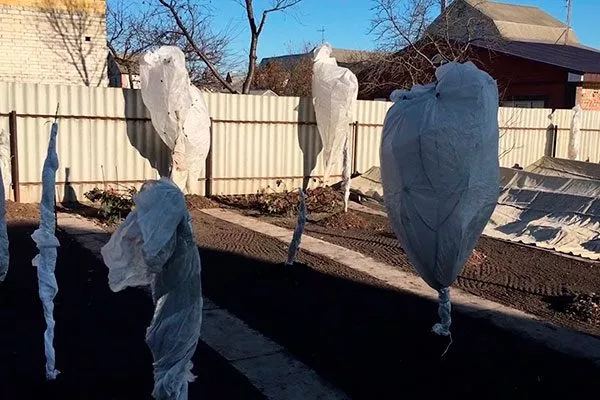
- Spunbond. Non-woven fabric does not absorb moisture, making it ideal for protecting against cold. Wrap the trunk with spunbond tape from root to crown, being careful to leave no gaps.
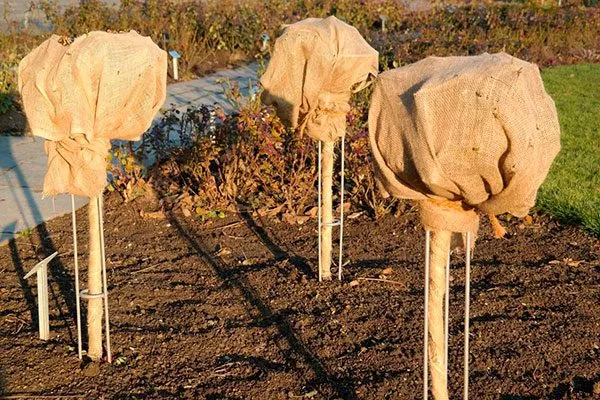
- Sackcloth. Often used for young trees. Use only clean and dry burlap, as old and dirty burlap can be a source of disease.
- Roofing felt. A dense and wind-resistant material. Be sure to leave an air gap between the bark and the roofing felt to prevent wood rot.
From rodents
After whitewashing the tree, it's important to protect it from rodents and hares, which often chew the plum tree's bark in winter, causing serious damage. Follow these recommendations:
- Wrap the trunk with barbed wire or cover it with spruce branches.
- Tie the branches with twine, which helps protect the plant not only from pests, but also from cold winter winds.
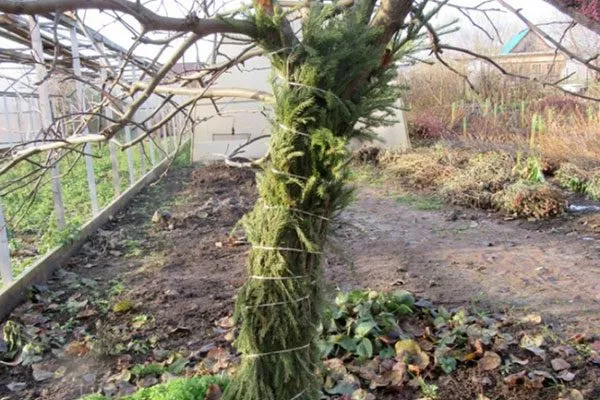
Some gardeners additionally place various mouse traps on their plots, which helps reduce the rodent population and increases the chances of the trees surviving the winter.
From damping off
Damping off is a winter tree injury that causes the bark and cambium at the base of the trunk and skeletal branches to die. This phenomenon is caused by prolonged exposure to temperatures ranging from 0° to -4°C, combined with a thick layer of loose snow, especially when it falls on unfrozen soil.
To avoid this damage, it is important to ensure that the soil in the tree trunk circles and at the base of the trunk freezes using any available means:
- For successful wintering, it is favorable when the soil freezes to a depth of 20-25 cm - this will prevent it from thawing due to the heat coming from the depths.
- If the first snow falls on unfrozen ground, rake it away to ensure the soil freezes properly. If frosts are mild, you can remove some of the snow in December, but leave a 10-15 cm thick layer immediately around the trunk for protection.
- Another effective method is to install metal pipes or brackets near trees. These help improve soil freezing and reduce the risk of damping-off.
Treatment against diseases and pests
If your plum tree was attacked by pests in the summer, it's recommended to thoroughly dig up the soil around the tree trunk in the fall and burn all plant debris. This helps destroy the pests' egg clutches and reduce their numbers.
After this, spray the tree. You can use either professional insecticides or proven folk remedies.
Some popular recipes:
- Garlic infusion. Crush 200 g of garlic cloves, add 10 liters of warm water, and let steep for 24 hours. Use the resulting infusion on the plums the following day.
- Ash solution. Place 400-500 g of wood ash in 10 liters of water, add 50 g of liquid soap or dishwashing liquid, and fill with warm water. There's no need to let the solution steep; it can be used immediately to treat the trunk and branches.
- Infusion of onion peel. Place 300 g of dried onion peels in a container, cover with warm water, and leave for 5 days. After this, use the product as a spray.
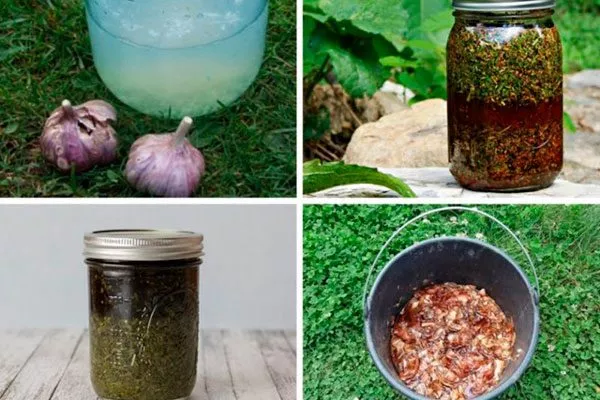
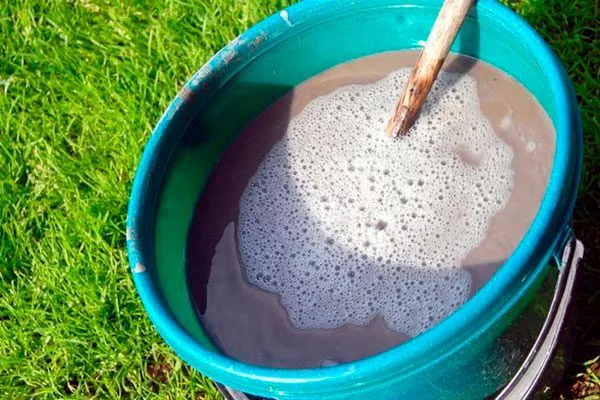
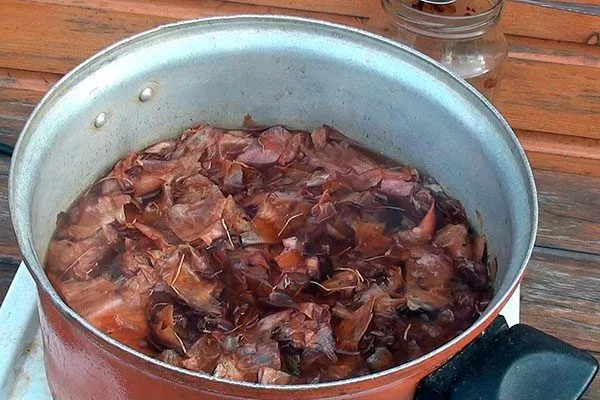
These folk remedies effectively protect plums from aphids, hawthorn moths, goldtails, and other common pests. To combat rust, scab, and other diseases, it is recommended to use high-quality fungicides. Gardeners most often use Bordeaux mixture or ferrous sulfate.
Protecting young plums and seedlings
Young plants are particularly sensitive to frost and often fall prey to winter rodents such as mice and hares. Basic recommendations:
- Whitewashing the trunk helps protect the tree from frost cracks and sunburn in March. However, during severe frosts, provide additional protection for young saplings by tying the trunk with pine branches or roofing felt. If using roofing felt, add a layer of reflective foil on top for additional protection.
- In colder regions, create a more secure shelter for the youngest trees—a "hut." To do this, construct a frame of planks and stretch non-woven fabric over it, creating a protective "house."
Remember that mice most often reach trees under snow, so it's best to pack the snow around the trunks. Hares can stand on their hind legs, so the shelter should be approximately 1 meter high.
Regional features
Autumn care for plum trees depends largely on the region's climate. Different parts of the country use their own methods and recommendations, taking into account weather conditions, frost resistance of varieties, and soil type.
Below are the main recommendations for different regions:
- Middle zone. Residents of the central part of Russia and the Moscow region carry out a full range of autumn activities without restrictions. Plum trees are thoroughly watered and generously fertilized, their crowns are pruned to the shortest possible length, and the soil is tilled to improve oxygen access to the roots.
In warm regions, trees are not covered, but the trunk circle is mulched to retain heat and moisture. - Volga region. In the Volga region, a shelter-like structure is often used to protect trees from strong winds. It's constructed using spruce branches tied with twine, with mint placed inside to repel rodents and reduce the risk of damage.
Gardeners in the Urals provide winter protection for all plum trees. Autumn care includes pre-winter watering and partial pruning, which avoids weakening the plants too much, preserving their strength before the frosts. - Siberia. In the harsh Siberian climate, all trees, regardless of age, are insulated. Before the cold weather sets in, watering and fertilizing are reduced to a minimum to prevent root freezing.
To protect the trunk and skeletal branches, use roofing felt or other suitable materials, on top of which a layer of reflective foil is applied for additional thermal insulation.
Common mistakes
Failures made by gardeners during autumn plum care can significantly reduce the yield next season. The most common violations include:
- neglect of autumn treatments against pests and infectious diseases;
- leaving fallen leaves in the tree trunk circle;
- failure to clean tree trunks from moss, lichens and dead bark;
- incorrect pruning.
All these mistakes weaken the tree before winter, reducing its frost resistance and ability to successfully survive the cold period.
Properly preparing plum trees for winter is the key to a successful winter and abundant fruiting. Particular attention should be paid to whitewashing, rodent control, and proper soil moisture, as well as insulating young trees and plants in cold regions. Following all these recommendations will help maintain the health of the tree and ensure a bountiful harvest.