
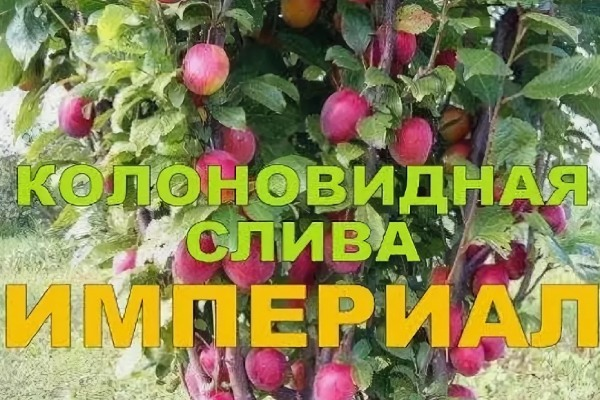
The Imperial plum belongs to the class of columnar species. This cultivar is just beginning to gain popularity among Russian gardeners. This variety is characterized by its compact growth habit, low maintenance requirements, abundant yield, and moderate size, making it ideal for small garden plots.
How did the variety appear?
There are two versions of this variety's origin: one attributes its creation to French breeders, while the other claims it was developed by Russian breeder G.V. Eremin. Information about the Imperial columnar plum and reviews from gardeners are currently extremely rare.
The appearance of the tree
The Imperial plum is a slender columnar tree, distinguished by a strict pyramidal crown shape with sparse dark green leaves reaching a maximum diameter of 100 cm.
Other characteristics of the variety:
- This variety is distinguished by its modest branches, unlike other columnar species, and also has a superficial root system.
- The tree is decorated with a powerful trunk, as well as young branches and ringed growths.
- Under ideal conditions, the plum can reach a height of 150-220 cm.
- The leaves are oval-shaped, reminiscent of a boat, and are colored a rich dark green.
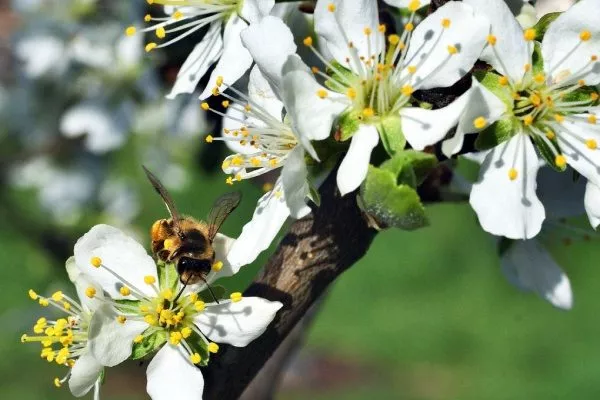
- Budding occurs in the first week of May, when the tree blooms with numerous large five-petaled flowers, which are always female.
- ✓ Flowers are always female, which eliminates the need for additional pollinators, but their presence is recommended to increase yield.
- ✓ The superficial root system requires special attention to watering and protection from frost.
Fruits and their taste characteristics
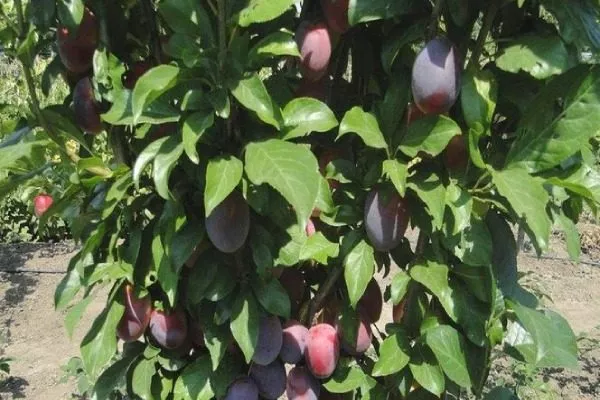
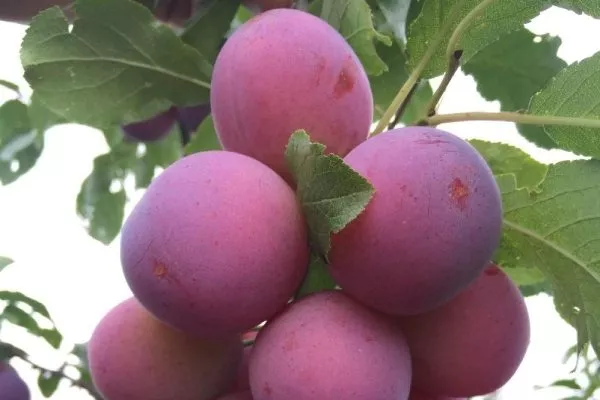
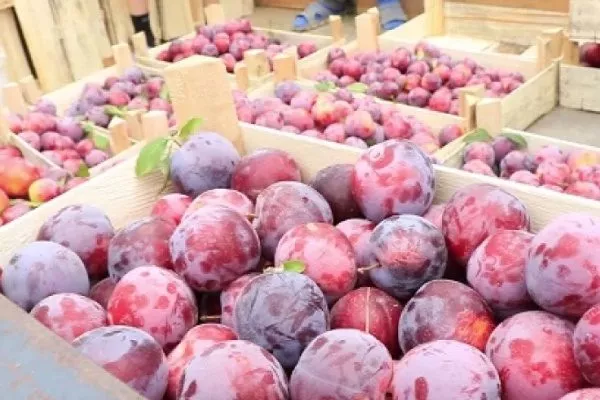
The French plum is distinguished by its large, round shape and exquisite pink-purple color with a distinct waxy coating. Each fruit weighs 50-60 g.
Other characteristics:
- The skin is thin and pleasantly soft to the touch.
- The plums are held on a shortened stalk, which is easily separated.
- The plums have an incredibly rich flavor. The golden-yellow flesh has a meaty, tender, and juicy taste. The sweetness of the fruit is harmoniously balanced with a delicate honey aroma and a slight tartness. The plum juice is clear and thick.
- The stone separates easily from the pulp quickly.
The harvest is easy to transport and has excellent shelf life—up to 7-10 days. If harvested at the technical ripeness stage, the fruit will keep for 12-18 days.
Characteristics of the variety
The Imperial plum can be considered commercially attractive without exaggeration due to the incredible taste value of the fruits and their high durability during transportation.
Drought resistance, frost resistance
The trees have a lifespan of over 15 years. The Imperial variety, characterized by its columnar growth, also has increased cold tolerance.
Frost resistance features:
- The variety is frost-resistant, both in terms of fruit buds and wood.
- Young seedlings under three years of age are particularly vulnerable to frost. From the fourth year onward, the tree can survive without such protection.
- The Imperial plum has a shallow root system that requires protection from winter frost. In areas with heavy snowfall, simply covering the base of the tree with a thick layer of snow is sufficient.
The Imperial plum has low drought tolerance because its rootstocks are located in the upper soil layer and cannot independently draw moisture from the depths. Therefore, during hot summers, the plant requires regular watering to maintain optimal humidity levels.
Self-fertility and the need for pollinators
Although Imperial is a self-fertile columnar plum, it still requires pollinators to fully realize its full productivity potential. The following varieties are particularly effective in this regard:
- Renclode Altana opens its flowers at the end of April, and the harvest reaches maturity in August-early September.
- The Stanley variety begins flowering in mid-April, and its fruits are ready for harvesting in early September.
- Bluefree blooms in April and its fruits reach maturity in September.
Productivity, fruiting and ripening time
Imperial is distinguished by its ultra-early fruiting: you can enjoy the first fruits as early as the second year after planting. The period of active ripening occurs in the second half of August.
For two to seven years after starting an orchard, the Imperial plum's yield steadily increases. Then, over the course of seven to ten years, the yield stabilizes, and from the eleventh year onward, the plum tree begins to gradually decline. By the age of thirteen to seventeen, the Imperial plum may stop bearing fruit, but the tree remains viable and serves as a decorative element in the garden.
A single tree can yield between 10 and 13 kg. With nearby pollinators, this yield increases two- to threefold. Ripe plums are resilient and can hang on the branches for a long time without falling. Harvested plums can be stored for 10 days and are transportable.
Application of berries
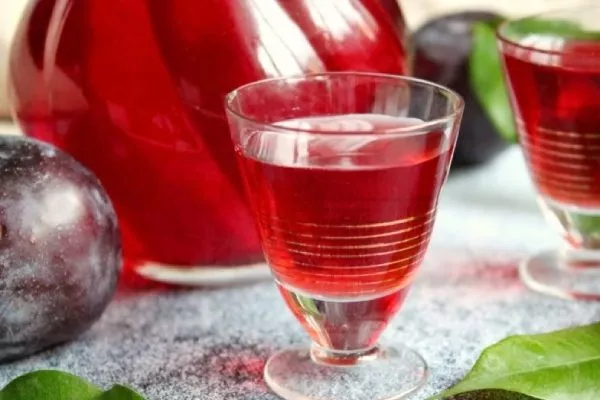
The Imperial plum has a wide range of uses. It's excellent for eating fresh. It can be used to make delicious compotes, preserves, and marmalades. It can be preserved whole or added to dishes in slices. And connoisseurs of strong drinks can make aromatic liqueurs from it.
Resistance to diseases and pests
The same pest control measures apply to this plum variety as to standard plums. The Imperial variety exhibits high resistance to diseases and pests with regular preventative treatments.
Climate and growing regions
The plant thrives and produces a normal harvest in the climatic conditions of the central regions of Russia, but achieves its highest productivity in the Kuban region.
Moreover, Imperial is in great demand among gardeners and farmers in the south of the country – in the Ciscaucasia.
Landing features
This variety is an ideal choice for those just beginning to master the art of gardening. Growing the columnar plum Imperial doesn't require complicated procedures.
Recommended timeframes
In the central part of Russia and other cold climates, Imperial plums are planted in the spring, before the trees emerge from winter dormancy and when the ground is completely clear of snow and has warmed slightly. In southern regions, however, it's common to plant seedlings in the fall, allowing them time to establish roots before the mild winter sets in.
- ✓ The depth of groundwater should be at least 150-200 cm to prevent rotting of the root system.
- ✓ The distance between seedlings when planting should be 180-250 cm to ensure sufficient space for growth.
How to choose a site for planting?
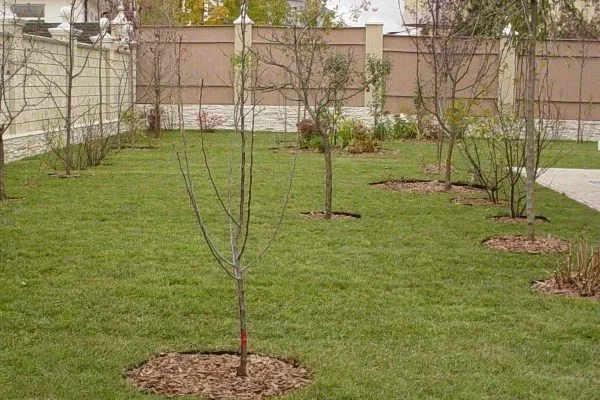
This variety prefers an open, sunny location, protected from strong winds and drafts, as well as from northern winds. Because its root system is located close to the surface, moderately moist soil is preferred.
Marshy areas are not suitable for growing this variety. It is important to avoid areas where melting snow can accumulate. The recommended groundwater depth is 150-200 cm.
Failure to comply with these conditions may result in the inability to form rhizomes, damage to the trunk and the occurrence of diseases in the plum.
What can and cannot be planted nearby?
Plums prefer to grow alone when space permits. However, such conditions are rare. In most garden plots, plums are found alongside apple, cherry, and pear trees, and all of these trees produce fruit well.
Keep in mind, however, that pears are not suitable neighbors. Plums pair well with apples and blueberries. However, avoid planting any walnut trees, birches, poplars, or fir trees near them.
How to select and prepare planting material?
When growing the Imperial variety, it's important to use only seedlings that have been in the soil for one year. This ensures a faster start to fruiting. When selecting, try to find specimens with healthy buds and no damage.
The root system can be either open or closed. In the latter case, the seedling adapts to its new location much more effectively. Before planting a bare-root tree, be sure to soak it in a barrel of water, adding any rooting stimulant.
Planting sequence
The process of agricultural work requires strict adherence to certain steps:
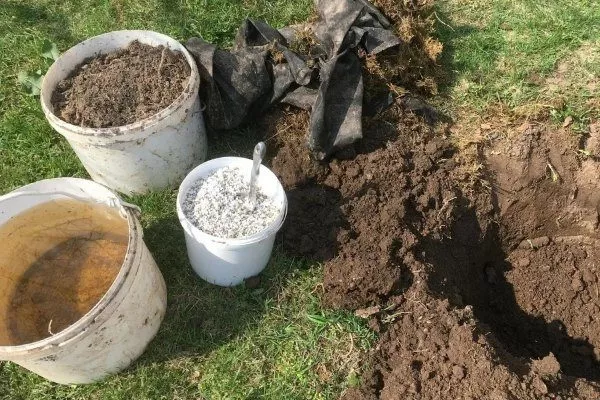
- To begin, dig a hole measuring 30-40 by 40-50 cm, with the row length corresponding to the number of seedlings, spaced at intervals of 180-250 cm. For large plantations, it is recommended to set the distance between rows within the range of 100-150 cm.

- Then, add 3 to 6 kg of organic matter, such as compost, to the bottom of the hole for each seedling. Avoid using mineral fertilizers when planting, as the plant's rhizomes are vulnerable and can be damaged by chemicals.
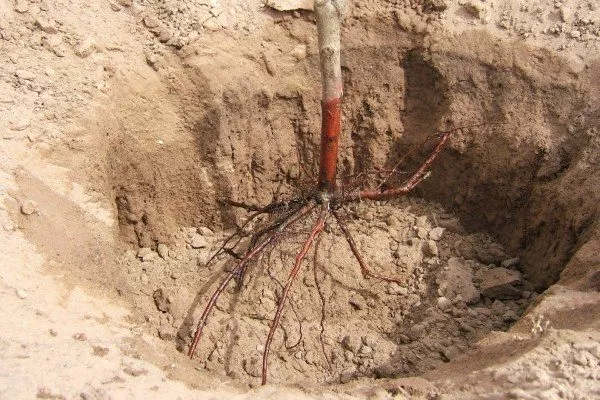
- After this, place the tree in the hole, carefully distributing the root system, while the neck of the seedling should be at a depth of 2.5 to 4 cm.
- Then fill the hole with soil and compact it lightly.

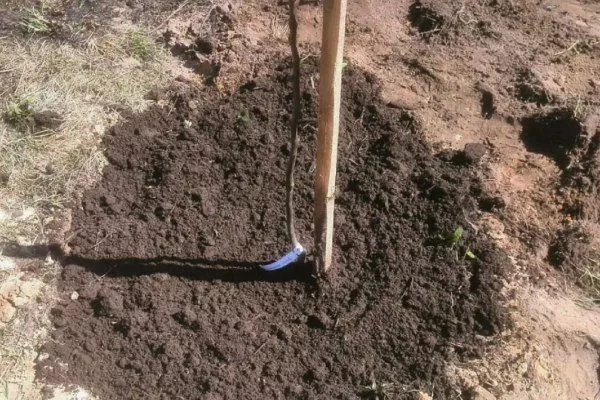
As an additional measure to stimulate the root system, it is recommended to use Heteroauxin, which should be mixed with water at a ratio of 3 g per 9-10 liters of water. This mixture should be applied immediately after planting and again two weeks later.
How to care for the plum tree further?
This columnar plum tree is easy to care for, as regular pruning is not necessary. The plum tree forms its own crown. If necessary, only damaged or dead branches are removed. This is a short tree, so there's no need to restrict its growth by topping. Shortening the main trunk by 2-3 buds is acceptable if it's weak and not producing new growth.
Watering, fertilizing
In terms of soil moisture, plum trees require additional irrigation after flowering, during fruit ripening, and before winter. For each mature tree, it is recommended to apply 50-55 liters of water to saturate the soil to a depth of 40-45 cm. The frequency of watering depends on weather conditions: if rainfall is insufficient, water more frequently.
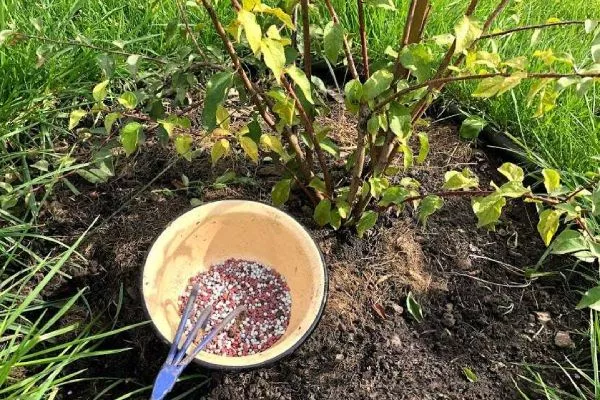
To improve plum fruiting, it is recommended to fertilize the plums before flowering. For this purpose, use:
- 150 g urea;
- the same amount of potassium sulfate;
- 25 liters of water.
The second stage is carried out during the ripening of the fruits, using a mixture of:
- 150 g urea;
- 200 g nitrophoska;
- 25 liters of water.
Preparing for the winter period
To prepare for the frost period, it is important to water the plant to accumulate moisture, then apply a protective layer of mulch material, such as peat or compost, to the soil, 15-20 cm high.
It's essential to whitewash not only the trunk but also the main branches of the tree. To protect the plant from cold weather, carefully wrap the plum tree trunk with paper or burlap.

Protection from rodents
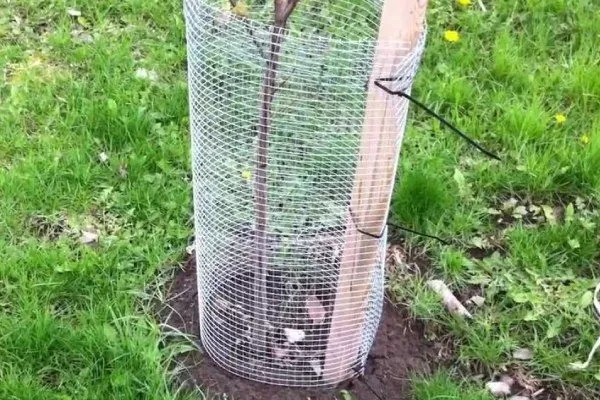
Young trees are often a target for rodents, who love their leaf soil and bark:
- To protect plants from hares, use protective rings of willow branches. Alternatively, pine branches or juniper can be used. Place them with the ends pointing downward.
- To protect against mice, a "fence" of compacted snow is built around the trunk, as small rodents avoid moving across damp surfaces in winter. Mice, however, can only make their way through soft snow.
Specialized nets can be used to protect against rodents. Roofing felt is not suitable for this purpose, as its resinous component can cause chemical burns to the tree, leading to its death. Petroleum products such as grease, kerosene, or oil should not be used to treat the trunks.
Methods of control and prevention of diseases and parasites
Fruit crops are invariably susceptible to pests. Don't rely on this variety's natural resistance. Regular use of insecticides and fungicides as a preventative measure will ensure a successful harvest.
Harvesting and storage rules
To determine for sure whether a plum has reached ripeness, taste it – even if it has acquired its final color, this does not always mean that it is ready for picking.
Basic recommendations for harvesting plums:
- cleaning is carried out on a dry and sunny day;
- They are collected in stages, since the fruits do not ripen at the same time;
- for transportation and long-term storage, plums are picked with the stalk or cut with a small piece of the branch and immediately placed in boxes;
- First, they remove the fruits from the lower branches, and then move on to the upper ones;
- collection begins from the ends of the branches, gradually moving towards the trunk of the tree;
- During the work process, it is necessary to avoid damaging the wax coating and the stems of the plums;
- It is not recommended to pick plums in the morning or immediately after rain, as moisture on their surface can compromise their shelf life.
Fruit should be picked from the tree before it becomes soft. Firm, healthy plums without cracks or signs of rot are best for long-term storage. If the fruit is to be transported or stored for an extended period, remove it from the tree with the stems attached or carefully trim it with scissors.
To preserve fruit, store them in a dry, well-ventilated place at a temperature of 0 to 2 degrees Celsius and a relative humidity of at least 85%. Under these conditions, plums can retain their visual and flavor qualities for approximately two months.
Positive and negative qualities
To quickly determine whether the Imperial variety is worth growing, it's worth considering its strengths and weaknesses. Among its advantages, the following stand out:
Reviews
The Imperial columnar plum is the ideal solution for those looking to conserve garden space. This variety is ideal for compact gardens while still providing a consistent and abundant harvest. The plant requires little maintenance, is tolerant of a variety of soils, and, with basic gardening recommendations, can yield income for many years.