
The Hollywood plum is a modern variety that has gained popularity among gardeners thanks to its vibrant fruits and high-quality harvest. This hybrid impresses with its sweet flavor, strong immunity, and numerous positive qualities. To grow a healthy tree and reap bountiful harvests, it's important to provide proper care.
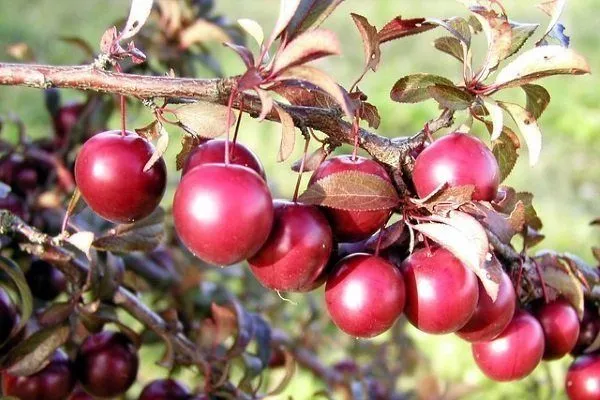
The concept of a plum
The crop stands out not only for its unusual and memorable name but also for its excellent varietal characteristics. These features have made it popular in various regions.
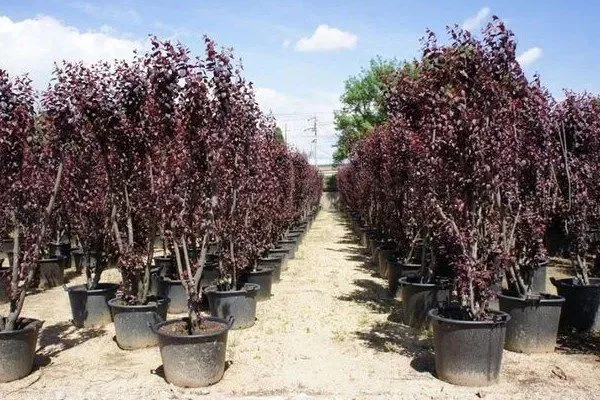
The appearance of the tree
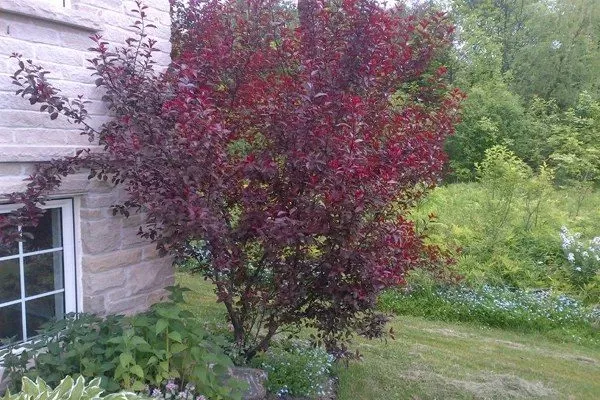
It is an ornamental species, performing two functions at once: decorating the garden and producing a decent harvest.
Distinguishing features:
- The plant is medium-sized, growing up to 4-5 m in height. It has a spreading, drooping crown with sparse gray branches.
- Most of the shoots are straight, bare, and dark red in color.
- The leaves are concave, flat and smooth, with a characteristic reddish tint.
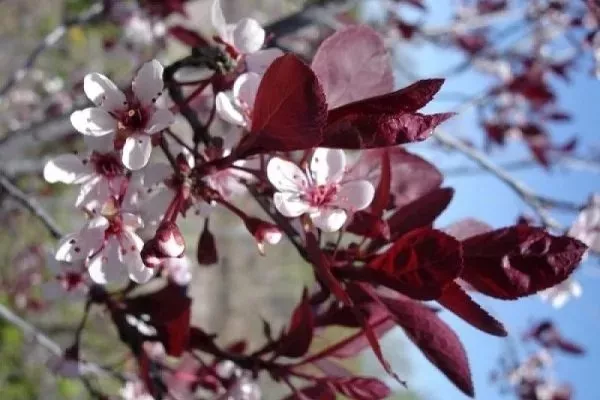
Before fruiting, large flowers appear on the tree in clusters. The petals are white, and flowering begins in early May.
Fruits and their taste characteristics
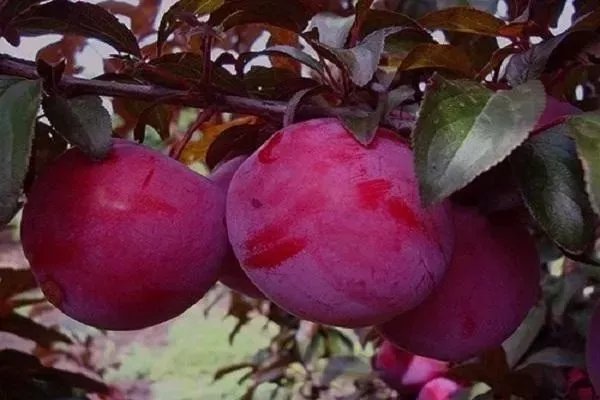
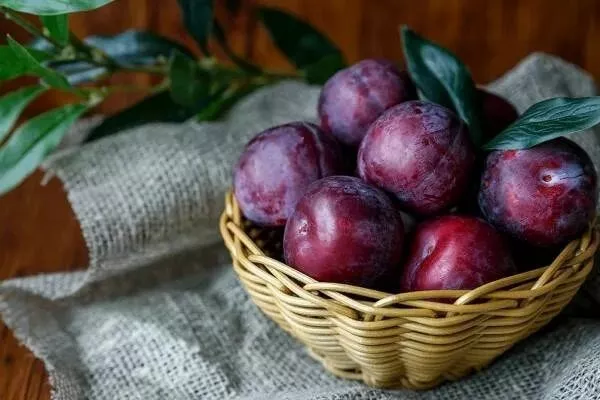
The fruits are large or medium-sized, weighing about 35 g. Features of plums:
- They are oval, uniform in shape and are a rich red-purple colour with a prominent ventral suture.
- The skin is tender, medium-thick, covered with a typical waxy coating.
- The flesh is dense but tender, with a pleasant yellow-pink hue.
- The stone inside is easily separated from the pulp, making the fruit convenient for consumption.
The taste qualities are highly valued: when ripe, the fruits become very sweet.
Drought resistance, frost resistance
The crop is suitable for cultivation in regions up to and including climate zone 5. In colder regions, at temperatures below -29°C, the tree may experience problems.
The plant is sensitive to windy areas, where it can freeze even in relatively mild winters.
It is characterized by good drought resistance, which makes the variety suitable for growing in conditions of limited moisture.
Resistance to soil and climatic conditions
Plums grow best in a sunny location, protected from wind and drafts, with well-drained, breathable, and fertile soil. Sandy loam or loamy soil with a deep water table are considered ideal.
A neutral soil pH is an important factor. Stagnant moisture and prolonged shade negatively impact development.
Flowering and pollinators
Hollywood is partially self-fertile, so without pollinators within 40 meters, the tree will only produce about 20% of its potential yield. For full fruiting, other plum varieties, such as Ussuri or Russian, must be nearby.
The buds are pink and open in the first half of May, usually avoiding recurring frosts. The petals are light pink, and the anthers are tinged with purple.
Yield and ripening time
Harvesting begins as early as the second ten days of August, but fruiting is irregular. This variety is highly productive: with proper care, a single plant can yield up to 23.5 kg of fruit.
Benefits for the body
It's a rich source of vitamins, minerals, and antioxidants. The fruit contains vitamins A, C, and K, which support healthy skin, bones, and the immune system. It also contains important minerals (potassium, magnesium, and iron) that are essential for normal body function:
- Antioxidants help neutralize free radicals and prevent the development of various diseases.
- Dietary fiber promotes digestive health, prevents constipation, and improves intestinal motility. The fruits have a mild laxative effect, which is beneficial for digestive disorders.
- This low-calorie product makes it an excellent choice for those trying to lose weight. Fruits are low in fat and carbohydrates.
- Flavonoids lower blood cholesterol levels and strengthen the cardiovascular system. These substances reduce the risk of developing diseases such as atherosclerosis and hypertension.
Vitamin C helps strengthen the immune system and protect the body from infections. It stimulates the production of collagen, which is important for skin, joints, and bones.
Scope of use
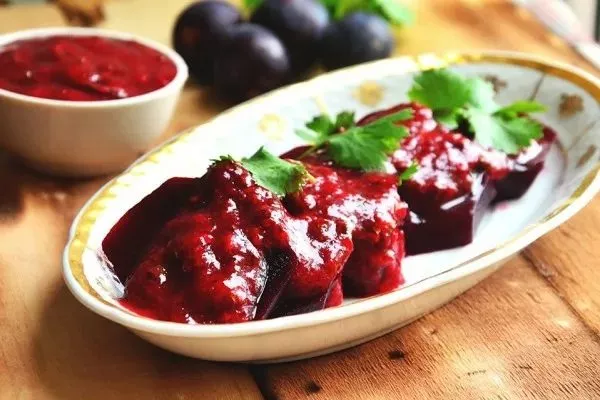
The Hollywood plum is widely used in cooking for making jams, preserves, and compotes. Thanks to its juicy flesh and sweet flavor, this variety is ideal for fruit desserts, pies, and baked goods. It is also used to make sauces and even wine.
Fruiting
This occurs periodically and is directly dependent on climatic conditions and natural disasters. After abundant harvests, a dormant period may occur.
How to plant correctly?
Growing a crop is crucial for its health and productivity. It ensures optimal root development, which facilitates better nutrient and water absorption and increases the tree's resistance to disease and adverse conditions.
Landing site
Choose gently sloping, wind-exposed hills with a southerly orientation for planting. Sunny beds protected from cold air currents by buildings, fences, or large plants are suitable. Grow plum trees in central areas of the garden.
Do not grow crops:
- in lowlands where cold air accumulates;
- without wind protection;
- in areas with a high groundwater level, closer than 1.5-2 m from the surface;
- in shaded areas where young seedlings will lag behind larger trees in growth.
Selecting a seedling
Purchase planting material from nurseries located north of your plot. This will help the plant adapt better, as it will immediately move from less favorable conditions to more comfortable ones.
Avoid purchasing a seedling if it was dug up before leaf fall or after sap has begun to flow. Unacceptable signs:
- the trunk cracks when slightly bent;
- wrinkled or cracked bark;
- roots cut too short;
- signs of rot, spots, cracks or ulcers on any part of the seedling;
- side branches cut into rings;
- poorly fused graft site.
Follow these recommendations:
- The age of container plants does not play a critical role, but only take seedlings with bare roots that are 1-2 years old.
- Ideally, the root should be wrapped in plastic wrap to prevent drying out or treated with a clay slurry. It's important that it's fresh, flexible, and free of blemishes or signs of rot.
The height of the central conductor should be 110-140 cm, the length of the root – 25-30 cm.
Preparing the planting hole
To ensure the soil in the hole settles and the root collar isn't too deep, prepare it in advance. The optimal size is 40x60 cm. Do this in the spring for fall planting, a month before planting. If you plan to grow several trees, use a 4x4 m pattern.
To fill the hole, use a mixture of fertile soil, 20 kg of humus, 60 g of potassium sulfate or 500 g of ash, and 500 g of superphosphate. Mix the ingredients thoroughly, fill the hole, and moisten. Cover with plastic wrap to prevent moisture loss.
Landing
Container plants can be planted at any time, but avoid this in the south during the summer due to high temperatures, as plums need time to acclimate. Plant in spring, fall, or during a two-week period of cloudy or rainy weather.
When planting a bare root seedling, perform the following procedure after leaf fall:
- Remove some of the fertile substrate from the hole.
- Place a peg in the center.
- Carefully straighten the roots and place the plant so that the root collar is 5-6 cm above the edge of the hole.
- Gradually fill the hole with soil and compact it.
- Tie to a stake for support.
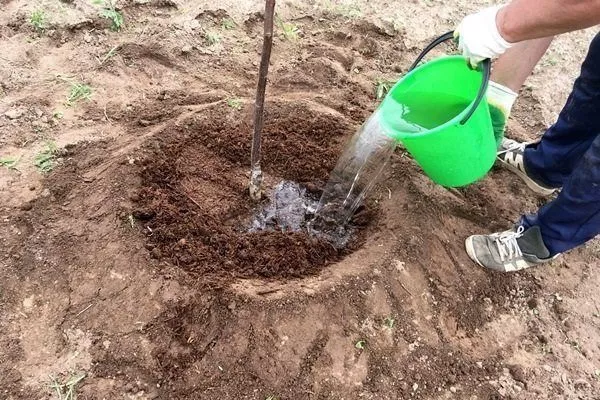
- Water using at least 20 liters of water per root.
- Mulch the surface to retain moisture.

Care tips
Caring for the crop is crucial to ensuring its health and good productivity. Regular agronomic practices help prevent diseases, promote proper crown formation, and improve fruit quality, thereby ensuring a stable and abundant harvest.
Watering
Provide regular watering, especially during dry periods. Avoid overwatering to prevent root rot.
The frequency of watering depends on weather conditions and soil moisture. Water only when the top 2-3 cm of soil is dry.
Fertilizer
Fertilize twice a year: in spring and fall. In spring, use nitrogen-rich fertilizers to stimulate plant growth, and in fall, use high-potassium fertilizers to prepare for winter.
Trimming
This procedure is important for shaping the crown and removing damaged or diseased branches. Prune during the plant's dormant period, before the beginning of the growing season. When pruning, remove no more than 1/3 of the branch length.
Diseases and pests, methods of control and prevention
Hollywood can be susceptible to various insects and diseases, including mole crickets, aphids, and moniliosis. Although problems are rare, don't neglect preventative measures.
Whitewash the trunk, treat it with solutions to protect against problems, carry out sanitary pruning and keep the trunk circle clean.
Harvesting and storage
Harvest the plums in midsummer. Pick the fruits when they turn a vibrant purple-red color and easily detach from the tree. Store the plums in a cool, dry place to preserve their freshness and flavor.
Positive and negative qualities
Before growing a variety, carefully consider its advantages and disadvantages. This variety has many advantages:
Among the disadvantages, some gardeners note:
Reviews
The Hollywood plum is the best choice for those looking to grow a tree that produces high-quality fruit. Thanks to its disease resistance and relatively simple growing conditions, it continues to gain popularity among Russian gardeners. With proper care, you can appreciate all the qualities of this variety and reap bountiful harvests.