
The German plum will delight you with its delicious and aromatic fruits. It boasts many positive qualities, including excellent shelf life and the ability to be transported over long distances. Proper care and attention will ensure bountiful harvests.
Selection
This variety was developed by Swedish breeders. It was created by crossing two other varieties: Car and Rusch Gerstätter. It belongs to the category of domestic plums and has a universal purpose.
Features of wood
This is a medium-sized plant with an oval crown. Distinguishing characteristics:
- Branches – grey and writhing.
- Escapes – strong, of medium length and thickness, colored grey-brown.
- Leaves - medium-sized, obovate, with a corrugated texture: dark green on top and light green on the underside.
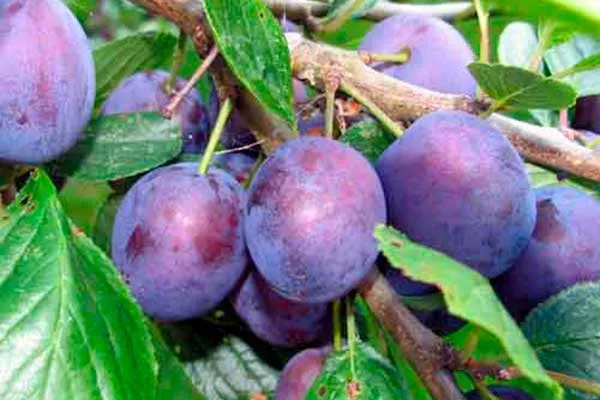
During flowering, the tree is covered with small white flowers.
Varietal characteristics of fruits and taste
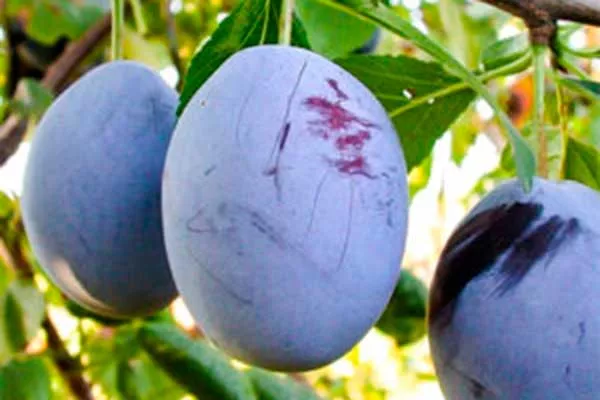
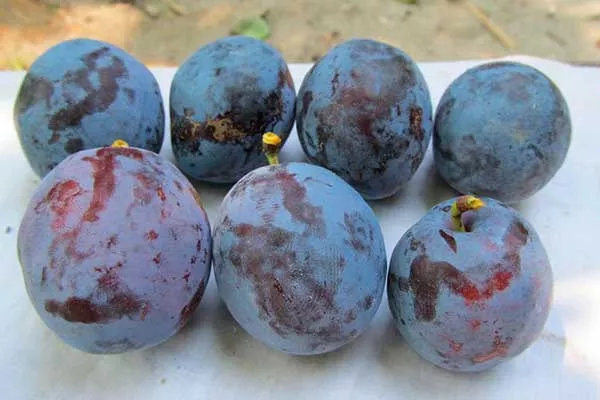
The fruits are oval-shaped and burgundy in color. The ventral suture is barely visible. The skin is thick, and the flesh is yellow, juicy, and firm. The flavor is sweet with a slight tartness. The stone is moderate in size and separates easily from the flesh.
Winter hardiness
The plant is relatively frost-resistant, but exhibits average heat tolerance. To protect the tree from adverse weather conditions, it is recommended to use special materials.
Ripening time and productivity
This early-ripening variety begins bearing fruit in the second year after planting one-year-old seedlings. Fruiting begins between July 5th and 10th. This variety is characterized by high yields—a single plant yields approximately 30 kg of fruit.
Self-fertility and pollinators
The German plum is partially self-fertile, so pollinators are essential for a good harvest. Optimal neighbors for this variety include Čačakska Lepotika, Erli Blue, Amers, and Opal.
Use and storage of plum fruits Herman
The fruits are suitable for both fresh consumption and for making compotes, preserves, jellies, and other preserves. They also make delicious and healthy juices and liqueurs.
Care and cultivation
Herman prefers sunny, well-lit areas protected from strong winds. The soil should be light, well-drained, and fertile.
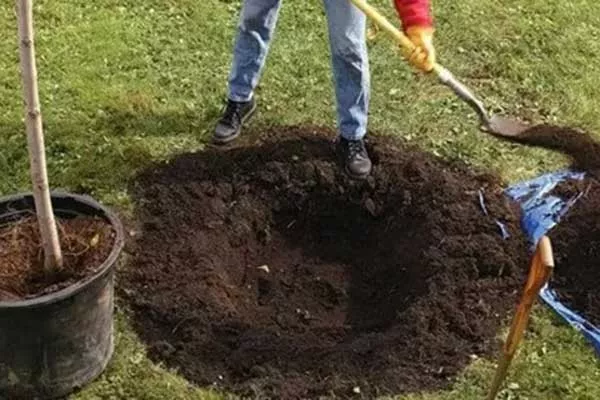
Follow these recommendations:
- Dig a hole measuring 60x60 cm and 50 cm deep. Place compost or humus, mineral fertilizers (for example, superphosphate and potassium supplements) at the bottom of the hole.
- Plant seedlings in spring (April-May) or fall (September-October). Carefully spread the plant's roots in the hole, then cover with soil. Make sure the root collar is level with the soil surface.
- Water the seedling generously.
Provide proper care for your crop to increase yields. Follow these simple agricultural practices:
- Mature trees require watering in dry weather, approximately every 2-3 weeks. Apply water at the roots, avoiding drips on the leaves.
- Feed your plums in the spring using complex mineral fertilizers and organic fertilizers (humus, compost). During the fruiting period, apply potassium-rich fertilizers to improve fruit quality.
- To protect against frost, mulch the soil around the trunk with peat or sawdust. Cover young trees with agrofibre or special protective materials.
The German plum has good resistance to most diseases and pests, but with improper care and unfavorable conditions, problems may arise:
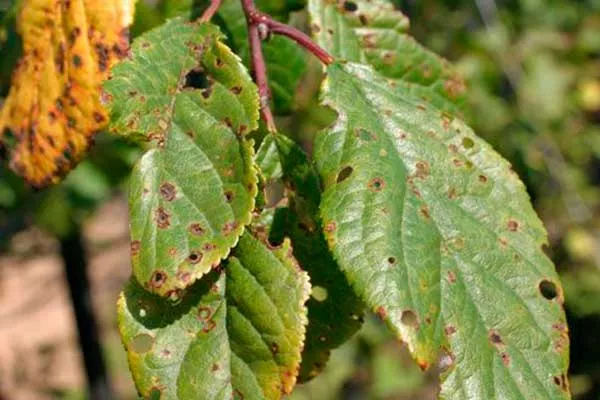
- Clasterosporium (shot hole spot). It appears as brown spots on the leaves, which then develop into holes. The bark and fruit may also be affected. Spray with Bordeaux mixture (3% before bud break and 1% during the growing season). Remove and burn infected plant parts.

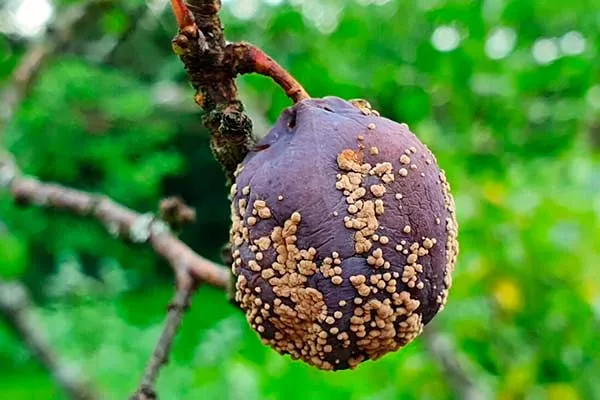
- Moniliosis (fruit rot). The fruits become covered with a gray coating and begin to rot. Brown spots may appear on branches and leaves. Prune and destroy infected branches. For prevention, use copper-based products (Bordeaux mixture, HOM). Apply in the spring before and after flowering.
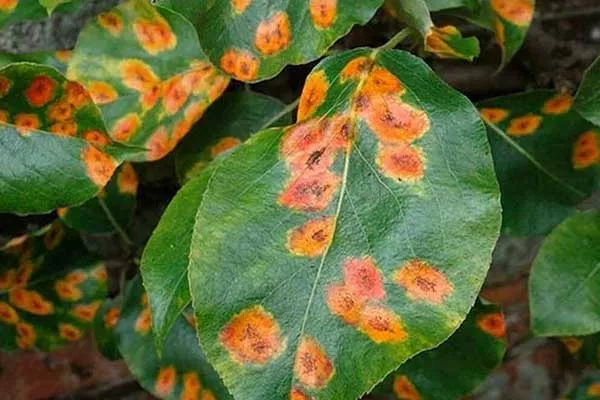
- Rust. This is accompanied by orange-brown spots on the leaves, which enlarge over time, leading to leaf drop. Use Topaz fungicide in the spring and after harvest.
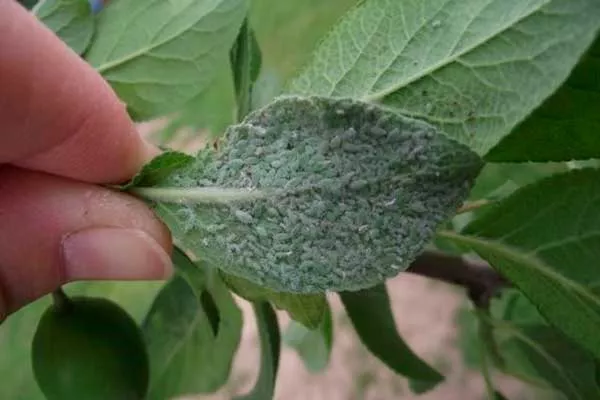
- Aphid. Leaves curl, shoots become deformed, and a sticky coating appears on the plant. Inspect the trees regularly and apply insecticides such as Actellic or Fufanon at the first sign of aphids. Garlic or tobacco infusions are also effective for spraying.
- Plum codling moth. It leaves wormholes in plums, causing them to fall prematurely. Remove and destroy fallen plums promptly. Spray with insecticides such as Karbofos and Actellic before and after flowering. Pheromone traps can also help reduce pest numbers.
- Spider mite. Yellow spots appear, which eventually merge, causing the leaves to dry out and fall off. A fine web is visible on the plant. At the first sign of damage, treat the plant with acaricides such as Actellic or Fitoverm.
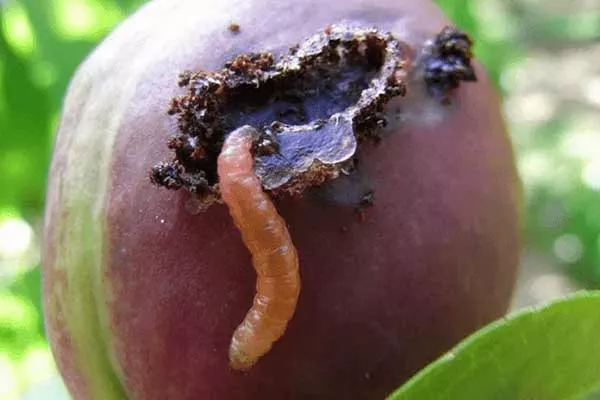
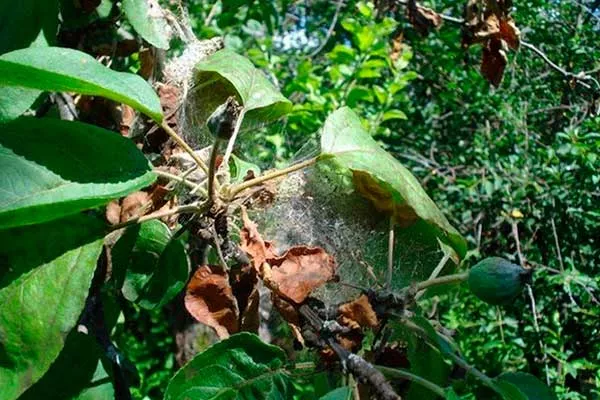
Timely preventative measures and proper care will help maintain the health of the German plum and ensure its abundant fruiting.
Features of pruning
Perform formative pruning in the first 2-3 years to shape the crown. Subsequently, perform sanitary pruning, removing damaged and old branches. This improves air circulation and light penetration.
Positive and negative qualities
Like any plum variety, Herman has its advantages and disadvantages. The crop boasts numerous benefits:
- ✓ The fruits have high transportability due to their dense skin.
- ✓ The variety exhibits early fruiting, which is rare for domestic plums.
Among the variety's shortcomings, some gardeners note the small size of the plums and low frost resistance.
Reviews
The German plum is a variety that has gained popularity due to its high productivity and excellent fruit flavor. This variety combines disease resistance and excellent characteristics, making it attractive for both gardens and commercial orchards. Proper care is essential for achieving consistent and abundant harvests.