
The Fortuna plum is one of the most attractive varieties, combining good productivity, frost resistance, and excellent flavor. This cultivar quickly gained popularity thanks to its compact form, making it ideal for small plots. With proper and timely care, it will yield regular, bountiful harvests.
Origin of the Fortuna plum variety
Developed in the United States at the University of Minnesota, it was obtained by crossing the Opata and Sapporo varieties. The breeders' primary goal was to develop a compact tree with high yields and excellent flavor. This goal was successfully achieved.
Introduction to the variety
Fortuna stands out for its unique characteristics and attracts the attention of both novice and experienced gardeners. Before growing this plant in your garden, it's important to carefully study its positive qualities and characteristics.
Characteristics of the appearance of the tree and fruits
It grows to 1.5-2 m in height. It has a compact size and a narrow, upright habit. Its weak branching improves light exposure and fruiting. Other distinctive qualities:
- The slender branches are covered with medium-sized, elongated-oval leaves. They have a glossy surface and are dark green in color. In autumn, they turn bright yellow.
- White with a slight pink tint, collected in inflorescences of 2-3 pieces, bloom in late April - early May.
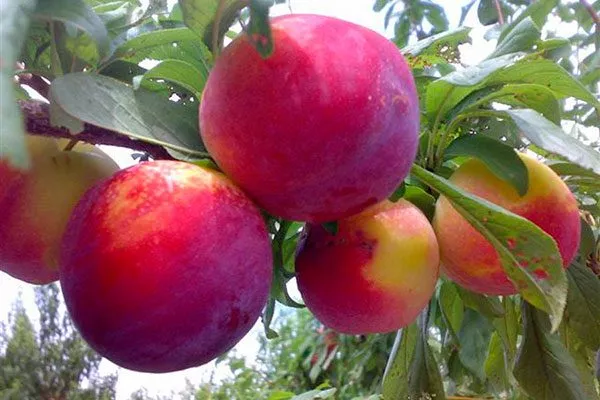
- The fruits are large, weighing 50-70 g, round with a pointed end, smooth, covered with a waxy coating.
- ✓ The leaves are elongated-oval in shape with a shiny surface, turning bright yellow in autumn.
- ✓ The fruits are large, weighing 50-70 g, with bright pink skin with a purple tint and a waxy coating.
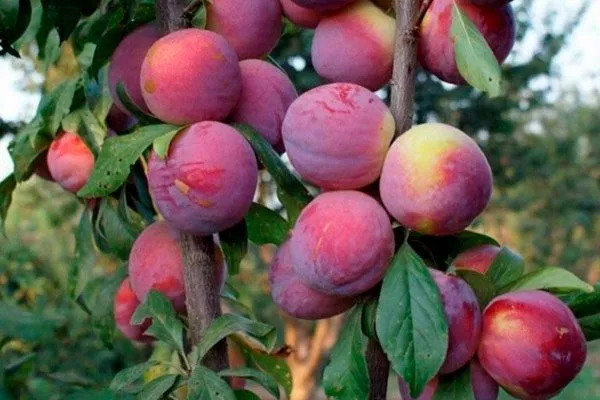
The skin is bright pink with a purple tint.
Taste qualities, purpose
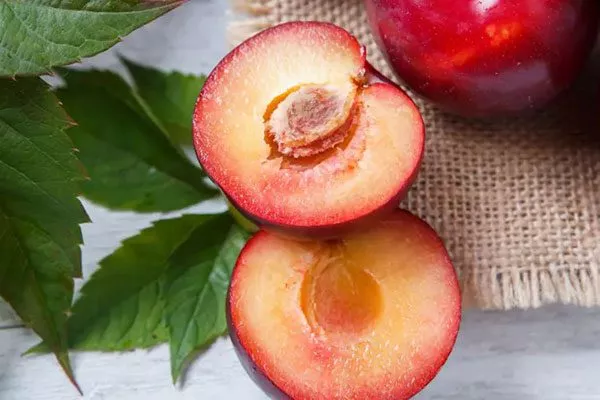
The flesh is juicy and tender, greenish-yellow in color. The flavor is pleasant, sweet, with a slight tartness. The aroma is rich and fruity. The pit separates easily.
The fruits are used to make jams, preserves, compotes, and other preserves. They are well suited for freezing. Thanks to their dense flesh and good shelf life, they withstand transportation well and have a long shelf life, making this variety popular for commercial purposes.
Beneficial properties
Eating plums helps strengthen the immune system and improve the condition of skin and hair. The minerals they contain support cardiovascular health and normalize blood pressure.
Composition and caloric content
Plums are rich in vitamins C, A, E, and B vitamins. Minerals include potassium, magnesium, phosphorus, calcium, and iron, making this fruit beneficial for overall health.
Plum contains:
- Squirrels: 0.8 g
- Fats: 0.3 g.
- Carbohydrates: 11 y.
- Dietary fiber (cellulose): about 1.5-2 g.
- Water: about 86-88%.
Fruits have a low calorie content of 45-50 kcal per 100 g. They are considered a good option for dietary nutrition.
Frost resistance
This crop is successfully grown in central Russia. It can withstand temperatures as low as -32°C without significant damage. Thanks to its short growing season, this variety ripens faster than others.
Pollination and pollinators
Fortuna is a self-pollinating variety, so it doesn't require other nearby pollinator trees to produce fruit. It can self-pollinate, ensuring consistent fruiting even when planted alone.
Yield of the variety
This variety has a high productivity rate. Gardeners can obtain 18 kg or more of fruit from a single plant.
Storage rules
It's important to adhere to certain requirements to ensure the harvest retains its marketable appearance and flavor. Follow these recommendations:
- Store fruit at 0-4°C. This will help slow down the ripening process and extend its freshness.
- Maintain moderate humidity to prevent fruit from drying out. Avoid overwatering, which can lead to rot.
- Place plums in plastic containers or boxes, lined with paper to prevent mechanical damage.
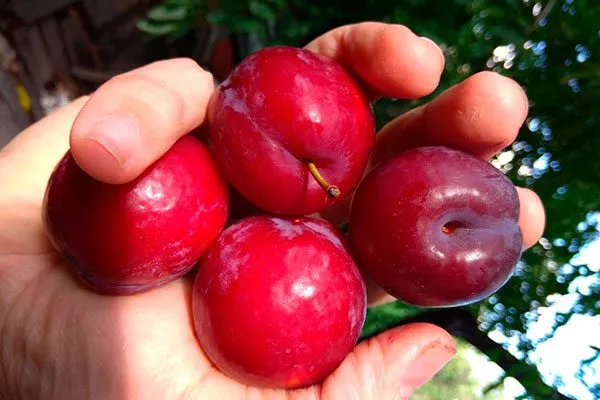
Select only whole, undamaged, and ripe specimens in advance. Make sure they are free of rot or blemishes. Regularly inspect stored fruit for signs of spoilage. If you follow these guidelines, your harvest will last for several weeks.
Ripening time
Plum trees begin bearing fruit as early as 2-3 years after planting. The fruits are ready for harvesting as early as mid-July, and the harvesting period continues until early August.
Planting and caring for the Fortuna plum
The crop is prized for its high yield and excellent flavor. To obtain high-quality fruit, it's important to properly cultivate the seedlings and ensure proper agricultural practices.
Choosing a suitable landing site
The plant requires ample sunlight for full growth and fruit formation, so choose an open, well-lit location. Ensure good drainage. Avoid areas with a high water table, as this can lead to root rot.
Preparing the soil and selecting seedlings
Fertile, well-drained soil with a neutral or slightly acidic pH is preferred. Before planting, test the soil and, if necessary, amend it with organic fertilizer or compost.
Selecting high-quality seedlings is crucial. Purchase seedlings from specialized nurseries or reputable sellers. When purchasing, pay attention to the following:
- The optimal age is 2-3 years, since during this period the plant has good vitality.
- The root system must be developed, without signs of rot or damage.
- There are no spots or damage on the leaves.
- The plant should be proportional with uniform branching density.
A closed root system reduces the risk of root damage during transplantation and promotes better engraftment.
Planting recommendations
Prepare the hole in advance. The optimal size is 60x80 cm. Then follow the instructions:
- Add a mixture of compost and humus to the bottom of the hole. Cover it with a layer of soil to prevent the seedling's roots from directly touching the fertilizer.
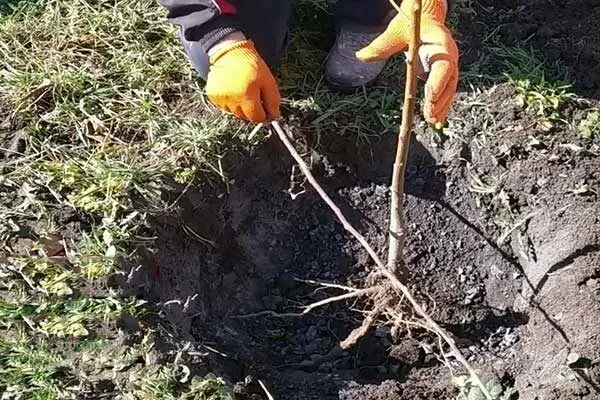
- Place the seedling in the hole so that the root collar is 4-5 cm above the soil level. Carefully spread the roots and cover them with the prepared soil mixture, compacting them lightly.
- Dig a trench around the trunk and water it generously (20-30 l).
- Mulch the tree trunk area with humus or peat to retain moisture and prevent weed growth.
- ✓ The optimal planting depth for a seedling should be such that the root collar is 4-5 cm above the soil level, which will prevent it from rotting.
- ✓ The distance between seedlings should be at least 2.5-3 meters to ensure sufficient space for the growth of the root system and crown.
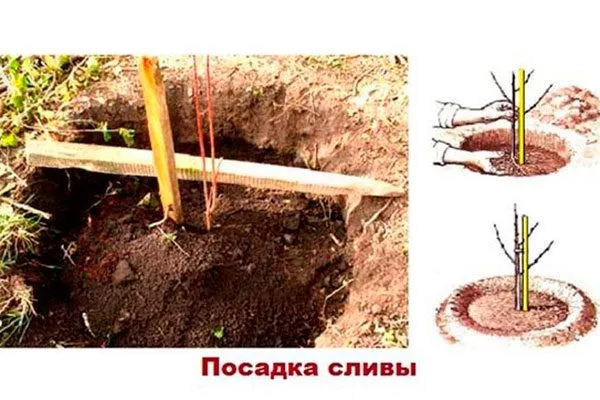
If necessary, install a stake next to the seedling for support and tie the tree with soft rope to protect it from winds and help it grow properly.
Care instructions
For strong immunity, abundant fruiting, and a good harvest, it's important to take care of your crop. Follow these simple agricultural practices:
- Keep the soil moist during active growth and fruit ripening, especially during dry periods. Apply water to the roots, avoiding contact with the leaves, to prevent fungal diseases.
- Use compost or humus – apply it in spring and fall. At the beginning of the growing season, apply a complex fertilizer containing nitrogen, phosphorus, and potassium. Repeat fertilizing after 4-6 weeks.
- Prune the tree in spring, removing damaged, diseased, and crossing branches. This promotes better ventilation and light. Regularly remove old side shoots to encourage new growth.
- Regularly inspect the plant for diseases and pests. Apply fungicides and insecticides at the first sign of damage.
- Remove fallen leaves and fruit to prevent the spread of infections.
- Mulch the soil around the trunk using organic materials to retain moisture and prevent weed growth. Mulch decomposes over time and improves the soil's composition.
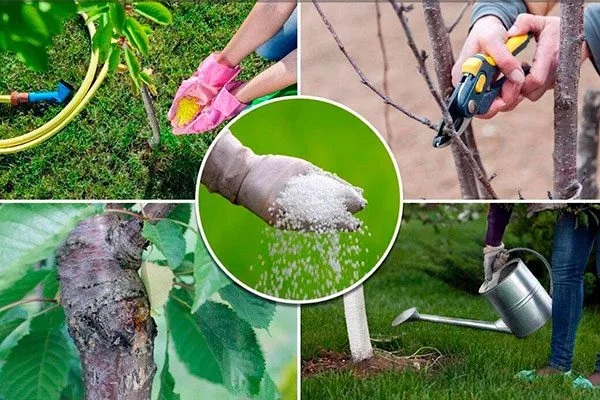
Cover young seedlings for the winter to protect them from frost. Use non-woven materials or pine branches. Whitewash the trunk to prevent sunburn and rodent damage.
Diseases and pests
The crop can be susceptible to various diseases and pests. This negatively impacts the yield and health of the tree. Knowing the main problems and how to combat them will help maintain health and ensure a good harvest.
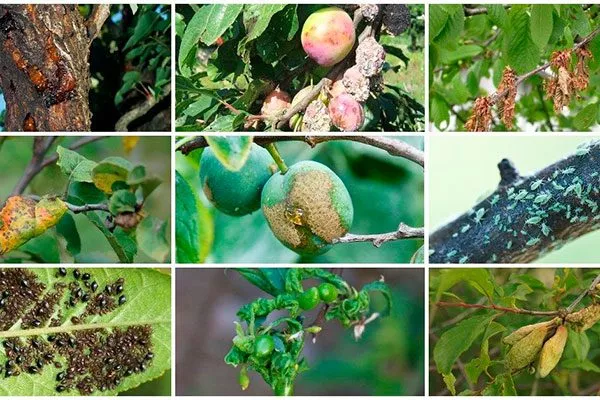
Below is a table with possible difficulties:
| Disease/Pest | Symptoms/Signs | Treatment |
| Moniliosis (monilial rot) | It manifests itself as wilting of flowers and fruits, which become covered with brown spots. | Treat with HOM or Topaz fungicides during the flowering period and after harvesting. |
| Cladosporiosis (leaf spot) | It appears as brown spots on the leaves, which dry out and fall off. | Use copper-containing products, such as Bordeaux mixture. Maintain a proper watering schedule. |
| Scab | Causes spots on fruits and green matter. | Fungicides Skor or Zaslon will help to cope with the disease. |
| Plum codling moth | It attacks fruits, penetrating inside and causing rotting. | Insecticides such as Actellic or Karbofos will help combat the problem. Be sure to carry out preventative treatments before flowering and after harvest. |
| Aphid | Insects feed on the sap of leaves, which can lead to their wilting. | Use systemic insecticides, such as Confidor, or folk remedies such as a soap solution. |
| Spider mite | It covers the plant with a thin web, causing the leaves to turn yellow and wither. | Spray the crop with acaricides Fitoverm or Actellik. |
Advantages and disadvantages
Before growing a variety, be sure to familiarize yourself with its positive and negative qualities to avoid potential problems in the future. Fortuna has many advantages:
Reviews
The Fortuna plum is an excellent choice for both beginner and experienced gardeners. Its unrivaled flavor, good productivity, and disease resistance make it ideal for fruit lovers. With proper care and adherence to agricultural guidelines, it will produce high-quality fruit.