
The Formosa plum is an old American diploid variety. It was developed at the beginning of the last century, but it remains popular not only in America but also in Russia. This plum is loved for its stunning pink color, pleasant flavor, and ease of cultivation.
The History of the Formosa Plum
The Formosa plum was developed by American botanist and breeder Luther Burbank in the early 20th century. This diploid variety (a variety with a modified gene structure) was first introduced to the public in 1907 by Fancher Creek Nursery in Fresno, California.
Description of the tree and fruits
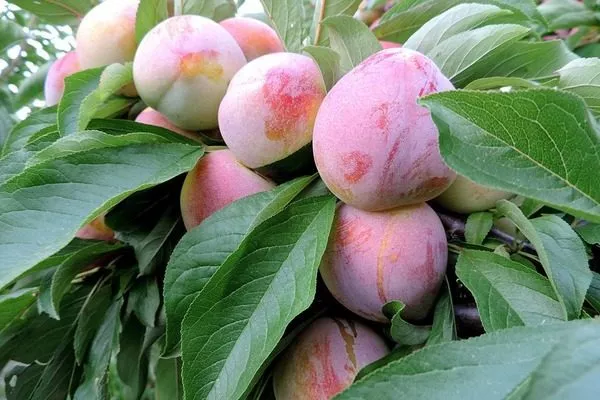
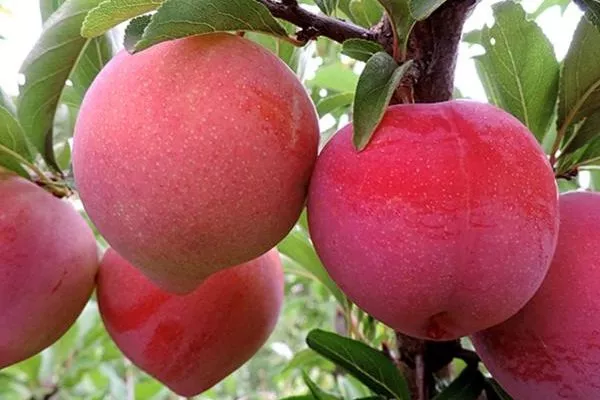
The Formosa plum tree is medium-sized, reaching 3-4 m in height. Its crown is compact and dense, with a rounded shape. The fruits are quite large, weighing 80-100 g. The plums are oval in shape, slightly pointed, and asymmetrical specimens can be found.
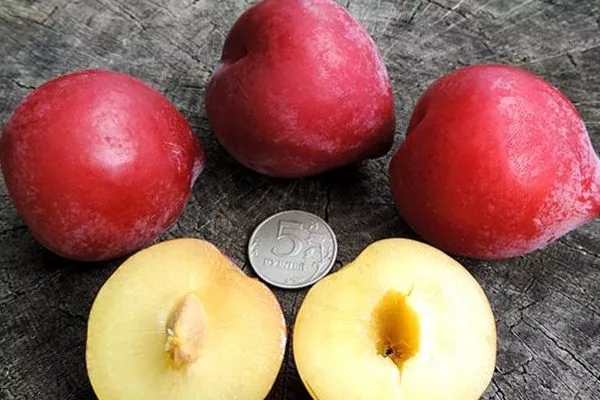
The ripe fruit is initially pink, then raspberry-purple, with the skin covered in numerous light spots and a thick waxy coating. The flesh is juicy and deep yellow. The pit is very difficult to remove.
Taste and purpose
The fruits are very tasty and aromatic, with virtually no sourness. The aftertaste has distinct apricot notes. This variety is primarily intended for fresh consumption, but can also be used for various processing purposes. Tasting score: 4.9-5.
Main characteristics
The Formosa plum tree begins bearing fruit three to four years after planting. This diploid plum is a mid-season variety. The first fruits ripen in the south of the country in the first half of August. Yields reach up to 30 kg per tree. The Formosa variety is highly resistant to frost and fungal diseases and is not susceptible to leaf spot.
Pros and cons
The Formosa plum has many advantages that have long been appreciated by farmers and gardeners. Before planting this American variety in your garden, it's helpful to familiarize yourself with all its advantages and disadvantages.
Advantages of culture:
The main disadvantage of the variety is the need for pollinators.
How to plant a plum tree correctly?
The American Formosa variety, like other plums, prefers sunny, well-lit sites on all sides. The planting site should be free of drafts and cold winds, and young seedlings should definitely avoid shade.
- ✓ The soil pH level should be strictly within 6.0-7.0 for optimal growth of Formosa plum.
- ✓ The groundwater depth must be at least 1.5 m to avoid root rot.
Landing features:
- Saplings can be planted in spring or fall, but in northern latitudes, only the former option is suitable. Fall planting is too risky for regions with harsh winters; even under cover, young seedlings struggle to survive their first winter in temperatures down to -40 degrees Celsius.
- The Formosa variety has no specific soil requirements, other than loose, nutritious soil with a neutral pH. To achieve this, the plot is dug in the fall and the necessary fertilizers are added. Sand is added to clay soil, and wood ash is added to acidic soil.
- Formosa plums should not be planted in low-lying areas where rain and meltwater collect. Groundwater should not be too close to the soil surface; its maximum height is 1.5 m.
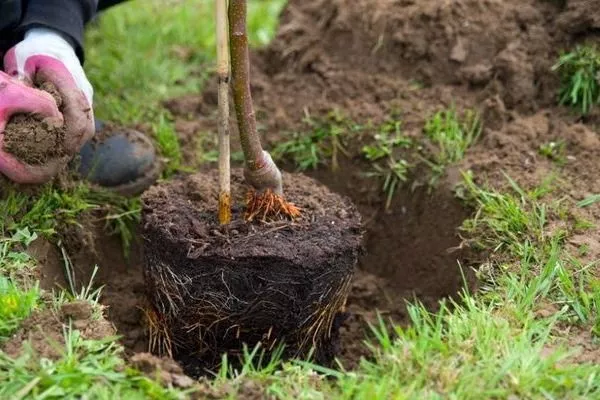
- The hole is dug a few weeks before planting, allowing the soil to settle and the nutrient mixture to mature. The hole size depends on the size of the root system; the minimum depth is 50 cm, with an average depth of 60-70 cm. The width of the planting hole is 70-80 cm.
The seedling is planted according to standard technology, first dipping its roots in a clay slurry. The tree is planted so that the root collar is above ground level, then tied to a pre-installed support and watered generously with settled, sun-warmed water.
Subtleties of care
The Formosa plum requires some care to grow and bear fruit. It's not complicated, but it should be done regularly.
Care features:
- The tree is watered regularly, especially during periods of drought and when the fruit is ripening. A young tree requires 50 liters of water, while a mature tree requires 100 liters.
- Pruning is carried out in spring and fall, removing dry, weak, broken, inward-growing, and damaged branches. In spring, the crown is also shaped, making it more compact and easier to maintain.
- Fertilizer is applied in the 2nd or 3rd year after planting; initially, the seedling receives sufficient nutrients from the planting hole. Every 3-4 years, add organic matter—10-12 kg of humus or compost per square meter. Nitrogen is added in the spring, and potassium and phosphorus in the fall. The tree also requires potassium salt, superphosphate, and ammonium nitrate; these are applied according to the fertilizing schedule.
- The trunk area is regularly loosened and weeded; it can also be mulched to reduce the amount of watering and weeding.
Diseases and pests
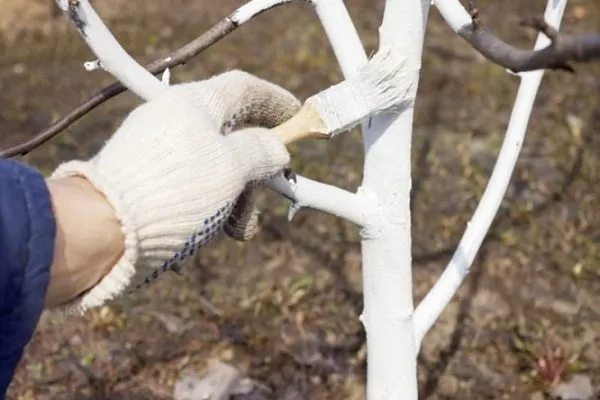
The Formosa plum is highly resistant to diseases and pests. It rarely suffers from fungal diseases and is rarely attacked by insects. Standard preventative measures are sufficient to protect the tree from infection and insect damage, such as whitewashing, cleaning the tree around the trunk, spraying with Bordeaux mixture, etc.
Harvesting
It's recommended to harvest plums when the fruit reaches technical maturity. In the south, the fruit ripens in early August, and in the Black Earth Region, a couple of weeks later. The fruit should be picked carefully, without squeezing or rubbing off any surface coating.
Reviews
The Formosa plum is an old but reliable variety, producing beautiful and delicious fruits suitable for any purpose: they can be eaten, preserved for the winter, or sold. It's definitely a good choice for a summer resident or a beginning gardener—the tree is easy to care for and produces excellent fruit.