
The Purple Plum is one of the most popular varieties, attracting the attention of Russian gardeners with its delicious and beautiful fruit. It boasts many unique characteristics and a strong immune system. It's important to carefully study the characteristics of this cultivar, as well as the planting and growing instructions. Only with proper care will you be able to reap bountiful harvests of high-quality fruit.
How did fruit originate?
Brought out by crossing two other varieties: Victoria and Skorospelka. The authors of the hybrid are Enikeev H.K., Satarova S.N. and Efimov V.A. In 1997, it was officially approved for use.
The appearance of the tree
This medium-sized plant reaches approximately 3 m in height. The crown is dense, broadly rounded, and drooping. The shoots are brown and medium-length. The branches are covered with oval, elongated, green leaves with a matte surface and serrated edges.
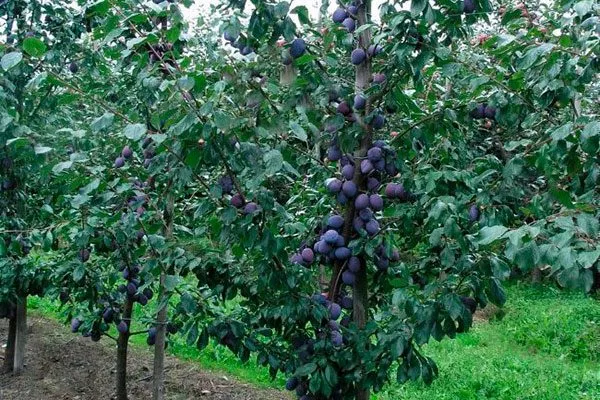
Fruits and their taste characteristics
The fruits are oblong-oval in shape and dark red in color, with a characteristic bluish bloom.
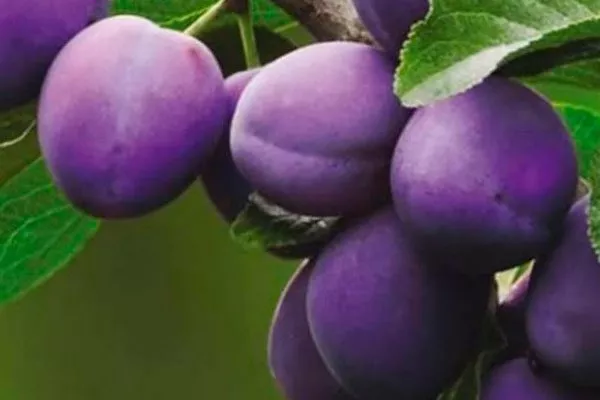
Other features:
- The ventral suture is moderately pronounced, the skin is of medium thickness.
- The flesh is yellow, tender, juicy and sweet.
- The size of the bone is 31 mm.
The chemical composition contains 15.1% dry matter, 9.3% sugar, 1.5% acids, and the vitamin C level reaches 13 mg/%. The tasting score of the variety is 4 points.
Productivity and ripening time
Gardeners begin harvesting fruit as early as August. With proper care, productivity can reach up to 159 centners per hectare.
Self-fertility and pollinators
| Name | Ripening period | Disease resistance | Fruit size |
|---|---|---|---|
| Wonderful | Early | High | Average |
| Greengage | Average | Average | Large |
| Morning | Early | High | Small |
| Altai | Late | Low | Average |
This is a self-pollinating hybrid, making it easy to grow and care for. To increase yields, pollinator varieties are planted nearby. The following varieties are considered the best neighbors: Chudesnaya, Renklod, Utro, and Altayskaya.
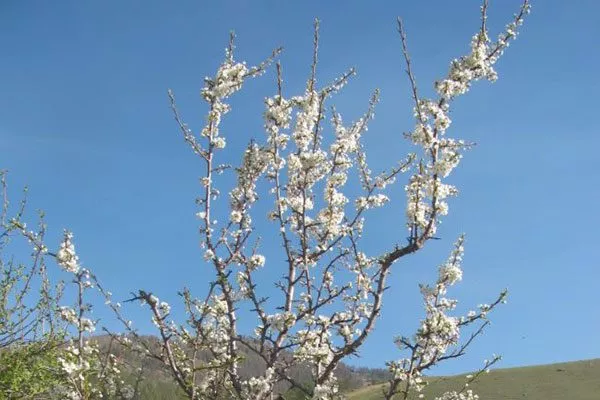
Frost resistance
The crop is characterized by high winter hardiness, but for additional protection from frost, use covering materials or sprinkle the root zone with snow.
Landing
Agronomic practices encompass not only the planting process but also all stages of caring for the growing and developing tree. The key is to properly prepare the site and position the seedling.
Choosing a location
The hybrid requires good light, as a lack of it negatively impacts sugar content and yield. Choose sites near buildings that will protect the trees from drafts without shading them.
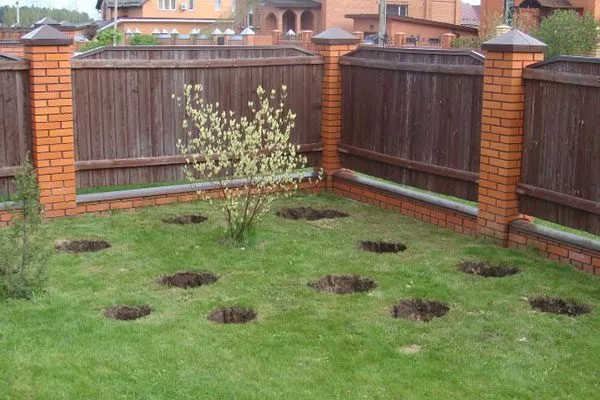
Basic soil requirements
The most suitable soil for plums is light sandy loam or loam. The plant is less fussy about soil than apple or cherry trees, but heavy clay or sandy soils can slow its growth and development. The pH should be neutral—no more than 7.0 pH.
Landing algorithm
Plan to plant bare-root seedlings in the spring, and closed-root ones from spring to mid-October. When purchasing planting material in the spring, prune the branches immediately, but leave the roots alone, as healthy roots ensure the tree's adaptation.
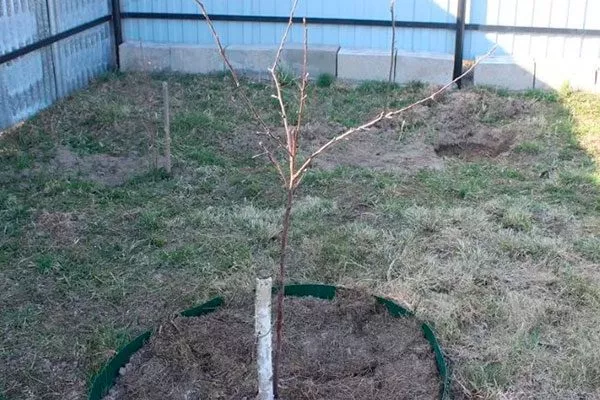
Step-by-step instructions:
- Add fertilizer (potassium sulfate and superphosphate) and organic matter, such as humus or horse manure, to the planting hole.
- Place the tree in the center of the hole – the root collar should be 6-8 cm above the ground level.
- Carefully cover the seedling with soil.
- Water with warm water and mulch the tree trunk circle.
- ✓ The planting hole depth should be at least 60 cm to provide sufficient space for the root system.
- ✓ The distance between seedlings should be 3-4 meters for optimal crown development.
Follow the recommendations to grow a plant with strong immunity.
Basics of care
Caring for plums is key to achieving high yields. Regular cultivation practices not only improve plum quality but also enhance the plant's resistance to diseases and adverse conditions.
Watering
The hybrid prefers moist soil. A watering regimen includes 4-5 sessions per month, with a water volume of approximately 10-15 liters per mature tree. Perform this procedure in the morning or evening.
Increase the frequency of irrigation during the fruit ripening period (June-July), as this is when flower buds form, which will become the basis for next year's harvest. Stop watering at the end of summer (August), but in particularly dry years, continue until the first frost.
Top dressing
In the spring, just before flowering, use urea and potassium sulfate. This excellent fertilizer, high in nitrogen, is suitable for both foliar feeding and for diluted application to the tree trunk.
During fruit formation, apply nitrophoska and urea. After fruiting has completed, potassium sulfate and superphosphate are effective. In late fall and early spring, after the snow melts, apply organic fertilizers. When fertilizing in October, avoid using nitrogen-based fertilizers.
Trimming
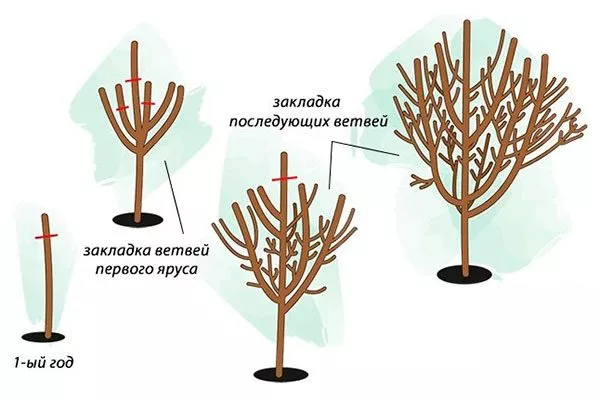
Proper pruning can regulate yield, improve flavor, increase fruit size, and boost plant immunity. A sparse, tiered crown is ideal for this hybrid.
Follow these recommendations:
- After planting, shorten the branches of the seedling by 1/3, which will help form a dense and correct crown.
- Pruning should be done annually in spring.
- Branches that droop excessively (even under the weight of fruit), as well as weak, diseased, and crooked shoots, should be completely trimmed back. It's important to prune no more than a quarter of the total number of branches.
Preparing for winter
The plant has good frost resistance, but requires additional winter cover. Use horse manure for mulching.
Cover the tree trunk with a special material, and non-woven fabric is well suited for this – it protects the trunk from frost and serves as good protection against rodents.
Positive and negative qualities
Before planting a seedling, make sure you've thoroughly researched all the advantages and disadvantages of the variety. It has many advantages:
Among the disadvantages, some gardeners note the need for high-quality soil, possible problems with drought without regular watering, and susceptibility to certain pests.
Reviews
The Purple Plum is an excellent choice for both novice and experienced gardeners. This hybrid boasts sweet and aromatic fruits, excellent productivity, and low maintenance. While it does require some winter hardiness and light, with proper attention and care, it will reward you with a bountiful harvest for many years to come.