
The Elena plum is a productive variety that harmoniously combines appealing flavor with a variety of uses. It is resistant to various diseases. Its cultivation requires little knowledge or difficult conditions, making it ideal for those who want to enjoy fresh, rich fruits right in their own garden.
Peculiarities of origin
There are several options for creating this plum, depending on the variety:
- The third plum variety "born" in Germany, where the Italian Hungarian plum was hybridized with the Stanley plum. The fruits weigh an average of 40 to 50 grams, sometimes reaching 60 grams.
- The second version describes one of the most sought-after plum varieties in Japan, which arose from a cross between two Japanese varieties: Buraku and Matsudairo. Fruit weight typically ranges from 30 to 40 g.
- The very first variety was developed in 1969 in the Nizhny Novgorod region of Russia. This variety is the work of gardener Alexander Mikhailovich Lysenko, whose development began in 1958, and the first fruits grew in 1969.
The variety was named after Alexander Mikhailovich's wife, Elena Lysenko. In 1975, it was officially registered and included in the State Register of Breeding Achievements of Russia. The average fruit weight is 30 to 35 g.
Characteristics and description
Elena is renowned for its resistance to low temperatures. This variety can even withstand severe frosts down to -30 degrees Celsius. To enhance its cold tolerance, it is recommended to feed it with organic matter before wintering and protect the trunk and root system with mulch.
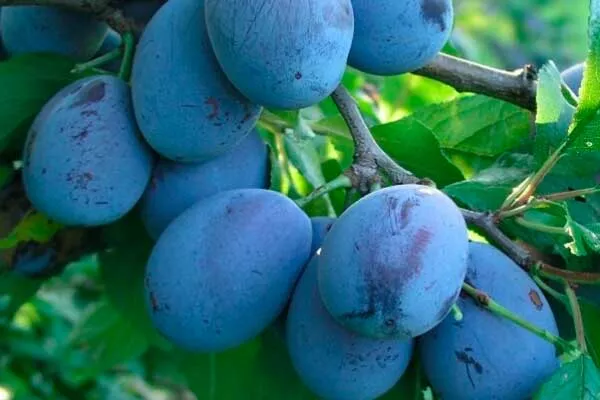
Varietal characteristics:
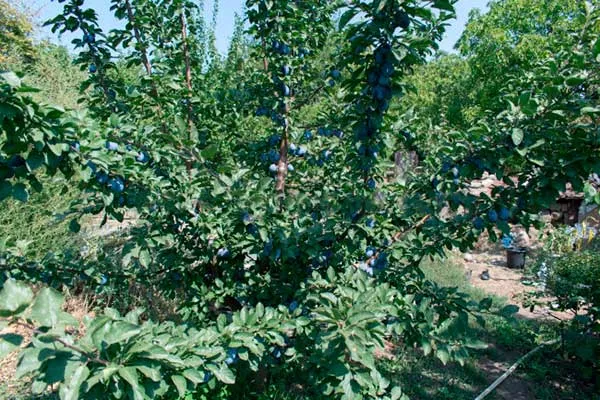
- Elena is a medium-sized variety with a spreading and brightly blooming crown, reaching a height of about 280-320 cm.

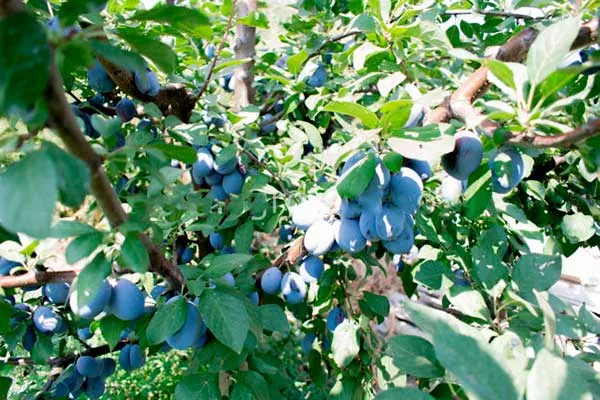
- The leaf blade of this tree is distinguished by its shine and deep green tone.
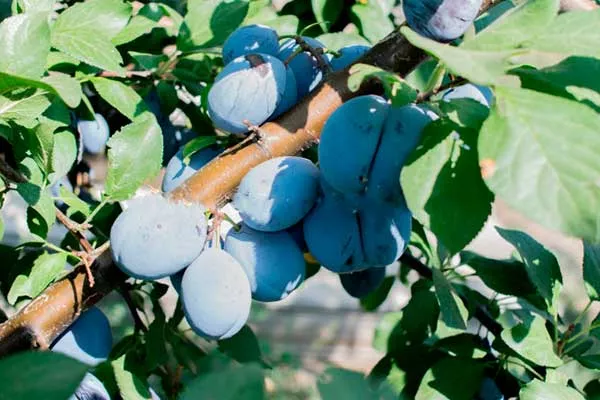
- The Elena variety produces fruits that range from medium to large in size, weighing between 30 and 60 g. They are oval in shape and have a distinctive purple color with a bluish tint.
- It is self-fertile, but to increase the yield it is advisable to plant it next to another self-fertile plum variety.
- Elena stands out for its easy transportability and ability to retain freshness for a long time. This variety is widely used in both commercial and private gardening.
- Plum trees are renowned for their productivity. They begin bearing fruit in the third or fourth year after planting, yielding up to 20-25 kg of fruit per tree.
How to use Elena plum
The Elena plum is an ideal ingredient for a variety of culinary masterpieces. It's added to baking dough to impart a light, fruity flavor. For example, the Elena plum is indispensable for making cakes, chocolate muffins, and fruit tarts. Its slices pair well with pancakes or crepes.
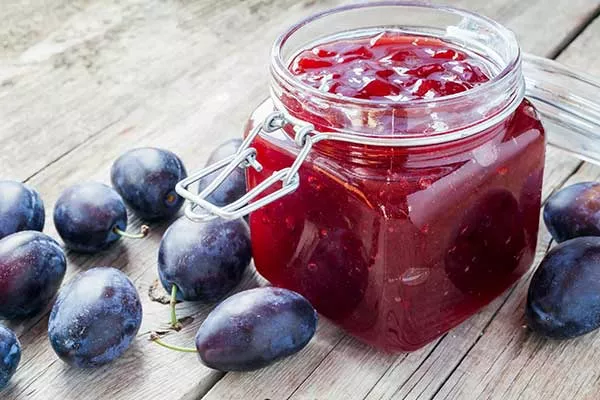
Other methods:
- It's impossible to resist jams and preserves made with Elena plums. Unique flavor combinations can be created with other fruits or berries, creating exquisite flavor combinations. Plum jam is the perfect complement to breakfast with bread or toast.
- The Elena plum can be a key ingredient in sauces and other dishes. Its harmonious combination of sweet and sour flavors is the perfect complement to meat, poultry, or fish dishes. The fruit is also perfect for making yogurt- or cream-based dressings.
- Used to improve health:
- The pulp is rich in fiber, which helps improve gastrointestinal function. It increases intestinal peristalsis, promoting regular bowel movements and preventing constipation.
- The composition is dominated by vitamin C, which strengthens the immune system, acts as an antioxidant, protecting cells from damage by free radicals and reducing the risk of aging and cardiovascular diseases.
- It is considered a valuable source of vitamin K, which is necessary for normal blood clotting, making it important for people with blood flow problems or a tendency to bleed.
- Equally interesting is that plums have a diuretic effect, helping to remove excess water from the body. This is especially valuable for those who suffer from edema or hypertension.
- The pulp contains B vitamins, which strengthen the nervous system and increase the body's energy potential.
Ultimately, the Elena plum is not only delicious but also a very healthy fruit that can be used in various dishes or eaten fresh. Don't ignore its valuable properties and include it regularly in your diet.
Varieties of Elena plum
| Name | Ripening period | Productivity | Disease resistance |
|---|---|---|---|
| Elena-1 | Average | High | High |
| Elena-2 | Late | Average | Average |
| Elena-3 | Early | Very high | High |
The Elena plum range includes several varieties, each with unique characteristics:
- Elena-1. Reaches maturity in mid-season.
- Elena-2. It ripens a little later, but has an excellent aroma.
- Elena-3. It is famous for its early ripening and high productivity.
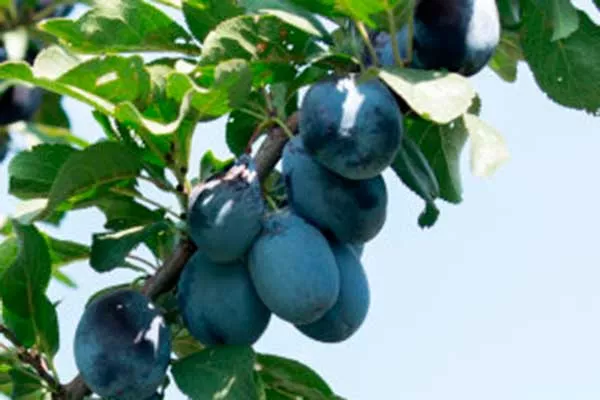
Each Elena plum variety stands out for its excellent fruit quality and flavor. Other characteristics are consistent.
Growing and care
To ensure successful fruiting, plums need to be planted in a location that will receive full sun but be protected from gusty winds and cool drafts. This plum variety thrives in full sun, but can also grow in partial shade.
| Method | Periodicity | Recommended fertilizers |
|---|---|---|
| Spring feeding | Once a year | Compost or humus (5-7 kg per tree) |
| Autumn feeding | Once a year | Potassium and phosphorus fertilizers (according to instructions) |
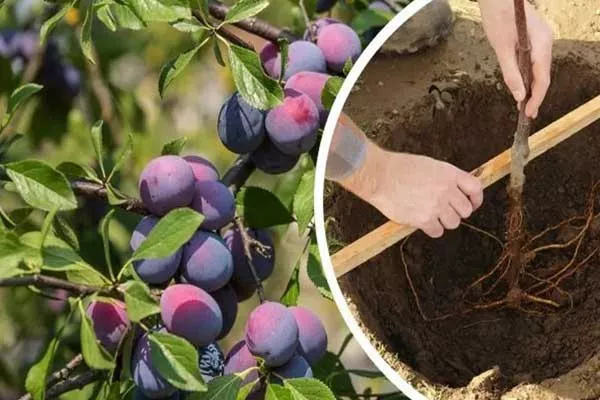
The cultivation technology is standard, but please note the following features:
- It is necessary to pay attention to the quality of the drainage system, since drains do not tolerate stagnant water.
- The seedling should be planted in the fall or spring. It should be buried in the soil to a depth equal to the length of the root shoots to the root collar, around which the soil should be firmly compacted.
- The tree requires care, including regular irrigation. During the first few years after planting, it's important to water the plant generously to ensure rapid establishment and root system development. After that, watering should be adjusted according to the plant's needs.
- During spring and fall, it's advisable to feed plants with organic and mineral nutrients. In dry weather, mulch the tree trunk to retain soil moisture.
- The Elena plum variety can be grown both naturally and as standard trees. Pruning should be done either after harvesting or at the beginning of the spring growth period.
- Harvest plums from July 20th to August 5th. The fruits reach maturity at the same time, allowing for a single harvest.
- The plums should be eaten or processed immediately. If refrigerated at 0-2 degrees Celsius, they will stay fresh for two weeks.
- ✓ The optimal soil pH for the Elena plum should be between 6.0 and 7.0. Checking and adjusting the pH is essential before planting.
- ✓ The distance between trees should be at least 3 meters to ensure sufficient space for the growth of the root system and crown.
Reviews
The Elena plum is an excellent variety for growing in the garden or at home. It not only delights with its taste and aroma but also offers numerous beneficial properties. Thanks to its winter hardiness and high yield, this variety is popular among gardeners and plum lovers.