
Dashenka is the name of a late-ripening plum variety. Many Russian gardeners are unfamiliar with it, but experienced gardeners in harsh climates know it and value it for its excellent cold resistance, hardiness, low maintenance, high yield, and wonderful fruit flavor.
History of selection
This fruit variety is the brainchild of Russian breeder V. Yagunov, who obtained it at the Suzdal variety testing site. The scientist named the variety after his granddaughter. Another name by which gardeners know it is "Vengerka."
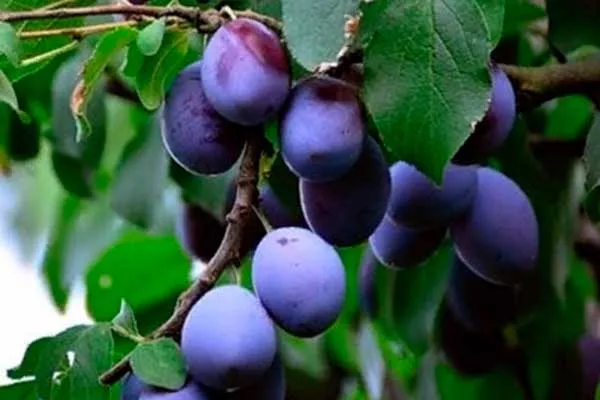
Introduction to the variety
Dashenka was bred specifically for cultivation in harsh climates. It tolerates low temperatures and drought. It can withstand temperatures as low as -25°C and even as low as -35°C. Thanks to its frost resistance, the variety is popular among gardeners in northern regions.
It is successfully grown in the following parts of the country:
- Middle zone;
- Black Earth Region;
- North-West region;
- in Kuban (rarely encountered).
Characteristics of appearance
Trees of this cultivar are quite compact and not very tall, reaching 2.5-3 meters in height. They are ideal for small garden plots.
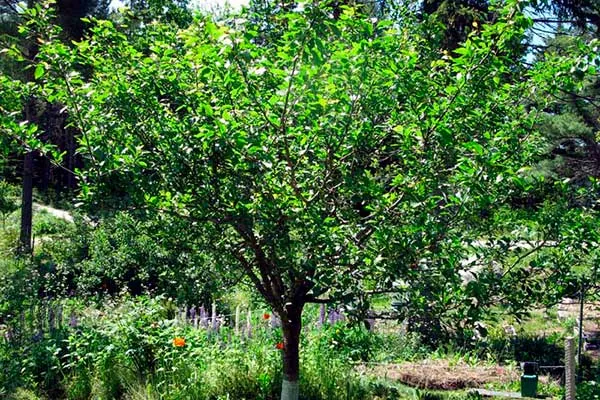
The description of the external characteristics of a fruit crop also includes other indicators:
- lush pyramidal crown, moderately dense, moderately spreading;
- dense gray bark covering the trunk;
- Foliage: dark green, medium-sized, obovate in shape with a pointed tip and smooth edge, glossy on the outside.
Starting in their second year, plum trees begin to bloom in May, producing several clusters of inflorescences. Three-year-old trees bloom fully, transforming themselves with a profusion of delicate flowers on their branches. Fruiting begins in the third year after planting. The plum tree sets fruit on the main shoots.
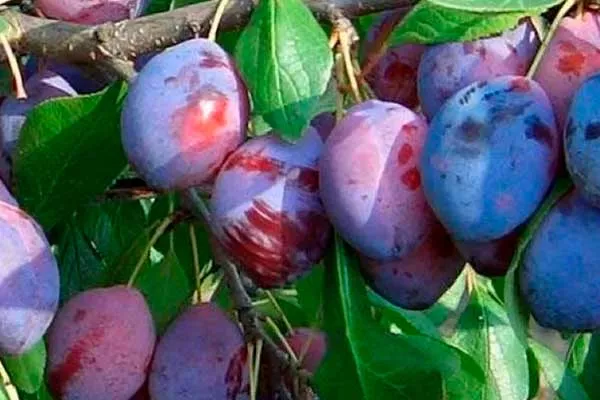
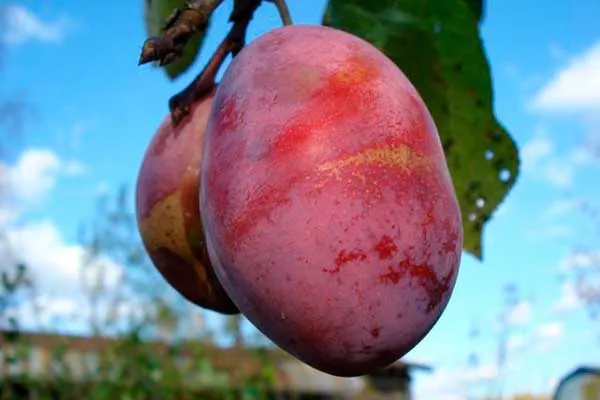
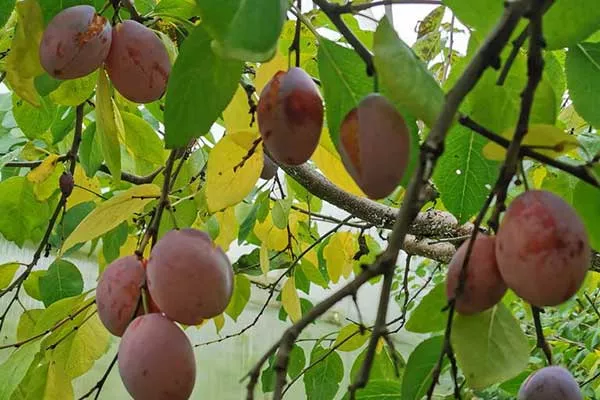
Dashenka's harvest is distinguished by its attractive appearance and excellent consumer qualities. The fruits possess the following characteristics:
- large size;
- weight - 40-50 g;
- elongated oval shape;
- clearly defined abdominal seam;
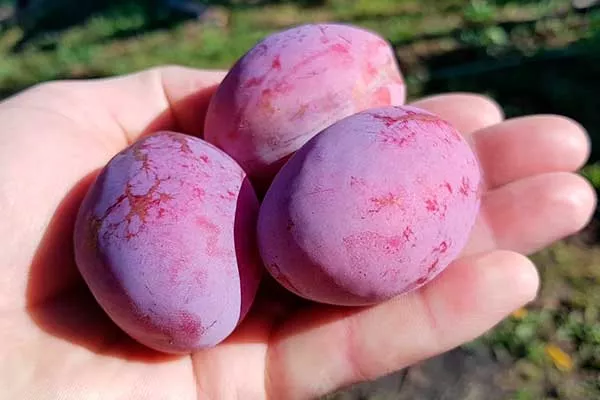
- pinkish-red covering color, partially hidden under a thin layer of bluish-gray waxy coating;
- thin skin of medium density, from under which subcutaneous dots of dark color and small size are clearly visible;
- pulp: orange in color, fleshy, with a fibrous structure, tender, juicy and very aromatic in fully ripe plums;
- a small oval stone that is difficult to separate from the pulp.
Taste qualities, purpose
Dashenka's fruits delight the eater with their refreshing dessert flavor. Their flesh is sweet and sour, not watery, but quite juicy. The variety's tasting score is 4.3-4.5.
The harvest is intended for fresh consumption and home cooking. Housewives use plums in the following ways:
- they cook compote;
- prepare jam, preserves, marmalade, jelly;
- processed into juice and puree for baby food;
- added to sauces such as tkemali and adjika;
- used as a filling for pies, pastries and other confectionery products;
- canned;
- dry;
- They make wine and liqueur.
Beneficial properties
The product has a balanced composition, the content of substances in which is as follows (in 100 g of plum pulp):
- proteins - 0.7 g;
- fats - 0.28 g;
- carbohydrates - 11.4 g;
- water - 9.6 g;
- starch - 0.1 g;
- ash - 0.5 g.
The caloric value is 46 kcal per 100 g of pulp. The Hungarian blue plum is rich in vitamins (C, B, A, E, PP), organic acids, macro- and microelements (potassium, calcium, magnesium, phosphorus, sulfur, chlorine, zinc, iron), as well as fiber (pectin) and flavanols.
By eating the fruit fresh, you will receive many healing effects:
- improve your metabolism and stimulate brain activity thanks to the phosphorus, sulfur, and chlorine contained in the pulp;
- Strengthen your immune system and increase your body's defenses against viruses, and get rid of insomnia thanks to the high content of vitamins C and B;
- strengthen your nervous system, heart, and bone tissue, thanks to the presence of magnesium, potassium, and calcium;
- improve the condition of your skin and hair thanks to the high content of zinc, iron, and vitamin E in plums (tocopherol also helps strengthen the walls of blood vessels);
- Solve the problem of constipation thanks to the abundance of fiber in plum pulp.
Productivity and ripening time
Dashenka is a late-ripening fruit variety. The plums begin to ripen in early September. The harvest is in full swing in the second half of the month. The fruits are resistant to autumn temperature fluctuations. They can be picked even when unripe. They ripen during storage. One tree produces up to 50 kg.
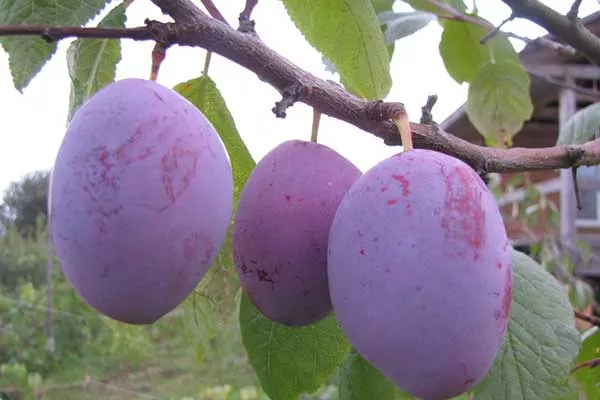
The harvest is characterized by good shelf life. Fruits harvested after September 15th can be stored until November without losing their marketable appearance or flavor. They are transportable, despite the thin skin covering the flesh. They easily withstand long-distance shipping.
Self-fertility and pollinators
| Name | Cold resistance | Drought resistance | Ripening period |
|---|---|---|---|
| Dashenka | High | High | Late |
| Imperial | Average | Average | Average |
| Zarechnaya | High | Low | Early |
| Eurasia | Low | High | Late |
| Peaceful | Average | Average | Average |
| Kuibyshevskaya blackthorn | High | High | Late |
| Early ripening red | Low | Low | Early |
This fruit crop is partially self-fertile. For abundant fruiting, the presence of other plum trees with similar flowering and ripening times is necessary. Gardeners consider the following varieties to be the best pollinators:
- Imperial;
- Zarechnaya;
- Eurasia;
- Peaceful;
- Kuibyshev blackthorn;
- Early ripening red.
Rules and technology for planting varieties
To ensure that the Dashenka seedling you bought from the nursery quickly takes root in your garden and begins to develop properly, and eventually bears fruit abundantly, plant it correctly.
Time and place of landing
Plant blue plums in your garden in the spring after warm weather sets in. The optimal time is mid-April. Daytime temperatures should be at least 17°C.
Set aside a plot of land in your garden for the Dashenka fruit variety that has the following characteristics:
- sunny or in light shade;
- windless, without drafts;
- level or elevated;
- with a groundwater depth of 1.5 m;
- with loose fertile soil of neutral acidity: chernozem, loam, sandy loam.
Soil preparation
Prepare the site for planting the plum tree in advance. Ideally, do this in the fall. Take the following steps:
- dig up the garden soil;
- clear it of weeds and their roots, plant debris and fallen leaves;
- enrich the soil with organic matter to increase its fertility;
- Dilute acidic soil by adding dolomite flour, using from 200 g to 600 g per 1 sq. m depending on the acidity level (the higher it is, the more deoxidizing agent will need to be added).
In October, prepare the planting hole for the Dashenka plum. Dig a hole in the garden soil with the following dimensions:
- depth - 70 cm;
- width - 80 cm.
Selection and preparation of seedlings
Buy a plum tree sapling from a nursery, choosing a strong, two-year-old plant with no signs of disease or defects. It should be 1 m tall. Pay attention to the roots. They should be well developed. Any rotten or damaged parts will need to be carefully trimmed off with a knife.
- ✓ Check the root system for rot and mechanical damage.
- ✓ Make sure that the seedling has at least 3 healthy branches.
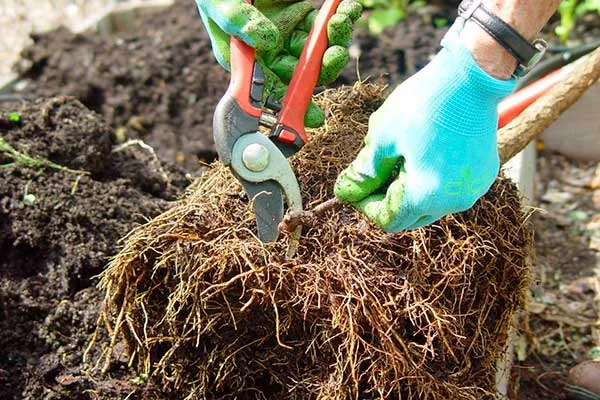
Place the seedling's roots in a bucket of water and leave them overnight. If desired, you can add a rooting stimulant to the water. Plant the tree the next day.
Planting diagram
Plant Hungarian, following the step-by-step instructions:
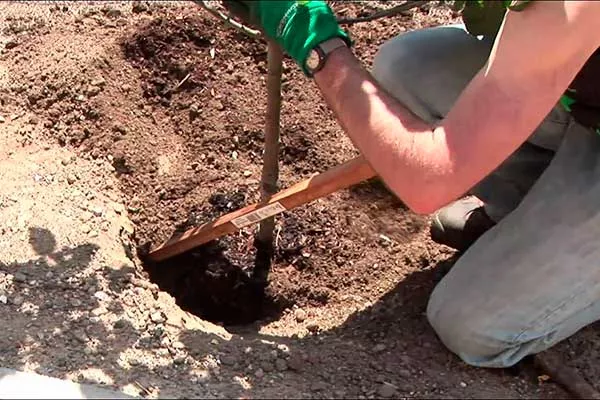
- Drive a wooden stake into the hole next to the mound of potting soil. This will serve as support for the seedling. It should extend 50 cm above the ground.
- Water the hole.
- After the soil has absorbed the water, place the plum tree on the mound and spread out its roots.
- Cover them with soil, compacting it firmly around the trunk.
- Tie the tree to the support.
- Water it. Use at least 10 liters of water per plant.
- Mulch the tree trunk circle with sawdust or non-acidic peat.
- ✓ For the first 2 weeks after planting, water the seedling every 3 days, using 10-15 liters of water.
- ✓ Mulch the tree trunk area to retain moisture and protect against weeds.
If you are planting several seedlings of this variety, follow the scheme:
- the distance between planting holes is 3-4 m;
- distance between rows: 2.5-3 m.
Features of plant care
Provide your plum tree with proper care. Young seedlings especially need this care to develop properly and grow vigorously. If you water, fertilize, prune, and prevent diseases and pests, your fruit tree will reward you with a bountiful harvest.
Crown pruning
Perform the first pruning immediately after planting the Dashenka seedling. Shorten the shoots by a third to promote proper crown formation. Subsequently, perform two prunings annually, in spring and fall.
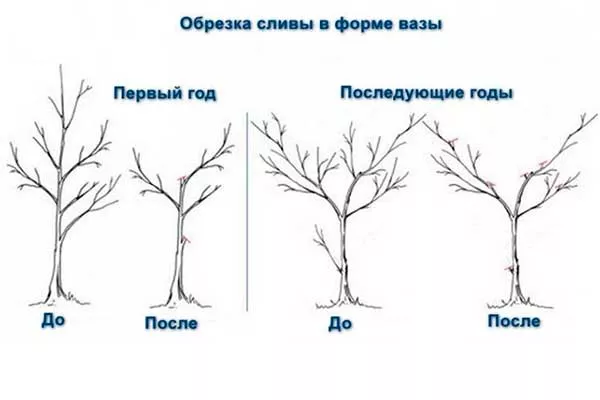
Fruit crops also require formative pruning to give the crown the correct shape, which consists of the following measures:
- removing all shoots except 4-5 main ones in the second year of the tree’s life;
- pruning branches growing on the main shoots not at an acute angle in the next 2 years.
Watering
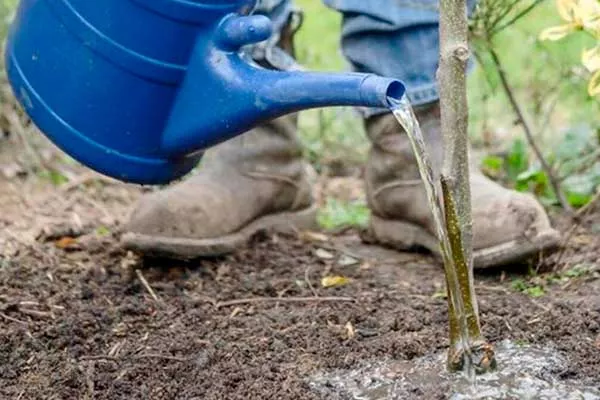
The Hungarian plum tree is moderately demanding when it comes to watering. For the first three years after planting, water it regularly with settled water, following this schedule:
- watering frequency - 2 times a week;
- water consumption rate is 20 liters per plant.
Fertilizers
For the first two years of its life, the Dashenka tree doesn't require any additional feeding. It thrives on the nutrients added to the garden soil when planting. After that, apply fertilizer several times a season, before flowering and after the fruit is harvested in the fall. Alternate organic and mineral fertilizers.
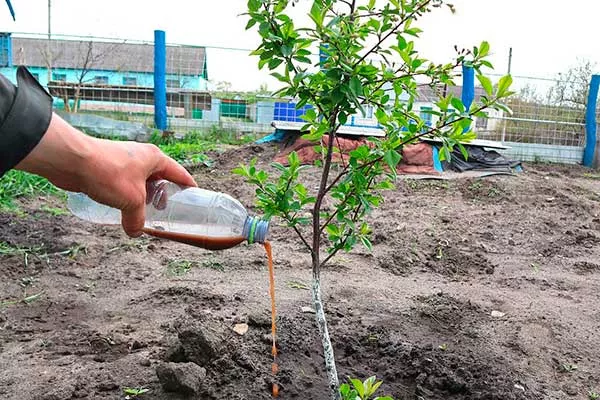
Follow the fertilizing schedule:
- Before the budding phase begins, water a three-year-old seedling with a chicken manure solution. To make it, dissolve 1.5 kg of organic matter in water.
- A four-year-old tree that has already begun to bear fruit should be fed with a mineral fertilizer solution before flowering. To make a nutrient solution, dissolve urea (60 g) and potassium sulfate (60 g) in water (10 l).
- Provide additional fertilizing for plums during the ripening period with a mixture of urea (60 g) and nitrophoska (90 g). This mixture should be dissolved in water (10 l).
- After harvesting, water the plum tree with a nutrient solution containing the following: 90 g of superphosphate, 60 g of potassium sulfate, and 10 liters of water. Use at least 30 liters of liquid fertilizer per plant.
Preparing for winter
This fruit variety is known for its excellent tolerance of low temperatures. Its trees can overwinter without shelter, growing in temperate climates. Buds and flower buds are resistant to frosts of -3°C. However, in areas with little snowfall, there is a risk of root freezing.
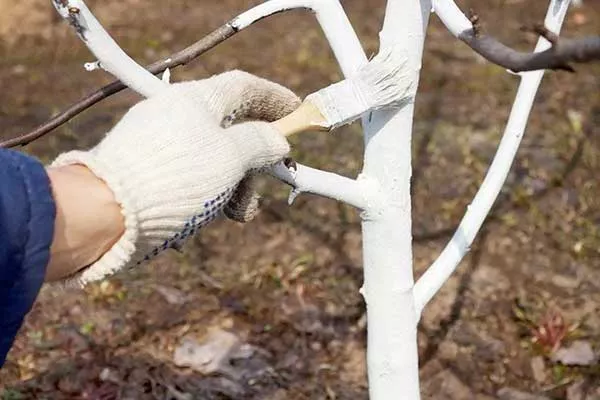
Young trees under three years old and mature plum trees growing in regions with harsh winters require proper preparation for the cold season. You'll need to take the following steps:
- carry out moisture-charging irrigation in the fall;
- whitewash the plum tree trunk;
- wrap it in burlap;
- Insulate the tree trunk circle with a layer of straw, hay or sawdust (its thickness is 10 cm).
How to propagate the Dashenka plum variety?
If you want to breed Hungarian, do it in one of the following ways:
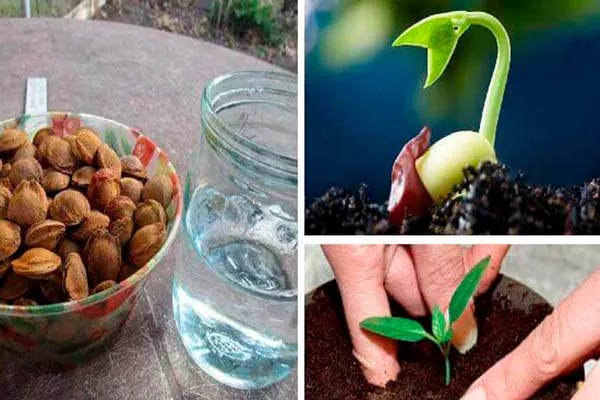
- Sowing seedsRemove the pits from fully ripened fruits. Rinse them, then soak them in water for several days. Dry the planting material. Stratify it before planting. Plant in the garden at the end of April, spacing the holes 10 cm apart.

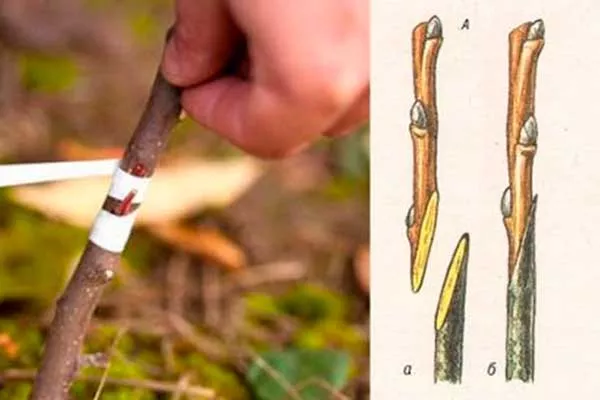
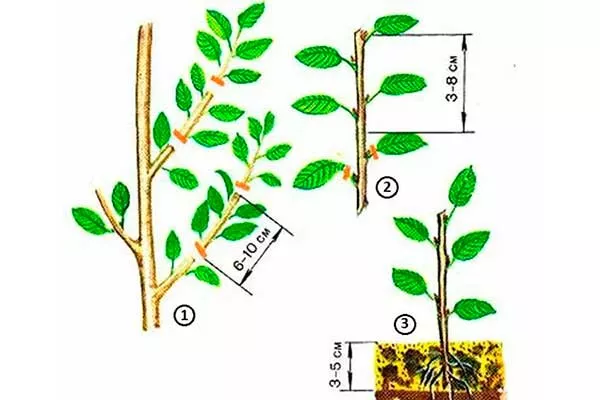
- By vaccinationUse a one-year-old sapling of any winter-hardy plum variety as a rootstock. Cut the grafting shoot from the Dashenka tree. Graft it in April or May, when the sap is still flowing.
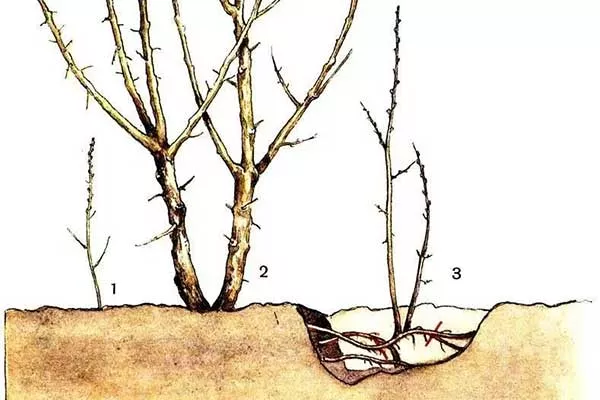
- Root shootsIn the fall, cut the root that connects the shoot to the parent tree. In the spring, dig it up along with the roots. Replant the resulting material in a new location.
- Root cuttingsIn spring, dig up the soil 1 m from the plum tree's trunk to expose its roots. Take root cuttings. They should be 1.5 cm thick and at least 15 cm long.
Resistance to diseases and pests
Dashenka boasts good resistance to major fruit crop diseases and insect attacks. It is only susceptible to aphids. This pest destroys plum foliage and blossoms. If left untreated, you risk losing the lion's share of your harvest or even the entire crop.
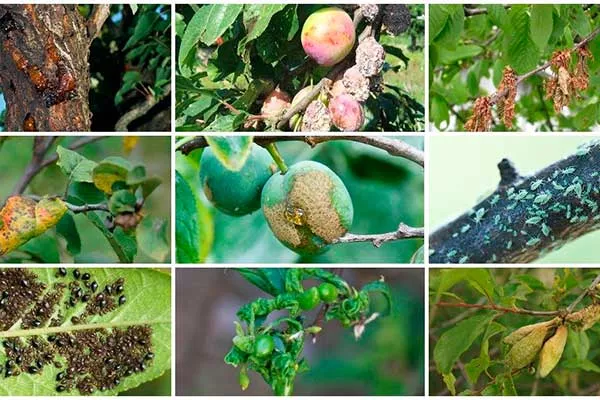
This variety is characterized by moderate resistance to fungal diseases. If inadequate or improper care is provided, the tree is susceptible to clasterosporium leaf spot. This disease destroys plum foliage and shoots. Copper sulfate can help protect the tree from the fungus.
Positive and negative qualities
The Dashenka plum has become a favorite among gardeners due to its excellent characteristics:
The variety is not without its drawbacks:
Reviews
The Dashenka (Hungarian) plum is a favorite among gardeners in cold climates for its excellent winter hardiness, low maintenance, high yield, beautiful fruit appearance, and refreshing summer flavor. This variety requires little care. Strict adherence to proper cultivation practices is key to maintaining the tree's health and producing a bountiful harvest.