
Spring, summer, and fall are key periods in a plum tree's life, each requiring a specific approach to nutrition. Proper and timely fertilization promotes healthy growth, strong root systems, disease resistance, and a bountiful harvest. It's important to understand the best fertilizers and when to feed your plum tree to ensure delicious fruit.
Why do we need fertilizers?
Without adequate nutrition, the tree sheds its fruit, and the plums become small and sour. Fertilizing allows the plant to set quality fruit buds for the following year.
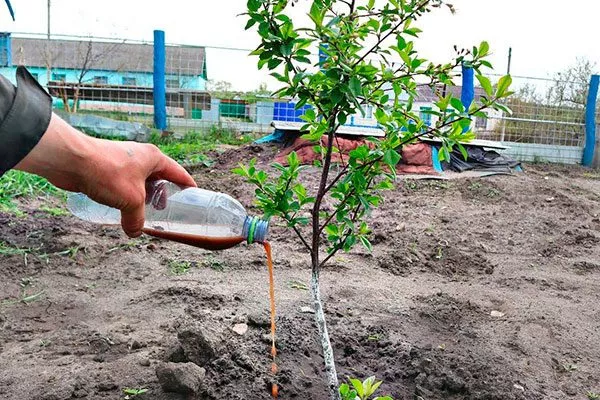
Regular fertilization strengthens the plant's immune system, increasing its resistance to diseases and pests. For example, a lack of potassium and magnesium makes the plant more vulnerable to fungal infections.
After harvesting, the tree is exhausted and in order for it to survive the winter well and form flower buds, it needs “food” – most often phosphorus and potassium.
What nutrients do plums need?
Plums, like any fruit tree, require nutrients—nitrogen, phosphorus, potassium, and trace elements. These nutrients support the tree at different stages of growth.
Important substances:
- nitrogen – stimulates the growth of shoots and leaves in spring;
- phosphorus – necessary for the development of roots and ovaries;
- potassium – improves the taste of fruits and increases the winter hardiness of the tree.
Types of fertilizers
The agrochemical market offers a wide range of mineral and organic compounds. When choosing the best option, it's important to consider the soil's characteristics, including its type, fertility, and structure.
Organics
To increase plum yields, it's important to remember to use organic fertilizers. Popular fertilizers and their application methods include:
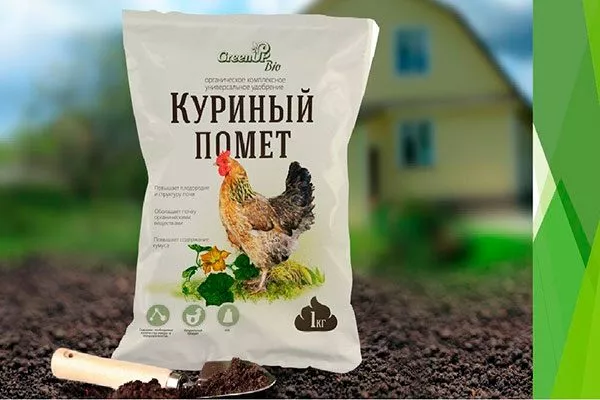
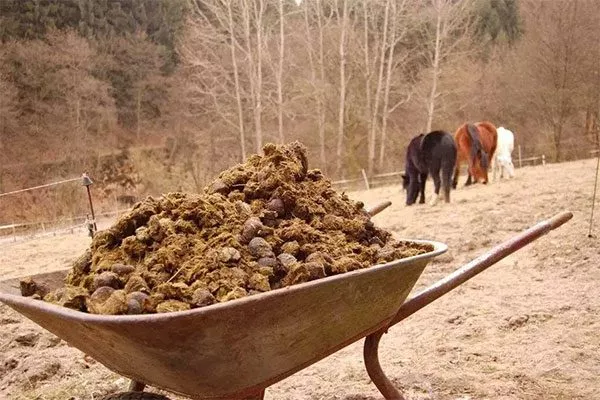
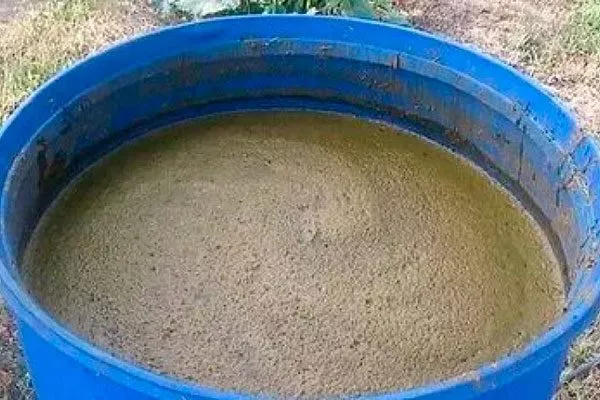
- Chicken droppings. Dilute 500 g of dry manure in 6 liters of water and leave in a warm place to ferment. After fermentation, add the infusion to the tree trunk circle, moistening the soil first.

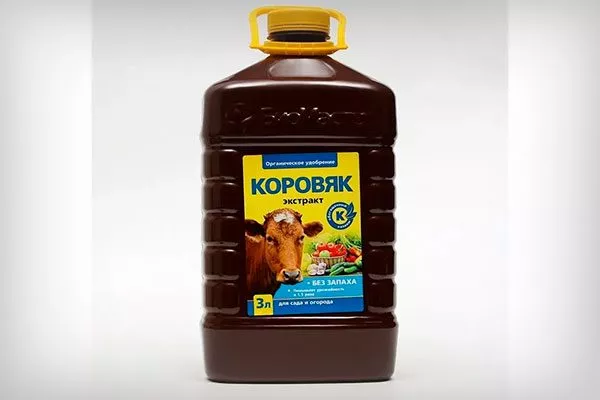
- Mullein. Dilute with water in a ratio of 1:10, leave to infuse until fermentation is complete and pour under the tree.
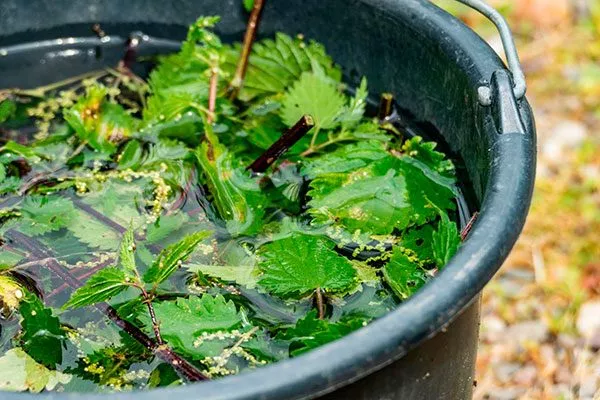
- Nettle infusion. Place young seedless nettle shoots in a bucket to fill about 2/3 of the way, add water, and let sit for a week. Before using, dilute with clean water and water the plums.
- Manure. Dilute 1 kg of fresh manure in 10 liters of water. Water the plum tree with the resulting liquid, using 2 liters per tree.
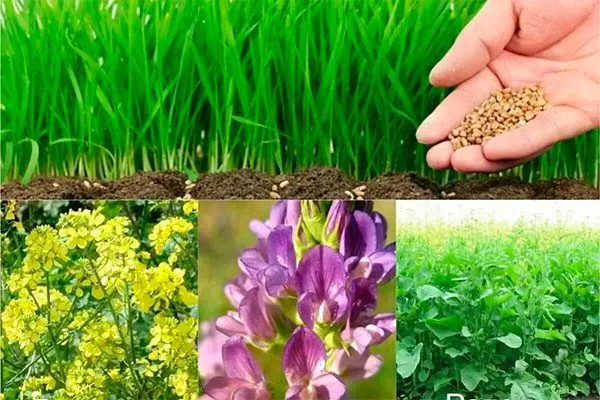
- Green manure (green fertilizers). Instead of manure, sow green manure around the tree—a vetch-oat mixture, winter rye, phacelia, or mustard. After the green manure grows, incorporate it into the soil, enriching it with organic matter.
Mineral compositions
There are several types of mineral fertilizers that have a beneficial effect on crops. Popular fertilizers include:
- Superphosphate – a simple phosphorus preparation that stimulates the development of the root system and the formation of ovaries;
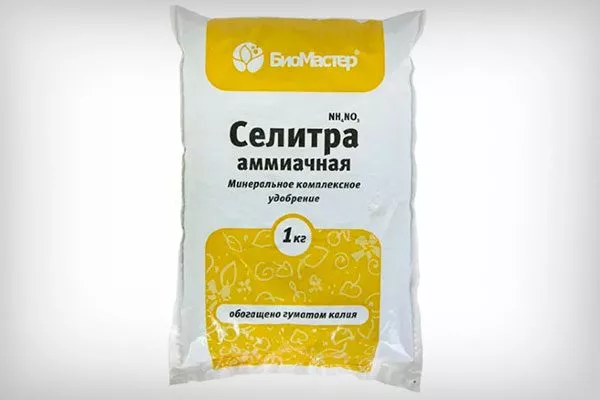
- ammonium nitrate – nitrogen fertilizer that promotes active growth of shoots and leaves, especially in spring;
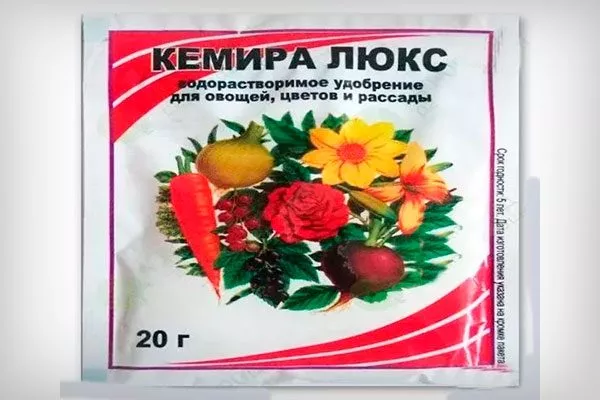
- Kemira-Lux – a balanced complex containing nitrogen, phosphorus and potassium, provides complete nutrition at different stages of vegetation;
- calcium nitrate – a source of calcium, prevents fruit deformation and ovary shedding;
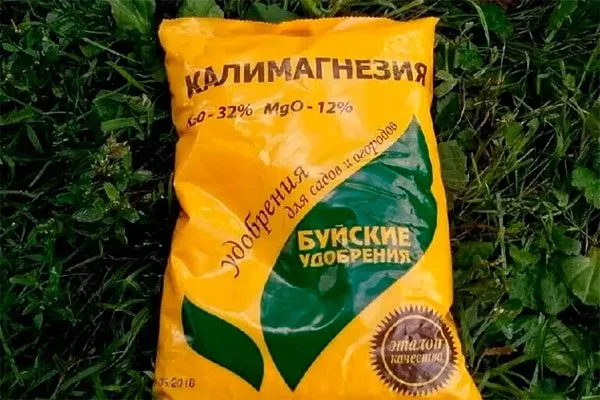
- Potassium magnesium sulfate – a combined fertilizer with potassium and magnesium, improves the taste of fruits and supports photosynthesis;
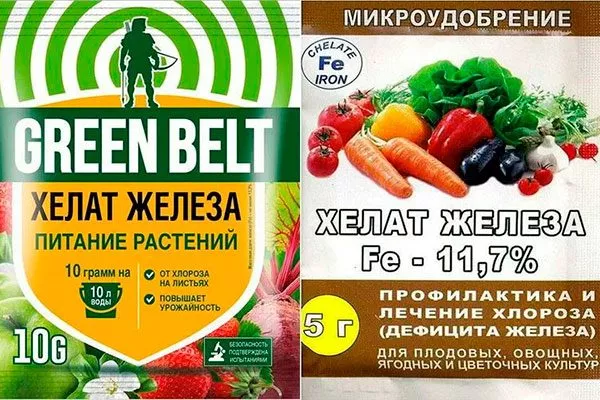
- iron chelate – micronutrient fertilizer used for symptoms of chlorosis caused by iron deficiency;
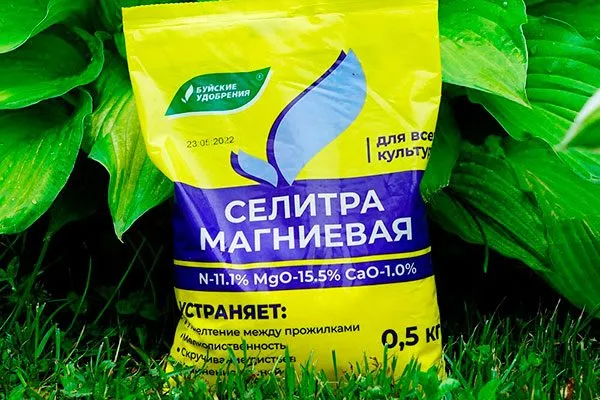
- magnesium nitrate – Contains magnesium and nitrogen, strengthens leaves and improves metabolic processes.


When applying mineral fertilizers, it's important to consider the tree's age and developmental stage—from bud break to harvest. Excessive or untimely application can lead to plant stress or reduced yield.
Timing, frequency and features
At different stages of the growing season, plants require different nutrients, so it's important to consider not only the season but also the tree's condition. Below are recommendations for when to apply fertilizer and how to use it.
How to feed plum trees in spring before and after flowering?
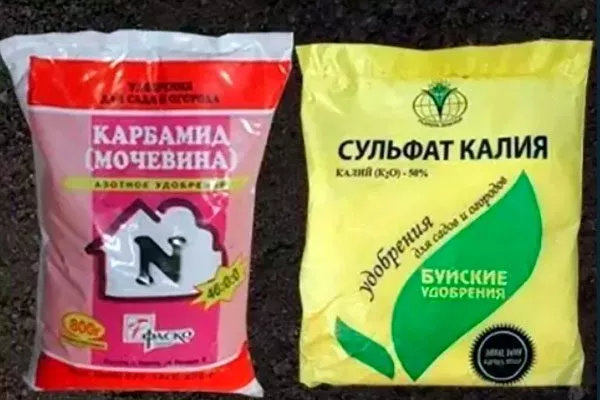
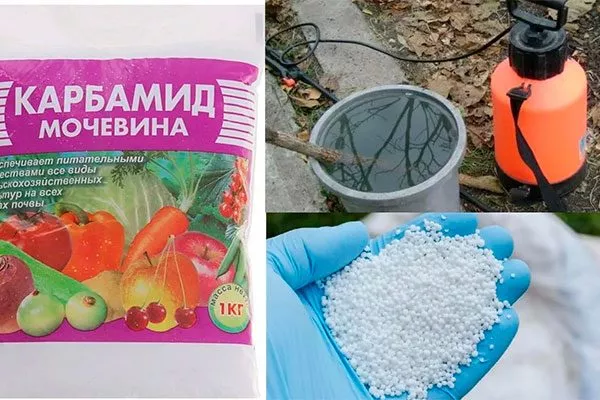
Before plum budding begins, it's recommended to fertilize with a solution of potassium sulfate and urea. To prepare the nutrient mixture, dilute 40 g of each fertilizer in 10 liters of water.
Pour the resulting solution around the tree's trunk, using 30 liters per mature plum tree. Apply the fertilizer either evenly over the surface or into specially dug holes approximately 50 cm from the trunk.
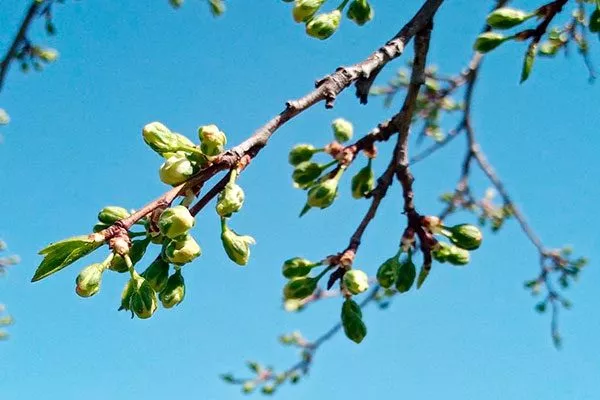
Initial stage of ovary growth
During this period, plums especially need potassium and phosphorus, which promote fruit formation, strengthen ovaries, and increase the tree's resistance to stress. Apply nitrogen cautiously—in small doses or avoid it altogether—to avoid stimulating excess foliage growth at the expense of the harvest.
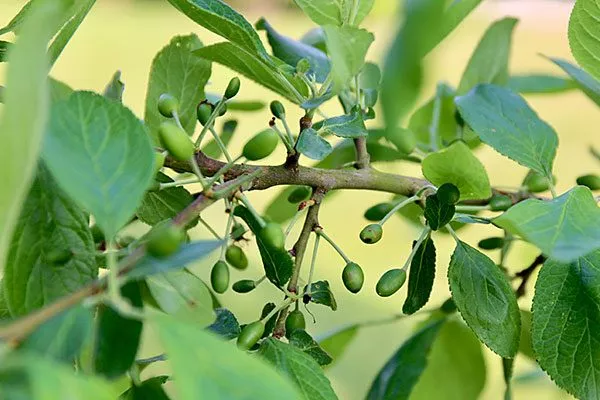
Recommended fertilizers:
- Complex mineral fertilizer. Dissolve 40-60 g of nitroammophoska in 10 liters of water. Water the area around the tree trunk (25-30 liters per mature tree).
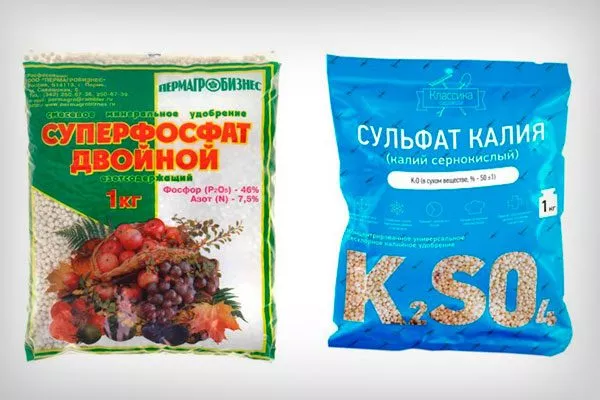
- Solution of superphosphate and potassium sulfate. Add 20 g of superphosphate and 10 g of potassium sulfate to 10 liters of water. Apply the fertilizer to the trunk area after loosening and watering the soil.
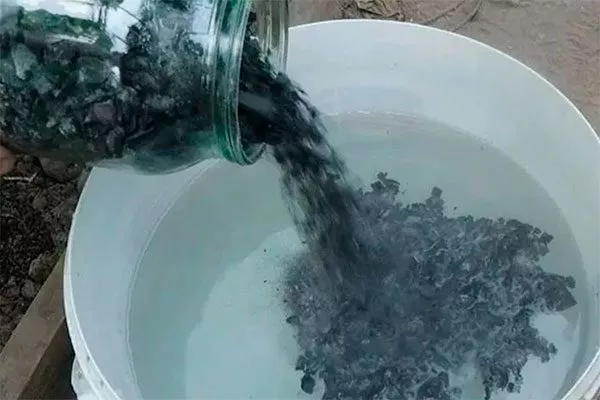
- Infusion of wood ash. Add 150-200 g of ash to 10 liters of water and let sit for 1-2 hours. Pour 1-2 liters of the solution under each tree.

Pouring fruits
You can additionally carry out fertilizing watering, especially if the tree is weakened or the plums are falling more than usual.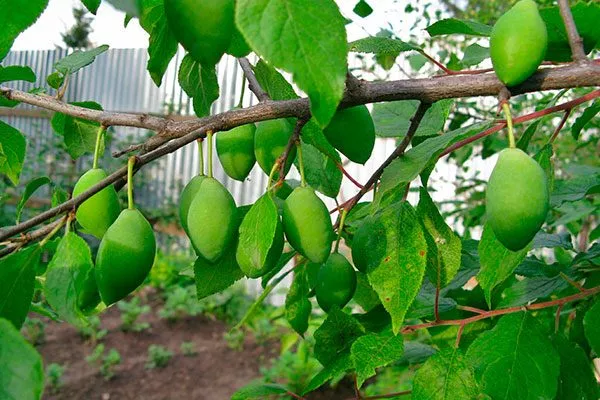
To prepare a solution for 40 liters of water, take:
- 200 g Superphosphate;
- 100 g potassium sulfate;
- 80 g of Mag-Bor microfertilizer.
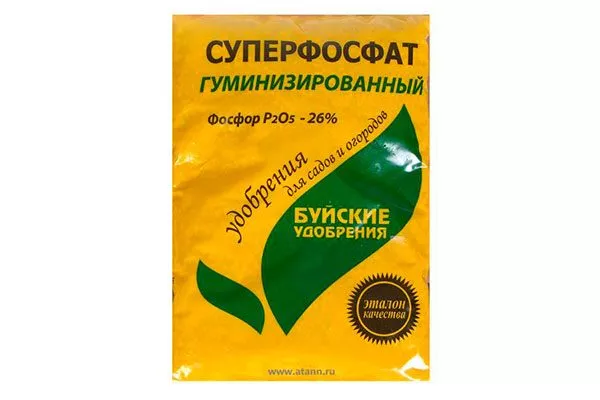
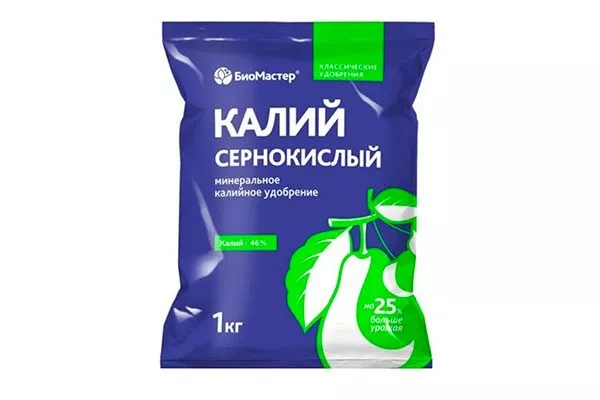

Apply the solution to the tree's trunk. However, this is not strictly necessary. During the plum tree's fruiting period, adequate soil moisture is more critical than an abundance of fertilizer—if there's a moisture deficit, even adequate nutrition won't save the harvest.
Immediately after harvesting
Specialized experiments and observations have confirmed the effectiveness of foliar feeding immediately after plum harvesting—this has a positive effect on fruiting in the following season. Repeat the procedure after two weeks, and in southern regions, perform it a third time—after 1.5 months.
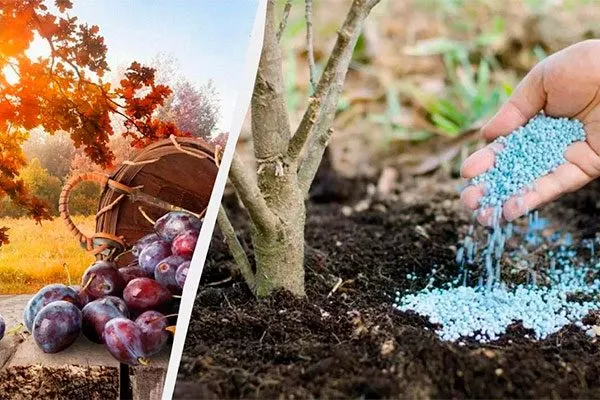
The spray solution should contain elements such as potassium, phosphorus, magnesium, boron, and zinc. A small amount of nitrogen is also acceptable. Dosages must be followed according to the instructions for the products used.
The following remedies are popular:
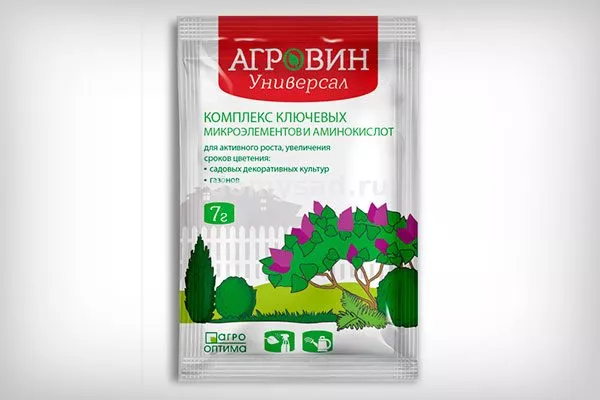
- Agrovin Universal;
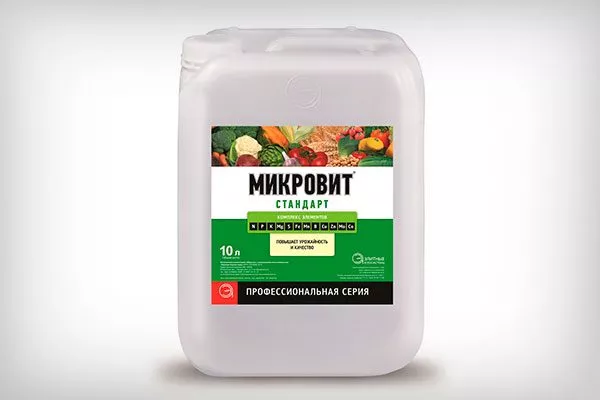
- Microvit Standard;
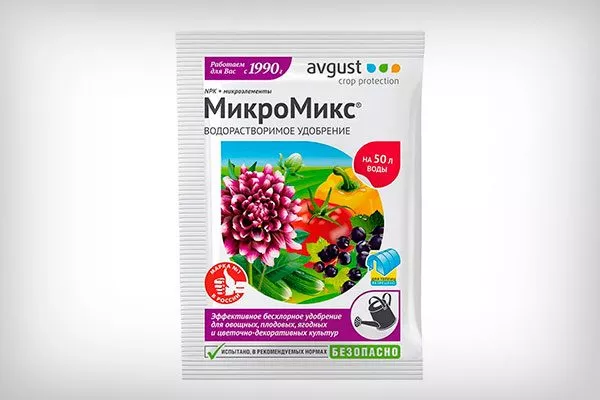
- MicroMix;
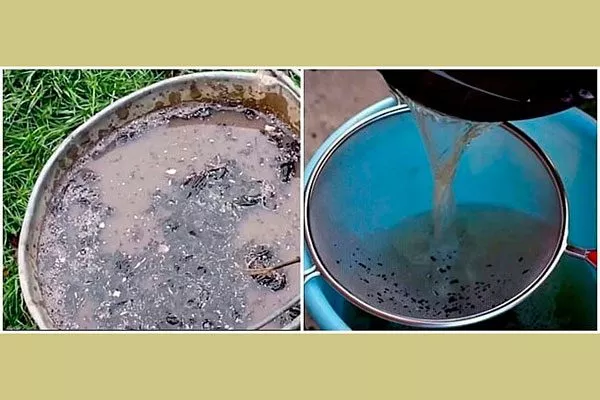
Equally effective is a mixture of 15 g of monopotassium phosphate, 10 g of Mag-Bor, and 3 g of zinc sulfate per 10 liters of water. A good alternative is an infusion of wood ash (600 g per 10 liters of water), which should be boiled, cooled, and strained before use.
Before winter
In southern regions, plums are fertilized in the fall, while for central and northern regions, the optimal time is considered the third ten days of August. Phosphorus-potassium fertilizers are typically used for fall fertilization.
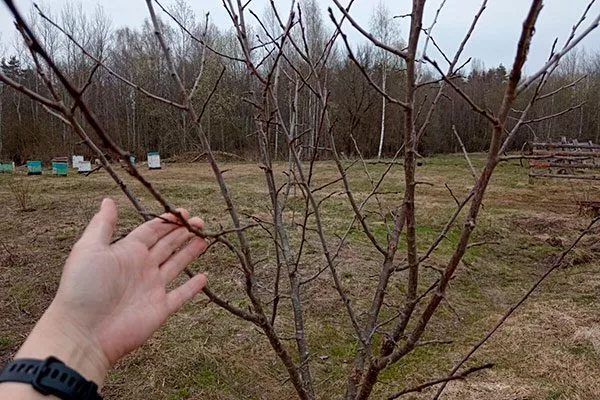
For each square meter of tree trunk circle, it is recommended to apply one of the following fertilizers:
- 50 g of phosphorus-potassium fertilizer;
- 25 g of potassium sulfate (or 40 g of potassium magnesium sulfate) and 40 g of superphosphate.
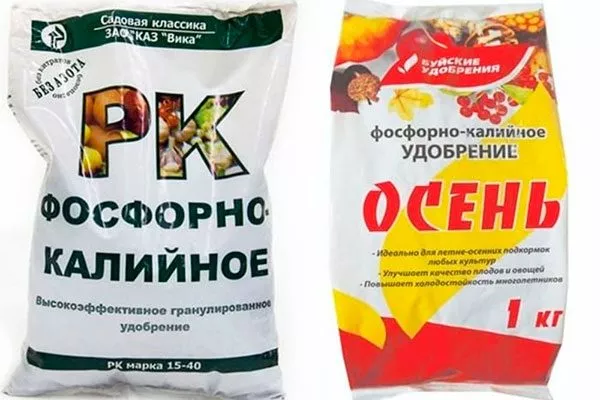
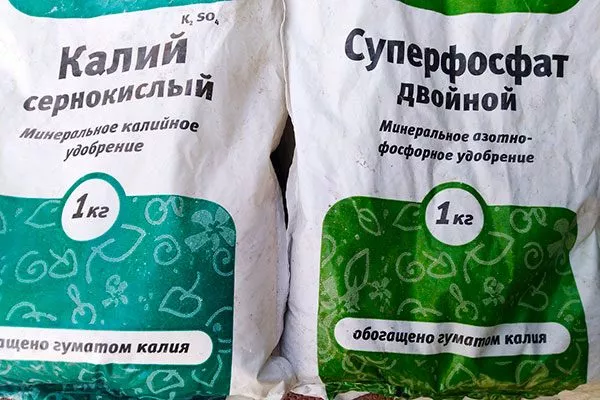
Instead of store-bought fertilizers, you can use wood ash—approximately 400 g per square meter. If your soil is highly acidic, apply lime every 3-4 years, which is especially important for plum orchards.
Wood ash acts as a weak acidifier, so a more effective and gentle option is to use dolomite (limestone) flour. It not only reduces acidity but also enriches the soil with magnesium, an essential element for photosynthesis.

Preparing the soil before applying fertilizers
In order for the plum to bear fruit regularly and abundantly, it is important to plant it in soil with good air permeability, water supply and a sufficient layer of humus.
Suitable types of soil for growing crops:
- loam;
- sod-podzolic soils;
- acidic soils (usually peat), which must first be drained and limed, for example, by adding 1 kg of dolomite flour or lime per 1 sq. m.
Pay special attention to sandy soils, as they are typically poor in nutrients and retain moisture poorly. To improve these areas, add 50-60 kg of clay mixed with equal parts fertile soil to the planting hole.
Do not plant plums in dense soils where there is no air circulation in the subsoil layer, as well as in areas with a large amount of gravel and stones - they are not suitable for this crop.
If the soil is good enough, there are a few things you can do before planting:
- Clear the area of any remaining previous plants.
- Add organic matter – compost or humus at a rate of 10 kg per 1 sq. m, as well as 20 g of nitroammophoska per the same area.
Application methods
There are various methods for fertilizing plum trees, each with its own characteristics and advantages. The most effective are root fertilizers, which should be applied directly to the soil around the tree, and foliar fertilizers, which involve spraying the leaves with nutrient solutions.
Root
Dry fertilizers are best used because they provide a long-lasting nutritional effect. While wet waterings act more quickly, their effect is short-lived—the nutrients are absorbed more quickly into the deeper soil layers. Dry fertilizers provide long-term benefits to the tree.
Digging with a shovel often damages surface roots, which can lead to weakening or death of the tree. There are two ways to fertilize plum trees:
- Shallow digging. If the tree trunk circle is clear of weeds, spread the fertilizer evenly over its entire area, slightly extending beyond the crown, but avoiding the area directly next to the trunk (10 cm from the trunk).
After this, carefully dig the soil with a pitchfork to a depth of about 10 cm, moving from the trunk outward in the direction of root growth. Drive the pitchfork at an angle and using a sliding motion to minimize root damage. After working, level the surface with a rake. - Applying fertilizers into holes or furrows. If the tree trunk circles are mulched or sodded, apply fertilizer locally: dig a shallow (about 10 cm) groove along the edge of the tree trunk circle or several holes (6-8 pcs.) at equal distances from each other.
Add fertilizer, lightly mix it with soil, moisten, and cover with soil, covering with mulch or turf. Use only well-rotted compost for mulching—fresh manure is not recommended.
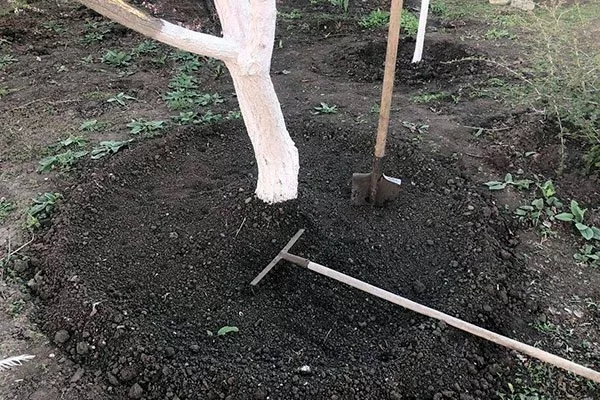
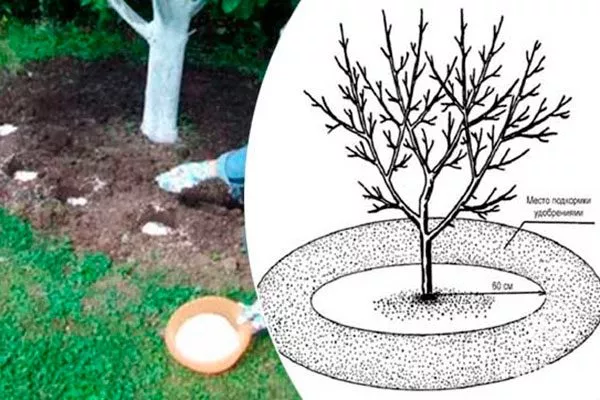
Apply fertilizer to moist soil, watering it first when the soil is dry. Calculate the amount of fertilizer based on the area around the tree trunk (dosages are given per 1 square meter). Distribute the nutrients evenly over the surface of the grooves or holes.
Foliar
In spring, for quick results, foliar feeding is recommended. This method helps the tree "awaken" and gain energy for recovery and vigorous growth.
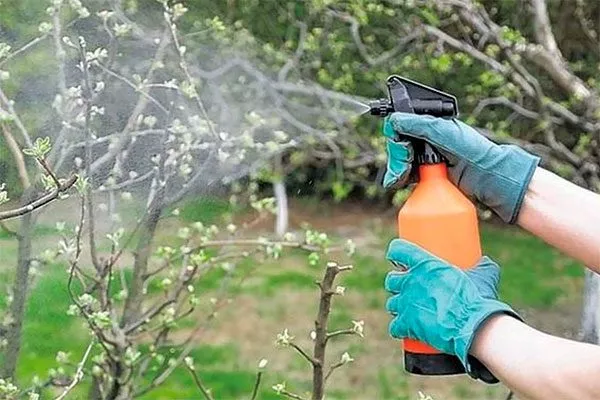
Spray all nutrient solutions onto branches, buds, and foliage, working thoroughly to avoid leaving dry spots. This increases the plum's resistance to diseases and pests, which also become more active with the onset of warmer weather.
Nuances of plum nutrition
The crop thrives in clay and loamy soils with a fertile topsoil. If the soil is acidic, liming is recommended to reduce its acidity. Regular fertilization is important to maintain and enhance fertility.
Fertilizing during planting and transplanting
Enriching the soil before planting is key to healthy plum development and a bountiful harvest. Follow these recommendations:
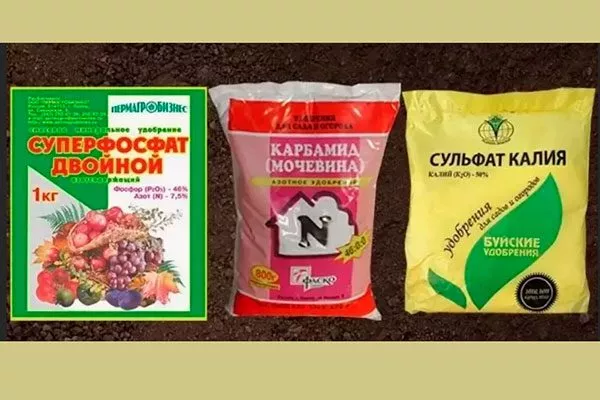
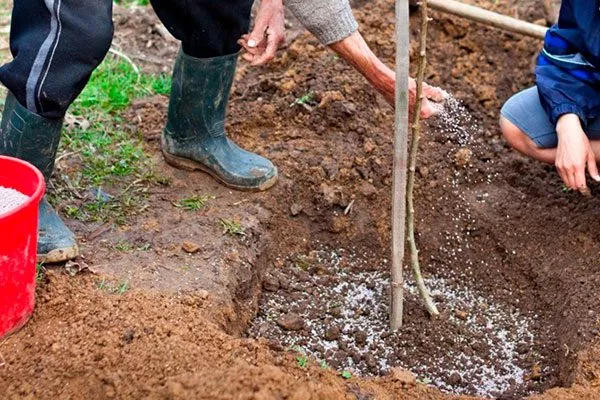
- After digging the planting hole, prepare a nutrient substrate using equal parts peat, humus, and the topsoil. Add 40 g each of superphosphate, urea, and potassium sulfate to this mixture.
- Place the seedling in the hole and carefully fill it with the prepared soil mixture.
- Compact the soil around the plant and moisten it thoroughly but moderately.
Feeding young plums
In the first year after planting, the plum tree usually does not need additional fertilization, since the planting hole is filled with a nutrient substrate rich in micro- and macroelements.
Avoid applying nitrogen at this stage, as the root system is still underdeveloped. Excessive nitrogen stimulates vigorous shoot growth, weakening the tree before winter. In temperate climates, such a young seedling may die or be seriously damaged by frost and winter winds.
Fertilizing a two-year-old plum tree
In spring, before flowering, enrich the soil around the plum tree with nitrogen using a urea solution – 20 g per 10 liters of water. Apply foliar feeding by spraying the tree with a fine mist.
At the end of May, it's beneficial to apply nitroammophoska: dissolve 40 g of fertilizer in 10 liters of water. Before applying, loosen and thoroughly moisten the area around the trunk, then apply the liquid nutrient mixture at a rate of 30 liters per tree.

Fertilizing a three-year-old plum tree
When the plum tree gains strength and is ready for active fruiting, it's useful to feed it in the spring with organic fertilizers, such as a solution of mullein or bird droppings. These substances promote root development.
Helpful tips:
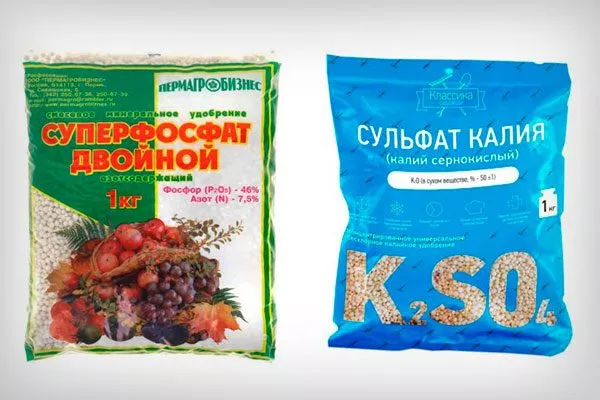
- In May, apply 20 g of superphosphate and 10 g of potassium sulfate diluted in 10 liters of water. Spray the area around the trunk with the resulting solution, using approximately 30 liters per tree.
- Do not fertilize the plant during the flowering period – carry out all the main procedures before budding begins.
- Apply nitrogen-containing fertilizers during the bud swelling phase, but this may delay the onset of fruiting, as the energy will be directed toward active growth of the crown and roots.
Fertilizing fruiting plum trees
Fertilize a mature plum tree with a high yield in three stages. One important step is to apply fertilizer into a trench dug around the trunk.
Feeding an old plum tree
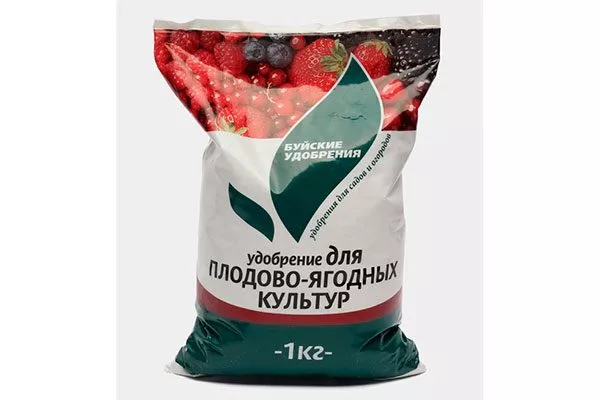
Before flowering, feed mature plums with a solution of urea and potassium sulfate—40 g of each per 10 liters of water. Many gardeners prefer to replace these fertilizers with the complex fertilizer Yagodka, which requires 250-300 g per 10 liters of water.

How to avoid mistakes and control the condition of the drain?
Proper plum care helps avoid many problems and maintain the tree's health. To promptly respond to changes and errors, it's important to regularly monitor the plant's condition and follow basic gardening recommendations.
Signs of nutrient deficiency or excess
Nutritional imbalances negatively impact tree growth, crop quality and quantity, and resistance to disease and adverse conditions. Key signs:
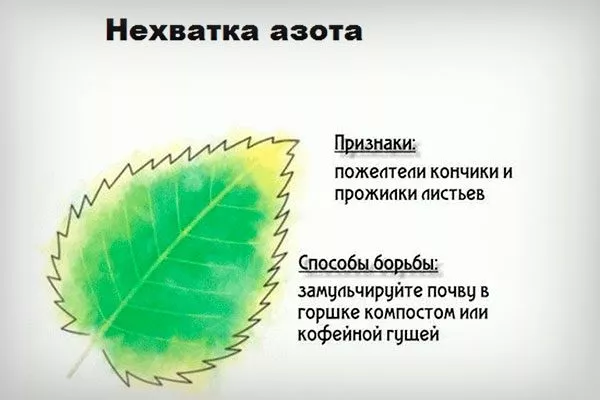
- Nitrogen deficiency. It manifests itself as a pale green leaf color and slowed overall growth. The tree develops sluggishly, the leaves become smaller, and photosynthesis decreases, leading to poor fruit formation.
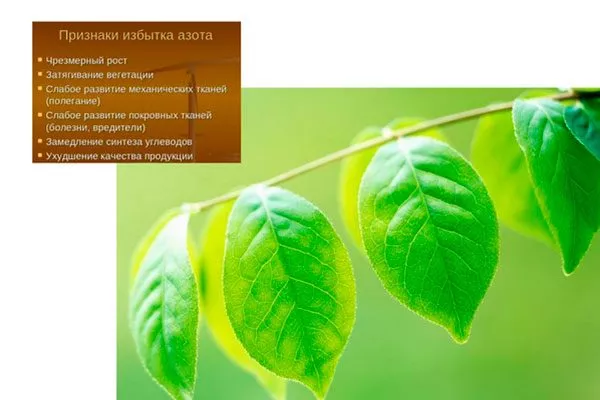
- Excess nitrogen. This leads to excessive growth of green mass—shoots grow quickly, but fruit production suffers. Such trees often mature late and are less able to withstand winter frosts, as their energy is spent on leaf and branch growth rather than on fruit bud formation.
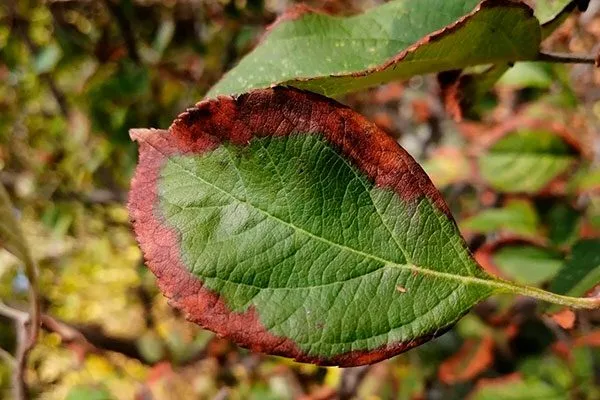
- Potassium deficiency. It manifests itself as a change in leaf color: the edges turn brown, dry out, and fall off. This reduces photosynthetic activity and negatively impacts fruit yield and quality, making them less tasty and less shelf-stable.
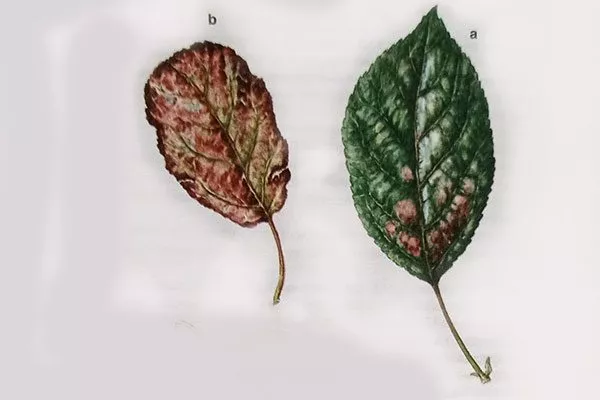
- Phosphorus deficiency. It slows down the development of the root system and fruits. Leaves darken, become smaller, and often become brittle. A lack of sufficient phosphorus leads to poor flower bud formation and a reduced overall yield.
Basic mistakes when feeding
Proper fertilization is the key to a healthy and productive plum tree. However, some common mistakes can weaken the plant and reduce productivity:
- Overfeeding with nitrogen after flowering. Excessive application of nitrogen fertilizers during this period stimulates intensive growth of green mass, which weakens the tree and negatively affects fruit formation.
- Use of fresh manure. Fresh manure contains ammonia and can burn plum roots, causing damage and stress. Only well-rotted manure, aged for at least three years, is suitable for fertilizing.
- Applying fertilizer to dry soil. Without subsequent watering, nutrients are poorly absorbed by the roots, significantly reducing the effectiveness of the fertilizer. After applying fertilizer, it is always recommended to thoroughly moisten the soil.
- Skipping feeding during the period of active fruiting. Lack of regular nutrition during the fruiting season leads to a decrease in both the quantity and quality of the harvest, weakening the plant and reducing its resistance to stress.
Taking into account climatic and soil conditions
On heavy and acidic soils, the crop requires liming using dolomite flour, slaked lime, or chalk at a rate of 300-500 g per square meter. This helps increase the soil pH and improve nutrient absorption by the plant.
During dry periods, it is important to maintain optimal soil moisture by regularly watering trees after fertilizing – this promotes more effective penetration and absorption of fertilizers by the roots.
In the second half of the growing season, excessive use of nitrogen fertilizers should be avoided, as this can stimulate excessive growth of green mass, which reduces the winter hardiness of the plum and negatively affects the quality of the future harvest.
Useful recipes for fertilizers
After flowering, the crop especially needs support for vigorous growth and fruit formation. During this period, it's important to select the right fertilizers and apply them promptly to strengthen the plant and increase yield.
Below are proven fertilizer recipes that will help provide plums with the necessary nutrition during this important stage of development:
- Organic infusion. Dilute chicken manure or mullein in water at a ratio of 1:10. Use 40-50 liters per tree.
- Urea solution. Dissolve 20 g of urea in 10 liters of water. Use for spraying or watering the tree trunk area.
- Infusion of wood ash. Pour 100-200 g of wood ash into 10 liters of water and let steep for 30-60 minutes. Use 1 liter per tree.
- Complex mineral fertilizer. Dissolve 90 g of nitroammophoska in 10 liters of water. Water at the roots – 25-35 liters per plant.
By following the feeding recommendations throughout the seasons, you can ensure your plum tree receives the necessary nutrients at every stage of its development. This will not only help the plant successfully cope with changing weather conditions but also improve the quality and quantity of its harvest. Proper care and regular feeding are the key to a healthy garden and abundant fruit production.