
The Bolkhovchanka plum is an excellent choice for gardeners who strive for high yields and enjoy sweet, juicy fruits. Even beginners can easily grow this variety. With proper cultivation and care, you can enjoy consistent harvests for many years to come.
Who developed the variety and when?
Developed by breeders G. B. Zhdanova, A. F. Kolesnikova, and T. A. Trofimova at the All-Russian Research Institute of Fruit Crop Breeding, this variety was a cross between the Tambovsky Chernosliva, Iskra, and Severnaya Vengerka varieties. It was approved for use in 2006.
The appearance of the tree
A medium-sized plant, reaching a height of approximately 2.5 m, with a spherical, upright, dense crown. Distinguishing characteristics:
- Escapes – medium length, erect, bright purple in colour with moderate pubescence.
- Lentils – narrow and medium size.
- Leaves - obovate, shortly pointed, light green. The surface of the blade is smooth, matte, and flat.
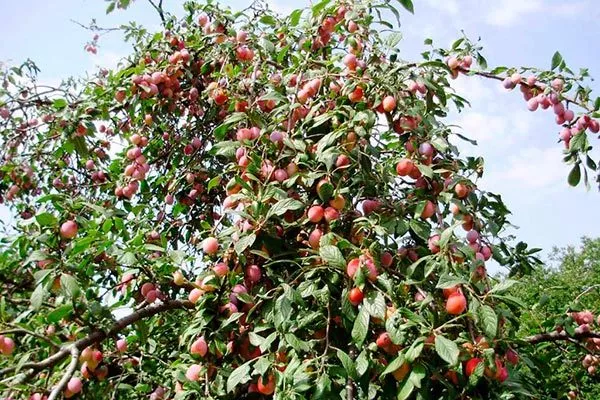
The flowers are white, bell-shaped, collected in inflorescences of three pieces.
Fruits and their taste characteristics
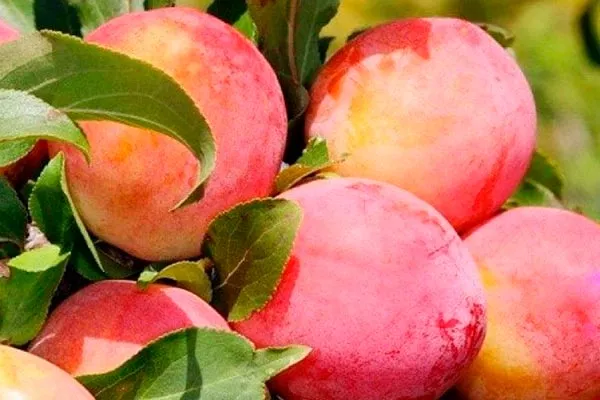
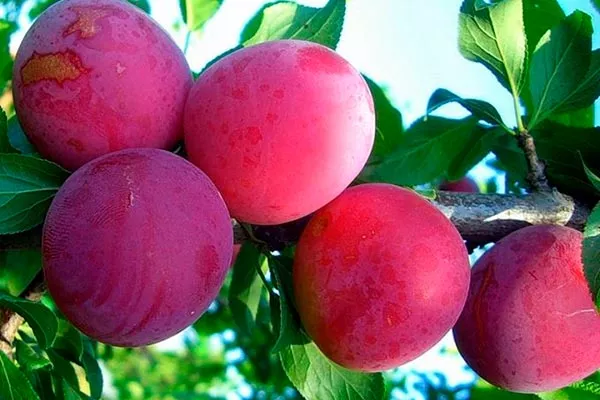
The fruits are large, weighing between 34 and 41 grams. They are ovoid, green with a burgundy-brown bloom, and have a medium waxy coating. The flesh is yellow, tender, and juicy, with a sweet and sour flavor, and the medium-sized stone is easy to remove. The tasting score is 4.2 points, and the appearance score is 4.
Bolkhovchanka is renowned for its rich nutritional composition, making it a healthy addition to the diet. The fruits contain:
- Vitamins (B1, B2, B3, B5, B, C and K). Vitamin C supports the immune system, and B vitamins help normalize metabolism.
- Minerals. Potassium helps maintain normal blood pressure and cardiovascular function, and magnesium helps improve metabolism.
- Antioxidants. Flavonoids and phenolic compounds protect cells from damage, slow down the aging process and reduce the risk of chronic diseases.
Useful properties of fruits:
- They have a laxative effect due to their high fiber content, which helps combat constipation and promotes normal bowel function.
- They improve heart function, reduce the risk of cardiovascular disease and help regulate cholesterol levels.
- They help strengthen the immune system, protecting the body from infections and diseases.
- They reduce stress levels and improve mood, making them an excellent addition to your diet to support your psycho-emotional state.
Plums of this variety are widely used both fresh and for processing. They are used to make jams, compotes, juices, and desserts. Thanks to their pleasant flavor, the fruits are excellent for canning and creating a variety of winter preserves.
Fruits are used to make alcoholic drinks, such as slivovka. In cooking, they are added to salads and baked goods, imparting a unique flavor and aroma to dishes.
Self-fertility and pollinators
Bolkhovchanka won't be able to fully realize its yield potential without nearby pollen sources. Its best pollinators are the Renklod Kolkhozny and Rekord plums, as well as other varieties that bloom at similar times.
Ripening period and yield
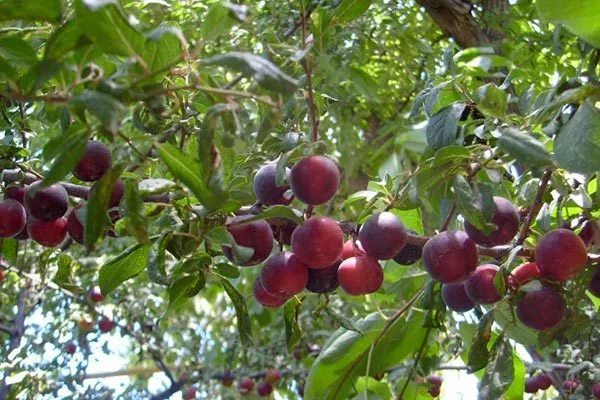
The crop begins bearing fruit in the fifth year after planting. The active fruiting phase occurs in late August and early September, with the fruits not ripening simultaneously, resulting in a prolonged harvest period.
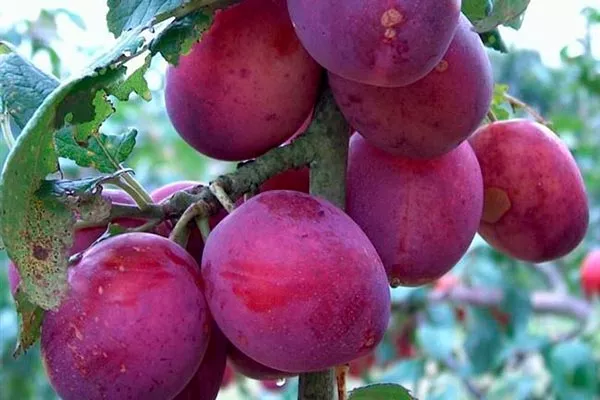
The variety demonstrates high productivity: on average, 120 centners of fruit can be harvested per hectare. With strict adherence to agronomic practices, the yield can reach 160 centners per hectare.
Location and soil requirements
The plant prefers well-lit and ventilated sites with a slight slope to the southeast, southwest, or south. The soil should be light and fertile, loamy, and the groundwater level should not exceed 1.5-2 meters.
- ✓ The soil pH level should be within 6.0-7.0 for optimal growth of the Bolkhovchanka plum.
- ✓ A fertile soil layer depth of at least 40 cm will ensure good development of the root system.
Growing the Bolhovchanka plum
Cultivation of this variety is carried out in accordance with standard agronomic practices for this crop. There are virtually no special nuances requiring attention during cultivation.
Landing
In temperate climates, plant seedlings in the spring, 3-5 days after the soil has completely thawed. In areas with low relief where there is a risk of waterlogging, place trees on artificial mounds 60-70 cm high to prevent root collar rot. The planting pattern is 2.5 x 3.5 m.
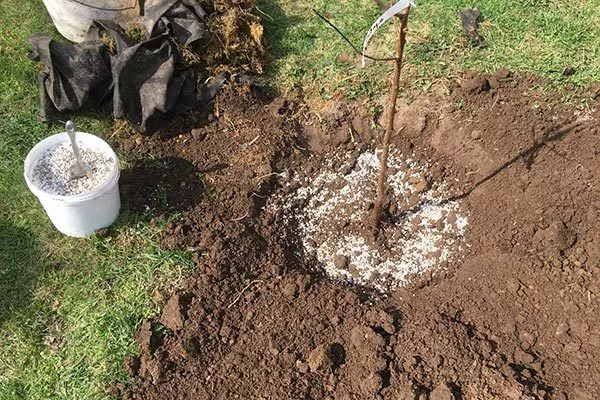
Step-by-step algorithm:
- Clear the area of weeds and rocks. Dig the soil to a depth of 30-40 cm and add organic fertilizers (such as humus or compost) to improve fertility.
- Select a healthy seedling with strong roots and no mechanical damage. If the roots are too long, trim them to 20-25 cm. Soak them in water for 2-3 hours before planting.
- Dig a hole 60-80 cm in diameter and 50-60 cm deep. Add compost or mineral fertilizers to the bottom.
- Place the seedling in the hole, spreading out the roots. Make sure the root collar is at ground level or slightly above.
- Gradually fill the hole with soil, gently compacting it around the roots to avoid voids.
- Water the plant generously to moisten the soil and help the roots establish contact with the ground. Use 20-30 liters of water.
Plant care
Plum is a moisture-loving plant that requires regular and abundant watering. Provide the tree with sufficient (but not excessive) moisture, especially during the following periods:
- after flowering;
- during the period of intensive growth of ovaries.
Carry out autumn moisture-recharging watering only in dry autumn.
Fertilize seedlings according to the standard scheme:
- in the spring – nitrogen;
- after flowering – potassium and liquid organic fertilizers;
- during autumn digging – Superphosphate.
Fruit trees are particularly sensitive to nitrogen and potassium deficiencies in the soil, and to a lesser extent, phosphorus. Bolkhovchanka requires a large amount of potassium during the formation and ripening of fruit. Apply 2-3 foliar applications of potassium humate during this period to increase yield.
Features of pruning
Train the tree into a bowl-shaped form. This ensures ease of care and harvesting, good ventilation, and sufficient light within the crown, which is important for preventing fruit rot, to which the variety is susceptible.
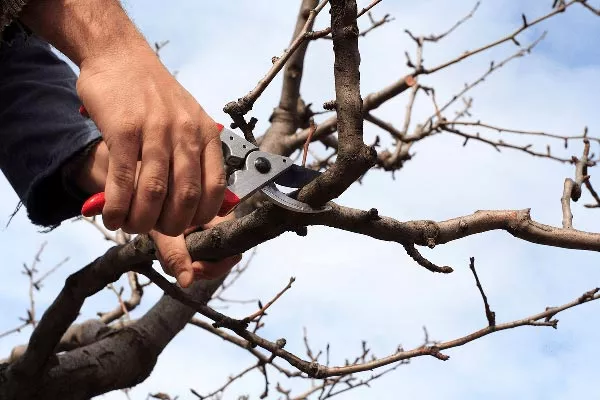
Leave the seedling with a 40-50 cm tall trunk and form 3-4 skeletal branches directed in different directions, then remove the leading branches. Perform sanitary, regulatory (thinning), and fruiting-supporting (shortening) pruning according to generally accepted guidelines.
Possible defeats
The variety's resistance to clasterosporium and aphids is a significant advantage. However, other diseases and pests can arise in the absence of standard sanitation measures and protective chemical sprays in the fall and early spring.
The plant may be susceptible to fruit rot. To prevent and control the disease, spray before and after flowering, and again two weeks later, using a solution of Zineb or HOM.
Positive and negative qualities
Before planting a plant in your garden, carefully review its advantages and disadvantages. This will help you avoid potential problems in the future.
Key benefits include:
Among the disadvantages, some gardeners note the unattractive appearance of the fruit, the need for pollinators, and susceptibility to fruit rot.
Gardeners' reviews of the Bolkhovchanka variety
The Bolkhovchanka plum is a relatively new variety that has deservedly earned its popularity among gardeners. It attracts attention with its high productivity and excellent taste. It has a strong immune system and good frost resistance. It is important to carefully study the plant's characteristics and provide it with proper care.