
Although plums are more resilient than many fruit trees, they are not immune to disease. They are susceptible to viral, fungal, and bacterial infections, and are damaged by insect pests. Let's learn about the problems that plague plum trees and how to combat them.
Fungal diseases of plums
These diseases are easily transmitted from plant to plant. Favorable conditions for infection include high humidity and dense canopies. Fungi actively spread during warm, humid summers. After taking root in the tissue and creating mycelium, they quickly destroy the tree by feeding on its fruits, leaves, and shoots. Fungal diseases are controlled using specialized preparations called fungicides.
| Name | Disease resistance | Ripening period | Productivity |
|---|---|---|---|
| Coccomycosis | Low | Average | Average |
| Rust | Average | Early | High |
| Brown spot | High | Late | Low |
| Plum pockets | Average | Average | Average |
| Clusterosporiasis | Low | Early | High |
| Moniliosis of stone fruits | Average | Late | Low |
| Witch's broom plum | High | Average | Average |
| Milky shine | Low | Early | High |
| Fruit rot | Average | Late | Low |
| Plum tinder fungus | High | Average | Average |
| Sooty mold | Low | Early | High |
Coccomycosis
The fungus mainly affects leaves, less often fruits and shoots.
Reasons. Occurs with high humidity and reduced plant immunity.
Symptoms. Around July, reddish-brown or purple-violet spots appear on the foliage. They enlarge and merge. The undersides of the leaves are covered in white and pink hairs. The leaves quickly fall off, turning yellow and brown. The fruits dry up before they have time to develop.
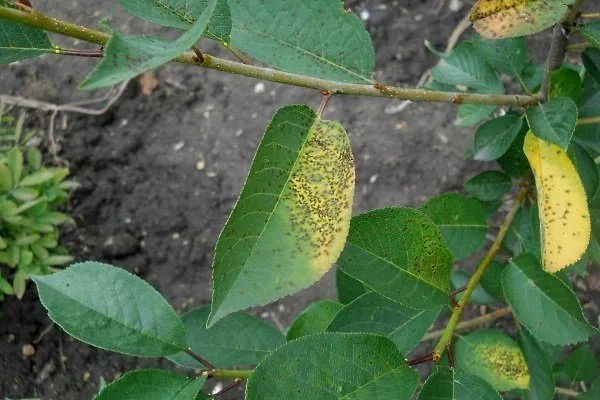
Treatment. After harvesting, treat the tree with a 1% Bordeaux mixture. A 1% copper oxychloride solution will also work.
To prevent coccomycosis, promptly remove fallen leaves, as the pathogen overwinters in them. In the fall, dig up the soil around the trunk.
Rust
It appears in midsummer, affecting the tree's foliage. Trees affected by rust weaken and lose their immunity and frost resistance.
Reasons. The source of rust is the anemone. This plant, also known as the windflower, spreads spores of a fungus that overwinters on its rhizomes.
Symptoms. Brown spots appear on the leaves. If left untreated, the spots develop into spore-bearing pads. The leaves fall off, and the fungus overwinters in them.
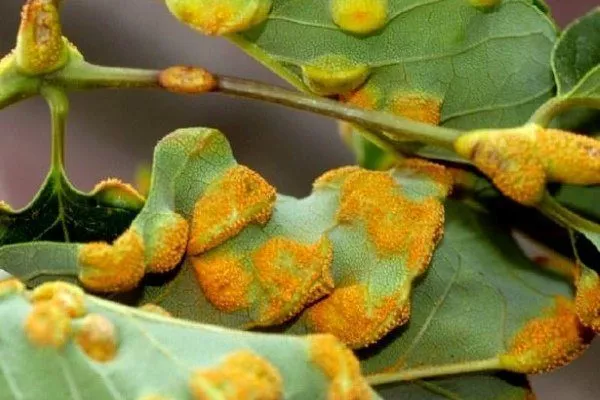
Treatment. There are no plum varieties that are 100% immune to rust, but each has its own susceptibility.
Rust can be avoided by standard fungal disease prevention (cleaning and burning residues, etc.) and planting varieties resistant to this disease – Anna Shpet and Green Renclode.
Brown spot
Another name for the disease is gnomonium. It affects many plants and can cause losses of up to 50% of the crop.
Reasons. Unfavorable weather, weakened immunity. Spores spread through the usual fungal routes.
Symptoms. In spring, reddish-brown and ocher spots appear on the foliage, with purple edges. Black dots—fungal spores—cover both sides of the foliage. The spots grow in size, covering the entire leaf, which curls and falls off. The fruit, before it has time to ripen, becomes deformed and spoils.
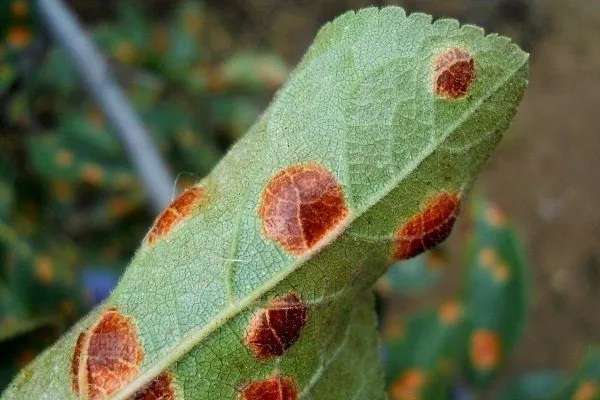
Treatment. Spray with 1% copper sulfate before flowering (100 g of copper sulfate per 10 liters). Two weeks after flowering, spray with 1% Bordeaux mixture. If the tree is heavily infested, spray again 2-3 weeks before harvesting.
Prevention involves digging up the soil, timely cleaning and destruction of fallen leaves.
Plum pockets
Caused by a fungus, plums become sac-like. The fungal spores overwinter on the tree, penetrating bark crevices and hiding under bud scales.
Reasons. It appears during prolonged cold springs accompanied by high humidity. Fungal spores penetrate the flowers, infecting them and damaging the ovaries.
Symptoms. The disease deforms and spoils the fruit. A fungus grows and develops inside it. It resides in a "pocket," hence the name. Affected fruit contains no seeds. This type of fungus is only interested in the fruit; it is absent from other parts of the plant. The disease appears only once per season: no fruit, no problem.
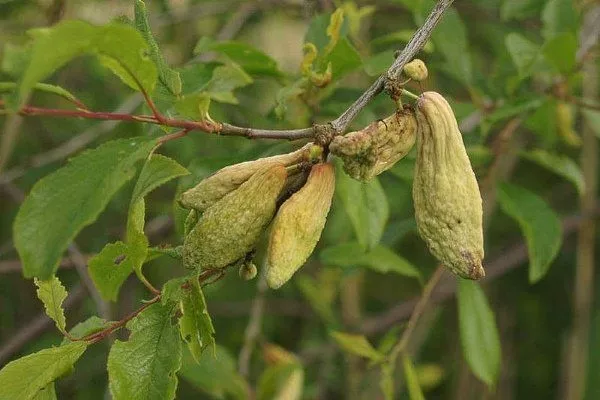
Treatment. In the fall, carry out sanitary pruning. Burn affected shoots in early summer. Collect and destroy rotten fruit before spores spread. For prevention, spray with 3% Bordeaux mixture. The first spray is before bud break, the second before flowering, and the third after flowering.
If the disease is left untreated, it can destroy more than 50% of the crop.
Clusterosporiasis
The fungus attacks all above-ground parts of the tree. It overwinters in tree wounds and can also infest shoots and buds.
Reasons. The ways in which spores are spread are through the air, insects, and through equipment.
Symptoms. Brown spots with a reddish border appear on the leaves. Holes appear at the spots. Because of the holes in the leaves, clasterosporium is also called holey spot. The shoots also develop spots, the bark cracks, the foliage dries, the buds turn black, and the flowers fall off—the tree simply dies. The fruits first become spotted, then swell, and gum oozes from the spots. The fruits dry out and shrink in size.
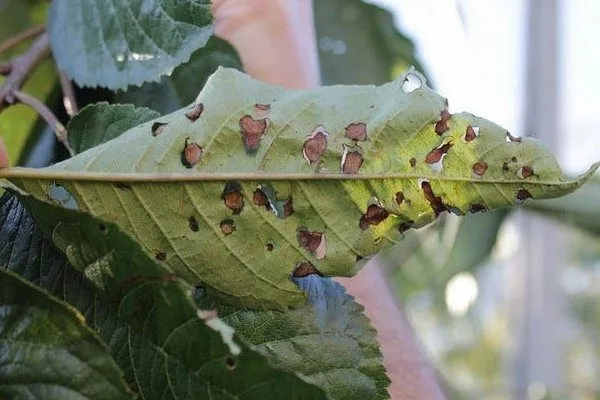
Treatment. The tree requires regular spraying. At the initial stage of bud break, treat the tree with a 1% Bordeaux mixture. Repeat the treatment when buds appear. The next treatment is after flowering. The fourth treatment is a couple of weeks after the tree finishes blooming. The final, fifth spray is three weeks before plum picking.
In case of severe infestation – with damage to shoots, it is recommended to treat the tree again – after the leaves have fallen, but not with 1%, but with 3% Bordeaux mixture.
Preventive measures: promptly remove and burn fallen leaves and fruits, dig up the soil in the tree trunk circle, remove diseased branches, and treat wounds.
Stone fruit moniliosis (gray rot)
The full official name of this dangerous disease is Monilial blight of stone fruits. However, among gardeners, it is more commonly called gray mold. The disease is caused by the Monilial fungus, which overwinters on shoots and unharvested fruit. The disease threatens the tree's survival.
Reasons. The tree becomes infected during flowering, when temperatures fluctuate. Fungal spores penetrate the pistil and gradually infect all parts of the plant.
Symptoms. Flowers and surrounding leaves dry up. Branches crack, oozing thick sap. A tree affected by moniliosis looks scorched. Shoots turn brown and wither, and thickenings appear on the bark. Fruit grows from the surviving flowers, but these, too, are infected by fungal spores. On plum trees, the disease manifests itself most severely as fruit rot—fruits rot right on the branches. Gray thickenings appear on the skin.
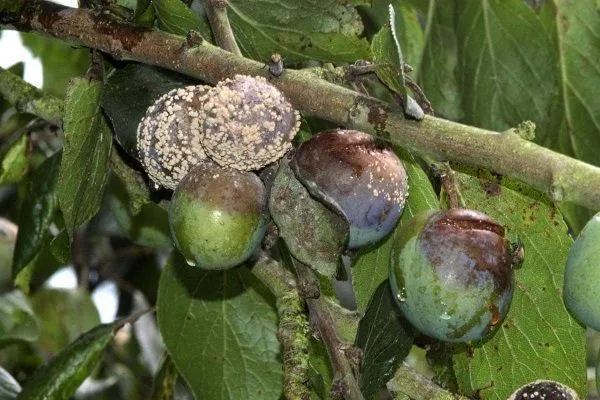
Treatment. Treatment with 1% copper or iron sulfate and 1% Bordeaux mixture. All rotten plums are destroyed, and the trees themselves are treated again with 1% Bordeaux mixture.
To prevent moniliosis, gardeners collect and burn fallen leaves, fruits and shoots, fight pests, repair wounds and damage to the bark, and whitewash the trunk.
Witch's broom plum
Often called bushy plum or plum overgrowth, all parts of the plant are affected.
Reasons. The development of the disease is facilitated by damage to plants, including that caused by insect pests.
Symptoms. Thin, sterile shoots grow en masse in areas where the fungus is present. The branching shoots resemble brooms. The leaves on diseased shoots become smaller and quickly fall off. By late summer, a gray coating appears on the leaves—these are the fungal spores.
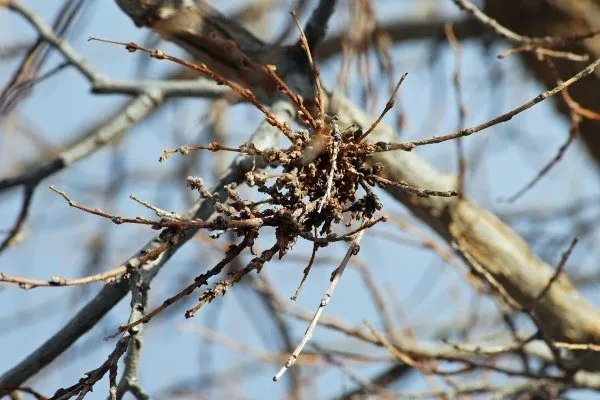
Treatment. Shoots affected by the fungus are cut off and burned. The tree is sprayed with a 3% Bordeaux mixture until buds form. After the plum blossoms have finished blooming, spray again with a 1% Bordeaux mixture. The plum can also be treated with fungicides.
Regular sanitary measures help to avoid the disease: timely removal and destruction of affected shoots, digging up the soil, and preventative spraying with Bordeaux mixture.
If there was a crop failure—in a field or garden—people were always blamed. Many believed that the thinning of the shoots was the work of a witch. This unusual name has survived in its original form to this day.
Milky shine
It attacks the branches, causing them to die, and then the tree itself dies.
Reasons. Transmitted from infected trees, it attacks trees that have been frozen in winter and those with damaged bark.
Symptoms. The leaves, turning silvery and brittle, dry out quickly. A fungus appears on the darkened bark, forming plates of varying colors. These growths adhere firmly to the bark and are 3 cm wide.
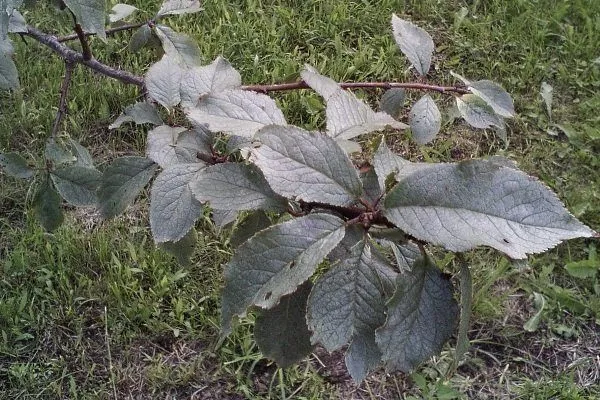
Treatment. None. It's necessary to increase the plum tree's frost resistance, insulate it for the winter, whitewash the trunk, and coat the cuts with garden pitch.
It is recommended to purchase seedlings from trusted sellers – in reliable nurseries – and to destroy infected plants in a timely manner.
Fruit rot
The symptoms are similar to moniliosis (gray rot), but it only affects fruits that are damaged.
Reasons. The fungus spreads rapidly in damp, rainy weather.
Symptoms. Brown spots appear on plums, quickly spreading and covering the entire surface of the fruit. Symptoms of rot appear in July, when birds peck at the plums and insects eat them.
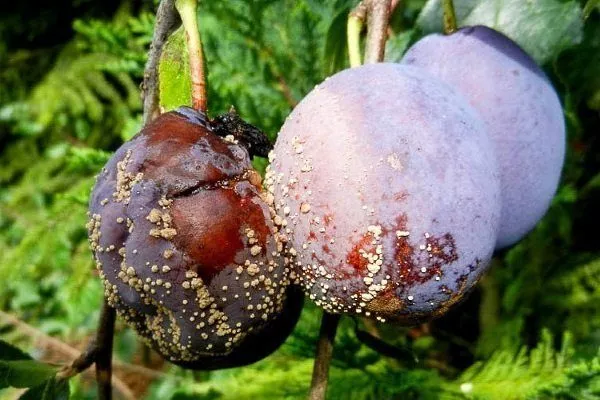
Treatment. Trees are treated with 1% Bordeaux mixture.
To prevent fruit rot, pests are destroyed in a timely manner and rotten plums are buried.
After disposing of infected fruit, gardeners should thoroughly disinfect their hands. If healthy fruit is touched with unwashed hands, the fungus will be immediately transmitted.
Plum tinder fungus
This fungus settles on the tree trunk (affects plum, cherry, sweet cherry, less often - apple and pear trees).
Reasons. Penetration occurs through areas affected by sunburn, frost, and insects.
Symptoms. Mushrooms appear on the trunk as growths. The mushroom has a hard, hoof-shaped body. Its surface is initially velvety, then becomes smooth and grayish-black.
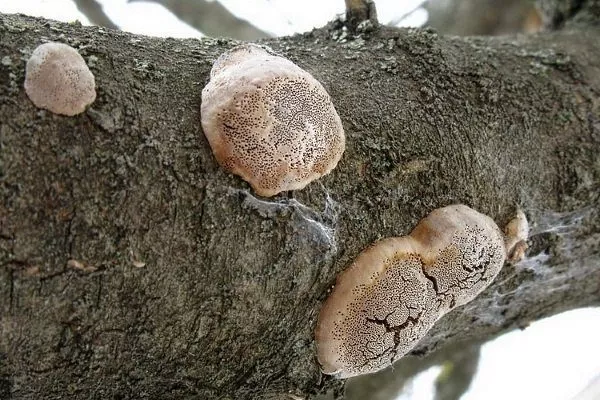
Treatment. Treating wounds and cracks in the bark. Destroying fungal fruiting bodies. Damaged areas are washed with a copper sulfate solution, then filled with a sand-cement mortar.
All dry and damaged branches are removed and burned in a timely manner – they are what attract tinder fungi.
Sooty mold
Gardeners often refer to this disease as "black spot." The pathogen lives in colonies on leaf blades. The fungal growths interfere with normal photosynthesis, weakening the tree.
Reasons. Fungus is carried by parasitic insects and appears in conditions of excessive moisture.
Symptoms. Leaves and shoots become covered with a black coating that can be easily wiped off.
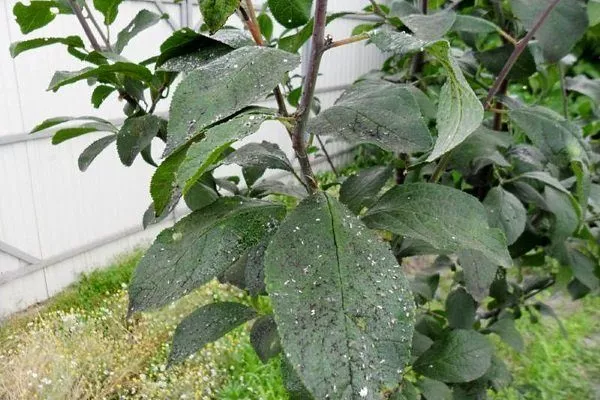
Treatment. Spraying with a soap-copper solution. Dissolve 140 g of laundry soap shavings and 5 g of copper sulfate in 10 liters of water. To prevent this, it's important to prevent crown thickening and eliminate pests promptly.
Infectious (viral) diseases of plum
Viral diseases are particularly dangerous—they are practically untreatable. Viruses are transmitted by insects.
- ✓ The concentration of the solution must strictly comply with the manufacturer’s recommendations; exceeding it may cause leaf burns.
- ✓ The optimal temperature for processing is from +12 to +25°C; outside this range, efficiency decreases.
- ✓ Treatment time: early morning or evening to avoid rapid evaporation of the product.
Plum pox (sharka)
Gardeners often call this disease "pox." This viral disease attacks leaves, causing them to become spotted and streaked, giving them a "marbled" appearance. The disease is widespread throughout the south and central regions.
Reasons. Plums are infected by insects. The virus is carried by aphids, which infest a variety of plants. Sweet clover, nightshade, and clover can all serve as sources of infection. The virus can hide in seedlings and is often carried by gardening tools.
- ✓ Change in leaf color to a paler or yellowish hue without visible spots.
- ✓ Premature fruit drop not related to ripening or disease.
Symptoms. Spots appear on the fruit, the flesh is affected right down to the pit, and it loses its natural flavor. The spots eventually become sunken. Affected fruits, ripening prematurely, fall or, having dried out, remain hanging on the branches.
Watch a video about the plum pox virus disease:
Treatment. The disease is incurable. All infected trees are burned. The fight against smallpox lies in prevention—the timely destruction of virus carriers.
When pruning several trees in a row, it is important to disinfect pruning shears and other tools.
Plum dwarfism
It is caused by a virus that replicates in the cells of living organisms. The tree's growth slows and then dies.
Reasons. Spreaders are parasitic insects (aphids, mites, etc.).
Symptoms. Leaves become smaller and then deformed. Clumps of diseased foliage form at the tips of branches. Buds become deformed or fail to grow at all.
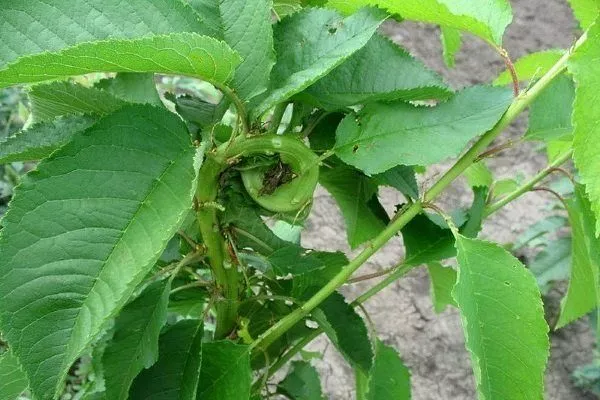
Treatment. Like most viral diseases, dwarfism has no cure. Affected trees are uprooted and burned.
To avoid infection, planting material is purchased from reliable nurseries, insect pests are destroyed in a timely manner, and all necessary preventive measures are carried out.
Bacterial diseases
This group of diseases is caused by bacteria and microbes. Infection usually occurs through tools or seedlings purchased from unauthorized suppliers.
Root cancer
Cancer is becoming more active and is affecting almost all fruit trees.
Reasons. The pathogens are bacteria found in the soil. They enter plant tissue through damaged roots. Severe droughts and slightly alkaline environments are triggers.
Symptoms. Growths appear on the plum tree roots.
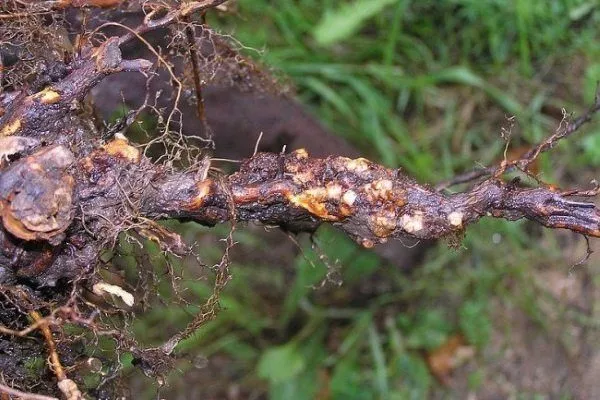
Treatment. Diseased trees are destroyed. The soil is disinfected with copper sulfate. All tools are disinfected with 0.5% chloramine.
It is recommended to place the garden in places free from root cancer.
Bacterial burn
This disease can kill even the largest tree. It attacks trees in spring and fall.
Reasons. The triggering factor is dampness. Infection occurs from diseased plants that carry the bacteria.
Symptoms. Affects the entire above-ground part of the tree. The bark cracks. Leaves and buds turn black and dry out. Flowers turn dark brown and fall off.
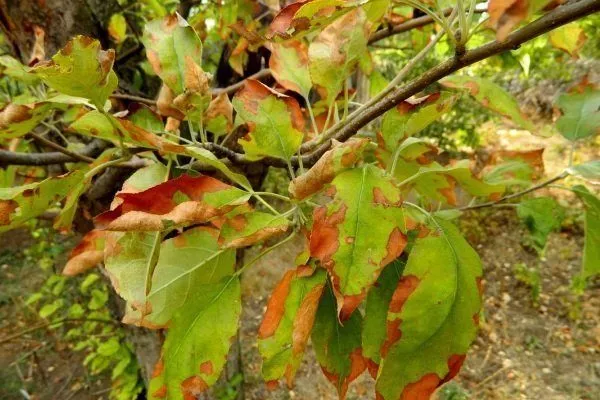
Treatment. Spray with a 1% copper sulfate solution (100 g per 10 liters of water) before bud formation. Treat with antibiotics.
To avoid infection, use only healthy seedlings and destroy infected branches and entire trees in a timely manner.
Non-communicable diseases
Non-infectious diseases are caused by poor agricultural practices. Improper care, such as pruning or watering, can trigger systemic problems that cannot be treated with conventional medications.
Gum flow
Another name for this disease is gummosis. This disease is common to all stone fruit trees. It's not infectious, but it's no less dangerous. If treatment isn't taken promptly, the tree dies.
Reasons. It most often appears on trees damaged by severe frosts, fungal infections, or other diseases. Gum flow often indicates excessive moisture or acidity in the soil. The problem often arises in the gardens of inexperienced gardeners who have overdosed on fertilizer.
Symptoms. The trunk is covered in droplets of translucent gum (resin). This creates a risk of infection through gum-exuding wounds.
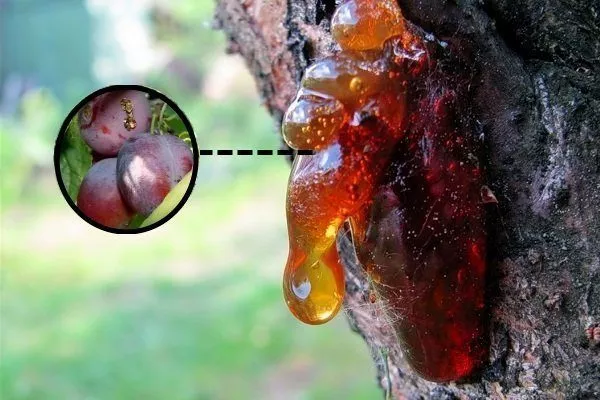
Treatment. To save a tree from gum leakage, a whole range of measures must be taken:
- The place where the gum is leaking is cleaned with a garden knife.
- Disinfect the wound with 1% copper sulfate.
- After a couple of hours, the wound is rubbed with sorrel leaves - this is repeated several times.
- Cover the damaged area with garden pitch.
To prevent plums from developing gummosis, they require proper care: moderate watering, the correct dosage of fertilizers, and treatment of wounds after pruning.
Drying out
This disease is caused by improper plum growing conditions.
Reasons. Close groundwater levels, gum flow, and freezing. Highly alkaline or acidic soils contribute to desiccation. Salt marshes are also unsuitable for plums.
Symptoms. Drying of leaves.
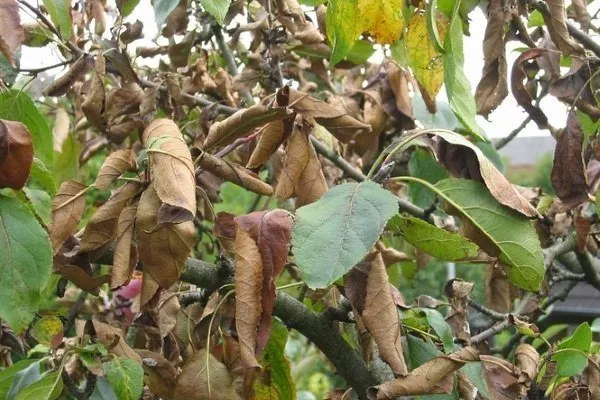
Treatment. Eliminate disease-provoking factors. Adhere to agricultural practices.
Parasites
Plum trees have plenty of insect enemies. Parasitic pests weaken the tree, reduce productivity, and can even kill it.
Gall mite
These are micro-insects of purple or pink color.
Harm. The parasites nest in growths located near fruit buds called galls. A single gall can contain up to 400 mites. In late spring, the mites crawl out to feed on the plant's cellular juices. Malformed reddish growths, which form at the affected areas, indicate a tree infestation.
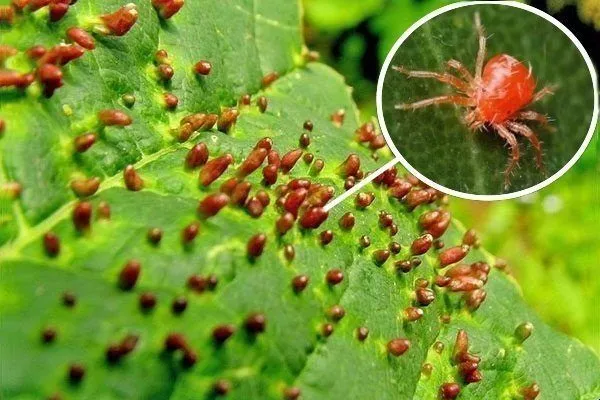
Treatment. Once the plum tree has finished blooming, it is treated several times with colloidal sulfur. If the infestation is widespread, the affected shoots are cut off and burned. Insecticides are effective at the initial stage of mite activity.
To prevent infection, trees are sprayed in a timely manner, whitewashed, wounds and cracks are sealed, and agricultural practices are observed.
Goldtail
This is a small butterfly from the silkworm family. It is often mistaken for a harmless moth. It has a yellow, almost golden abdomen and shaggy antennae. The caterpillars are hairy, gray-black, with an orange-red pattern. The caterpillars are 4 cm long. The butterfly lays eggs directly on leaves.
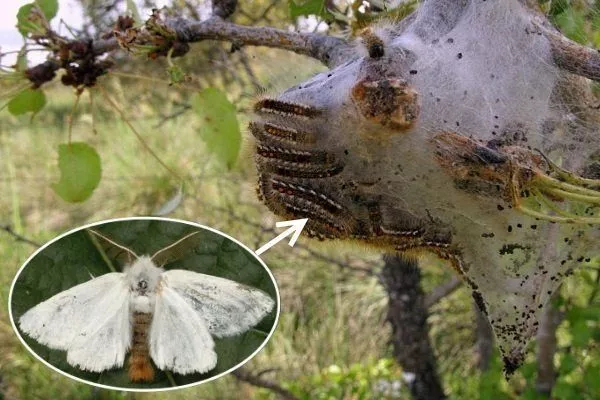
Harm. The damage caused by the goldtail moth becomes apparent as soon as the buds open—the caterpillars greedily consume them. These voracious pests quickly consume the foliage, causing irreparable damage. Tree growth slows. Left without leaves, the tree may die altogether.
Treatment. Spraying with malathion solution.
Attracting predatory insects and birds to the garden can help prevent a golden-bellied butterfly infestation. For example, the tahida fly feeds on the larvae. Vigilant inspection after leaf fall is also necessary. If cocoons are found on branches, they should be collected by hand. If there are numerous cocoons, the affected branches should be pruned and burned.
Plum codling moth
The pest is a gray-brown butterfly. It lays eggs in green plums.
Harm. Caterpillars hatch from eggs and eat away the plum flesh. The damaged fruits turn dark and quickly fall off.
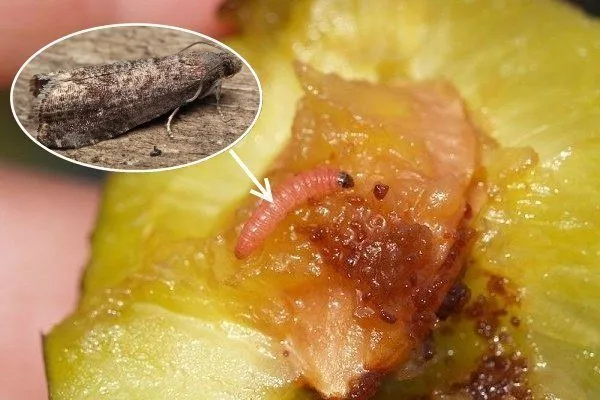
Treatment. Preventive spraying with malathion helps.
To reduce codling moth infestations, I cultivate the soil to destroy the insect's nests. All damaged areas are disinfected with potassium permanganate and sealed with garden pitch.
Aphids on a tree
"Flocks" of small, pale green insects harm trees by sucking their sap.
Harm. Aphids feed on plum tree sap, weakening it. The tree's shoot tips curl, growth is poor, and the leaves dry out and fall off. If you turn a leaf over, you'll see a colony of aphids on the underside.
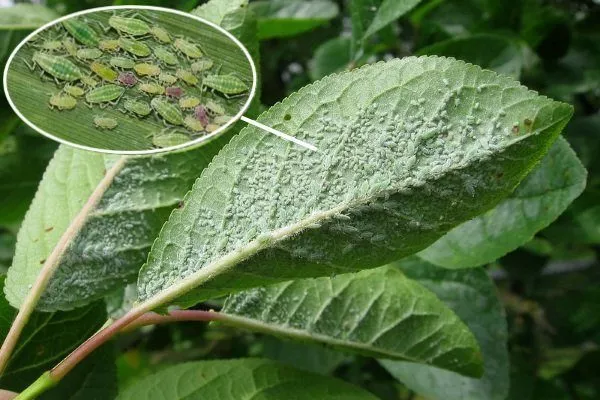
Treatment. As soon as the growing season begins, the tree is sprayed with aphid control products. Repeat treatment after two weeks.
Proper agricultural practices, timely pest control, soil loosening, weed removal, etc., help prevent aphid attacks.
Hawthorn
This is a large butterfly with a wingspan of 6.5 cm. It is white and black in color, with black veins on its wings. The caterpillars are hairy, with black and orange stripes.
Harm. The pest eats everything except the bark. The plum tree weakens and dies.
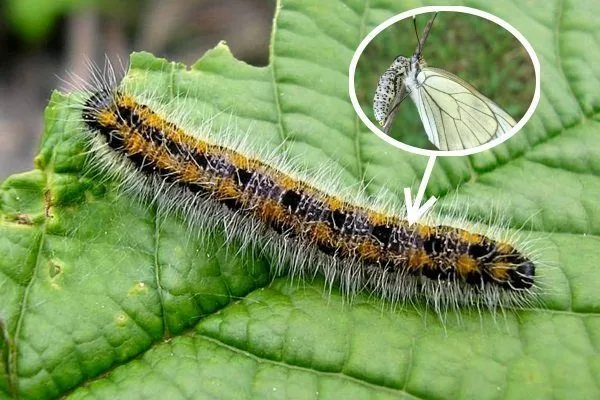
Treatment. A full range of possible treatments is used. Caterpillars are shaken off, trees are sprayed with insecticides, and in early spring they are treated with a solution of urea and copper sulfate (500 g of urea and 100 g of copper sulfate per 10 liters of water). Plum trees are sprayed with insecticides before and after flowering. DDT, Metaphos, Thiophos, and other products are also used.
Preventive measures include attracting birds to the site, regularly inspecting trees, and fertilizing them with mineral and organic fertilizers.
Plum sawfly
The adult insect has membranous wings. It feeds on the sap and pollen of inflorescences. The larvae—pale green caterpillars—damage the tree. Sawflies lay eggs in the buds.
Harm. The hatched larvae penetrate the fruit and consume the ovary pulp. The second- and third-instar offspring consume the part of the fruit near the pit. The damaged plums fall off.
You can see the damage caused by plum sawfly larvae in the following video:
Treatment. Apply 10% Karbofos and 10% Benzophosphate to areas with the highest insect concentrations. The first treatment is two days before flowering. You can also spray with Rogor, Gardon, or Cidial. The second treatment is aimed at larvae and is carried out after flowering, when the tree is sprayed with Tarzan or Novaktion.
Prevention of sawfly infestations involves destroying the larvae by loosening and deep digging the soil. It is recommended to remove wormy fruits by shaking.
Plum weevil
This beetle is bronze in color with a reddish-copper sheen. The insect is 3.5-4.5 mm long and covered in dense hairs. The larvae are yellow-white, with a brown, arched head.
Harm. The beetles feed on buds in the spring, then move on to the leaves. Females lay eggs in the flesh of the ovaries. After hatching, the larvae feed on the plum flesh. The larvae then pupate in the mummified fruit, and in the fall, adult beetles emerge from the soil.
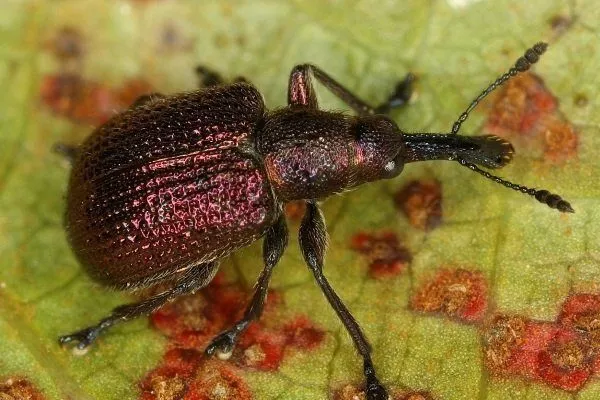
Treatment. Spray with insecticides such as Karbofos, Vofatox, and others. The first treatment is before flowering.
Prevention is similar to measures taken to combat the plum sawfly: loosening, digging, destruction of affected fruits and other agricultural measures aimed at destroying pests.
Most plum diseases are treatable, and the sooner treatment is started, the more effective it is. Prevention deserves special attention – many diseases can be prevented through timely spraying and proper agricultural practices.
Hello, colleagues!
My plum tree is suffering from some kind of disease. I've attached a photo. Can you tell me what it is and how to treat it?
Thank you!