
Cherry plum is a valuable and delicious fruit bush that, with proper care, produces a bountiful harvest. However, like many garden crops, it is susceptible to various diseases and pests. Understanding the main challenges and solutions will help gardeners maintain the tree's health and protect their harvest.
Cherry plum diseases
Cherry plum is a hardy plant, able to withstand both frost and drought. It has good immunity to various diseases, but is not completely immune. If signs of infection appear, it is important to promptly seek treatment.
Hollow spot
This dangerous fungal disease exclusively affects stone fruit crops. It thrives especially in conditions of high humidity and warmth. The infection is easily transmitted by wind, spreading both within a single tree and to neighboring plants.
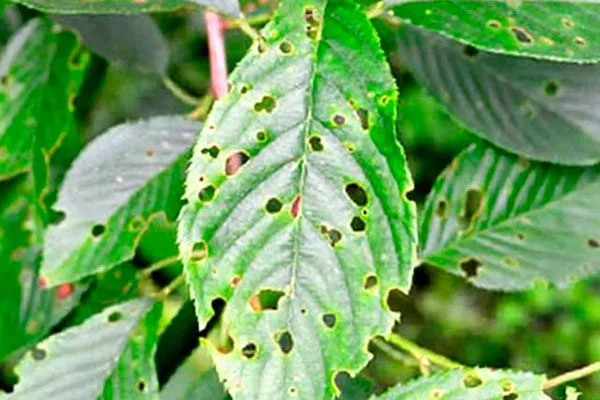
Pay attention to the characteristic signs of the disease:
- the appearance of dark brown spots and holes on the leaves;
- through holes in foliage;
- yellowish discharge on shoots and fruits;
- fruit deformation and tree growth retardation;
- decreased yield and weakened plant immunity.
At the first signs of symptoms, don't rely on folk remedies. It's most effective to use fungicides, strictly following the instructions. In practice, the following have shown good results:
- Captain;
- Zineb;
- Phthalan.
Treatment with these preparations will help stop the spread of infection and maintain the health of the tree.
Milky shine
This fungal disease most often manifests itself in spring and fall, when there are sharp temperature fluctuations and the soil and air are highly humid. The disease is recognized by a sudden silvering of the foliage: green leaves turn silvery-white.
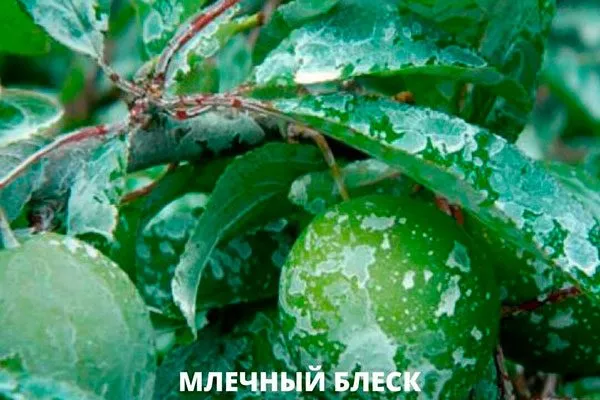
If you examine an affected leaf closely, you'll notice small blisters on the surface—one of the characteristic signs of the disease. Milky sheen is particularly common in southern cherry plum varieties with low winter hardiness.
To fight the disease it is necessary:
- thoroughly spray the entire above-ground part of the tree;
- loosen the soil in the tree trunk area and spray it;
- Collect and burn fallen leaves to prevent re-infestation.
Copper-containing preparations are effective for treatment. Since there are no fruits on the tree in spring and fall, the following can be safely used:
- Bordeaux mixture (1-2%);
- iron sulfate;
- HOM;
- OxyHom and other similar products.
Timely treatment will help stop the development of the disease and maintain the health of the tree.
Moniliosis
A fungal disease that manifests itself in two forms: spring and fall. It is dangerous because it can spread quickly and affect not only leaves and flowers, but also fruits, and eventually even wood.
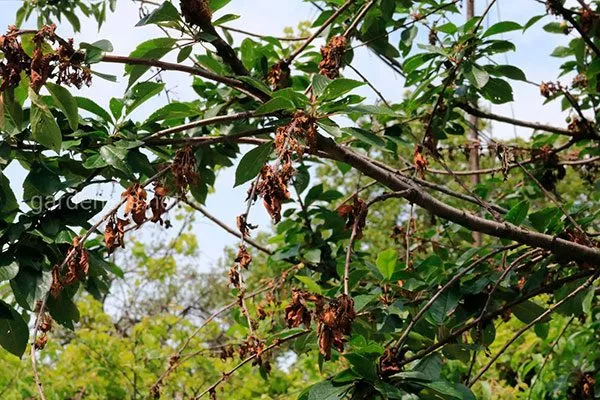
In spring, moniliosis most often looks like a burn:
- the disease develops during the period of swelling of buds and flowering;
- the leaves turn brown, curl and dry out right on the tree;
- The flowers fade but do not fall off, which distinguishes moniliosis from the consequences of frost.

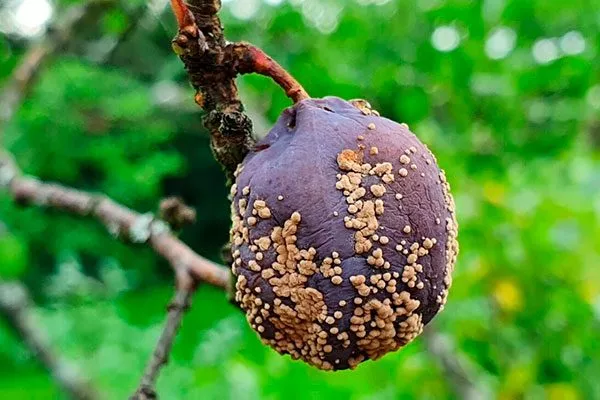
In autumn the disease manifests itself in the form of fruit rot:
- the fruits wrinkle, dry out, and become covered with a gray coating of spores;
- the fungus can penetrate the wood, causing cracks in the bark and general weakening of the tree;
- Simply collecting and burning rotten fruit is not enough – complex processing is required.
To combat moniliosis, use:
- folk remedies, for example, mustard solution (80 g per 10 liters of water);
- chemical preparations, especially if the fruits have already been picked or there is still at least a month left before picking – Fitolavin helps well.
Marsupial disease
A fungal disease known as "plum pocket" poses a serious threat to stone fruit crops, especially cherry plums. It not only impairs the fruit's appearance but also significantly reduces yield.
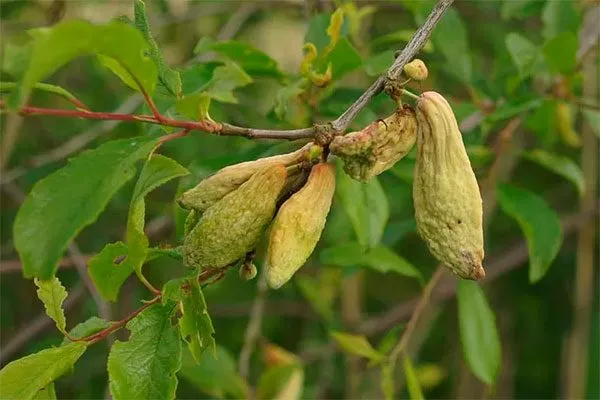
The main signs of infection:
- fruits become deformed, elongated and seedless;
- the characteristic color of cherry plum is lost;
- a white coating appears on the surface;
- infected fruits become unfit for consumption;
- Fungal spores spread throughout the tree.
At the first symptoms, it is necessary to collect and destroy all affected specimens to avoid further infection.
For prevention and treatment use:
- in the spring – Bordeaux mixture 2% for spraying all stone fruit trees;
- after flowering – Horus drug, especially if there were already cases of infection last season.
Timely measures will help protect the garden from crop loss and maintain the health of plants.
Coccomycosis of cherry plum leaves
This fungal disease primarily affects cherry plum leaves. It develops most rapidly at temperatures between 18 and 23°C and high humidity. In hot climates, the fungus is rare, as it cannot withstand high temperatures.
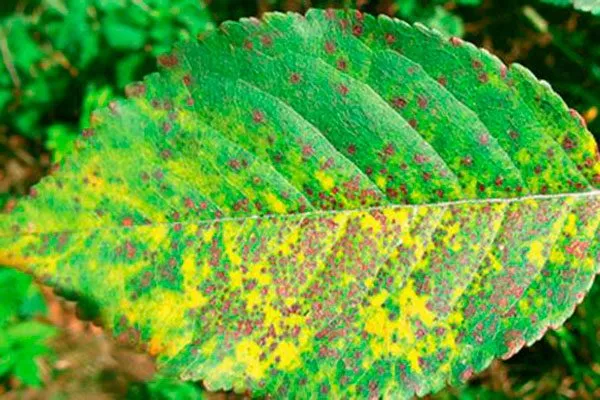
The main signs of coccomycosis:
- the appearance of scarlet-brown spots on leaves in mid-summer;
- gradual increase in the number of spots and their merging;
- yellowing and premature fall of leaves;
- A white, rough coating on the underside of the leaf is a cluster of fungal spores.
To protect plants it is necessary:
- carry out preventive spraying in spring and autumn with 2% Bordeaux mixture;
- whitewash the trunks with lime to reduce the spread of infection;
- If symptoms appear, use Horus or Topsin-M, which effectively suppress the fungus.
Timely measures will help maintain the health of the tree and prevent the loss of foliage and crops.
Pests of cherry plum
In addition to fungal diseases, cherry plums often suffer from insect infestations. Parasites can cause just as much damage as infections: they damage leaves, shoots, buds, and fruits, weaken the tree, reduce yield, and can transmit dangerous diseases.
Brown fruit mite
This dangerous pest can seriously weaken a tree and even cause its death. It feeds on plant sap, disrupting photosynthesis and water exchange. The pest is very small—about 1 mm—making it difficult to detect.
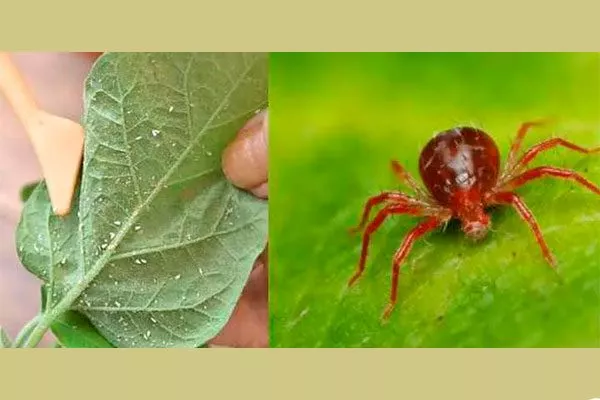
The spider mite prefers lower branches, avoiding sunlight, which is harmful to it. Therefore, it is important:
- carry out pruning in a timely manner, preventing the crown from becoming too dense;
- remove old and peeling bark, seal cracks in the trunk;
- whitewash trees with lime solution in early spring.
In case of a mass pest infestation, it is effective to use:
- Fufanon;
- Fitoverm;
- Neoron.
Early prevention and treatment will help prevent infection and maintain the health of the cherry plum.
Slimy sawfly
The pest resembles a small leech in appearance. Its dark larva is virtually immobile, but can quickly consume an entire leaf blade, leaving only the veins. Females reach 5-7 mm in length, while males are approximately half that size.
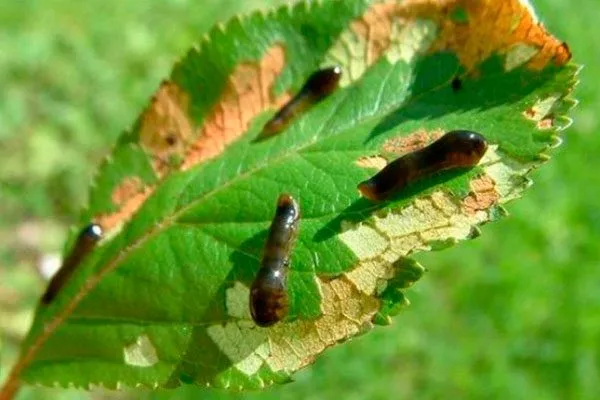
When in large numbers, this pest can cause significant damage to foliage:
- they become skeletal and fall off prematurely;
- trees become weakened, yields decrease, although the plant usually does not die;
- Mass chemical treatments are usually not carried out, since there are few pests.
To combat sawflies, the following are most often used:
- folk remedies - for example, an infusion of chamomile and wormwood (300 g of chamomile and 400 g of wormwood per 10 liters of water, leave for 24 hours);
- treatment is carried out once a week, starting from the moment the pest appears until the harvest is harvested;
- Biopreparations can also be effective and safe for the environment.
Yellow plum sawfly
This whitish, fairly large caterpillar causes serious damage to fruit, actively eating away at the pulp from the inside. The pest overwinters as a pale green pupa, and in the spring, a butterfly emerges, feeding on pollen and even contributing to pollination.
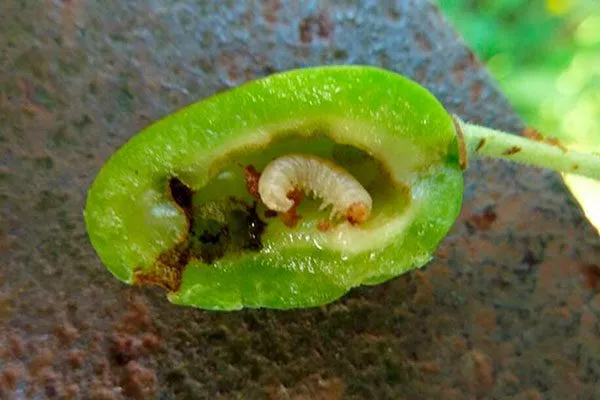
However, the larvae are extremely dangerous:
- capable of damaging more than 50% of the crop;
- penetrate into the fruits, making them unfit for consumption;
- spread quickly, especially in warm and dry weather.
For effective control, use only chemicals:
- Fufanon;
- Novoaktion.
Folk remedies against this pest are ineffective, so it is important to carry out timely treatment to protect the crop.
Oriental codling moth
The insect was imported from Turkey. It has become a serious problem for our gardens, causing even more damage than in its native land. This pest, a member of the leaf roller family, can destroy up to 100% of the cherry plum crop.
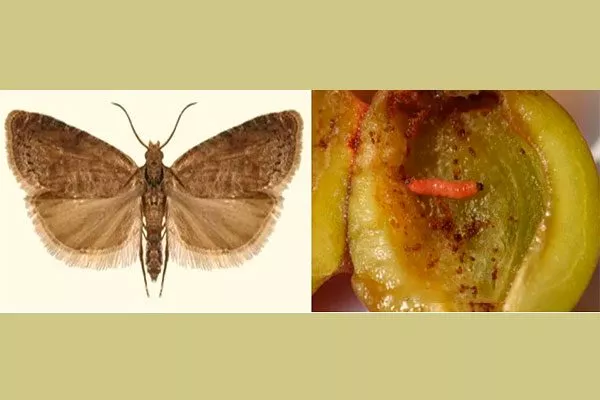
It is not the adult butterflies that pose a danger, but their larvae, which:
- they gnaw through shoots and fruits, leaving long passages inside;
- In winter they turn into pupae, remaining both on the tree and in the soil.
To protect your garden, it is important to:
- collect and remove fallen leaves;
- clear the bark of damaged areas and loosen the tree trunk circles;
- install trapping belts that will prevent caterpillars from reaching the shoots;
- use pheromone traps to capture flying butterflies.
Often these measures are sufficient to control the pest, and then the use of chemicals can be avoided.
Plum codling moth
This parasite, a member of the leaf roller family, produces delicate pink caterpillars that actively consume the stems and fruit itself, destroying the seeds and pulp.
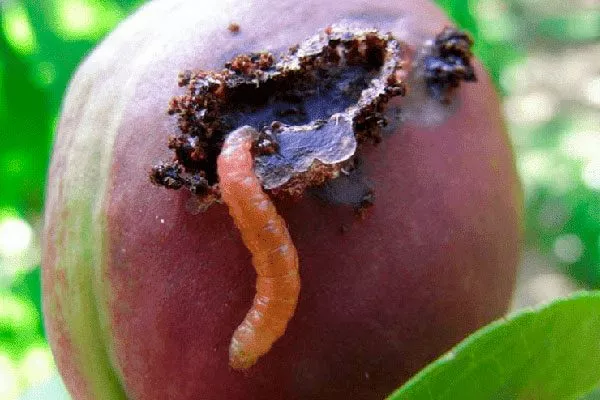
Control methods for this insect are similar to those used against the oriental codling moth. They help effectively control the pest population and preserve the harvest.
Aphid
The pest feeds on leaf sap, causing them to become deformed, and young shoots to become weak and susceptible to disease. If you notice curled leaves or distorted young shoots on your cherry plum, it's most likely aphid. The black variety, which gathers in large colonies, is particularly common.
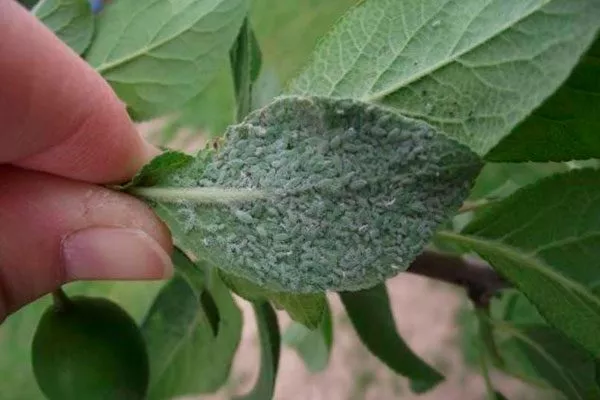
For prevention, it's recommended to plant dill, parsley, or mint near the tree—their aroma repels pests. If aphids have already appeared, effective methods of control include:
- Aktara;
- Fufanon;
- Confidor.
Timely treatment will help protect the tree and maintain the health of the plants.
Subcortical leaf roller
Caterpillars cause significant damage to trees by boring holes into the wood. This slows growth, leads to the drying of skeletal branches, and reduces yield. Damaged branches must be collected and burned to prevent further spread of the pest.
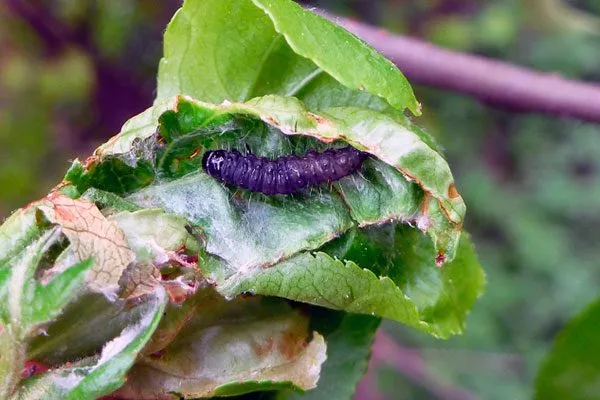
Pheromone traps are effective against moths, helping to reduce adult populations. Caterpillars are killed with insecticides, the same ones used against aphids.
General rules of prevention
Cherry plum health depends largely on timely prevention and proper care. Preventing diseases and pests is much easier than dealing with their consequences later. Knowing and implementing basic preventative measures will help keep the tree strong and productive.
Main events:
- To reduce the risk of infection and damage in spring and autumn, be sure to whitewash trunks and skeletal branches with lime solution.
- Regularly feed the cherry plum with organic and mineral fertilizers – this strengthens the plant's immunity and helps it better resist diseases.
- It is useful to grow aromatic plants in the trunk area - dill, lavender, mint, which repel many pests.
- As a preventative measure, don't forget to spray the trees with a solution of laundry soap, especially before and after flowering.
- Inspect your plantings regularly to detect pests early and take appropriate measures. This comprehensive approach will help maintain the health of your cherry plums and ensure a bountiful harvest.
Understanding the diseases and pests that most commonly affect cherry plums, as well as timely preventative and curative measures, significantly increases the chances of successfully growing a healthy and fruitful tree. Regular care, monitoring, and proper treatment will help protect your garden and ensure a stable harvest for years to come.