
The Blue Sweet plum is a columnar variety that stands out for its compact growth habit, early fruiting, and delicious, aromatic fruits. Thanks to its good frost resistance and minimal care requirements, this cultivar is becoming increasingly popular among gardeners in both mild and colder climates.
History of selection
This relatively new variety was created by cross-pollinating locally selected varieties: Dachny and Bliznets. Hungarian breeders worked on its creation.
The concept of a plum
Blue Sweet is an easy-to-grow variety with excellent varietal characteristics. It is grown both in home gardens and for commercial production.
| Name | Frost resistance | Self-fertility | Ripening time |
|---|---|---|---|
| Plum Blue Sweet | High (up to -35°C) | Self-sterile | August |
| Stanley Plum | Average (up to -25°C) | Self-fertile | September |
| Bluefree Plum | High (up to -30°C) | Self-sterile | August |
The appearance of the tree
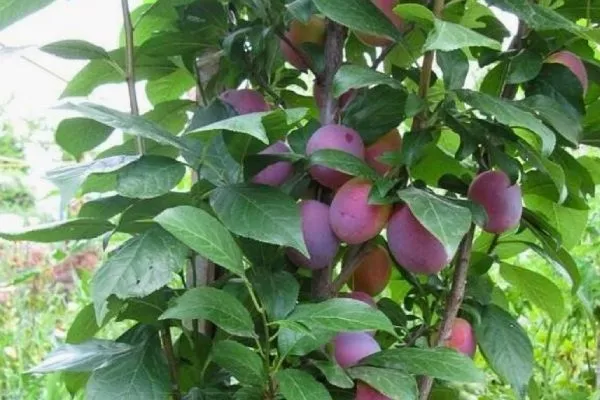
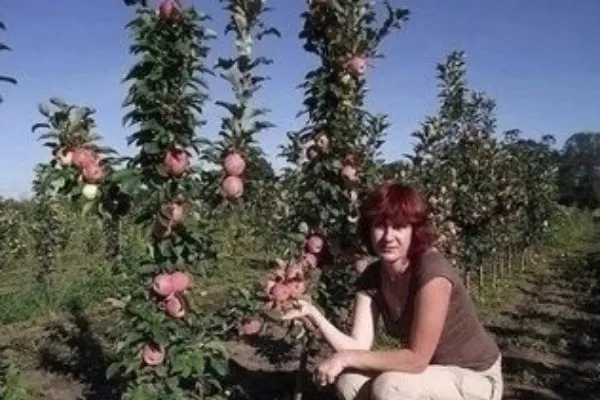
A low-growing plant with a narrow, pyramidal, compact crown. Its diameter varies from 70 to 90 cm, and its height reaches 2-2.2 m. The branches are covered with large, elongated leaves, colored a dark green.
Fruits and their taste characteristics
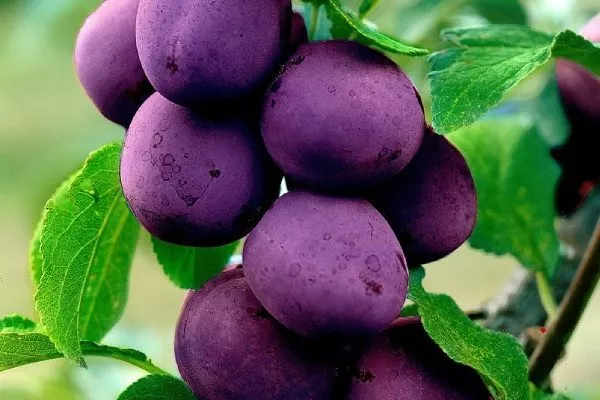
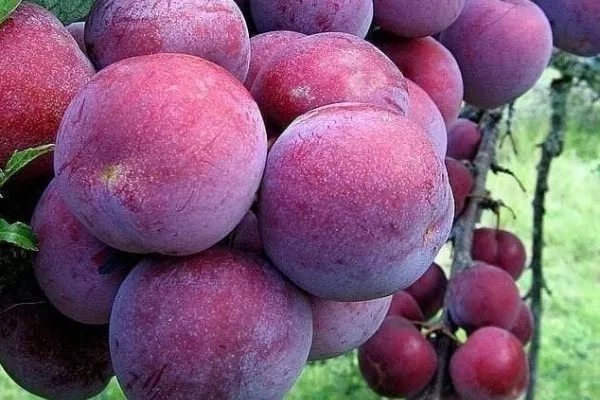
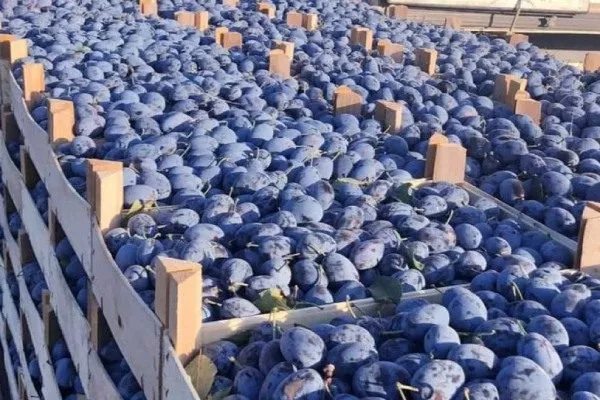
Ripe fruits are purple and round. They are large, weighing 50-75 grams each. Beneath the skin lies pink flesh—sweet with a noticeable tartness. The pit is small and easily separated.
Frost resistance and climate
This variety is highly winter-hardy and can withstand temperatures down to -35°C, but the tree's top may freeze in severe frosts. Before winter frosts, mulch the area around the tree trunk and carefully cover the trunk.
In regions with harsh winters, choose seedlings on frost-resistant rootstocks. Plum is drought-resistant, but yields decrease with insufficient moisture. Blue Sweet plums are successfully grown in temperate climates, especially in central Russia.
Self-fertility and the need for pollinators
This is a self-sterile variety. For pollination, it is recommended to use pollen from the Stanley or Bluefree plum.
Yield and ripening time
The crop begins to flower in the first year after planting, but productivity only increases in the second year. Ripe fruit is harvested in August. One tree can yield 15-16 kg of fruit.
Landing
This variety requires strict adherence to growing and agricultural practices. Only by meeting these conditions will it ensure proper development and a bountiful harvest.
Rules and terms of planting
Unfavorable weather conditions and low temperatures can damage the upper parts of the plant, negatively impacting its development and crown formation. Consider the climate conditions of your region.
In southern Russia, the optimal time is considered to be autumn, while in other regions, it's spring, after the final onset of warm weather. Spring planting is preferable, as the tree is particularly sensitive to low temperatures during the first two years. This will give the seedling more time to adapt.
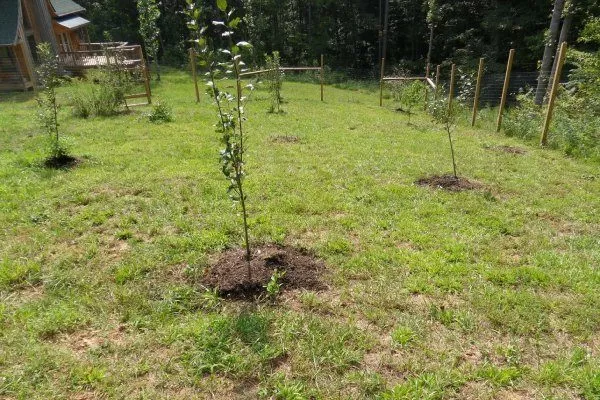
Choosing a suitable location
The crop places high demands on soil quality, so the site must be fertile. Soil preparation involves the following steps:
- Add 3 kg of humus and loosen the soil thoroughly.
- The day before planting, dig a hole that is twice as deep as the root system and 40 cm wide.
- Add superphosphate and potassium to the soil from the hole in proportions of 100 and 80 g, respectively.
- Pour some of the nutrient soil mixture into the bottom of the hole so that it has time to compact before planting.
- ✓ The planting depth should be such that the root collar is 3-5 cm above the soil level.
- ✓ The distance between seedlings should be at least 2 meters to ensure sufficient space for growth.
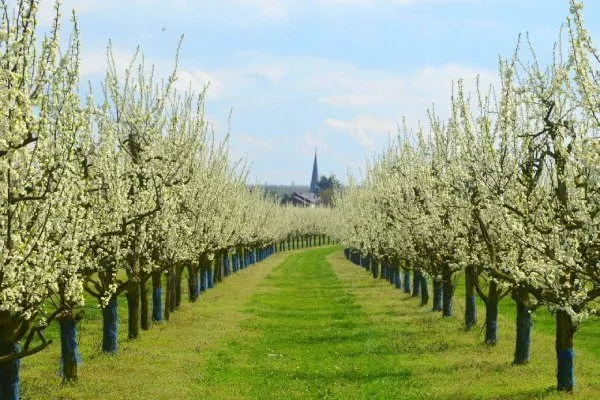
Preparation of planting material
Choose young, one-year-old seedlings. After planting, trim the tops, then shape the crown according to your personal preferences.
When choosing planting material, pay attention to the following points:
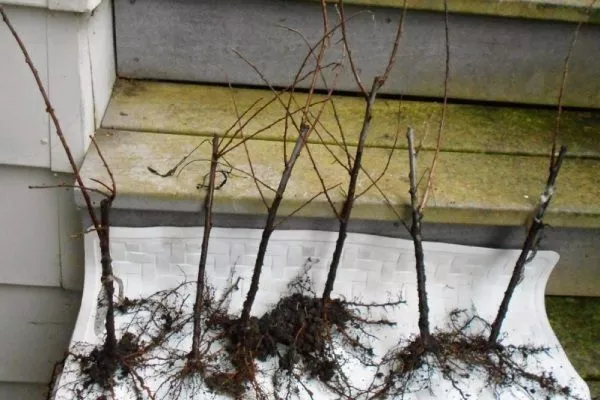
- Roots should be light in color. Avoid hard, dry parts, thickenings, or unusual growths, as these may indicate a fungal infection. When breaking off a root, the wood should be light in color.
- Gently peel away the bark – there should be succulent wood underneath.
- Only one shoot grows from the graft.
- ✓ The presence of living, not dried out roots without signs of fungal diseases.
- ✓ No mechanical damage to the trunk and branches.
Transplant the purchased seedling to its permanent location as quickly as possible to prevent the roots from drying out. Before transplanting, soak it in a solution for several hours to stimulate development and growth.
Landing algorithm
Adherence to cultivation guidelines is key to further development. Follow these instructions:
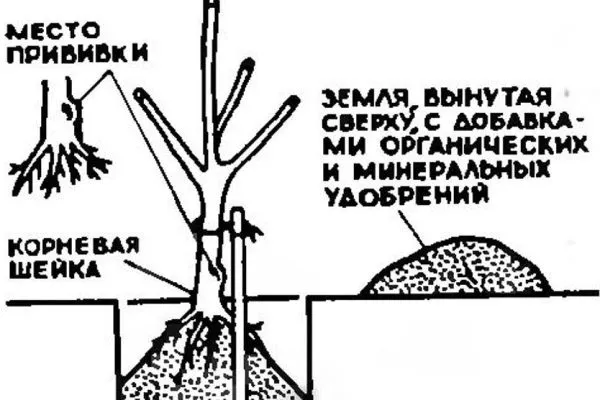
- At the bottom of the hole, form a small mound of soil mixture and place the young tree, spreading out the roots.
- Place it in the center so that the grafting site is above the soil level.
- Place a tall stake nearby and then tie the seedling to it.
- Fill the hole with soil, shaking the plant periodically to fill the voids. Firm the soil firmly.
- Dig a shallow ditch around the area to collect water during watering.
- Tie to a stake for extra support.
After the procedure, apply a root growth stimulant solution, such as Kornevin. To do this, dilute 5 g of the solution in 5 liters of water and water the seedling with 350 ml. Repeat the procedure after three weeks. This will help stimulate root development.
Aftercare
To improve productivity and strengthen immunity, it's important to take care of your crop. Adhering to proper agricultural practices will help you produce high-quality fruit.
Watering frequency
Provide regular watering during the off-season and summer. Irrigate the plant into a depression around the trunk, applying at least 20 liters of water at the root zone. Combine this with organic and mineral fertilizers. Water once a month, and during prolonged dry periods, increase the frequency to twice a month.
Top dressing
Blue Sweet requires regular urea fertilization. To do this, prepare a solution: 50 g of the product per 10 liters of water. Apply 2 liters under each tree. Apply three times per season: during bud break, two weeks after the first fertilization, and two weeks after the previous fertilization.
Starting at two years of age, begin feeding your plum tree with saltpeter, dissolving 20 g of the solution in 1 liter of water. Apply nitrogen fertilizers in the spring, potassium-rich fertilizers in the summer, and phosphorus fertilizers in the fall.
Pruning and crown shaping
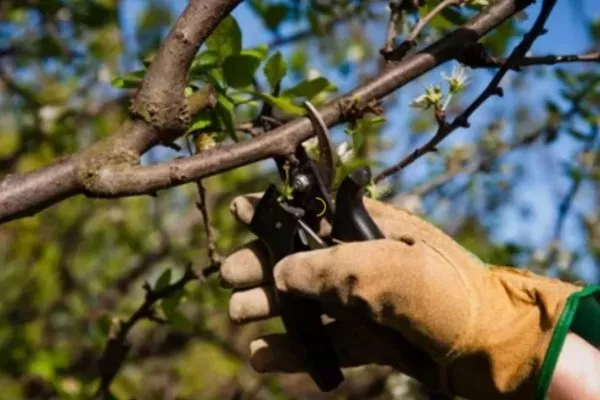
Blue Sweet does not require pruning unless the branch tips are damaged by severe frost. Otherwise, skip the procedure. Pruning is sometimes necessary to obtain grafting material, as branches root well on rootstocks at least 15 cm long.
Diseases and pests – control and prevention
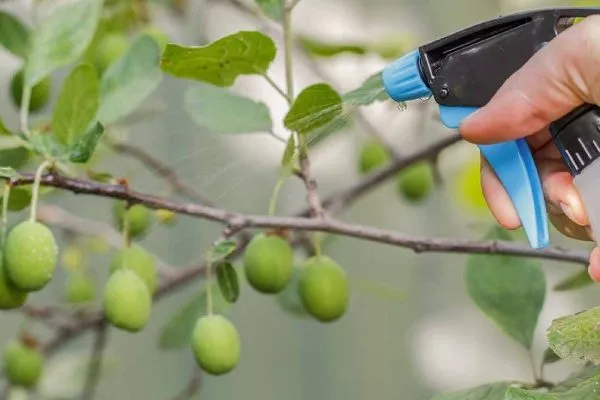
Failure to follow proper agricultural practices can expose crops to various problems. The most common diseases and insects, and how to control them, are:
- Californian scale insect. They feed on the sap of bark, leaves, and fruit, which negatively impacts the tree's health. Treat with specialized larval control products. In spring, cover the ground with white non-woven material to repel insects.
- Reticulated leaf roller. The larvae feed on the pulp, while the caterpillars feed on annual shoots and buds. As a preventative measure, collect and burn fallen leaves. In summer, spray the plants with insecticides.
- Aphid. It sucks the sap from young shoots, causing them to dehydrate and stunt growth. Apply nutrients promptly. In summer, flush away insects with a stream of water and apply insecticides.
- Sharka or smallpox. The foliage takes on a yellow-green tint with indistinct borders. The infection is spread by aphids. Remove weeds promptly and use insecticides.
- Polystigmosis. Red-orange spots appear on the green foliage, which eventually lead to drying and shedding. Collect and burn plant debris. Fungicides are effective after flowering.
- Moniliosis. Mold forms on the fruit, which begins to rot and fall off, while those remaining on the branches dry out. The fungus can cause partial or complete destruction of shoots. In the spring, remove mummified plums and affected branches and dispose of them. Before flowering, treat with special preparations.
Preparing for winter
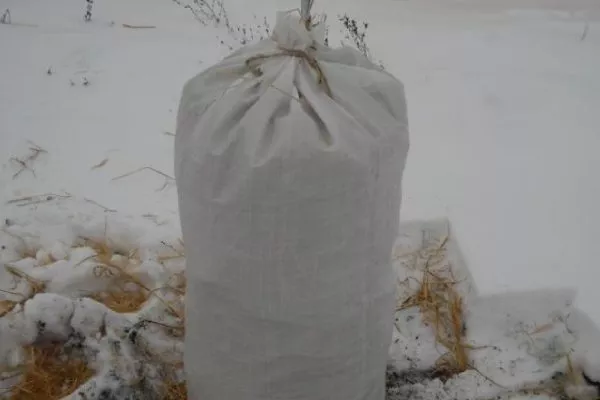
Use non-woven fabric for covering: cut a 1.5 x 1.5 m piece of fabric and wrap it around the tree's crown. For a greater warming effect, fold it in half, increasing the length to 3 m. Remove the covering when the weather becomes consistently warm, before the buds open.
Tips and recommendations for growing
By following the advice of experienced gardeners, you can avoid many mistakes when growing crops. Follow these tips:
- Avoid planting seedlings too close together. Maintain adequate space between them and between rows to ensure good air circulation and sufficient light.
- Install supports nearby. A tall wooden stake will reduce the load and prevent breakage during strong winds or excessive fruiting.
- Regular watering is especially important during dry periods. Reduce the frequency during the rainy season.
If your garden is located near a forest or field, hares and mice can damage the bark of young trees in winter. To protect them, place thick rubber rings around the trunks, secured with wire.
Storage of fruits
To keep your harvest as fresh as possible, follow a few simple rules that will help preserve their flavor and aroma.
Helpful tips:
- Collect fruits during dry weather conditions during the day.
- Don't delay harvesting. The picked fruits will continue to ripen, so harvest them gradually.
- For storage, select only whole, undamaged specimens. Pick them with the stems attached and place them immediately in shallow containers, layering them with paper towels.
Positive and negative qualities
Before planting a crop in your garden, carefully consider its advantages and disadvantages. Blue Sweet has many advantages:
Among the disadvantages, some gardeners note:
Reviews
The Blue Sweet plum is an ideal choice for both beginner and experienced gardeners. It boasts large fruits, juicy flesh, disease resistance, and other attributes. With proper care and following recommendations, it will yield bountiful harvests year after year.