
The Burbank Giant plum has gained popularity due to its high productivity and excellent flavor. This hybrid is ideal for Russian climate conditions and can produce fruit in a wide variety of regions. It requires minimal maintenance, making it attractive to both novice and experienced gardeners.
Who developed the variety and when?
It is a diploid hybrid obtained by crossing cherry plum and plum. It was developed by American breeder Luther Burbank, known for creating not only new varieties but also fundamentally modern plants, such as the seedless plum and the sunberry.
The concept of a plum
Characterized by strong immunity and the ability to produce generous harvests even under unfavorable conditions, it boasts improved qualities, including enhanced growth and high yields.
The appearance of the tree
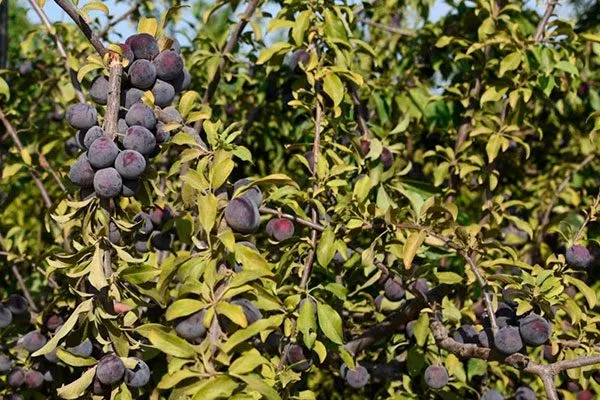
The plant reaches up to 5 m in height. It has a pyramidal crown with medium density. The branches grow up to 40 cm long and are covered with a brown bloom. The leaves, up to 5 cm long, are dark green and have a glossy surface.
Fruits and their taste characteristics
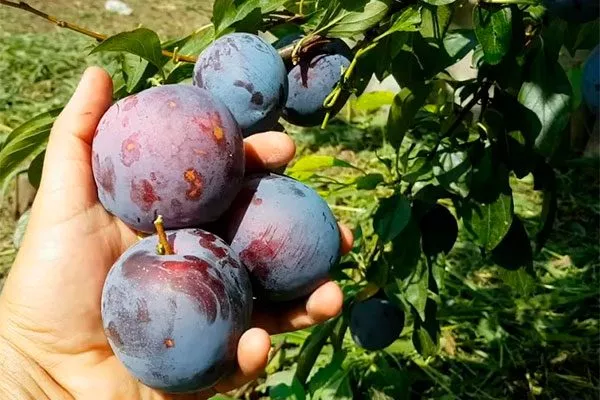
The fruits are large, their weight varies from 150 to 200 g. Distinctive features of plums:
- Diameter – is 4-5 cm, individual specimens can reach 9 cm.
- Form - round with a visible seam.
- Peel - Burgundy in color, darkening to a bluish-violet or almost black as it ripens. A dark waxy coating is present on the surface.
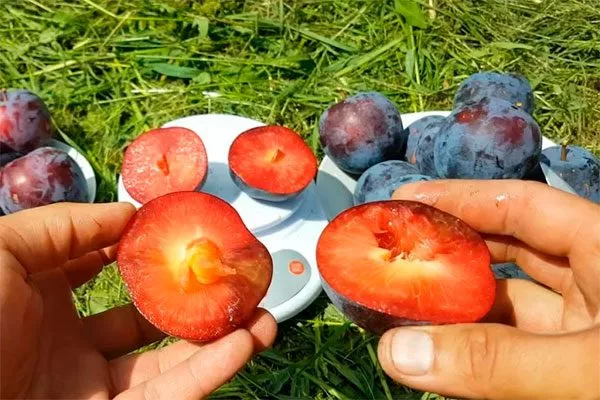
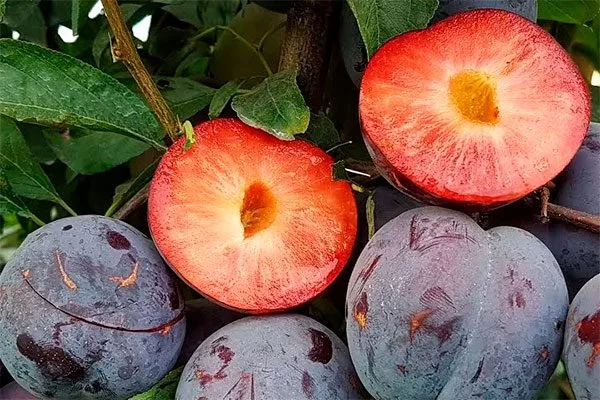
- Pulp – medium density, glows yellow-orange, becoming pink-red closer to the skin.
- Bone - small and does not separate from the pulp.
- Taste - Sweet and sour, with a predominance of sweetness, fragrant and aromatic, with a delicate and dense texture. The juiciness is moderate, the flavor is rich and balanced.
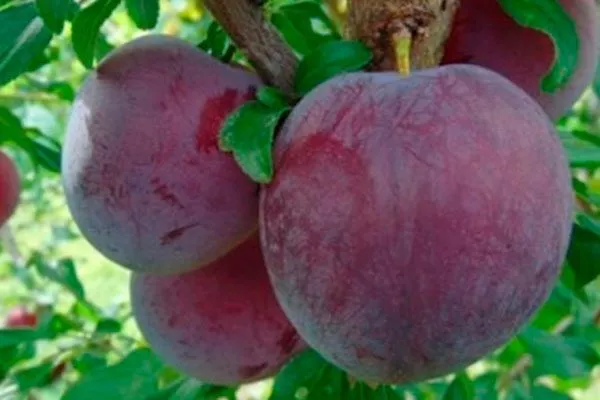
Plums are versatile: they can be eaten fresh, used for preserves, and dried for prunes. The fruits are easy to transport and have an attractive presentation: smooth, calibrated, and attractive.
Beneficial properties
This variety offers a number of beneficial properties thanks to its rich vitamin and mineral content. It contains vitamins A, C, E, and B, which support immunity, improve skin and vision, and help strengthen the nervous system.
Fruits are rich in potassium, which normalizes heart function and lowers blood pressure. They are rich in fiber, which promotes digestion and gentle cleansing of the body. They contain antioxidants that help fight free radicals and protect cells from aging.
Drought resistance, frost resistance
It is highly hardy and can withstand temperatures down to -40°C. Frost resistance develops with age, so young seedlings are covered for the winter for the first three years after planting. Even if exposed to frost, the tree quickly recovers.
The hybrid exhibits good drought tolerance. Mature plants can withstand periods of low moisture without significant damage to the crop. However, for optimal fruiting and overall health, regular watering is essential, especially during hot and dry seasons.
Growing regions
In Ukraine, the hybrid is suitable for cultivation in all regions, while in Russia it is cultivated in the southern regions. In the central part of the country, its cultivation is considered an experimental gardening experiment.
Self-fertility and the need for pollinators
The plant is self-fertile, but to improve yields, it is recommended to plant other varieties nearby. The following varieties make good neighbors: Ugorka, Tigrovaya, and Renklod.
Yield and ripening time
Burbank Giant is not known for its early fruiting. The first harvest is small—about 1.5 kg—but it increases each year.
A mature tree consistently produces up to 30 kg of fruit annually. Ripening occurs in late July or early August, and ripe plums can remain on the branches for up to a month without falling.
Flowering, fruiting
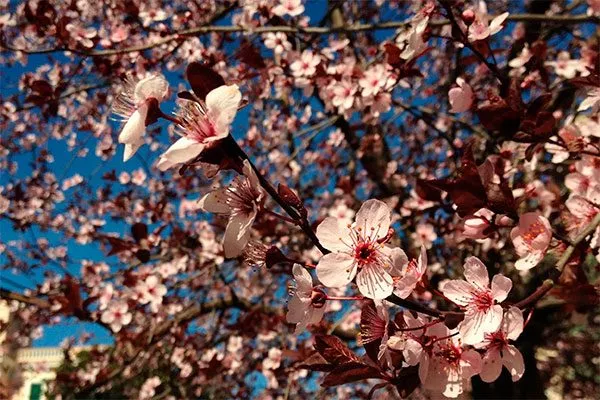
The plant begins blooming in the spring, in April, producing large flowers. Flowering occurs on two-year-old and older shoots, which facilitates fruit set. This blooming period lasts about two weeks and requires warm weather for successful pollination.
Landing
Growing plums requires the creation of specific conditions. Careful preparation helps prevent diseases and pests during the growing season and lays the foundation for productivity.
Rules and terms of planting
Plant the seedling in the spring. This period allows the root system to adapt and develop, which promotes good immunity and resistance to drought and low temperatures.
The site should be well protected from waterlogging and strong winds, preferably on a slightly elevated site or open, level ground. When choosing a location, consider good light and protection from northerly winds.
Preparation of planting material
Selecting a high-quality seedling is key to a good harvest. Pay attention to the type and characteristics of the root system.
- ✓ Check the presence of the grafting site, which should be 3-4 cm above the root collar.
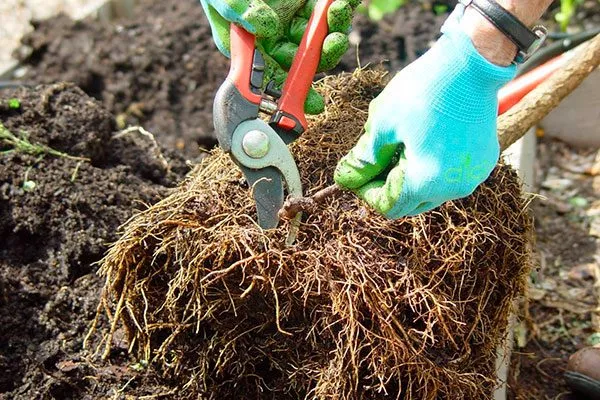
- ✓ Make sure that the root system of the seedling has 3-5 main roots up to 30 cm long.
- ✓ Give preference to seedlings aged 1 to 3 years with 3-4 lateral branches.
Helpful tips:
- Identify grafted plants by the grafting point—it's located 3-4 cm above the root collar and looks like a small protrusion. This ensures the reliability of the variety and confirms its quality.
- Trees with a closed root system are sold in containers along with soil, which makes transplanting easier and promotes faster rooting and growth.
- Choose plants aged 1 to 3 years. Young shoots should have 3-5 roots up to 30 cm long and 3-4 lateral branches.
- Carefully check planting material for damage and diseases, as this can threaten older specimens and the soil.
Pre-disinfect with a potassium permanganate solution. Add a little charcoal to the planting hole—it's a natural antiseptic.
Landing algorithm
Prepare the site well in advance: dig over the soil in the fall, removing large stones, glass, and plant debris. To improve soil fertility, add organic matter, using humus, peat, or compost as a primary fertilizer.
Step-by-step instructions:
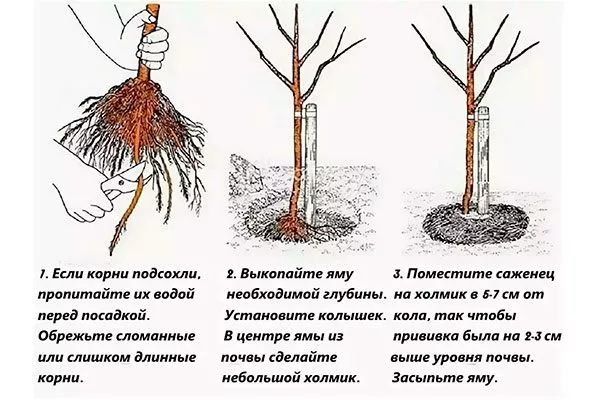
- Dig a planting hole measuring 70x60 cm.
- Add humus, filling 30% of the volume, and, if necessary, add crushed brick or other drainage.
- Place the seedling in the hole, carefully spreading out the roots.
- Drive a stake nearby for tying.
- Fill the hole without covering the root collar.
Compact the soil around the seedling and water it with 10 liters of settled warm water.
Aftercare
Simple agricultural practices are sufficient for successful crop growth. The hybrid requires minimal care, but yields depend on it.
Watering frequency
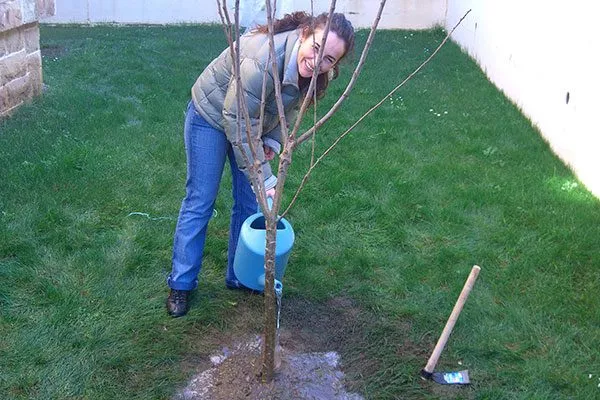
Provide regular watering during dry periods, especially during the crucial phases of budding, flowering, and fruit set. During this time, water the tree every two weeks with 30-60 liters of water.
Fertilization
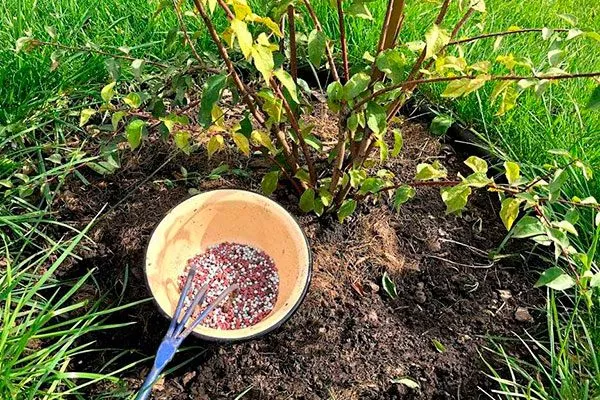
This is an important maintenance measure. The crop requires both mineral and organic fertilizers to fully replenish its reserves of nutrients and microelements.
- ✓ Provide the tree with regular watering, especially during the budding, flowering and ovary formation phases.
- ✓ Keep the soil around the tree loose to improve root aeration.
- ✓ Carry out preventative treatments against diseases and pests in early spring and autumn.
Apply fertilizer three times a year, following this schedule:
- Early springBefore flowering, add 20 liters of potassium nitrate solution. To prepare it, dissolve 40 g of the solution in 10 liters of water.
- During the period of active fruit formationIn summer, use ammonium nitrate. This will require 10 liters of water and 60 g of the product, which will help improve the quality and appearance of the fruit.
- Late autumnBefore the onset of cold weather, apply superphosphate. This fertilizer will protect the roots from hypothermia. Apply 15 liters per tree (mix 150 g of the substance with this amount of water).
When preparing the site, mix the soil with organic fertilizers, and use humus when replanting.
Pruning and crown shaping
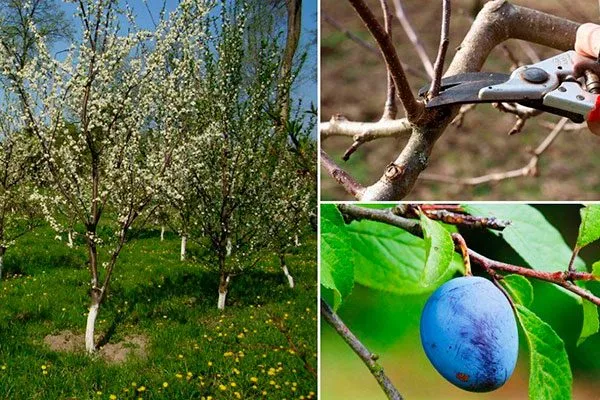
Pruning is an important procedure necessary for disease protection and the formation of a beautiful crown. Perform the procedure on a sunny day in good weather.
Follow these recommendations:
- Perform sanitary pruning throughout the plant's life. This includes removing old, diseased, and yellow leaves and branches. After this procedure, burn the remains to prevent the spread of disease.
- Perform formative pruning in early spring. Thin out the crown and remove inward-growing branches, which will give the tree a more polished appearance.
Treat cut areas to prevent infection. Use charcoal or garden pitch – they protect against pathogens, fungi, and pests, and help prevent sap loss.
Preparing for winter
After the cold weather sets in, it's best not to reduce the frequency of watering. Plum trees require sufficient moisture, so in the fall, provide at least 35 liters of water per tree. Continue watering until severe frost sets in.
Follow these procedures:
- Remove small flakes of bark from the trunk, which could harbor pests. Use a stiff wire brush and remove the insects mechanically or chemically.
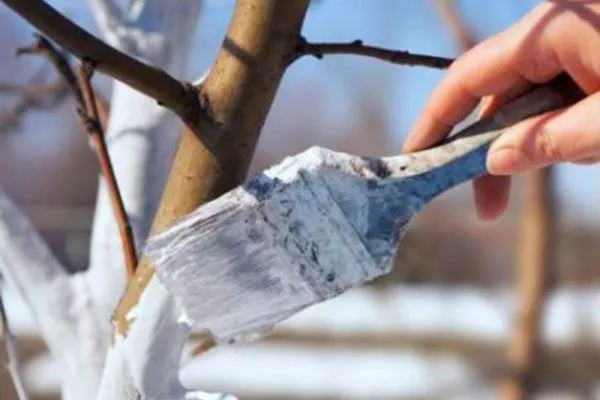
- After treatment, whitewash the trunk and skeletal branches to reduce the negative impact of sunlight and prevent insect attacks.
By following these recommendations, the plum tree will successfully survive low temperatures without any damage to its health or yield.
Tips and recommendations for growing
When cultivating this crop, it's important to follow certain guidelines. Below are a few recommendations:
- Regularly carry out preventative measures to prevent pest and disease infestations.
- Apply fertilizer according to the established schedule and recommended dosages. Incorrect application of fertilizers can negatively impact plant health and fruit quality.
- In warmer regions, covering is not necessary. Preparation includes loosening the soil and pruning.
Following these simple recommendations will help ensure health and a high yield.
Methods of control and prevention of diseases and parasites
The hybrid has a strong immune system, but if not cared for properly, you may encounter various problems. The most common issues are:
- Powdery mildew. It develops under high humidity and temperature. It manifests as a thick white coating on the leaves, which eventually turns brown, disrupting photosynthesis. Topaz or Skor are effective treatments.
- Olive spot. It appears during sudden temperature changes. It is characterized by elongated brown spots on the leaves and shoots. Remove the affected areas and spray the tree with Bordeaux mixture.
- Fleas and ticks. Pests cause leaf curling and a pale color, slowing crop growth. Use Actellic or Fufanon for control.
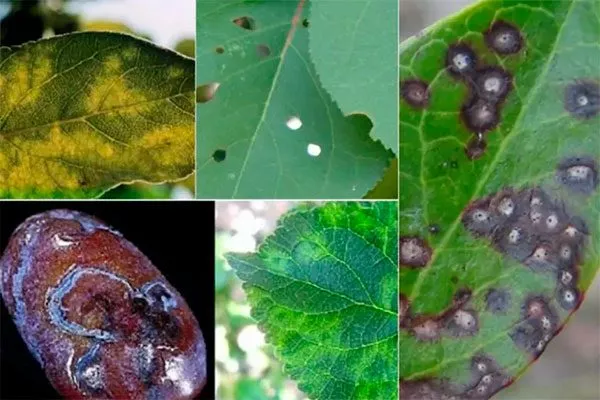
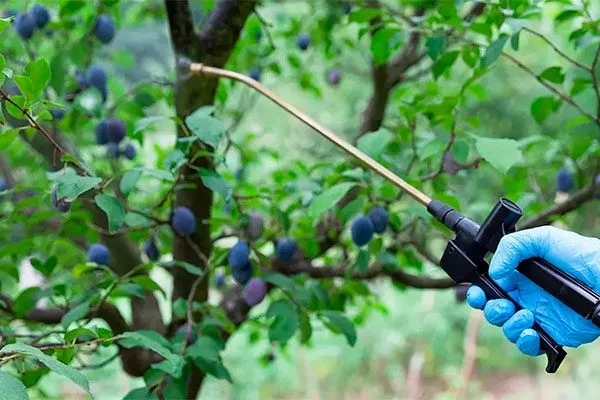
Preventative measures include regular watering, timely fertilizing, and pruning. Additionally, treat the plant with a copper sulfate solution (50 g per 10 liters of water) at two-week intervals between treatments.
Positive and negative qualities
Before planting a seedling in your garden, carefully study the variety's characteristics to avoid disappointment. The Burbank Giant hybrid has many advantages:
Reviews
The Burbank Giant plum has earned recognition for its numerous characteristics. It's frost-hardy and insect-resistant. Both novice and experienced gardeners can grow it easily. Proper care and simple recommendations will help you enjoy delicious, juicy fruits for years to come.