
The Belosnezhka plum is a winter-hardy variety grown in harsh climates. This compact tree with a spreading crown is characterized by high productivity and early fruiting. The light-colored, waxy fruits are not only decorative but also have a pleasant flavor. This cultivar is prized for its ease of maintenance and versatility.
Description of the variety
Snow White is a variety of Chinese plum developed by breeder K.K. Mullaianov. His goal was to create a frost-resistant cultivar capable of withstanding the harsh winters of the Urals and Siberia. This selection resulted in a new variety, named for the light color of its fruits.
Features of the tree and fruits
The plant reaches 2-2.5 m in height, but at the same time forms a wide, spreading crown with a diameter of up to 4 m.
Main features:
- Annual growth is about 50 cm.
- The leaves are oblong, rich green in color, with a smooth, shiny surface.
- Flowering begins before the foliage emerges: the flowers are snow-white, on short stems. Leaves appear immediately after flowering.
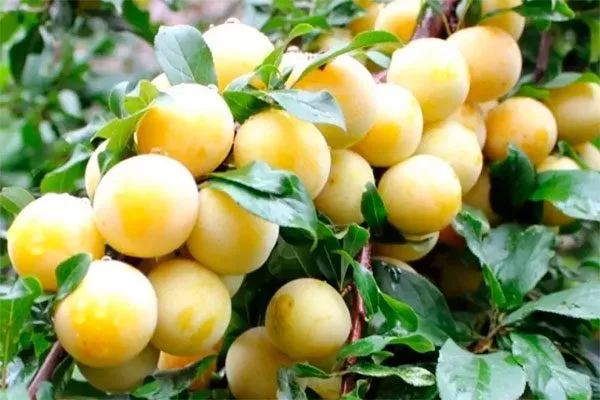
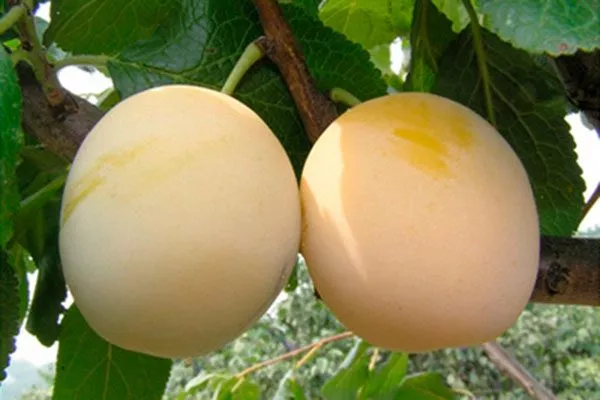
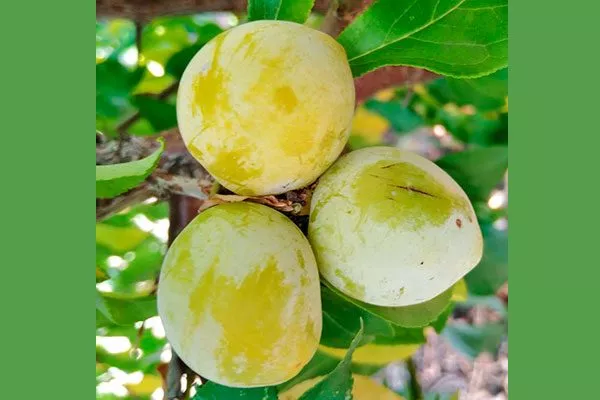
- The variety got its name due to the light yellow skin of the fruit, which, when ripe, becomes covered with a dense white waxy coating.

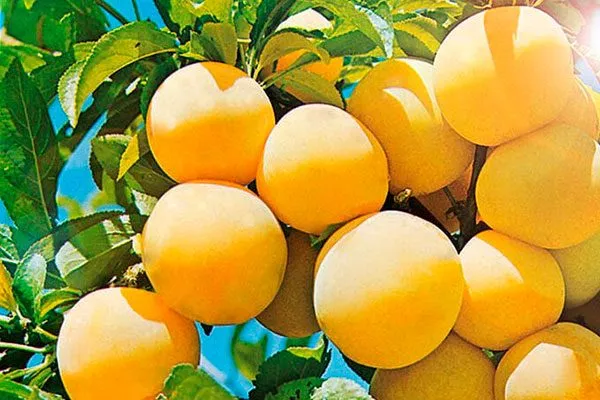
- Plums have a regular, round shape. With proper care, they can weigh up to 30 g. Their size depends directly on their number: the fewer they are, the larger they grow.
Characteristics
Belosnezhka is a mid-season variety: the fruits are ready for harvest in late July or early August. Trees begin bearing fruit in the third to fourth year after planting one-year-old seedlings. With proper care, productivity is good—a single tree can yield 20 to 30 kg of plums.
Planting a plum tree
At growing a plant It is important to take into account a number of features that ensure successful survival and subsequent fruiting.
Basic requirements:
- Choose sites located on a natural or artificially created elevation. It's important that the groundwater level is low, the site is well-drained, and protected from cold winds. Ideal soil is loam with a neutral pH.
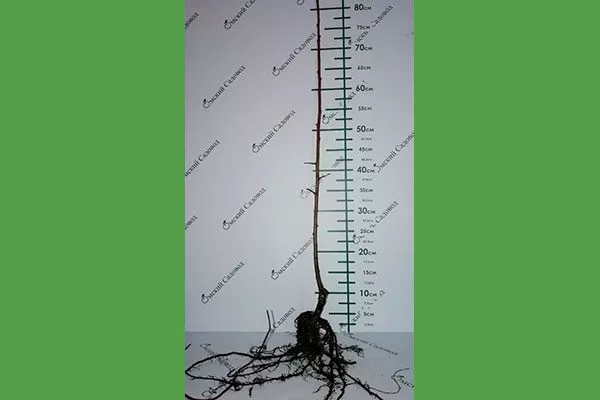
- When choosing a seedling, pay special attention to the root system. The desired root length is about 30 cm. The presence of small roots and branches increases the tree's chances of successful adaptation. They should be free of growths or damage. The root should be light in color when cut.
The cultivar's distinctive feature is its yellow-green shoots. It's best to purchase one- or two-year-old seedlings from specialized nurseries with a quality guarantee.
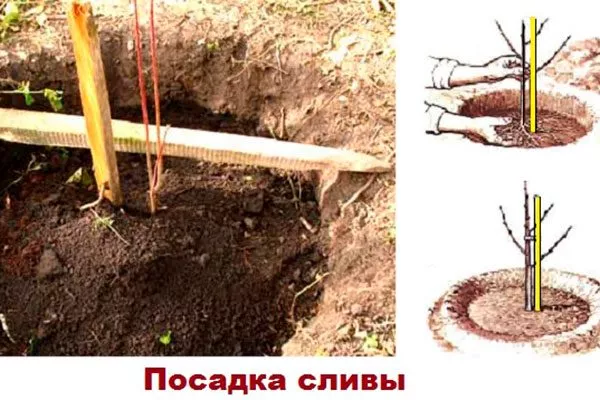
Step-by-step instructions:
- Fill the planting hole with a nutrient mixture consisting of one-third fertilizer: humus, superphosphate, and potassium supplements. Mix everything thoroughly and form a mound.
- Place the seedling. Carefully straighten the roots and cover with soil.
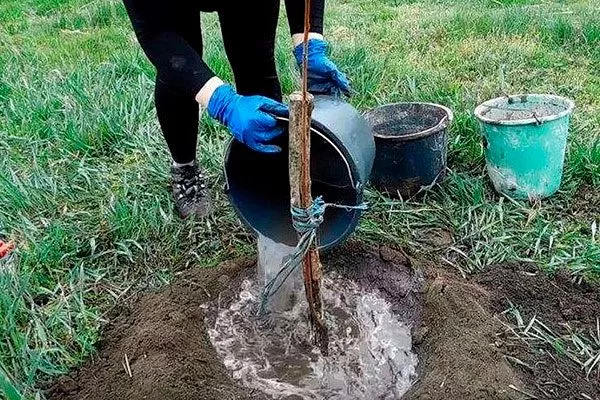
- Water thoroughly and firm the soil.
- Mulch with humus to retain moisture and protect the root system.
Care
Caring for the Belosnezhka plum involves standard but essential agricultural practices that directly impact the tree's health and yield stability. Despite its good winter hardiness, this variety requires regular attention throughout the season.
Follow these recommendations:
- Water your plum tree sparingly, especially during flowering and fruit formation. Excessive moisture can lead to root rot if the area is poorly drained.
- Regularly loosen the soil around the trunk to prevent crust formation, and mulch with organic matter to retain moisture.
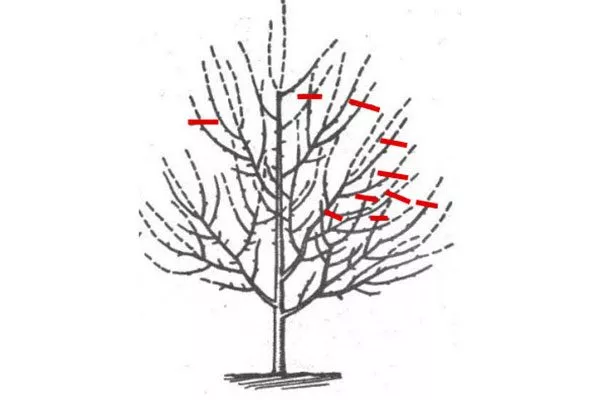
- Prune in the spring: remove dead, damaged, and overcrowded branches. Formative pruning helps maintain the tree's proper structure and increases light penetration into the crown.
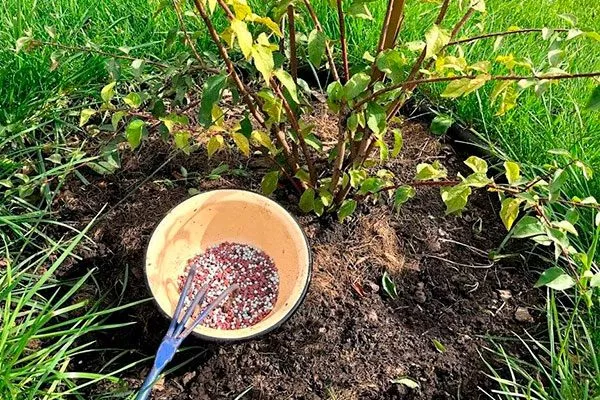
- Pay special attention to feeding:
- in the spring – apply nitrogen fertilizers (for example, urea) for active growth of shoots;
- during flowering and formation of ovaries – use complex substances containing phosphorus and potassium;
- in autumn – Use potassium and phosphorus compounds to prepare for winter, excluding nitrogen.
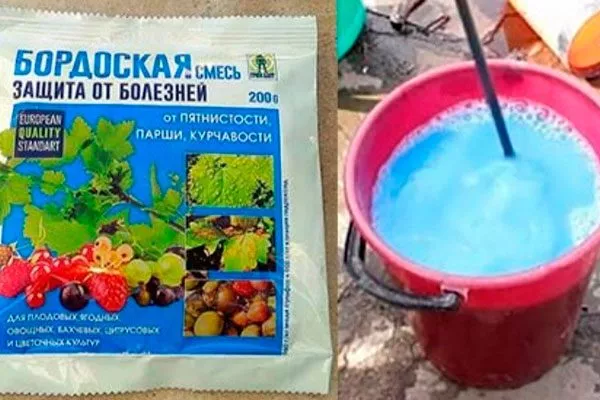
- Monitor the condition of foliage and fruit – at the first signs of disease (such as fruit rot or clasterosporium), treat the crop with fungicides. Preventative spraying with Bordeaux mixture in spring and fall helps reduce the risk of infection.
Pros and cons
Reviews
Belosnezhka is an ideal choice for both experienced and novice fruit growers. It combines numerous qualities: frost resistance, compact growth, and excellent flavor. With a pollinator and proper care, the tree consistently produces large quantities of sweet and juicy plums.