
Antonina is an attractive Chinese plum variety that has gained popularity thanks to its high winter hardiness and excellent fruit flavor. Growing this variety is not only a pleasure but also rewards with a bountiful harvest, perfect for cooking and preserving. The key is to learn the plant's key characteristics and take proper care of it.
History of selection
Developed by the A.K. Chaika Federal Scientific Center of Far East Agrobiotechnology, it was approved for use in 2011.
Introduction to the variety
The Antonina plum is a shining example of successful breeding, combining high yields with exceptional flavor. It quickly gained popularity among gardeners due to its resilience to adverse conditions and consistent fruiting.
The appearance of the tree
The plant is characterized by medium growth, ranging from 2.5 to 3 meters in height. Its crown is spreading, with strong, powerful branches, and it grows rapidly. The shoots are covered with large, smooth, dark green leaves with a matte finish.
Fruits and their taste characteristics
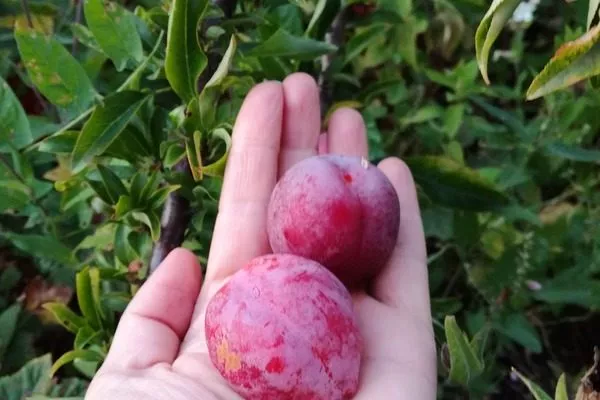
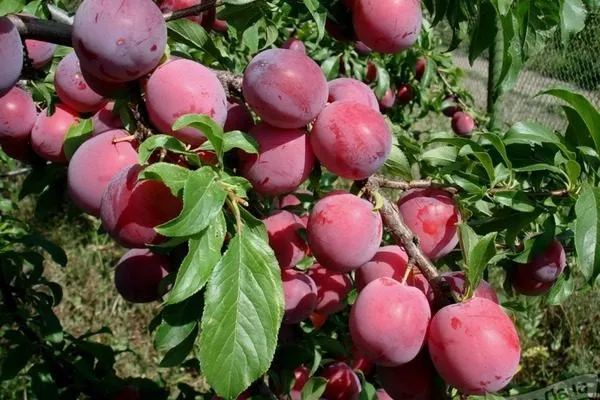
The fruits are round and flat-based. At the beginning of ripening, they have a yellow-pink hue, which gradually turns red as they mature. The skin is firm, and the yellow flesh is tender, juicy, and crisp. The pit is medium-sized and easily separated.
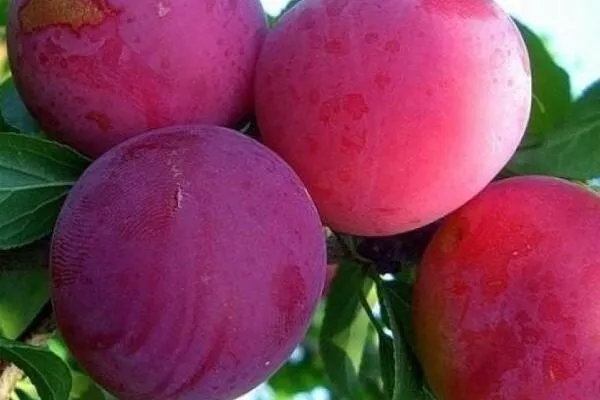
The dry matter content is 15.0%, sugar – 13.0%, acids – 1.3%, and vitamin C – 10 mg%. The tasting score of the variety is 4.4 points.
Ripening period and yield
Fruit appears on the tree 3-4 years after planting. Ripening begins in late August, with yields quite high – up to 60 centners per hectare.
Self-fertility and pollinators
The variety is partially self-fertile, so it requires other pollinators for effective pollination. The following varieties are best companions for Antonina: Renclode, Ugorka, and Chudesnaya.
Beneficial properties
The pulp is rich in vitamins and biologically active substances: carotene, vitamin C, B vitamins, anthocyanins and flavonoids, pectin and fiber.
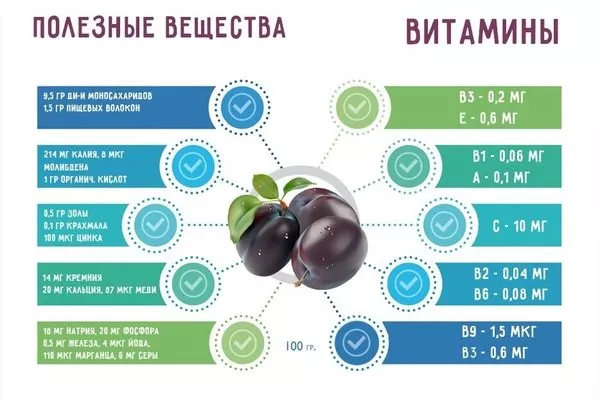
Regular consumption of fruits has positive effects on health:
- strengthens the immune system;
- helps remove excess fluid;
- regulates water-salt balance;
- improves gastrointestinal tract function and appetite;
- promotes healthy vision;
- normalizes the functioning of the nervous system;
- reduces stress;
- improves sleep.
Usage
The fruits are eaten fresh and dried, and are widely used in cooking, winemaking, and for various preserves. Plums are used to make delicate jams, aromatic preserves, marmalades, and marmalades.
Ideal for desserts, sauces, and baked goods, the fruit is also used to make a variety of drinks, including juices, compotes, wines, and liqueurs.
Winter hardiness
The variety has high frost resistance, easily tolerating temperatures down to -30°C.
Landing
To cultivate the crop, choose well-lit areas with fertile, well-drained soil. The optimal time is spring, before the sap begins to actively flow, or fall, a month before the first frost.
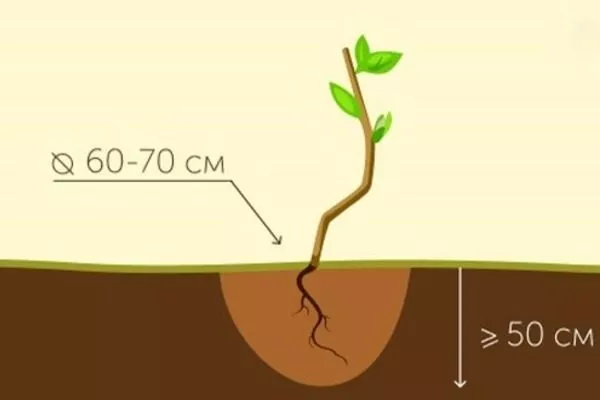
Step-by-step algorithm:
- Dig a hole 50 cm deep and 70 cm in diameter.
- Place a drainage layer (e.g. crushed stone or sand) on the bottom.
- Mix humus, superphosphate and wood ash with the removed soil and pour this mixture into the hole.
- Place the seedling in the center, carefully spreading out the roots.
- Fill with soil so that the root collar remains at soil level.
- Water the seedling generously with water (at least 20-30 liters).
- Mulch the tree trunk circle with peat or humus to retain moisture and protect against weeds.
- Place a stake next to the tree and tie it to protect it from the wind.
Growing
The crop is easy to cultivate, making it easy for even novice gardeners to plant. This variety requires little care and adapts to a variety of climates, allowing for a bountiful harvest with minimal time and effort.
Watering and fertilizing
Provide seedlings with regular watering, especially during the first year after planting. Water the tree once a week using warm, settled water. Increase the volume during flowering and fruiting.
Caring for the tree trunk circle
Regularly removing weeds and loosening the soil around the plant promotes good aeration and moisture retention. Mulching with a layer of organic material (such as humus or straw) helps retain moisture and prevent weed growth.
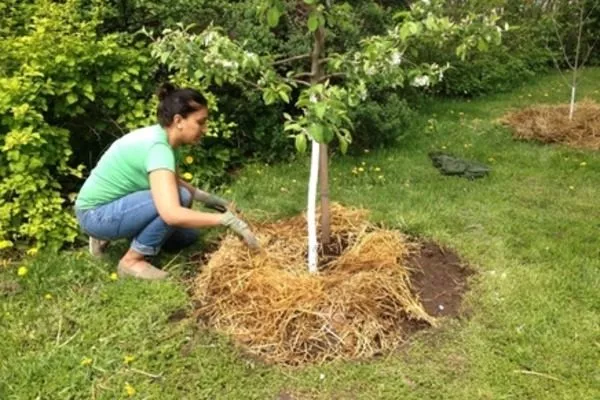
Seasonal treatments
To protect against pests and diseases, carry out preventative spraying. In spring and fall, use Bordeaux mixture or other fungicides. Monitor for insect pests and apply insecticides if necessary.
Pruning and crown shaping
Prune annually to shape the crown and remove dead or damaged branches. Begin pruning in early spring, before the sap begins to flow, to avoid damaging the tree.
The purpose of pruning is to provide good lighting and ventilation of the crown, which helps increase yield.
Shelters for the winter
Despite their high winter hardiness, young seedlings need insulation during frosts. Use agrofibre or spruce branches to protect the trunk and roots from the cold. Clear snow from the area around the trunk to avoid damaging the root system.
Plum propagation
There are several ways to increase the number of seedlings in your garden. Choose the most suitable option:
- Seeds. Collect planting material from ripe fruits. Before planting, stratify them by placing them in a cool place for 2-3 months. Then, plant them in prepared soil at a depth of about 3 cm. Seedlings will emerge in 2-3 weeks. When propagated by seed, varietal characteristics may not be preserved.
- Cuttings. Cut 15 cm-long cuttings from one-year-old shoots in the summer. Root them in moist soil or a special substrate. Growth stimulants are effective. Roots usually form within 3-4 weeks.
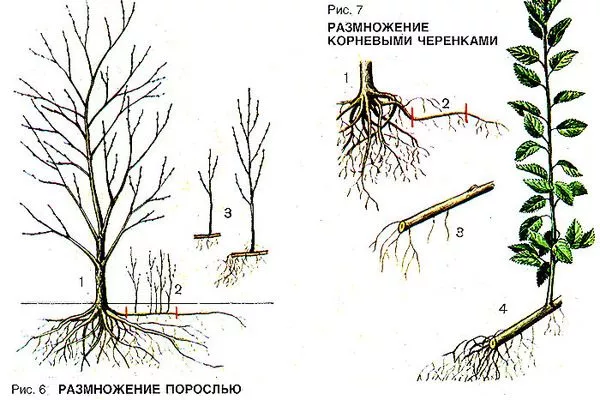
- By vaccination. This is the most common method for preserving varietal characteristics. The ideal rootstock is wild plum or cherry plum. Grafting should be done in the spring, when the sap begins to flow. Popular methods include copulation and cross-grafting.
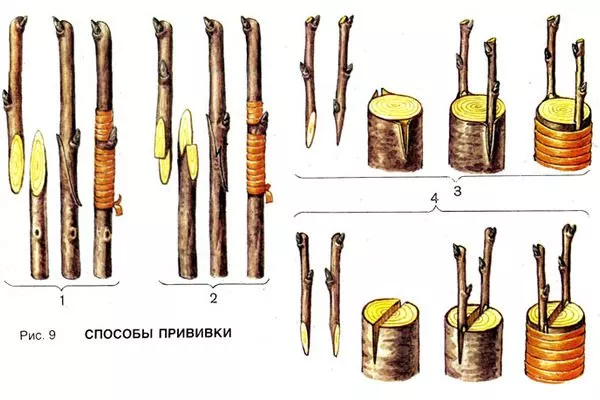
Each of these methods has its own characteristics, the choice depends on the conditions and your capabilities.
Diseases and pests
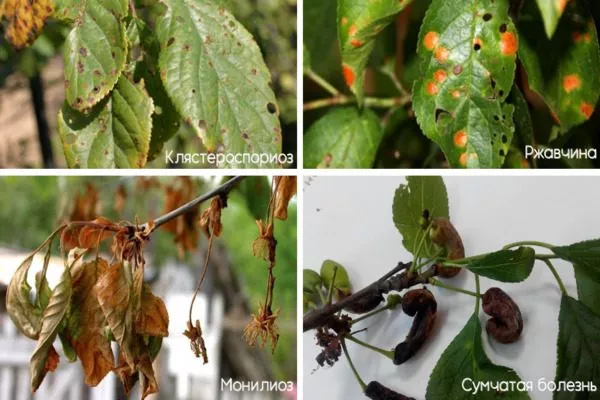
If not properly cared for, the crop can be susceptible to various diseases and pests. Here are the main ones and methods for controlling them:
- Clasterosporium (brown spot). This is accompanied by brown spots on the leaves, which leads to leaf drop. Remove affected parts. At the beginning of the growing season, spray with Topaz or Fundazol.
- Moniliosis (fruit rot). Plums are starting to rot, and brown spots are appearing. Treat healthy areas with Bordeaux mixture or copper-containing products.
- Powdery mildew. Leaves and shoots become covered with a white coating. To combat the disease, use systemic fungicides, such as Topaz.
- Plum codling moth. It damages fruits by eating them from the inside, leaving holes. Use insecticides such as Calypso and Confidor during and after flowering.
- Aphid. Small insects attack the leaves, causing them to turn yellow and curl. Aphids can be controlled by treating the tree with a soap solution or insecticides such as Fitoverm or Actellic.
- Slugs. Damages leaves and plums. Set beer traps or treat the soil with metaldehyde-based products.
To prevent this, regularly prune and remove dry and diseased branches, remove fallen leaves and other plant debris in the fall, and maintain the tree's health through proper watering and fertilizing.
Positive and negative qualities
Before planting a crop in your garden, carefully consider its advantages and disadvantages to avoid any unpleasant consequences. Antonina has many advantages:
Some gardeners note the following disadvantages of the variety:
Reviews
The Antonina plum is a popular variety, attracting the attention of gardeners in our country. It produces abundant harvests and is suitable for versatile use. With proper care and minimal maintenance, it can strengthen its immune system and produce large volumes of fruit.