
The Anna Shpet plum is a very popular and sought-after variety, considered a late-ripening fruit. You can enjoy this delicious, tender, juicy, and incredibly aromatic plum no earlier than mid-October. This plum is easy to care for and requires little care, yet it never ceases to amaze with its abundant and consistent fruit production.
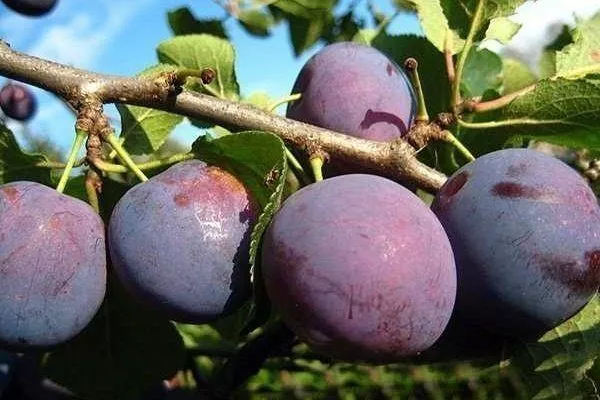
plum variety "Anna Shpet"
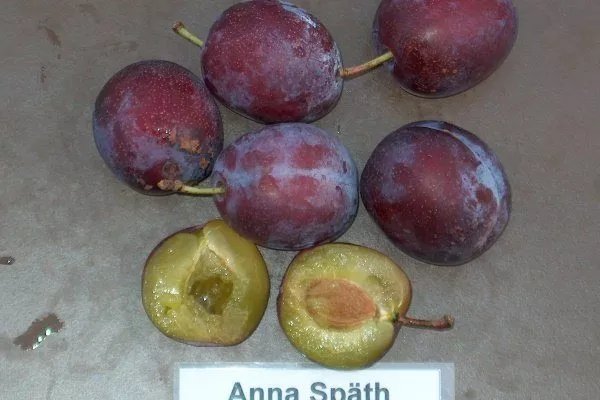
The Anna Shpet plum is famous for its sweetness and good frost resistance
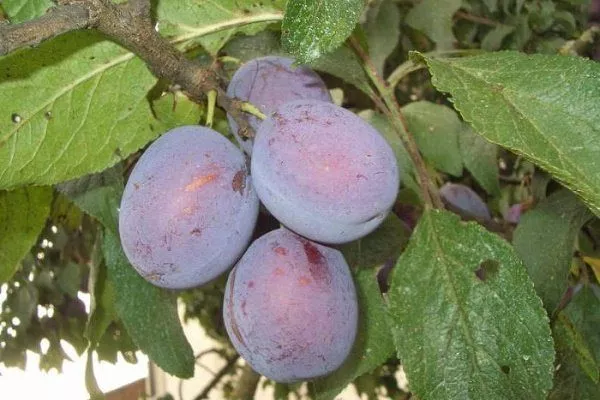
The Anna Shpet variety bears fruit until old age
History of selection
The history of this plum variety's development is fascinating and surprising. Franz Späth, the owner of a nursery for a wide variety of fruit trees, appreciated the flavor of a plum sapling brought from Hungary in the late 19th century. With a little work, he was able not only to strengthen but also significantly improve the variety's qualities.
In 1874, Shpäth began selling his own plum trees, which he named Anna Späth, dedicated to his beloved great-grandmother, who founded the orchard in 1782. Since 1947, the Anna Shpäth plum variety has been included in the State Register.
Description of the Anna Shpet plum
The tree is medium-sized, with a dense crown covered in abundant foliage. The crown can be rounded-pyramidal or rounded. The trunk is even and almost perfectly smooth, the shoots are straight and light brown. The leaf blades are relatively small, thin, light green, and have slightly serrated edges.
The flowering period begins in the first half of April. Each bud divides into two fairly large flowers. The stigma protrudes slightly above the stamens.
The fruits are quite large, ovoid or oval in shape. Each fruit weighs between 40 and 50 grams. The skin is thick and thin, dark plum, almost black, but brick-brown fruits are also common.
The plum's surface may appear to have a bluish bloom. The golden-honey flesh is almost completely translucent, sometimes with a yellow-green tint. The pit is oval and medium-sized. The fruit's flavor is delicate and soft, with a hint of sweetness and a hint of tartness.
The fruit is widely used in various desserts, but is best eaten fresh. This plum variety is also suitable for canning for the winter. The fruit easily withstands long transportation and can remain fresh for about 30 days when stored in a dry place.
Other characteristics of the variety:
- After planting the tree, the first harvest will be obtained in approximately 3-4 years.
- A mature tree, about 20 years old, will produce approximately 120 kg of plums, provided it is properly and regularly cared for.
- The variety has good regenerative qualities – it is possible for a tree to fully recover even if it has been severely damaged by cold.
- A rainy and cold summer can provoke the tree to become infected with various diseases.
An overview of the Anna Shpet variety is presented in the following video:
Characteristics
Anna Shpet's fruit doesn't fall off, remaining on the branches until fully ripe, even in poor weather. Even half-ripe fruit is perfect for winter preserves, and fresh fruit can be stored for a long time without losing its flavor or appearance.
Pollination
The Anna Shpet plum variety is self-fertile. However, to significantly increase the yield, it's recommended to consider pollinator benefits. To achieve this, consider planting plum varieties such as Ekaterina, Victoria, and Green Renklod nearby. This will ensure abundant fruit production each season.
Drought resistance and winter hardiness
Plum trees are characterized by moderate frost resistance, but they also have the ability to quickly recover from cold weather. Growing the tree in cold climates is not recommended, as low temperatures negatively impact yield.
Anna Shpet has low soil requirements and tolerates even prolonged dry periods. The tree also thrives in steppe conditions and tolerates moisture stress relatively well, which has virtually no impact on the high quality of its fruit.
Flowering and fruiting periods
Fruiting begins 3-5 years after planting a plum tree. Flowering begins around early or mid-April, depending on how warm the spring is. Fruit ripening occurs later, in late September or early October.
Productivity
This plum variety is considered an early-bearing variety. One of the main advantages of this fruit tree is its consistent fruiting, with the yield steadily increasing each year.
Once the fruits are ripe, they can all be picked. Plums are resistant to shedding, so the fruits can remain on the branches for quite a long time without losing their flavor or appearance.
The yield of this plum variety is directly related to the age of the tree. If the tree has been growing in the garden for 10 years, you can harvest about 30 kg of delicious and juicy plums. By the time the tree reaches 12 years of age, it will produce an average of about 60 kg of fruit. A 20-year-old tree has the highest yield, yielding up to 150 kg of fruit.
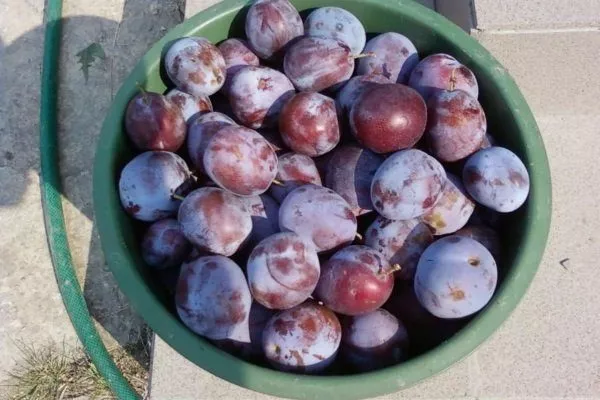
There are cases when the fruiting period does not begin until the 5th year.
Resistance to pests and diseases
Anna Shpet is not resistant to diseases such as polystigmosis and moniliosis. The former manifests as pronounced spotting on the leaves. Infection can be detected in early summer, especially after heavy and prolonged rainfall. Characteristic yellow spots first appear on the leaf surface, followed by rotting and red spots.
If the leaves have turned a bright orange and treatment has not been initiated, there is a risk of losing the entire harvest. Not only will the leaves begin to fall rapidly, but the tree itself will also become significantly weakened, and its frost resistance will also decrease. As a result, the tree may die after a severe frost.
The following recommendations will help protect the plum:
- Treat the bark with Bordeaux mixture; you can also use substances that contain fungicides.
- After harvesting the entire crop, before the first frost, spray the leaves with copper sulfate. Treat the soil around the tree as well.
- Fallen leaves become an ideal breeding ground for various pests, so collect them and be sure to burn them.
- In early spring, before the buds open, treat with Bordeaux mixture (3% solution).
- After flowering, treat the tree with a copper-containing fungicide to prevent moniliosis.
- In the fall, after harvesting, repeat treatment with Bordeaux mixture (1% solution) to destroy overwintering forms of pests and diseases.
Moniliosis can affect both the leaves and shoots of plum trees, causing them to take on a reddish tint and soon dry out completely. The fruits develop a distinct gray growth, which leads to rapid rot. To cure the tree of this disease, it is necessary to treat both the infected branches and shoots.
Rodents are dangerous pests of plum trees, unable to resist the opportunity to feast on the sweet fruits. To protect the tree, it should be additionally covered with a plastic mesh or other dense material. This will prevent mice and hares from reaching the plum tree trunk, and the cold will also prevent damage to the plant.
Advantages and disadvantages of the variety
Many prefer this particular variety, as the tree has numerous positive qualities and advantages. The main advantages are considered to be:
- care and cultivation do not require special efforts;
- the harvested crop can be stored for quite a long time without losing its appearance and taste;
- the tree produces a large harvest;
- late fruit ripening;
- the tree easily and quickly recovers from drought or severe frosts;
- the fruits have excellent taste;
- The variety has high frost resistance, so there is no need to cover the tree before winter.
Despite its many advantages, this plum variety also has some disadvantages. The main drawbacks are:
- the fruits may crack if the harvest is not collected on time;
- the wood is very loose;
- Certain difficulties may arise during harvesting.
Landing features
When planting, it's important to consider certain nuances that are directly related to the variety's characteristics. This will help you avoid disappointment and ensure a bountiful harvest in the near future.
Deadlines
This plum variety can be planted in either spring or fall. However, the ideal time is mid-spring, around April, when the soil is no longer frozen but hasn't warmed up much.
Anna Shpet prefers the south side of the garden, so it's best to choose a location where the seedling will be reliably protected from strong gusts of wind.
Before planting, it's important to completely remove all weeds from the area, as they could harbor pests. Drafts should also be avoided, and it's not recommended to plant trees near a house or garage walls. In such a location, the plant will not receive sufficient sunlight, which will negatively impact growth and development.
Choosing a location
Plum trees grow much better and produce fruit well in sunny areas of the garden. It's not recommended to plant other plants closer than 3 meters (10 feet) to the tree. Planting the sapling near buildings will provide additional frost protection. Buildings can not only provide shelter but also warmth for the young tree, but they shouldn't be too close.
Particular attention should be paid to soil selection. Ideally, a site with sufficient groundwater depth is ideal. Drainage can also be used to help protect the roots from rotting.
- ✓ Soil pH level should be strictly between 6.0-6.5 for optimal growth.
- ✓ The depth of groundwater is at least 1.5 m to prevent root rot.
Plums grow and develop very slowly if grown in sandy or clay soil. It's best to choose fertile, loose soil with a neutral pH.
Selection of seedlings
The choice of seedling is very important, because it determines whether the tree will grow strong and bear fruit well or die after the first winter.
When choosing a seedling, the following points should be taken into account:
- the plant should not have even the slightest damage;
- the roots are well developed, the scion is fully mature;
- the bark of the branches and trunk is perfectly smooth, without injuries or other types of damage.
To help the plant take root faster in a new location, it is best to choose a tree that is at least 2 years old.
Landing algorithm
Soil selection is crucial when growing fruit trees. Groundwater must be deep enough, or drainage must be used.
The landing procedure is carried out according to the following scheme:
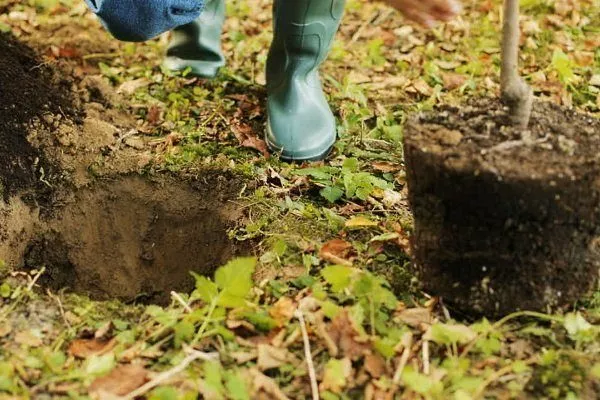
- Planting will take place in the spring, but the hole should be prepared in the fall. Dig a hole about 60 cm deep and 80 cm wide.
- Prepare the soil mixture – mix humus (8 kg), potassium magnesium sulfate (150 g), wood ash (300 g) and sand (1 bucket).
- Place the tree roots in a pre-prepared clay solution.
- It is important that the roots do not go deep into the soil when planting, and that the roots rise above the surface by approximately 5-6 cm.
- If you bought a seedling in the spring, do not shorten the roots, but trim the branches slightly.
- To increase plum yield, plant it next to cherry plum.
- When planting, add prepared fertilizers, but it is important that they do not contain nitrogen.
- After planting the tree, fill it with clean soil and add 500 g of superphosphate.
- Place a stake in the center of the hole and carefully tie the plant to it.
After planting, ensure the seedling's crown is 6 cm above ground level. Dig a hole large enough to hold approximately 20 liters of plain water.
Remove all flowers in the first year after planting to help the tree establish itself more quickly. Remove about 50% of all green fruit, then thin the harvest.
When group planting the tall plum variety Anna Shpet, it's important to maintain a consistent spacing pattern—no closer than 6-5 meters. It's also important to consider this fruit variety's low immunity to various diseases. Therefore, it's not recommended to over-dense the garden.
Plant care
Proper care involves watering, fertilizing, and preparing the tree for winter. During the first year after planting, it's crucial to water the plum tree generously and frequently, remembering to loosen the soil periodically.
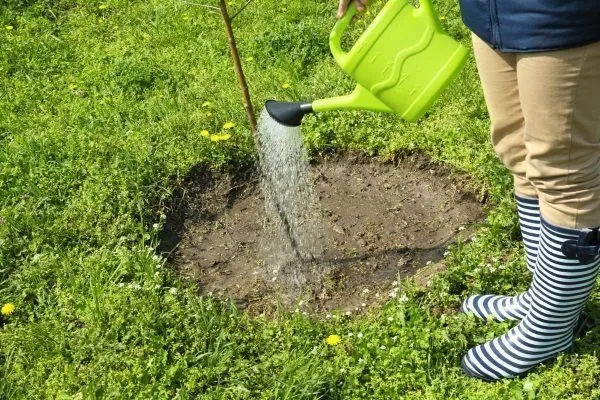
A mature tree needs careful care – it is important to follow mulching Using humus and generous watering, plums should be watered twice a day, at a rate of approximately 40 liters of water per plant. Watering frequency should not exceed six times every 30 days.
Avoid allowing the soil to become more than 30 cm deep. Drying out the soil can also be harmful, especially during the period of accelerated growth.
Top dressing
If the plum tree was planted following all the advice and guidelines, fertilizing is not necessary for the first two years. The required amount of minerals was added to the hole during planting to ensure the tree's full development and proper growth.
Then fertilizing is carried out according to the following scheme:
- Before the plum blossom period begins, potassium sulfate (35 g) and urea (35 g) must be added.
- During the summer, spray the tree with a special mixture made from lime (2 g) and urea (10 g), diluted with water (10 l). Be sure to ensure no solution remains on the leaves.
- Add nitrophoska (30 g) and urea (30 g) with each watering.
- After harvesting the fruit, fertilize the plum with 30 g of superphosphate and 30 g of potassium.
- In late autumn and early spring, use organic fertilizers.
- In September, apply autumn fertilizer using a solution of potassium sulfide (2 tablespoons), superphosphate (3 tablespoons), and water (10 liters). Pour 30 liters of the solution under each seedling.
- In autumn, it is prohibited to apply nitrogen fertilizers.
- During the autumn digging of the tree trunk circle before frost, add manure (15 kg), ammonium nitrate (50 g), and superphosphate (150 g) under each plant.
Watering
Anna Shpet's main distinguishing feature is its high demands on soil moisture levels. This can make caring for the tree challenging.
Anna Shpet reacts negatively not only to drought but also to overwatering. Watering just three times per season is sufficient.
It is worth adhering to the following watering scheme:
- The first watering should be done immediately after the first shoots appear in the spring.
- The second watering should be carried out during the period when the fruits begin to ripen.
- The third watering should be done after you have completely harvested the entire crop.
It's important to adhere to a specific watering schedule—approximately 30-40 liters of water per tree. This amount may fluctuate depending on the amount of precipitation.
Trimming
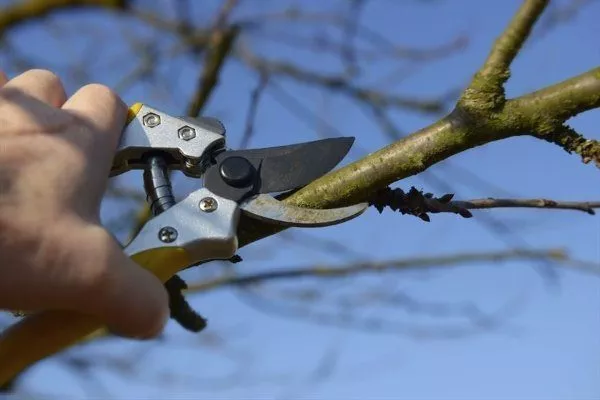
Immediately after planting the seedling, the first pruning is performed. The main trunk should not be shortened, but all other branches are trimmed back by approximately 1/3. During the tree's first four years of growth, the crown is shaped each season. A sparse, tiered form is most often chosen.
Tree pruning can be done throughout the year, but the time of year must be taken into account:
- In spring, carry out pruning towards the end of March. Thin out the crown and perform maintenance pruning. Be sure to remove all excess branches and shoots that grow vertically. Shorten last year's growth.
- In summer, prune in July. Summer pruning helps shape the plum tree's crown, creating a beautiful and well-formed shape. This is when you'll be able to easily spot any branches damaged by frost. Also, trim back any excess canopy density.
When pruning plums in summer, remove dry branches that have been damaged by disease or pests, and be sure to remove excess growth. - In autumn, carry out pruning in September. This period is the most favorable for rejuvenation pruning. Remove all broken and damaged branches, and you can trim the tops a little.
Regardless of when plum pruning is performed, all cuts must be treated with garden pitch. Cut branches, especially if they have been damaged pests or diseases, removed from the garden, and then burned. This will prevent the spread of infection.
Preparing for winter
Properly preparing a tree for the coming winter will help Anna Shpet survive frosts easily and without serious consequences. This is one of the most important points for gardeners to consider.
To ensure a successful wintering of plums, follow these recommendations:
- To prevent severe frost damage to young trees, cover the entire tree with special synthetic garden cover or paper. For mature trees, cover the trunk, leaving the branches untouched.
- Towards the end of autumn, before frost sets in, whitewash the tree trunks. Apply lime (or water-based paint) to the bases of the skeletal branches.
- The tree needs to be protected from rodents. To do this, wrap the plum tree trunk with nylon netting. If the sapling is young and was planted several months ago, cover it completely. Additionally, install special traps in the garden to protect the trunk from rodents.
- Moisture-replenishing watering will help increase plum tree frost resistance. Do this towards the end of autumn, before the first frosts.
Gardeners' reviews of the plum variety "Anne Shpet"
Anna Shpet is a high-yielding and easy-to-grow plum variety that is very popular among gardeners. Its fruits are incredibly aromatic, delicious, juicy, and fleshy, making them widely used in both cooking and folk medicine. Furthermore, this variety doesn't require any special growing conditions.