
The Alexey plum is a variety that has gained popularity thanks to its excellent taste and ease of cultivation. It is characterized by high yields and resistance to adverse weather conditions. You can enjoy its exquisite flavor from early summer until late fall. It's important to follow proper cultivation practices to ensure bountiful harvests.
Characteristics of the Alexey plum
This is a unique variety, distinguished by its compact size and superb flavor. It was developed by V.S. Simonov and approved for use in 2008.
Description of the Alexey plum
The tree is medium-sized, often with a dense crown. It blooms profusely, which contributes to significant fruit production.
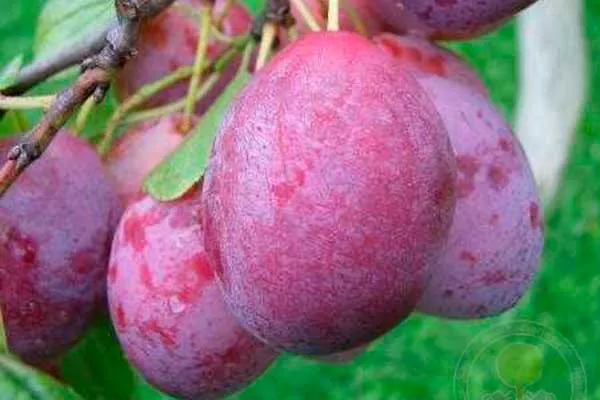
Plums are eaten fresh and used for preserves. They are ideal for making compotes, jams, and jellies. The fruit stores well, allowing you to enjoy its flavor for a long time.
Taste qualities of Alexey plum
It impresses with its exquisite taste and aroma. The flesh is bright, juicy, and sweet, with a slight tartness that adds a special piquancy. It is characterized by a delicate texture and high juiciness.
Dried plums are no less delicious, so they're often used in desserts. Plums make a great alternative to sweets and can serve as a healthy and delicious snack for children.
The shape and color of the Alexey plum fruit
The fruits have an attractive shape and unique color. They are ovoid or slightly oval. Other distinctive features:
- Large, their weight varies from 60 to 80 g.
- The diameter reaches 3-4 cm.
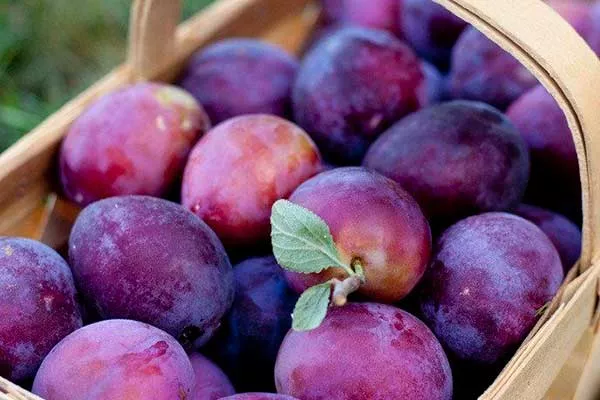
- The skin is smooth, thin, purple or dark blue in color with a light coating.
- The pulp is juicy and sweet.
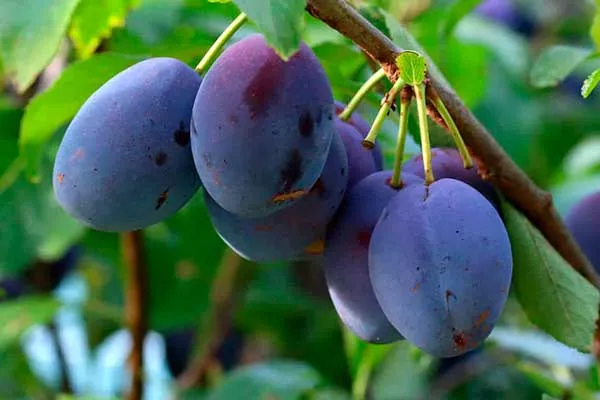
At the beginning of the season, the fruits are red, which turns black as they ripen. The intensity of the color may vary depending on growing conditions and location.
Peculiarities
The variety's self-fertility ensures good yields without the need for other pollinators. The average yield is 190 centners per hectare, with a single tree yielding 20-30 kg of fruit.
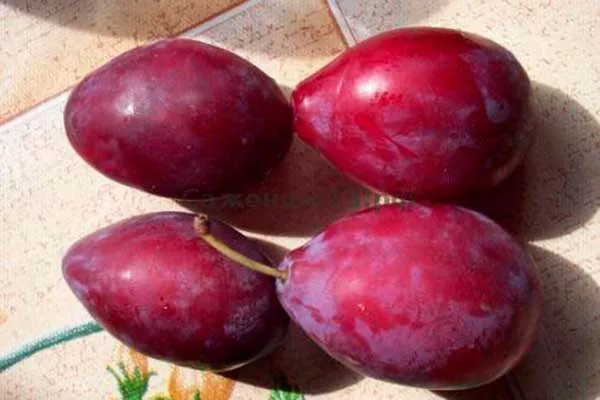
The crop begins bearing fruit as early as 4-5 years after planting, and the fruits ripen in the fall. Late flowering, occurring in June, reduces the risk of frost damage in the spring.
Planting plum seedlings on the plot
Growing any garden crop begins with choosing the right planting site. Choose sunny, draft-free areas, such as between buildings, behind a low fence, or on a south-facing slope.
- ✓ The soil pH level should be within 6.0-7.0 for optimal growth of the Alexey plum.
- ✓ The depth of groundwater is at least 1.5 meters from the surface.
Which places are not suitable:
- with problematic soils;
- where melt water stagnates in the spring;
- with close location of groundwater;
- acidified or swampy areas.
In this case, it is important to cultivate the soil beforehand.
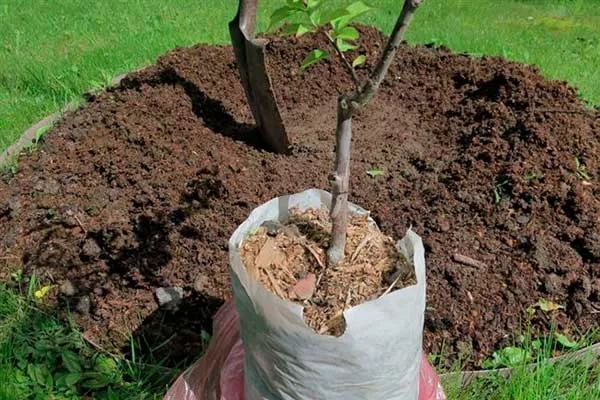
Follow these recommendations:
- Plant seedlings in spring or autumn, but plants planted in winter often do not have time to take root properly and may die.
- Prepare the planting hole in advance to allow the dug-up soil to settle over the winter and ensure the tree maintains its root collar in the correct position. Add 20 kg of manure compost and 500 g of wood ash—this supply will last for the first year.
- Place the seedlings using the "cone" method. Form a mound at the bottom and place the seedling on top. Gently distribute the roots along the slopes and cover with fertile soil.
Features of cultivation and subtleties of care
The Alexey plum requires minimal care, but yields depend on it. There are several important points to pay special attention to when cultivating this variety.
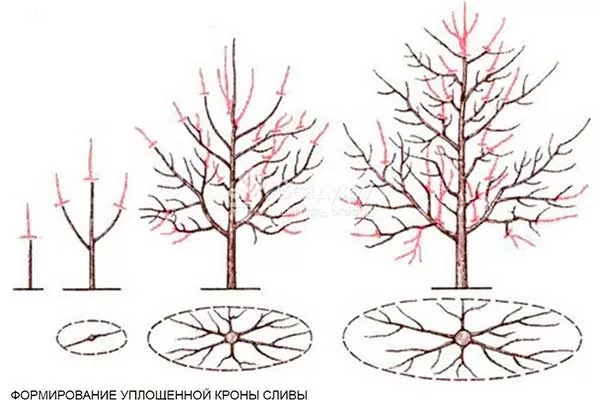
Crown formation
Choose a cup-shaped, compact shape to make tree care and harvesting easier. Begin this process at planting and continue throughout the first 4-5 years.
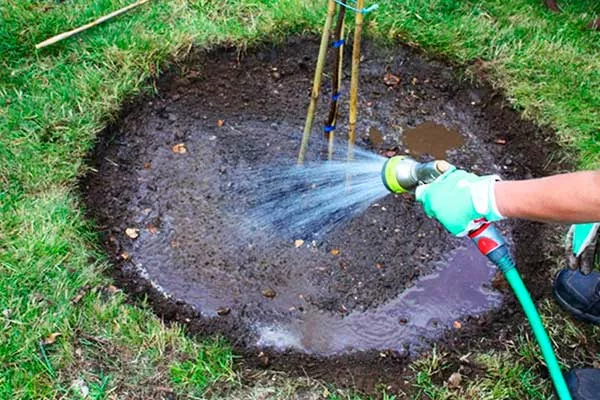
Watering
Since the plant is not drought-resistant, water it regularly. Watering is especially important in late April before flowering, in mid-May after the flowers have fallen, and every 1-2 weeks during the summer.
Preventing rootstock base from rotting
At the end of winter, remove snow from the trunks of own-rooted plants and create channels to drain meltwater. This also applies to grafted seedlings where the grafting point is below the snow line.
Plum propagation
You can increase the number of seedlings in your garden by propagating them from cuttings. Follow these recommendations:
- The optimal time for this event is early spring or late summer, when the plants are in the active growth phase.
- Select healthy, strong shoots, preferably with one-year-old branches. The cuttings should be about 15-20 cm long and have several nodes. Make sure there are no damage or signs of disease.
- Cut the cuttings from the mother plant at a 45-degree angle using a sharp, sterile tool. Remove the lower leaves, leaving only a couple of the top ones to reduce moisture evaporation.
- To improve rooting, treat the cuts with a root formation stimulator (for example, Heteroauxin or similar products).
- Plant the cuttings in loose, moist soil to a depth of 2-3 cm, placing them at an angle or vertically. Use a mixture of peat and sand or a special rooting medium.
- Cover with plastic or a transparent dome to create a greenhouse effect, which will help retain moisture and increase the temperature. Ventilate the cover regularly to prevent rot.
- Provide regular watering, keeping the soil moderately moist. Rooting may take anywhere from a few weeks to several months, depending on conditions.
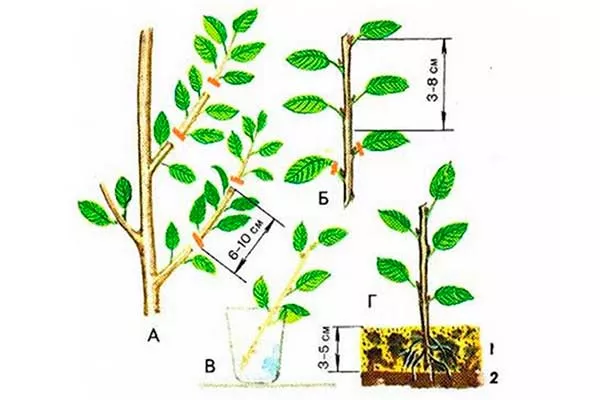
Once the cuttings have taken root and new leaves have begun to grow, transplant them into separate containers or to a permanent location in the garden.
Harvesting plums, their subsequent processing and storage
If the humidity in the rooms where you store fruit is too high, it can cause rot, so inspect it regularly. However, excessively dry air is equally detrimental to fruit, causing it to wilt. The optimal humidity level is 80-90%.
If you're storing plums in the refrigerator, keep the temperature around 0°C for the first 2-3 weeks, then raise it to 5-6°C to prevent the flesh from darkening. To freeze, rinse ripe plums, dry them, and pack them in 1 kg plastic bags. This will keep them for a long time, but they may become sour.
Positive and negative qualities
Before growing a crop, it's important to carefully study the advantages and disadvantages of a particular variety. This will help avoid potential problems in the future.
Reviews
The Alexey plum is a source of healthy and delicious fruits with a positive effect on the body. Its high yield, frost resistance, and excellent flavor make this variety an excellent choice for both novice and experienced gardeners. Proper care and attention to detail during planting and propagation will help you grow healthy trees and reap bountiful harvests.