
The Apricot plum is a striking example of a hybrid fruit crop, possessing the distinctive characteristics of two varieties. It is beloved by domestic gardeners and commercial growers for its abundant annual fruiting, good winter hardiness, large size and attractive appearance, and excellent flavor.
History of selection
The development of this hybrid variety is the work of American breeder Floyd Zeiger. The scientist dedicated 30 years of his life to it. In 1989, he achieved his goal. The fruit variety he created is called "Pluot." It is 75% plum and 25% apricot.
Introduction to the variety
The pluot is characterized by a striking resemblance to the fruit of the apricot tree. These fruits resemble apricots in shape and color, but lack the fuzz. Their skin is smooth and glossy. The flesh also has the flavor and texture of an apricot, but its consistency is typical of a plum.
Characteristics of appearance
Plum trees also bear a certain resemblance to apricots. This is especially noticeable during the fruiting season, when their branches are covered with bright orange, blush-colored fruits.
The characteristics of the hybrid plants are as follows:
- “height” – 1.8-2.5 m (the maximum height of a plum tree is 3 m);
- shoots are reddish-brown in color with slight pubescence;
- spreading crown, distinguished by its spherical or fan-shaped form, often drooping;
- medium-dense foliage;
- the foliage is medium-sized, light green, elongated, obovate with a serrated edge, smooth;
- Flowers: white, collected in inflorescences of 3 pieces each.
The fruits of the Apricot plum are popular among domestic gardeners for their marketable appearance and high consumer qualities.
They differ in appearance:
- large sizes;
- weight - 50-70 g;
- round-oval shape;
- yellow-orange cover color, partially covered with a red blush;
- dense and smooth skin, which does not have the typical apricot fuzz, but has a barely noticeable waxy coating characteristic of plums;
- reddish flesh, dense, with a fibrous plum structure, very juicy:
- a small bone.
Taste qualities
This hybrid fruit delights the eater with its vibrant flavor, dominated by nectarine sweetness and a distinct apricot note. Its flesh is full of juice and aromatic. Tasting score: 4.8 out of 5.
Beneficial properties
Pluot (commonly known as slibrikos) is rich in vitamins. The orange fruits contain a large amount of vitamin A, ascorbic acid, and B vitamins (B1, B2, B6, B9). They are also rich in fiber.
Including fresh apricot plums in your daily diet provides significant benefits to the eater's body:
- strengthens the immune system;
- improves visual acuity;
- improves skin condition;
- reduces blood cholesterol levels;
- has a beneficial effect on the nervous system;
- stimulates the gastrointestinal tract;
- has a mild laxative effect (helps solve the problem of constipation).
Drought resistance, frost resistance
This plum-apricot hybrid is frost-hardy. Its trees easily survive frosty winters, withstanding temperatures as low as -34.4°C. They tolerate winter cold better than sudden temperature fluctuations and prolonged thaws.
This fruit crop isn't afraid of hot summers. It thrives in warm climates. It can withstand drought, but requires ample watering during fruit set and ripening. Otherwise, its yield suffers.
Plum pollinators
The Apricot plum is partially self-fertile. To ensure a bountiful harvest, ensure there are pollinating neighbors in your yard.
Experienced gardeners recognize the following varieties as the best companions for Pluot:
- Altanta;
- Renclode Kolkhozny;
- Michurinskaya.
Productivity and fruiting
Slibrikos delights gardeners with its early fruiting. Trees begin bearing fruit in their third year (sometimes in their second). Flowering occurs in April. The fruits begin to ripen in the second half of July. The mass harvest occurs in August. The tree yields an average of 50 kg.
Application of plums
The plum-apricot hybrid harvest is intended for fresh consumption and home cooking. Housewives use it to make compote, juice, wine, liqueur, and other delicacies:
- jam;
- jam;
- jelly;
- marmalade;
- desserts like fruit salad.
Resistance to diseases and pests
Pluot is characterized by strong immunity. It is incredibly resistant to diseases, particularly moniliosis. It rarely suffers from pests. Plum-apricot trees do not require preventative spraying. Standard sanitation measures are sufficient to keep them disease-free.
Landing features
The Apricot plum has its own planting and growing requirements. Follow proper cultivation practices to ensure the tree will reward you with a bountiful harvest in the future.
Recommended timeframes
Plant pluot in your garden at different times of the year:
- in autumn, at the end of the tree’s growing season;
- in spring, before the buds open.
Choosing a suitable location
When choosing a location in your garden to grow a plum-apricot hybrid, choose a site with the following characteristics:
- with good lighting;
- windless;
- with breathable and fertile soil of neutral acidity (the crop grows poorly on acidic soil).
What crops can and cannot be planted next to each other?
Garden crops growing next to a plum tree can have both a positive and negative impact on it.
Apple, pear, peach, raspberry, and blackcurrant trees will be serious competitors for Pluot in terms of nutrients. They are susceptible to the same pests. Plums also don't tolerate cherry trees, where they wither and become diseased.
Good neighbors for the slibrikos include gooseberries, elderberries, and cherries. Maple trees will increase its yield. Elderberries will repel aphids from the fruit tree. If you'd like to plant flowers under it, consider:
- forget-me-nots,
- marigolds,
- bells,
- primrose.
Selection and preparation of planting material
Choosing the right planting material is the key to growing a strong and healthy plum tree in your garden. Focus on the seedling's appearance. It should have the following characteristics:
- be healthy: no signs of rot or drying out;
- with a trunk thickness of at least 2 cm;
- age - 1-2 years;
- with the presence of vaccination.
- ✓ The presence of a graft on a seedling indicates its varietal purity.
- ✓ The root system should be light, without spots or damage, which indicates the health of the plant.
When choosing planting material from a nursery, pay attention to its height. For a one-year-old seedling, the optimal height is 1-1.3 m. If the plant is shorter, it hasn't been properly cared for or is suffering from a disease.
When purchasing a bare-root tree, inspect its roots. They should be light-colored, free of blemishes and damage. Before planting, remove any excessively long root shoots.
Landing algorithm
Plant the tree correctly to ensure its successful establishment in your area. If the soil is acidic, dilute it with dolomite flour or wood ash beforehand. Apply 0.8 kg of acidifying agent per square meter.
- ✓ The planting hole depth should be at least 60 cm to provide sufficient space for the root system to develop.
- ✓ The distance between seedlings should be at least 3 meters to prevent competition for nutrients and light.
Plant the Apricot plum tree following these steps:
- Prepare a hole for the seedling. It should be 50-70 cm deep and 70 cm in diameter. This should be done in advance, preferably in the fall. Place a drainage layer at the bottom. Use broken brick or expanded clay.
- Place a stake in the center of the hole. Around it, mound a soil mixture consisting of garden soil, mineral fertilizers, and organic matter.
- Place a plum seedling on the hill so that its root collar rises 3-5 cm above the ground surface.
- Spread the roots out. Cover them with a top layer of fertile, fertilizer-free soil.
- Tamp the soil around the trunk. Create a mound of soil around the edge of the tree to prevent water from spreading when watering.
- Water the plum tree. Use 30-40 liters per plant.
- Mulch the tree trunk circle with a layer of humus or non-acidic peat.
If you have purchased several hybrid seedlings, plant them according to the following pattern:
- row spacing - 3 m;
- the distance between seedlings is 3 m.
Aftercare of plum
To get a rich harvest, care for the fruit crop correctly:
- Water itThe Apricot plum enjoys abundant watering but does not tolerate stagnant moisture. Mature trees should be watered 3-4 times during the season. The recommended water consumption is 40-50 liters per trunk.
During drought, be sure to moisten the soil under the plant before it blooms, during the formation of ovaries, 20 days after the second watering and during the ripening of the fruits. - Loosen the soil in the tree trunk circleThis procedure is necessary to improve the flow of moisture and air to the plum tree's roots. Perform it every time after watering.
- Feed themFertilize the plum tree 4-5 times per season. In early spring, apply a nitrogen-containing fertilizer. At the end of May, fertilize the tree with organic matter. Use chicken manure. Urea or saltpeter can also be used as a substitute.
In summer, apply foliar feeding. Spray the crown with a liquid nitrogen-rich fertilizer on the leaves.
Closer to autumn, add organic matter again. After harvesting, fertilize the crop with a mineral fertilizer containing phosphorus and potassium or a complex fertilizer. - Trim the treeCarry out formative and sanitary treatments for the apricot plum. Shaping the crown should begin in the first few years after planting the seedling. Leave 5-7 strong shoots growing at an acute angle to the trunk for the base. The main and scaffold branches should point in different directions. Maintain a distance of 20 cm between shoots.
Every year, carry out sanitary pruning, removing diseased, dry, deformed, broken branches, as well as parts of the tree affected by diseases and pests.
Preparing for winter
This hybrid is beloved by Russian gardeners for its frost resistance. Mature trees grown in areas with moderately snowy winters require no cover. When growing plums in northern regions, provide protection from frost. Young plants especially need this protection.
Prepare Pluot for winter by following these steps:
- wrap the trunk with non-woven material;
- pour a thick layer of mulch 10-15 cm at the base of the tree (use humus or wood sawdust);
- Throw snow onto the tree and its root zone as soon as it falls.
Diseases and pests, control methods and prevention
The plum-apricot hybrid delights gardeners with its strong immunity. It rarely gets sick or suffers from pest infestations. Growing it in unfavorable conditions or caring for it without proper agricultural practices increases the risk of fungal infections:
- gray mold;
- Clasterosporium (hole-hole spot).
Among the pests that threaten slibrikos with weakened immunity, gardeners highlight:
- aphids;
- codling moth;
- leaf roller.
To prevent the Apricot plum from getting sick or suffering from attacks by harmful insects, follow standard sanitary measures:
- cleaning leaves and other plant debris in the garden;
- spring sanitary pruning;
- destruction of root shoots;
- weeding to get rid of weeds growing in the tree trunk circle;
- whitewashing the tree trunk.
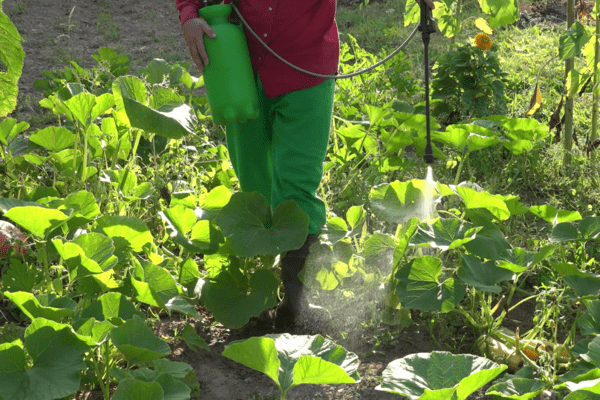
If you were unable to prevent plum disease, use fungicides such as Skor, Bordeaux mixture, copper sulfate, and insecticidal preparations to treat it.
Methods of reproduction
Propagate the Apricot plum hybrid in one of several ways:
- vaccination;
- root cuttings;
- root shoots.
The easiest and fastest way to obtain planting material is by propagation through root suckers. Follow the procedure step by step:
- Cut off the root that connects the “baby” to the mother plant.
- In the spring, transplant the seedling to a new location in a planting hole prepared for it in advance.
Positive and negative qualities
This hybrid plum is popular among Russian gardeners due to its many excellent characteristics. However, Pluot is not without its drawbacks.
Reviews
The Apricot plum is an early-fruiting and productive American hybrid, popular with Russian gardeners. Its fruits bear a striking resemblance to apricots. They are distinguished by their sweet flavor, incredible juiciness, and plum-like texture. It is the best choice for home gardening, especially for those who enjoy melt-in-the-mouth fruit.