
The Zhigulevsky Souvenir apricot is intended for cultivation in central Russia. It is intolerant to hot weather and drought, making it unsuitable for planting in southern regions. It boasts good frost resistance, high yields, and low maintenance.
The history of the Zhigulevsky Souvenir apricot selection
The Zhigulevsky Souvenir apricot was bred by an ordinary amateur gardener living in the Saratov region, but he named the variety after the city of Zhigulevsk in the Samara region. The hybrid was created by V. V. Bessmertny. The Zhigulevsky Souvenir has excellent characteristics, but it is not included in the state register.
In what regions is it grown?
The variety is intended for a moderate climate – the central part of the country and the middle zone, therefore it is successfully grown even in the Leningrad region.
Apricots can be planted in more northern regions, but winter protection is required. However, this variety cannot be grown in the south because it refuses to bear fruit in hot weather.
External description
You can recognize the Zhigulevsky Souvenir apricot by its external characteristics, especially the fruit itself.
Tree
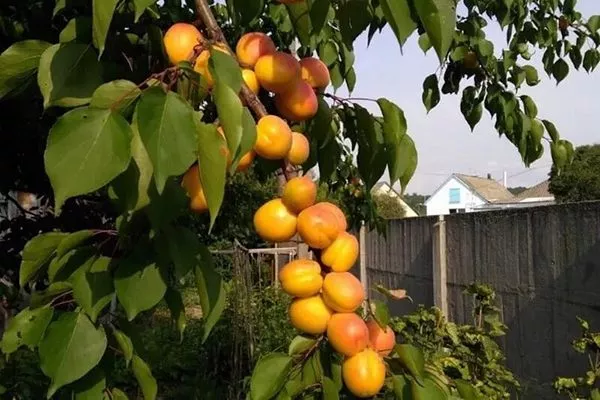
The Zhigulevsky Souvenir is a medium-sized hybrid, with the tree reaching a height of 3 to 4 meters. The plant grows rapidly—by the age of 7, it is fully formed and reaches its maximum height. Other characteristics:
- the crown forms independently, it can be round or pyramidal;
- bark - light brown;
- leaves – quite large and pointed at the top, light green and slightly pubescent;
- foliage – medium;
- petioles – medium length, pigmented;
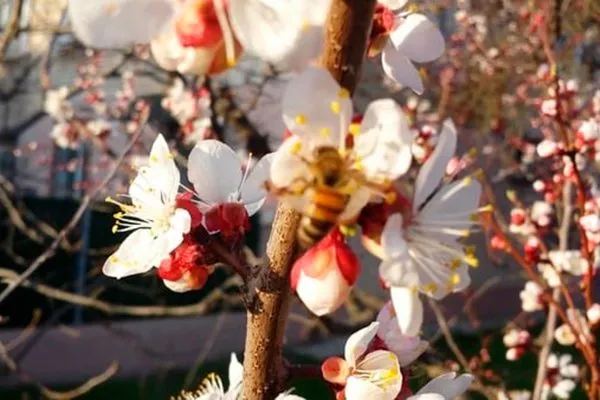
- inflorescences - have two flowers of a delicate pink color.
Fruit
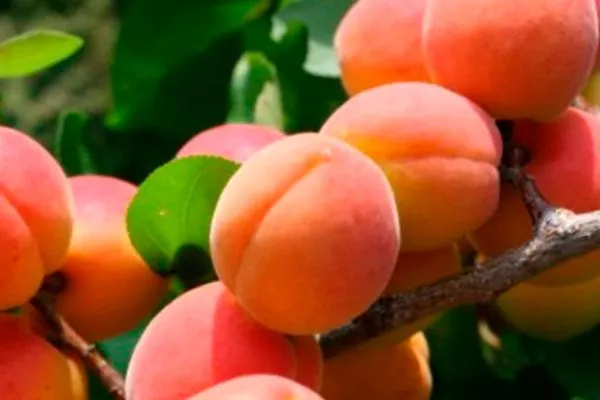
The fruits of the Zhigulevsky Souvenir variety are medium-sized – their weight varies from 21 to 40 g, but under the most favorable conditions they can reach 50 g. Other indicators:
- peel color - standard orange, with a reddish blush on the side (from the sun side);
- the pulp color is also orange, the structure of the fruits is juicy and dense;
- fruit shape – round-oval;
- the skin is thin and not pubescent;
- the stone is medium in size, easily separated from the pulp;
- The taste is mostly sweet, but there is also a hint of sourness.
Characteristics
The characteristic traits of apricots play a significant role, as they determine the growing region and the ease or difficulty of care. Zhigulevsky Souvenir fruits are rich in nutrients, making them often recommended for consumption even by children. They are particularly rich in vitamin A and beta-carotene.
Resistance to drought and frost
The Zhigulevsky Souvenir hybrid is considered frost-hardy, easily surviving temperatures down to -30°C (-22°F). If temperatures drop below this, the trunk will need to be covered for the winter. Recurrent frosts are detrimental to the buds, as they cause the development of barren flowers.
How does it pollinate and bloom?
Zhigulevsky Souvenir apricots are self-fertile, so they don't require insects or pollinators. Moreover, this variety can act as a pollinator itself. The tree blooms around mid-May in moderate climates, preventing the buds from freezing (frosts are usually no longer present).
Features of fruiting, ripening and yield
Apricots reach technical maturity by the end of July, and the first fruiting occurs four years after planting. The Zhigulevsky Souvenir variety is quite productive—up to 50 kg of fruit can be harvested from a single tree. This yield is maintained for up to 30 years.
Application of fruits
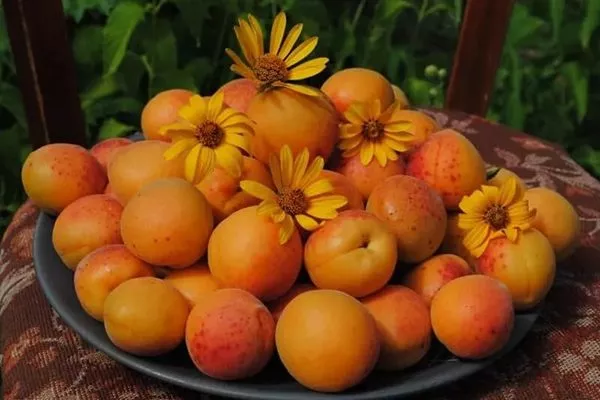
The Zhigulevsky Souvenir apricot is characterized by its versatility. The fruit is ideal for fresh eating and canning. Its high sugar content makes it ideal for making delicious preserves, jams, compotes, and baking fillings. The firmness of the pulp also allows it to be used for dried fruit.
Advantages and disadvantages of the variety
Zhigulevsky Souvenir apricots have many advantages, but the variety also has some negative aspects.
Methods of reproduction
The Zhigulevsky Souvenir apricot variety can be propagated using various methods, including pitting and cuttings. The former is not considered promising, as it does not preserve the characteristics of the parent tree. When propagated by cuttings, the plant quickly takes root and adapts easily to a new location.
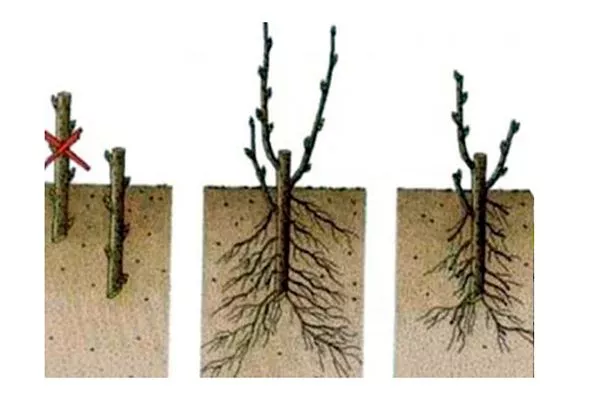
To propagate, simply take cuttings in the spring, dip them into any growth stimulant, let them take root, and after a month, transplant them into the garden.
Landing features
The Zhigulevsky Souvenir variety is planted using the standard method, but it's important to consider specific weather conditions, select the right site, and create the necessary fertile substrate.
Recommended timeframes
Planting can be done in spring or fall, but spring is best, as this will give young seedlings time to take root and help them survive the winter. The optimal time is when the air temperature stabilizes at 10-14 degrees Celsius. Recurring frosts are undesirable, but if they cannot be avoided, temporary shelters will need to be created for the night.
Selecting a suitable site
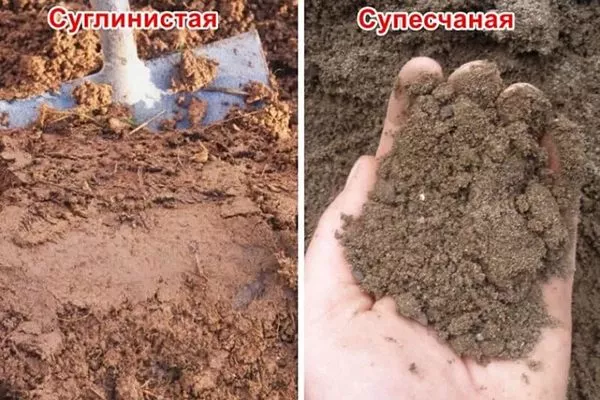
The hybrid prefers fertile, loose soils, so black soil, loam, and sandy loam are considered the best options. There are also other characteristics:
- groundwater level – minimum 1.5 m;
- the soil must allow air and water to pass through;
- the terrain is extremely elevated;
- the area is sunny (so that the fruits gain sweetness);
- no drafts;
- acidity – from 7.0 to 7.5 pH;
- placement near buildings and fences – distance from 3-4 m.
- ✓ The groundwater level must be at least 1.5 m to prevent rotting of the root system.
- ✓ The soil should have a pH between 7.0 and 7.5; deviations from this range may cause the fruit pits to crack.
Neighborhood with other cultures
Apricots don't tolerate proximity to stone fruits and other crops. They should definitely not be planted near apple and pear trees, sweet cherries, plums, and peaches. Raspberry and currant bushes are common enemies.
Selection and preparation of planting material
When purchasing a seedling, pay attention to its quality, especially its root system. Therefore, experts recommend purchasing seedlings without a root ball, allowing you to carefully examine any imperfections on the roots.
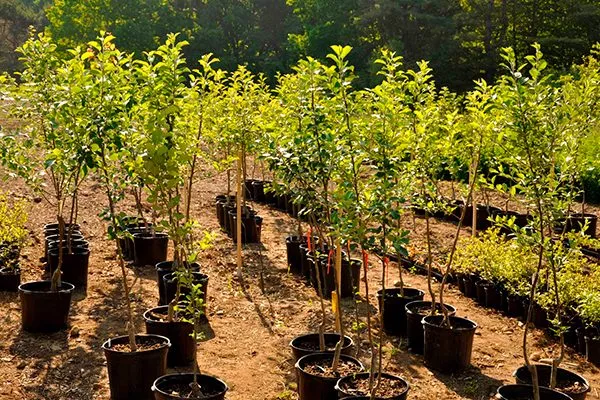
What kind of seedlings should there be:
- no signs of disease or pests;
- free from diaper rash, mold, or rot;
- not overdried;
- the presence of young leaves and at least 3-4 living buds is required;
- tree age – from 1 to 2 years;
- height – about 70-90 cm;
- root system – developed enough for rooting.
The seedlings don't require any special preparation—just dip them in a clay slurry for about 20 minutes before planting. If the roots are slightly weakened, soak them in any rooting stimulator (Epin, Kornevin, etc.) according to the instructions.
How and when to prepare the site?
The garden site for Zhigulevsky Souvenir apricots should be prepared in advance – in the fall if planting is planned for spring, and by mid-summer if for fall. This is necessary to allow the soil to absorb nutrients.
What you need to do:
- Remove all debris, branches, leaves, etc. from the area.
- Dig over and add 7-9 kg of organic matter (humus, manure, compost) per 1 sq. m.
The soil should remain in this condition for 2-4 months. If you haven't prepared the area in advance, do so 2-3 weeks before the main work. However, in this case, do not add fresh manure—only rotted manure.
The process of planting young seedlings step by step
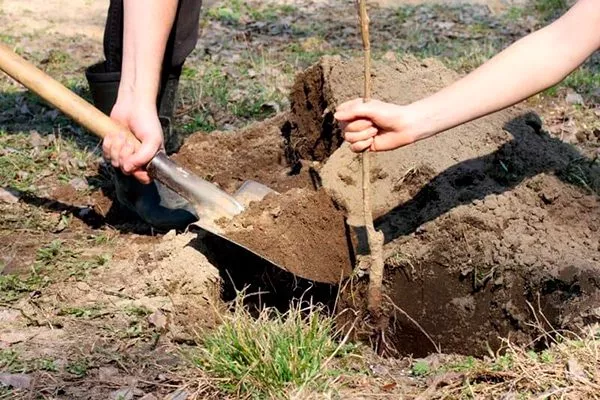
Planting is best done in dry, warm weather. The process is as follows:
- Dig planting holes. Their dimensions are 70 x 70 cm, but the depth and diameter largely depend on the size of the seedling.
- Place drainage material—broken bricks, crushed stone, gravel, or pebbles—at the bottom. Make sure the layer is at least 10 cm thick.
- Remove the top layer (about 15-20 cm) from the excavated soil and add 200-300 g of Superphosphate to it.
- Mix thoroughly and fill half of the hole.
- Make a slide.
- Place the prepared seedling on a hill and spread the roots out to the sides.
- Sprinkle the remaining soil over the plant, tapping it occasionally with your palm to release air and avoid air pockets. Keep in mind that the root collar or grafting point should be 6-8 cm above ground level.
- Water generously with warm water and mulch with sawdust.
Care Features
Caring for the Zhigulevsky Souvenir apricot variety isn't particularly difficult, but it's important to pay attention to watering. Be sure to periodically remove weeds and loosen the soil to allow oxygen to reach the roots.
Pruning and crown shaping
The Zhiguli souvenir doesn't particularly need crown shaping, as it grows beautifully on its own. However, it's worth doing—firstly, you'll achieve the desired height and shape, and secondly, the branches won't become dense, reducing the risk of diseases and pests.
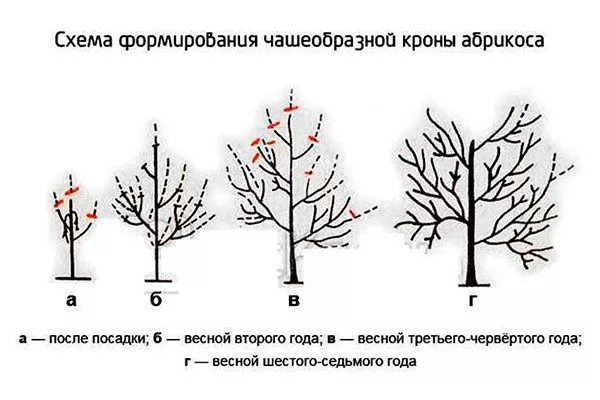
Features of formation procedures:
- they are carried out during the first 5 years of the plant’s life, after which they only maintain its shape;
- every year they form a new tier, removing the main part of the branches;
- After trimming, the cut areas are treated with charcoal;
- shortening is carried out by 1/3 of the length of the shoots.
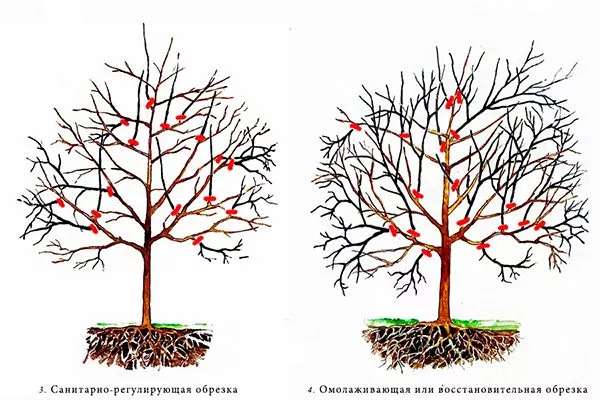
Sanitary pruning is mandatory in spring and autumn, for which all damaged and diseased branches are removed.
Watering
Since the Zhigulevsky Souvenir variety is intolerant of drought and heat, the trees are watered more frequently than other drought-tolerant apricot varieties. Watering is done seasonally:
- in the spring, immediately after the trees emerge from dormancy;
- before flowering;
- after budding;
- during fruiting - several times, depending on weather conditions.
The final watering is necessary after harvesting. Keep in mind that the soil around the trunk should not become crusty, so if necessary, water the soil more frequently than recommended.
Whitewash
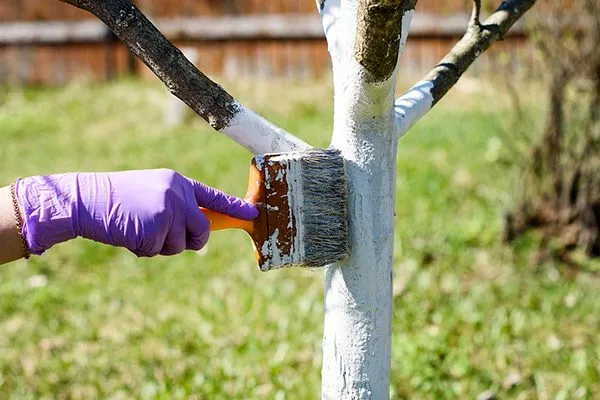
Many gardeners whitewash tree trunks and the lower parts of skeletal branches. They know that lime will protect the trees from unwanted pests and frost during the winter.
Top dressing
Fertile soil is the key to a good harvest and tasty fruit, but an excess of nutrients can also impair the tree's health. Therefore, when purchasing complex mineral fertilizers, be sure to read the instructions. No additional feeding is required during the first year, provided that fertilizer was applied at planting. Subsequently, apply the following fertilizer:
- in spring, immediately after awakening, nitrogen is required to increase green mass;
- before flowering and during budding, complex fertilizers are used;
- when the ovaries fall off, phosphorus is needed;
- After harvesting, superphosphate and potassium salt are applied.
Preparing for winter
Preparatory activities before wintering include the following actions:
- sanitary pruning;
- application of fertilizers;
- moisture-charging irrigation (at least 60 liters of water per bush);
- laying mulching material (for wintering it is better to use organic matter - rotted manure, humus);
- whitewashing trees.
Work is carried out when the air temperature drops to 8-10 degrees Celsius. If the winter is expected to be very cold, cover the trunks with spruce branches or any non-woven material.
Diseases, pests and their control
The Zhigulevsky Souvenir apricot has a fairly strong immune system, so it's rarely susceptible to diseases and pests. The most common causes are poor agricultural practices and excessively rainy summers. Sometimes bacteria and insects migrate to the apricot from neighboring crops.
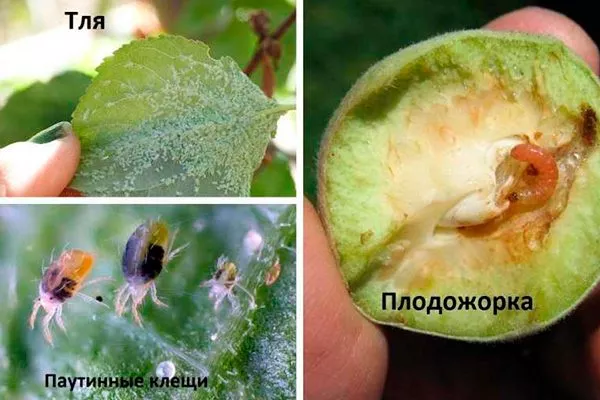
What occurs most often with this variety:
- Cytosporosis. It manifests itself as grayish bumps on the bark, wilting, and leaf drop. A 3% Bordeaux mixture is ideal for treatment.
- Bacterial necrosis. The bark suffers from ulcers and gum oozing. For treatment, use 1% copper sulfate.
- Moniliosis. Shoots and leaves are affected, developing brownish spots. Topaz and Topsin-M are used for treatment.
Pests include codling moths, leaf rollers, and aphids. To prevent these, treat trees with insecticides before flowering, such as Fufanon, Entobacterin, and Fitofermon. Bordeaux mixture is the safest solution for diseases.
Harvesting and storage
It's not recommended to harvest Zhigulevsky Souvenir apricots when they're technically ripe. This is due to the thin skin, which is easily damaged. Therefore, harvest the fruit a week before full ripeness. When harvesting, use a twisting technique to prevent damage.
When properly stored in wooden crates, Zhigulevsky Souvenir apricots can be stored for about a month. This requires a temperature range of 0 to +3°C (32 to 37°F). This can be done in a refrigerator or cellar.
Reviews
The Zhigulevsky Souvenir apricot has excellent frost and pest/disease resistance. It has a pleasant apricot flavor and aroma and is versatile. However, it does not tolerate drought or extreme heat, so it requires frequent watering.