
The Julia peach is characterized by excellent flavor, numerous benefits, and resistance to adverse conditions. Developed in the USA, it attracts attention for its winter hardiness, abundant harvest, and large fruits. It demonstrates undemanding performance in cold winters and variable climates. The key is consistent and proper care.
The appearance of the tree
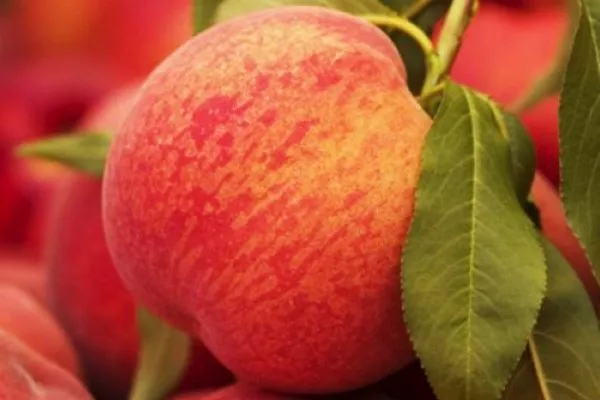
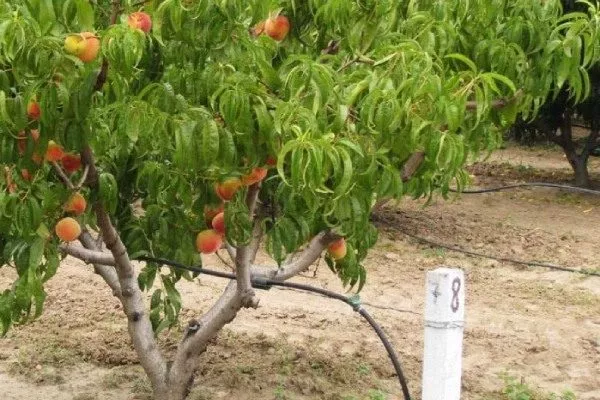
The tree has a compact crown, reaching 4-5 m in height. The shoots are covered with medium to large leaves, colored a rich green.
Fruits and their taste characteristics
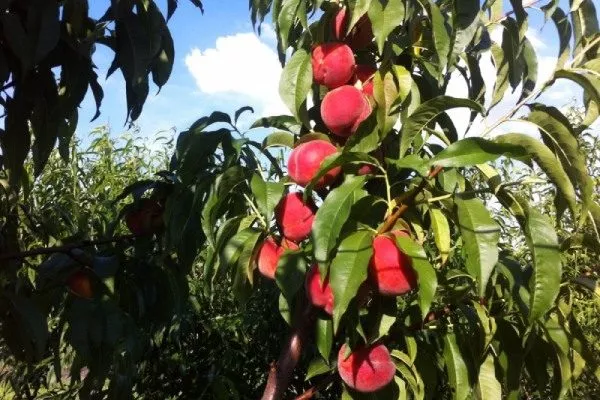
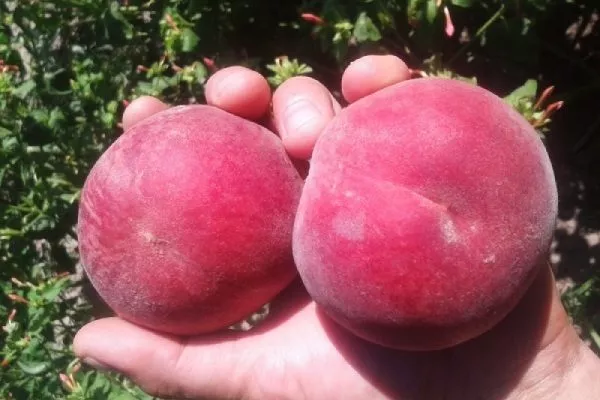
The fruits are a crimson hue, covering most of their surface. They are round in shape and weigh up to 150 g. The skin is thin, slightly pubescent. The flesh is orange, medium-firm, and very juicy.
Ripening period and yield
The Julia peach is an early-ripening variety, with its fruit beginning to ripen in late June or early July. This variety is highly productive, yielding up to 30-35 kg of fruit per tree. Read about the best varieties. Here.
Sustainability
It is characterized by resistance to diseases and pests thanks to its strong immune system. However, experienced gardeners recommend taking preventative measures to avoid potential problems. Learn about the most disease-resistant hybrids. here.
The plant tolerates bright sun well without burning and retaining the quality of its fruit. It is wind-resistant thanks to its dense crown and strong branches, preventing damage to the tree.
Care and cultivation
Choose a sunny, wind-protected location with well-drained soil. The best time to plant is early spring or fall, when the soil is still warm but the plant is already dormant.
Follow the recommendations:
- Dig a hole approximately 60-70 cm deep and 70-80 cm wide. Fill it with a mixture of fertile soil and humus or compost.
- Place the seedling in the center of the hole, carefully spreading out the roots. Fill the hole with soil, compact it, and water thoroughly. Make sure the root collar is level with the ground or slightly above.
- After planting, install a stake nearby to tie up the seedling so that it does not break in the wind.
Caring for your seedling after planting is key to its successful development and future fruiting. Follow standard agricultural practices:
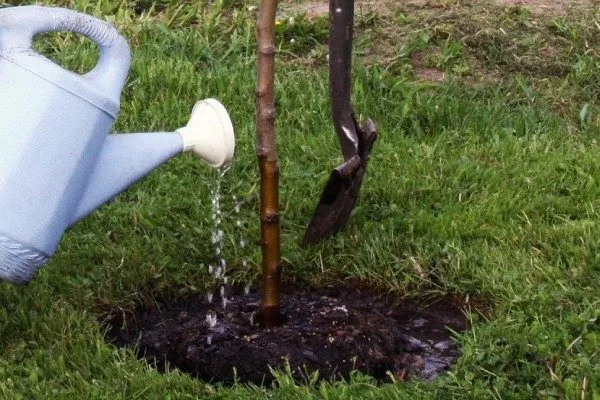
- Watering. The seedling requires regular watering, especially in the first few years after planting. Water 1-2 times a week, increasing the frequency in hot weather. Keep the soil moist but not waterlogged.
- Top dressing. In spring and summer, apply organic fertilizers such as compost or humus. During periods of active growth and fruiting, feed the tree with complex mineral fertilizers containing nitrogen, phosphorus, and potassium.
- Protection from diseases and pests. To prevent diseases, treat the seedling with fungicides in the spring and fall. Inspect it periodically for pests and spray with insecticides if necessary.
By following these recommendations, you will ensure the healthy growth of the Julia peach and receive a bountiful harvest of high-quality fruits.
Features of pruning
Pruning peach trees is an important part of tree care, helping to properly shape the crown, increase yield, and improve fruit quality. Prune annually, paying particular attention in the spring.
Key Features scraps:
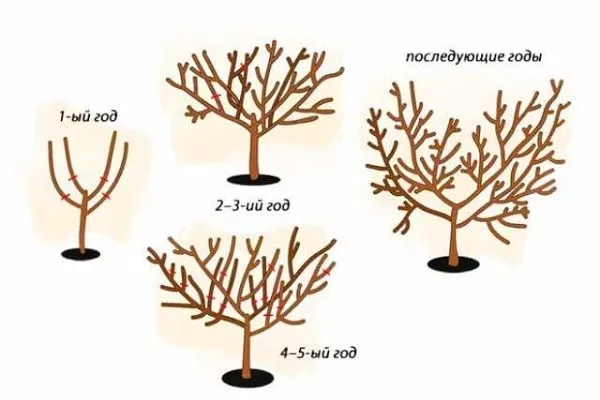
- Formative. For the first 2-3 years after planting, perform formative pruning to create a strong and balanced crown. To do this, select 3-4 strong shoots to serve as scaffold branches, and shorten or completely remove the rest.
Trim the central conductor (main trunk) so that its height does not exceed 50-60 cm from the upper skeletal shoot, which allows you to form a low tree with an easy-to-care-for crown. - Regulatory. Throughout the tree's life, remove weak, damaged, crossing, and inward-growing shoots annually in the spring. This will improve air circulation and light within the crown, reducing the risk of disease and improving fruit quality.
Shorten shoots that produced fruit in the previous season by a third of their length to stimulate the growth of new fruiting branches. - Rejuvenating. After 6-8 years of active fruiting, perform a rejuvenating pruning, removing old and unproductive branches. Leave only young shoots that will bear fruit in subsequent years. This will prolong the tree's life and maintain its productivity.
- Summer pruning (pinching). During the active growth period in early summer, pinch out young shoots to limit their length and stimulate the formation of flower buds for next year. Pinch out the current year's shoots, leaving 5-7 leaves at the base.
Water suckers (strong vertical shoots) often appear on peach trees and drain a lot of nutrients. Remove them in summer or fall to allow the plant to focus its energy on developing fruit-bearing branches.
Winter hardiness
The variety has high winter hardiness, which makes it suitable for cultivation even in harsh climatic conditions.
Advantages and disadvantages
Before planting a crop, carefully examine its positive and negative qualities. This will help you avoid potential difficulties during cultivation.
Advantages of the variety:
Among the disadvantages, some gardeners note:
Review of reviews
The Julia peach is an excellent choice for both novice and experienced gardeners seeking high-quality fruit even in challenging climates. Its high winter hardiness and disease resistance make it a reliable choice for a variety of regions. With proper care, it will yield abundant harvests every year.