
The Voronezh Bush Peach is an early-ripening variety that requires no pollination. It prefers warm climates but can withstand cold periods. This variety is resistant to insect pests and diseases, and its compact size makes it ideal for small gardens. It's easy to care for, and its fruits delight with a rich aroma.
History of variety selection
The bush peach, dubbed Voronezhsky, has not yet been officially registered. However, it is rapidly gaining popularity among gardeners. Its origins are shrouded in mystery, but some sources suggest its development is linked to the work of enthusiastic grassroots breeders.
The question of the peach's origin is clarified by V. Babenko's book "Peach: Growing Practices." This guide mentions that in 2002, V. V. Babenko, a student at the Voronezh Agricultural Academy and a breeder, crossed two peach varieties: the Kievsky Ranniy (Kiev Early) and a hybrid created by V. U. Kapelyushny, a renowned amateur breeder.
Peculiarities:
- The following year, Babenko planted the seeds obtained from the cross, and 126 seedlings grew from them. Until 2006, they were kept outdoors near Voronezh without additional shelter.
- After the cold winter of 2006, only 4 plants survived.
- In 2007, after the first fruiting, it became known that one of them ripens at the end of July, another in mid-August, and the last two at the beginning of September.
Description of the Voronezh bush peach
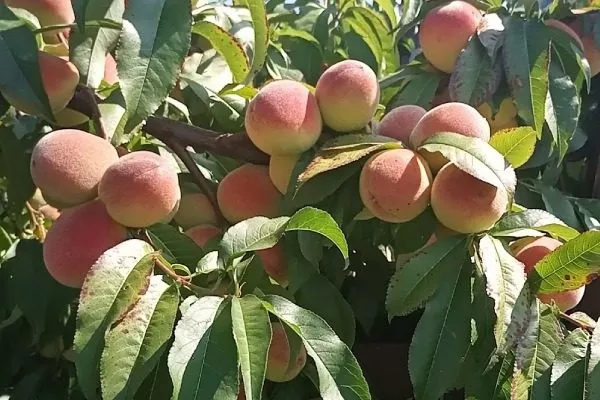
The Voronezhsky Kustovoy peach variety is a compact plant that can be trained as either a small tree or a bush. It reaches a maximum height of 180-200 cm.
There are also other varietal characteristics that are typical for all three types of the variety:
- A strong and flexible dark brown trunk, with thin fruiting branches that do not break.
- The crown is rounded, slightly spreading.
- The leaves are small, oval, with serrated edges, and the root system is well developed.
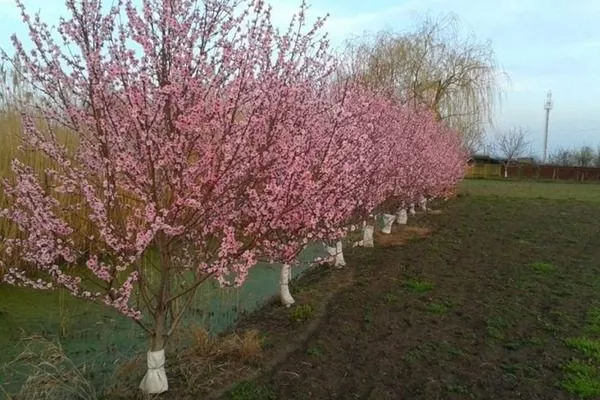
- This peach tree blooms in May, when its neat crown is covered with large, single, light pink buds that emit a sweet scent.
- The fruits are formed on strong branches of the previous year and on short stems.
- The variety is distinguished by its medium-sized fruits – the weight of the fruits ranges from 90 to 120 g, and sometimes there are heavier specimens weighing up to 150-180 g.
- The fruits are round in shape and covered with a hairy skin, which is a little tough, but does a good job of preventing the fruit from cracking, even if it is overripe.
- The ventral suture is visible on the surface.
- The fruits are firmly attached to the stalk, which prevents them from falling off even when fully ripe.
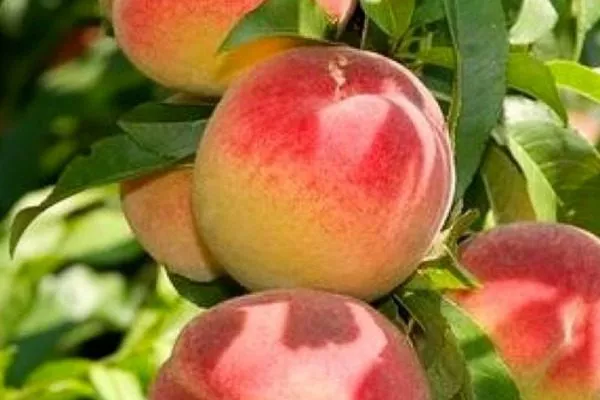
- When peaches reach their technical peak of ripeness, their color changes to yellow-green, and at the moment of full ripeness they acquire an orange-yellow tone with a characteristic blush, reminiscent of a delicate, blurred pattern.
- Inside the fruit lies light yellow pulp with a soft, juicy and slightly porous texture.
- The large stone, typical of brugnons, is quite difficult to separate from the pulp.
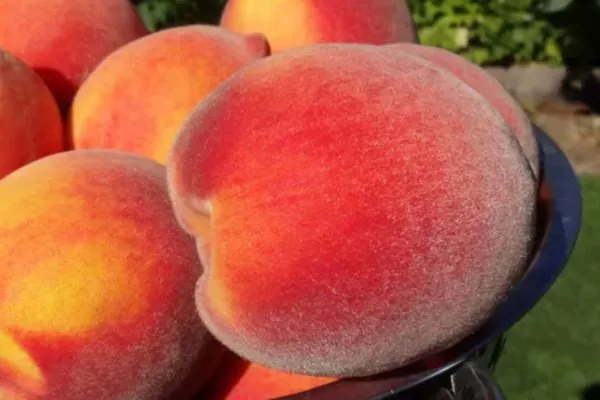
The exquisite flavor of this fruit is also noteworthy: it's sweet, with subtle dessert notes and a rich aroma. The sweetness of this variety's fruit outweighs the tartness, giving it a distinctive aroma and delicate flavor.
Key Features
Known for its resilience, the peach delights gardeners with its ability to produce a harvest as early as the second year after planting. With proper pruning, this shrub doesn't require much space and is pest-resistant.
Drought and frost resistance
The Voronezh Bush variety has the genetic ability to withstand high temperatures without regular irrigation. It thrives in full sun all day long.
This frost-resistant variety was specifically bred for the conditions of central Russia. It can withstand temperatures down to -35°C, and if the roots do freeze, the bush will fully recover in the spring. To protect it from winter frosts, cover it.
Growing regions
According to gardeners, the Voronezh bush peach grows successfully and demonstrates productivity not only in the south of the country, but also in the Leningrad and Moscow regions, as well as in the Central and Central Black Earth regions, the Far East, the Urals, and Siberia.
Does the variety need pollinators?
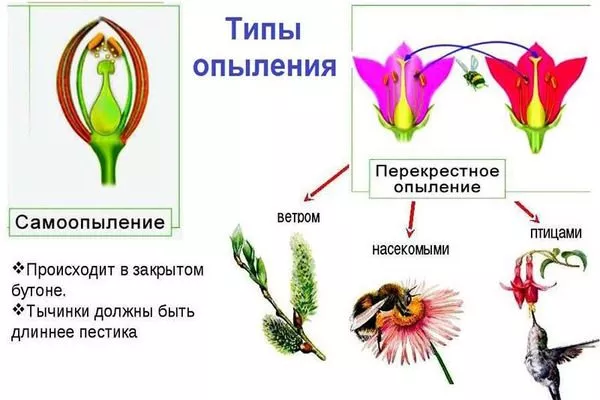
Peach trees are self-pollinating, eliminating the need for pollinators. However, when planting, it's important to consider that the presence of tall fruit trees nearby can hinder fruit production, as their canopies can shade the bush, depriving it of sunlight and warmth.
Fruiting and yield
The Voronezh Bush variety is distinguished by its early maturity: you can enjoy sweet fruit as early as the second year after planting. The tree bears fruit continuously and is classified as a mid-late variety. Harvest begins in mid-September, depending on climate conditions, and occurs in several stages.
The productivity of this crop is impressive: each small bush tree produces 25-30 kg of juicy fruit per season. They transport well and retain their marketability and flavor for 6-8 days.
Application of fruits
The Voronezhsky Kustovoy variety is characterized by its compact size and good yield, making it ideal for both home gardens and agricultural enterprises. This peach variety is primarily consumed fresh.
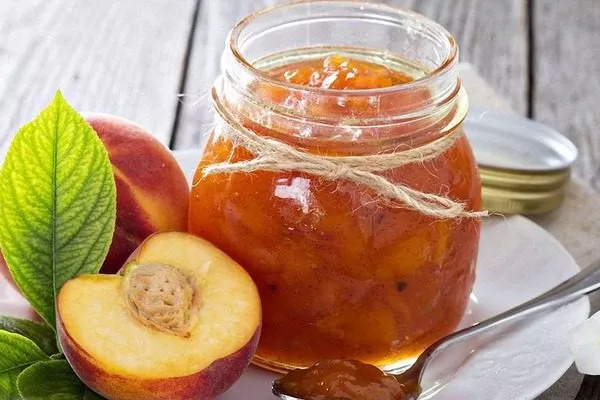
Peaches are ideal for winter preserves, such as compotes and jams, when grown at home. They are also grown commercially for retail supply and juice production.
Resistance to diseases and pests
The variety has increased resistance to diseases and pests, making it ideal for temperate climates.
Planting the Voronezh peach
To grow a strong and fruitful Voronezh Bush peach bush, it is important to strictly adhere to agronomic recommendations for planting.
Optimal time frame
Planting young trees of this crop can be done in either spring or fall, depending on the local climate. In central latitudes, the first week of October is considered the ideal time for fall planting.
In northern regions, it is preferable to postpone this procedure until spring to give the plant time to adapt, take root well, and strengthen its strength before the onset of cold weather.
Choosing a suitable location
Peach trees prefer warm climates and are drought-resistant, but they require adequate light to thrive. Therefore, they should be planted in sunny, south-facing locations. The ideal soil type for this plant is loamy, well-aerated soil with a neutral to slightly acidic pH.
Recommendations:
- To reduce acidity, you can use dolomite flour, lime powder, chalk, or gypsum. Even ordinary wood ash will help balance the soil's acidity.
- It is important to remember that peach does not tolerate soil with a high potassium content, which can have a detrimental effect on its growth.
- For heavy soils, it's recommended to sow green manure crops, which not only loosen the soil but also enrich it with nitrogen and other nutrients, improving soil structure. Suitable green manure crops include phacelia, mustard, and similar plants.
Selection and preparation of planting material
For planting, it is recommended to use seedlings with high-quality rootstock, which can be purchased at specialized retail outlets.
The main criteria for selecting seedlings of this variety include:
- the presence of at least three healthy shoots on the plant;
- integrity of the bark, without any damage;
- strong roots, free from diseased areas and dry dead fragments.
Growing seedlings from seeds is another method, particularly suitable for cool climates. Peach seeds contain all the varietal traits that will be passed on to the future plant.
They are sown from September 20th to 30th, and the first shoots can be expected by May 10th of the following year. A year later, when the seedlings have become stronger, they are transplanted to a permanent location along with the root ball.
Landing algorithm
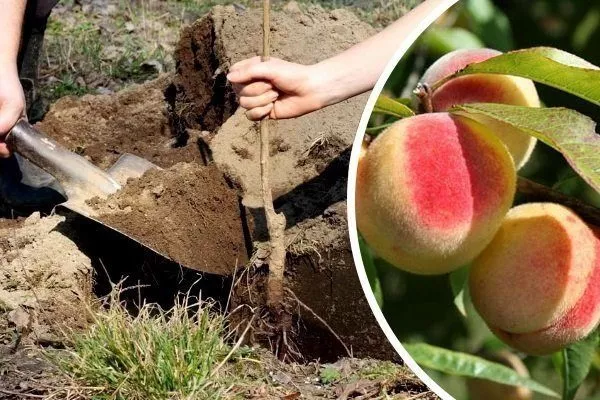
First, locate a plot on the south or southwest side of your property and mark the seedling locations, spacing them 280-320 cm apart. Then follow the standard planting plan, but keep in mind the varietal requirements:
- Prepare planting holes by digging them 60 to 80 cm deep and 60 to 100 cm in diameter, setting aside the topsoil and organic matter. In fertile soil, a smaller hole may be sufficient, while in heavy clay soils, the holes should be deeper and provide a drainage layer at the bottom.
- For drainage, place gravel, river sand with shells, broken brick, and other materials on the bottom. Don't forget to install a support immediately, 30-40 cm higher than the seedling.
- Add humus or compost (10-15 kg), superphosphate (250-300 g), potassium sulfate (about 120 g), or wood ash (a 2-liter jar) to the top layer of soil. Mix thoroughly and fill the hole 2/3 full with the fertile mixture. Don't forget to cover it with thick plastic for the winter.
- In the spring, before planting, prepare the young tree as follows: according to V. Babenko's advice, 3 days before planting, renew the root cuts on bare-root seedlings, immerse them in water up to 1/3 of their height, and leave them for 2-3 days. Water seedlings with closed root systems 3-4 hours before planting to make them easier to remove from the container.
- Before planting, thoroughly moisten the substrate in the hole after opening it, pouring in about 20-25 liters of water.
- Once the liquid has been absorbed, carefully lower the plant into the prepared hole. Keep these points in mind:
- When planting a seedling with an open root system (ORS), a small mound is created in the center of the hole, on which the peach is carefully placed, evenly distributing the roots to the sides.
- For a seedling with a closed root system (CRS), dig a hole corresponding to the size of the root ball and place the plant there.
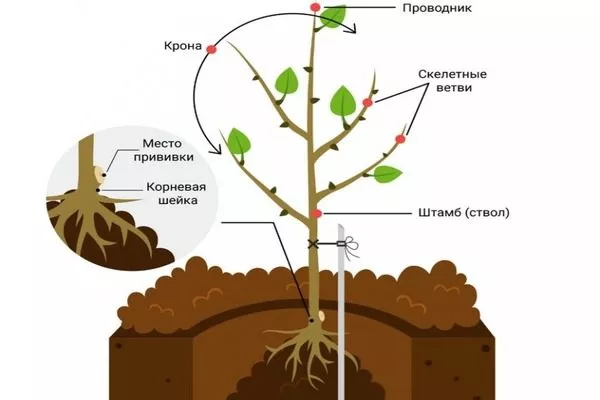
- Lift the seedling so that the root collar is 5–7 cm above ground level.
- Cover the roots with soil and compact it, starting from the edges of the hole and moving toward the center. Gently support the seedling to avoid creating voids between the roots. Firm the soil especially thoroughly at the base of the plant to prevent the root collar from sinking.
- Along the edges of the hole, form a small ridge of soil about 12-15 cm high.
- Secure the plant to the support and mulch the area around the trunk.
Aftercare for peach
There's no information on the water and fertilizer requirements of the Voronezh bush peach. It's likely that the plant is cared for according to generally accepted methods for this species. Therefore, stick to the standard care plan:
- Watering should be done at 3-4 day intervals until budding begins, after which the frequency is reduced to once a week. It's important to note that bush peach trees do not tolerate excessive waterlogging, so natural precipitation is sufficient during the rainy season.
Once the tree is mature, it should be watered approximately 1-2 times a month. - Fertilizers are applied several times during the growing season. The first application is in the spring before flowers appear, when the plant requires nitrogen for growth. A second application, using a potassium sulfate solution, is applied during budding.
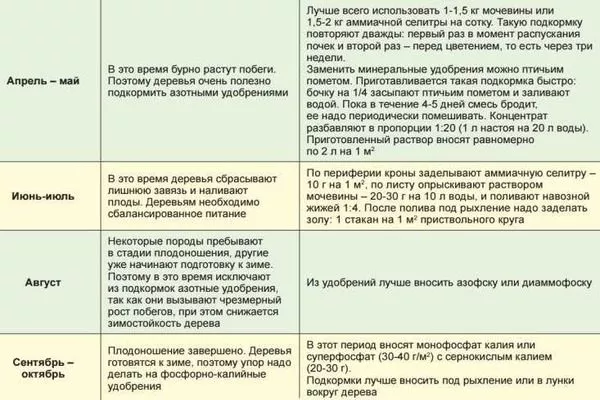
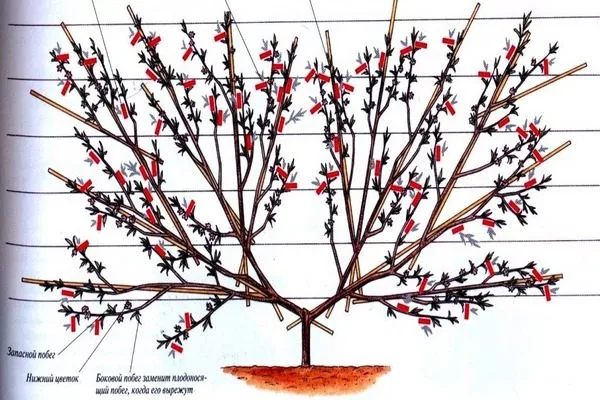
- The first pruning is done immediately after planting. In subsequent years, during the annual sanitation procedure in early spring, damaged, twisted, dried, or frost-damaged branches are removed. Crown shaping involves thinning—removing excess branches.
Peach trees begin bearing fruit on branches from the previous year and on stems for two seasons. Typically, three to four of the strongest shoots are left, while all unnecessary branches, small shoots, and young shoots that thicken the bush are removed.
How to insulate a peach tree for the winter?
To ensure successful wintering of a peach tree, it is recommended to cover the soil around the bush with a generous layer of organic fertilizer or compost. The flexible branches of the plant should be carefully secured together, after which the entire structure is insulated with spruce branches and agrofibre.
Protecting peaches from diseases and pests
Diseases and garden pests can slow growth and negatively impact yields:
- During the summer, especially in early and mid-summer, aphids become the main enemy of the Voronezhsky Kustovoy variety. This pest attacks the tender tips of the shoots. To prevent problems, it is recommended to treat the peach with Iskra DE when the first leaves appear.
- Leaf blades can be affected by fungal diseases. Small bumps appear on them, which over time develop into holes, forming pinhole spot. Copper-containing products, such as Hom, are used to combat this. As a preventative measure, it is recommended to whitewash the trunk and branches in the spring with lime mixed with copper sulfate in a 1:2 ratio.
- Leaf curl is the most common fungal disease of the Voronezh Bush peach, appearing as large, dark-burgundy bumps on the leaves. Copper-based herbicides should be used to treat it.
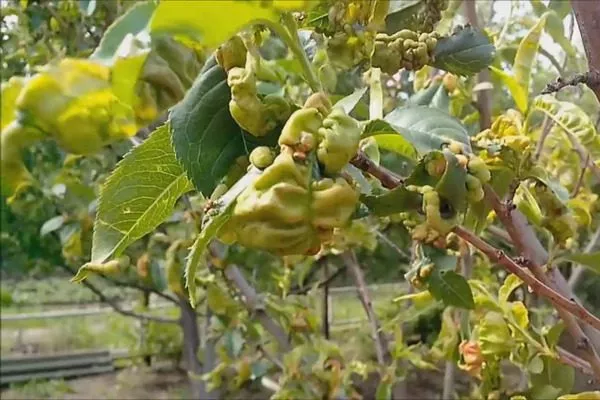
These problems are possible, but rare due to the variety's high resistance to diseases and pests.
Positive and negative qualities
The main advantages of the Voronezh peach variety include:
The disadvantages of the variety include:
Reviews
The Voronezh Bush Peach is a selective variety designed for gardening in temperate climates. It is distinguished by its frost resistance and drought tolerance. The plant has a high resistance to fungal diseases and is rarely affected by insect pests, making it suitable for commercial cultivation.