
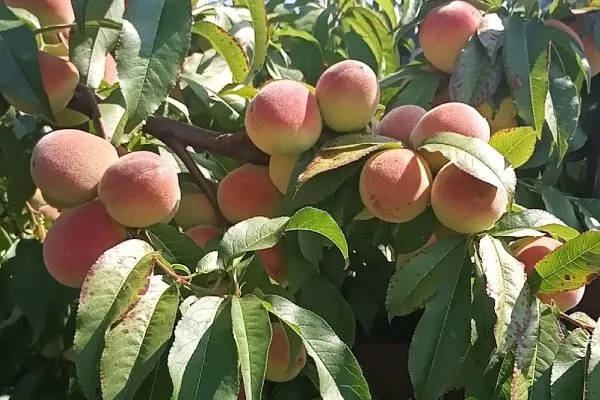
The Voronezh peach is small for a tree, hence its nickname, a bush peach. It bears fruit fairly early, but reaches full maturity in the middle. It's considered a dessert variety, primarily for fresh-picked consumption. It's cold-hardy but prefers to grow exclusively in sunny areas.
Breeding history
This is a unique variety that is currently not included in the official register of cultivars. Despite its lack of official status, the cultivar is gaining more and more fans.
There is no clear information about the origin of the Voronezh bush peach, but there are suggestions that its appearance is connected with the work of folk breeders who created this variety by crossing the Kiev Early with an unknown hybrid.
Description of the variety
Fruits of this variety can be transported over long distances without damage or rotting for extended periods of time when stored properly. This explains why Voronezhsky is cultivated on a large scale.
What does a tree look like?
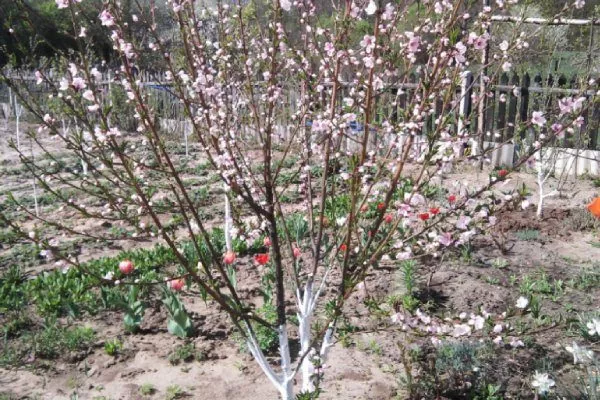
Voronezh trees are low-growing and bushy, so the maximum plant height is 180-200 cm. The variety has the following characteristic features:
- the central trunk is flexible and dark brown, thickened;
- lateral shoots are thinner;
- the leaf blades are oblong and light green, with many small teeth along the edges;
- the flowers are light pink and fragrant, held on strong stalks;
- flowering occurs throughout May, but the exact period depends on the growing region and the current weather;
- the root system is well developed.
Fruit characteristics
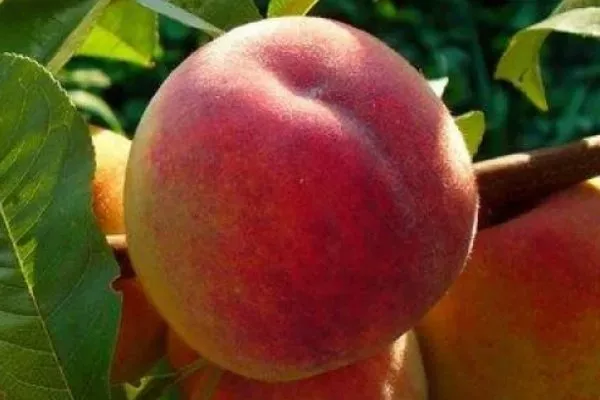
The variety is considered medium-sized, so the weight of each fruit varies from 90 to 120 g, but among them there are also larger specimens - up to 150-200 g. Other features:
- form - rounded and slightly flattened from the side of the abdominal suture, which stands out;
- color - yellow-green when technically ripe and bright yellow-orange when biologically ripe;
- blush – present over a wide area, and when fully ripe, covers the peaches almost completely;
- skin – It is very pubescent and hard, but it is this density that allows the fruit to remain fresh for more than a week and not be damaged during transportation;
- bone – large in size, detaches from the pulp with effort;
- pulp – quite juicy, tender and fleshy, slightly porous, light yellow.
Taste qualities
The fruit's flavor is considered exquisite: it has a sweet undertone and a rich aroma. It has virtually no acidity, so when preserving the jam, housewives use less sugar than usual.
Drought resistance
The Voronezhsky Kustovoy variety has the genetic ability to survive hot weather without the need for frequent watering. It doesn't suffer from sun exposure throughout the day, and with increased ultraviolet light, the fruit's flavor becomes even sweeter. Please note that excessive moisture can cause fruit loss.
Does the variety need pollinators?
Peach trees have bisexual flowers, meaning they don't require pollinators. It's important to remember that the bush produces little fruit if it's planted next to a tall tree, as its canopy blocks oxygen and sunlight.
Indicators of yield, ripening and fruiting
It ripens quickly, allowing you to enjoy its sweet fruits as early as the second year after planting. The tree bears fruit continuously, is a mid-season variety, and begins to yield fruit in mid-September, depending on weather conditions.
The fruit is harvested in several stages. The yield is high, reaching 25-35 kg per bush.
Application of fruits
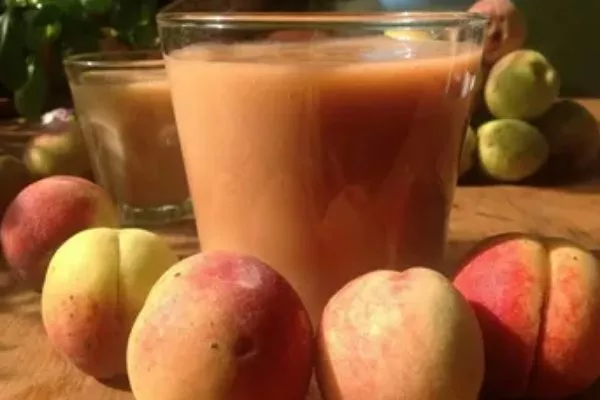
The fruits of this variety are widely used both fresh and for winter preservation, making compotes, preserves, marmalades, and jams. Large-scale peach cultivation is aimed at supplying retail chains and producing juice.
Frost resistance: is it necessary to cover?
Voronezhsky is incredibly resistant to low temperatures, making it an ideal choice for gardeners in harsh climates, including the Urals, the Far East, and other cold regions. This variety can withstand temperatures as low as -35-40°C.
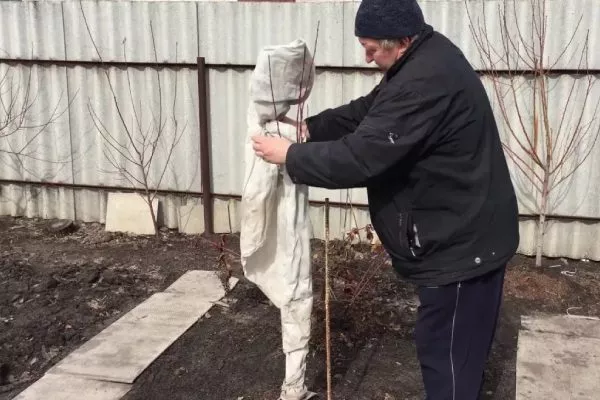
Before the winter months, mature trees are covered with a layer of organic fertilizer (humus, compost, spruce branches), while young plantings require more careful care: the trunks must be protected with a breathable material or completely covered, while bending the branches closer to the ground.
Growing regions
The variety is suitable for cultivation in regions such as Moscow, Leningrad, and Samara, as well as in areas with a harsher climate.
Landing features
For successful cultivation, select a location with sufficient sunlight, preferably on a south-facing side, but protected from strong winds. It's important to avoid placing the tree in the shade of larger plants, as their canopy can block sunlight.
- ✓ The optimal planting depth of a seedling should be at least 60 cm to ensure the stability of the root system.
- ✓ The distance between seedlings should be at least 3 meters to ensure sufficient space for growth.
Other features for this variety:
- Planting can be done in either spring or fall, but it's important to take current weather conditions and climate into account. In central Russia, early October is recommended, while in more northern regions, spring is preferred to allow the seedling to establish itself, take root, and build strength before winter.
- Peach trees thrive best in loamy, air-permeable soils with a neutral to slightly acidic pH. If necessary, soil acidity can be reduced by adding lime, chalk, gypsum, and wood ash. Furthermore, peach trees do not tolerate soils with excessive potassium, which negatively impacts their growth and development.
- To obtain a healthy bush, it is important to use planting material with a root ball and varietal rootstock, which can be purchased at garden stores or agricultural nurseries.
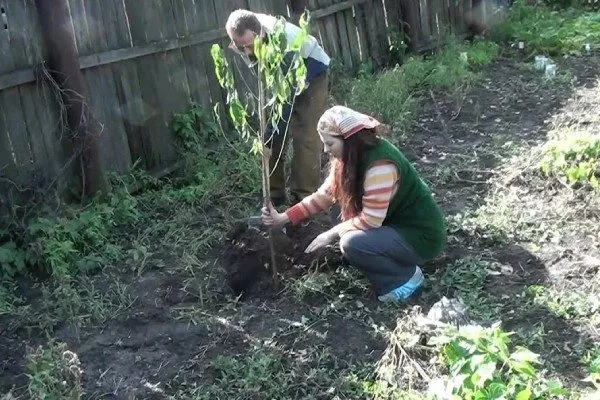
- The planting hole should be 55 x 55 x 55 cm, with drainage at the base to prevent water accumulation and fungal growth. Gravel, crushed rock, crushed brick, or pebbles can be used for this purpose.
- The excavated soil is enriched with organic matter, wood ash, and mineral compounds, with the addition of river sand. Part of this mixture is poured into the hole, the seedling is placed, and the hole is filled, carefully compacting the soil and watering generously with 20 liters of warm water.
- Then the plant is cut to 22-27 cm.
How to care for the peach tree further?
This variety is considered easy to care for. A few simple steps are all it takes:
- Plants are watered twice a week until they bloom, after which the interval between waterings is increased to every 7 days. It's important to keep in mind that peach trees don't tolerate excessive waterlogging, so atmospheric moisture is sufficient during rainy weather.
- Several fertilizing sessions are necessary throughout the season. In early spring, nitrogen-rich fertilizers are needed for growth. During flowering, a potassium sulfate solution is used.
- The first pruning is done after the tree has been planted, followed by annual sanitary pruning in the spring, which involves removing damaged, deformed, dried, or frozen branches. Thinning the shoots is necessary to shape the crown.
To ensure the peach bush survives the winter, a substantial layer of humus or compost is added under its roots. The bush's thicker branches are pinned to the ground, and the entire structure is then lined with spruce branches and agrofibre.
Methods of control and prevention
This peach variety is highly resistant to most diseases. Fungal infections can attack the plant if the humidity is too high, which can also lead to aphids. This pest damages young shoots. To prevent this, it is recommended to treat the peach tree with Iskra DE insecticide immediately after the first green shoots appear.
What else to be wary of:
- Peach leaves can be susceptible to fungal infection, which manifests as pinpoint bumps that, over time, develop into holes, creating a characteristic pinhole-like spot. The plant should be treated with copper-containing products, such as Hom. Additionally, in spring and fall, it is recommended to whitewash the trunks and shoots with lime mixed with copper sulfate in a 1:2 ratio to prevent the disease.
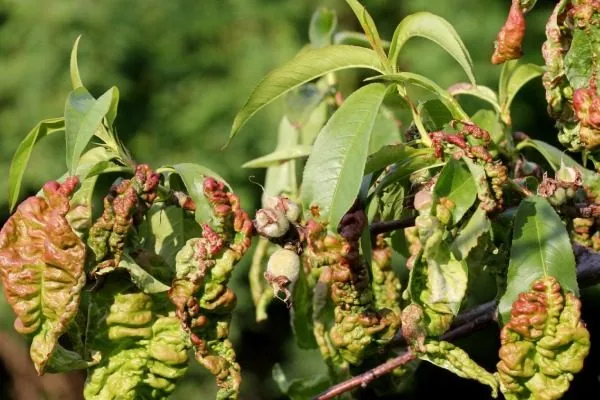
- One of the most common fungal infections is leaf curl. It manifests itself as large, dark-burgundy bumps on the foliage. Copper-containing herbicides should be used to combat this disease.
Advantages and disadvantages of the variety
Voronezh, like its other relatives, has a number of advantages and disadvantages. Key advantages include:
Among the disadvantages of the variety it is worth noting:
Reviews
Voronezhsky is a unique, selectively bred variety developed for cultivation in temperate climates. This peach is distinguished by its good frost resistance and drought tolerance. It has strong resistance to fungal diseases and is resistant to pests, making it ideal for large-scale gardening.