
Vladimir is the name of a mid-season peach variety, a member of the fig family of fruit crops. It is beloved by Russian gardeners for its attractive fruit, its interesting shape, and its incredible flavor. Thanks to its strong immunity and frost resistance, it can be grown not only in the south but also in regions with cold winters.
Who developed the variety and when?
This peach variety is a product of domestic breeding, named in honor of Prince Vladimir. Scientists have succeeded in developing a self-pollinating fig variety that is fairly frost-hardy (withstands temperatures down to -25°C), disease-resistant (except for leaf curl), and highly productive.
The appearance of the tree
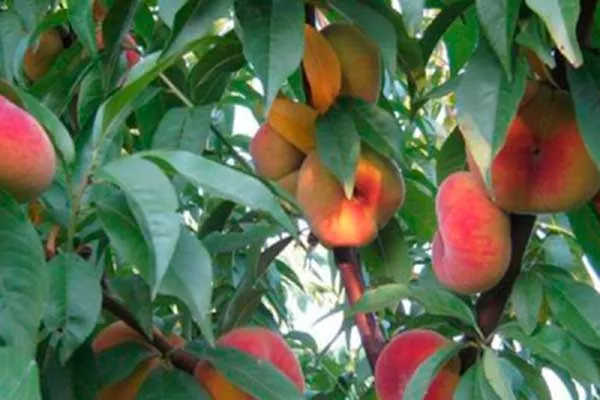
This fruit tree variety is characterized by a robust root system, medium height, and compact size. Its trees have distinctive appearances:
- “height” – 2.5-3 m (maximum trunk height – up to 5 m);
- moderately spreading crown, which summer residents consider compact;
- elongated lanceolate leaves, dark green on the outside, greenish-gray on the back;
- with pale pink flowers, visually reminiscent of rose hips.
Fruits and their taste characteristics
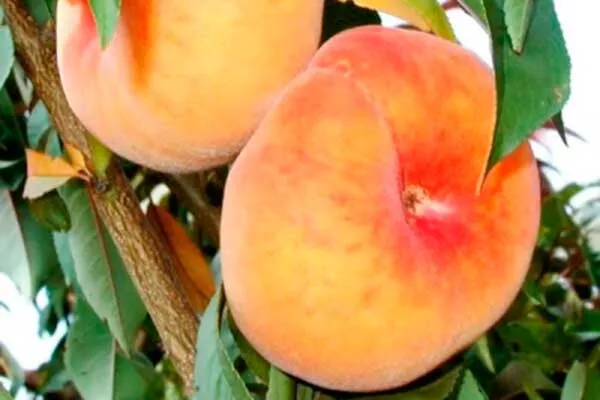
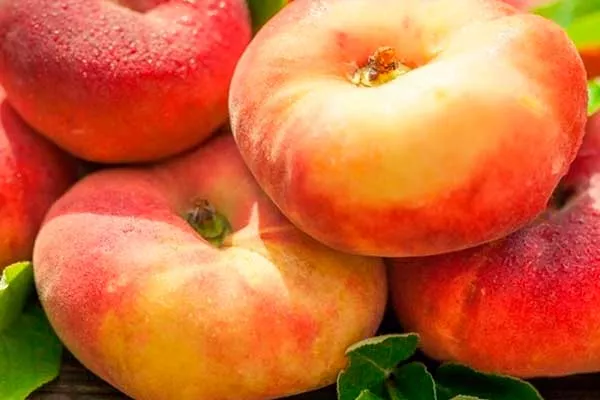
The Vladimir variety is renowned for its high commercial quality. Its fruits are large and attractive, reminiscent of figs in shape. They are distinguished by the following characteristics:
- weight - 140-180 g;
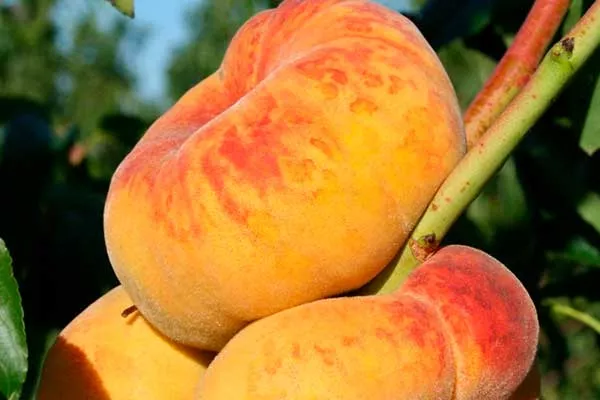
- rounded-flattened (disc-shaped) shape;
- presence of abdominal suture;
- pale yellow or creamy white covering color, partially covered by a red blush (it is usually observed only on the sides of the fruit);
- dense skin with slight pubescence;
- the flesh is creamy-yellow in color, fibrous in texture, juicy and aromatic;
- The stone is small (weighing less than 4 g), easily separated from the pulp.
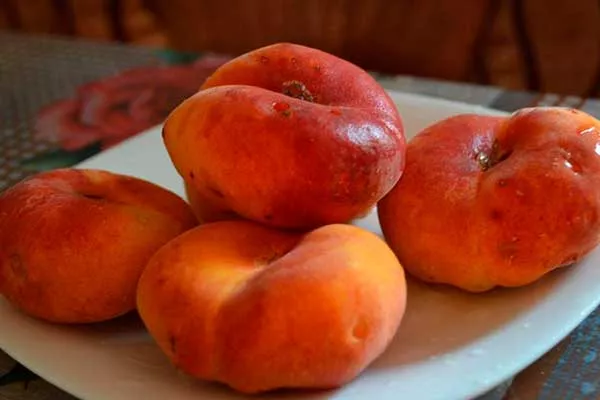
The fruits are renowned for their excellent flavor, with a nectar-like sweetness and a complete lack of sourness. Their flesh is incredibly rich in sugar, full of juice, and fragrant. Despite its fibrous texture, it's not coarse, but rather tender and melts in the mouth.
Fruits are also suitable for adding to cocktails, ice cream, fruit salads, and smoothies. Housewives also make compotes and other treats from fruit:
- jam;
- jam;
- jelly;
- marmalade.
Fig peaches are shelf-stable and easy to transport. In a cool place, they can be stored for up to 1 week without losing their marketable appearance.
Ripening period and yield
| Name | Ripening period | Disease resistance | Frost resistance |
|---|---|---|---|
| Golden early | Early | High | Up to -20°C |
| Early jubilee | Early | Average | Up to -18°C |
| Creative | Average | High | Up to -22°C |
This garden variety is a mid-season variety. The fruit ripens beginning in early August. Peak fruiting occurs mid-month. The variety is considered productive. A tree, starting at two years of age, produces at least 60-70 peaches annually.
The Vladimir peach is self-fertile. Even when planted alone, it pollinates itself well and produces a consistently high yield. To increase the productivity of its trees by 30%, experienced gardeners resort to cross-pollination by growing other varieties of the same flowering period in the same plot:
- Golden early;
- Early jubilee;
- Creative.
Location and soil requirements
When choosing a place in your garden for a seedling, remember that the peach tree loves warmth and light; wind and drafts are harmful to it.
Allocate a plot of land for its cultivation that meets the following requirements:
- sunny (the fruit crop does not tolerate even partial shade);
- located in the southern or southeastern part of the garden;
- elevated (in the lowlands it can be damp and cold due to groundwater being close to the surface of the earth; the peach will get sick in such conditions);
- windless (strong gusts of wind damage fragile peach branches, they are especially dangerous for the fruit crop during the period of its flowering and fruiting);
- with drained soil, loose, breathable, fertile, characterized by neutral or low acidity;
- located away from tall buildings that cast a thick shadow;
- located at a distance from plantings of other crops (this measure will reduce the risk of the tree becoming infected with diseases and pests);
- without tall trees in the neighborhood that would take away vital resources from the fig peach: water, nutrition, sunlight.
Subtleties of planting
Plant the Vladimir peach tree within the following timeframes:
- in spring, before the buds open;
- in the fall, before sub-zero temperatures set in.
If you plan to plant a fig peach in the spring, prepare the area for its cultivation in the fall:
- dig up the soil on it;
- clear it of weeds and plant debris;
- add ash and manure.
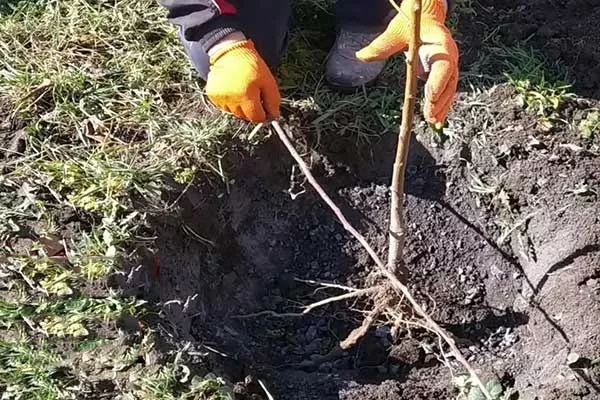
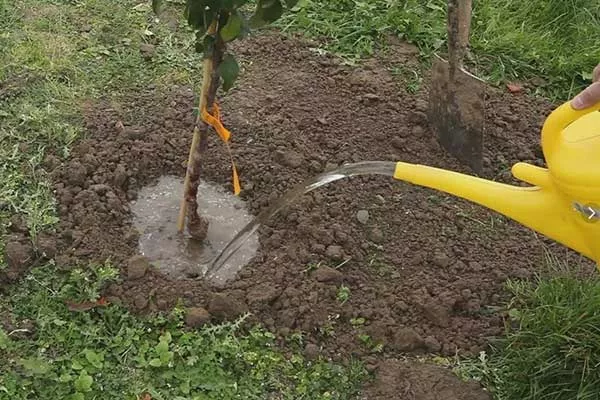
In spring, dig a planting hole 60 cm deep and 60 cm in diameter. Fill the hole 2/3 full with nutrient-rich soil, forming a mound. Water the hole. Proceed with planting the seedling. Follow the steps below:
- Drive a stake into the center of the hole. This will serve as support for the plant.
- Place the seedling on a mound of nutrient substrate.
- Spread out its roots, avoiding damage to them.
- Fill the planting hole with soil. Do not plant the root collar deeper than 4 cm.
- Lightly compact the soil around the trunk.
- Water the seedling again. Use 20 liters of water.
- Mulch the area around the tree trunk. Use straw, non-acidic peat, sawdust, or compost for this purpose.
- ✓ The seedling planting depth should be at least 60 cm to provide sufficient space for the root system to develop.
- ✓ The distance between seedlings should be at least 3 meters to prevent competition for resources.
Finish autumn planting by pruning the side shoots. Leave the three strongest branches on the seedling. Treat the cuts with crushed charcoal or garden pitch.
Care Features
After planting the Vladimir fig peach, provide it with proper care to ensure proper growth, robust health, and abundant fruiting. Follow these care guidelines:
- WateringFrom the beginning of the fruit-setting phase, generously irrigate the soil beneath the tree, using 20-30 liters of water. Repeat this procedure 2-3 times over the course of a month. Once the fruit begins to ripen, stop watering.
- Weeding and looseningDon't forget to weed the area around the tree's trunk. Carefully loosen the soil under the tree after watering and rain.
- Top dressingBefore flowering, fertilize the peach tree with nitrophoska, urea, and Kemira. Apply 30-40 g per tree.
Apply summer fertilizing after July 15-20. Apply superphosphate (50 g) mixed with potassium sulfate (25 g) to the peach tree's trunk circle.
During the fruiting period, feed the crop with mineral fertilizers, increasing their consumption to 150-200 g per 1 trunk. - TrimmingCarry out a sanitary procedure to remove frozen, dry, diseased branches growing inward from the crown.
- Treatment against diseases and pestsAt the first signs of disease, treat the peach tree's crown with fungicides or insecticides. If fungal or pest infestation occurs, repeat the treatment a week later.
- Preparing for winterPeach is a heat-loving tree. Although the variety has good cold tolerance, young trees require frost protection. Mature trees planted in areas with little snow and harsh winters also require protection.
In the fall, dig up the soil under the seedling. Water it generously. Spray the tree with antifungal and anti-parasitic agents. Mulch the soil with sawdust or compost. Insulate the trunk with several layers of burlap. Wrap the crown with agrofibre.
Diseases and pests
The Vladimir peach is resistant to garden diseases (except for leaf curl) and is not susceptible to pest attacks. Its strong immunity makes it popular among gardeners. If care is not provided properly or in adverse weather conditions, the tree will become diseased, reducing its yield.
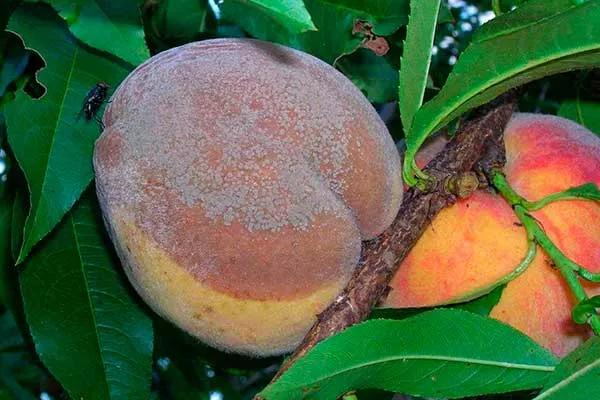
Of all the diseases that can affect peach trees that are not properly cared for, the most dangerous is leaf curl, a fungal disease that manifests itself in the spring with the following symptoms:
- the appearance of swellings on the leaves, which over time turn red;
- the appearance of a waxy coating on them;
- the formation of wounds on the branches, oozing gum;
- drying up of leaves, their shedding;
- death of buds;
- deformation and drying of shoots.
At the first signs of peach leaf curl, take action:
- cut off and burn all diseased branches;
- Spray the crown with Bordeaux mixture (concentration - 1%) or copper oxychloride in the form of an aqueous solution (2%), repeat the treatment 4 times, twice a month.
To prevent leaf curl, treat Vladimir trees with Bordeaux mixture in early spring. Copper sulfate can also be used.
Garden crops may also be at risk of being affected by diseases such as:
- Striped mosaicThis viral disease causes reduced yields and deterioration in fruit quality. It is impossible to save affected plants. At the first sign of infection, remove the affected trees from your garden. Treat the remaining plantings with antiviral agents.
- Peach roughnessThe disease manifests itself as green spots on the fruit, reducing its commercial value. To prevent the disease, treat the tree with antifungal agents.
| Disease | Resistance of the Vladimir variety | Preventive measures |
|---|---|---|
| Leaf curl | Low | Treatment with Bordeaux mixture in early spring |
| Striped mosaic | High | Removal of affected trees |
The variety is susceptible to pests such as the peach fruit fly. This insect causes significant damage to the tree, feeding on its sap and causing the death of branches. Regular inspection of the planting and the use of specialized pesticides (Actellic, Inta-Vir, Fufanon) will help protect the crop from this pest.
Positive and negative qualities
The Vladimir fig peach is renowned for its many qualities, making it popular among domestic gardeners:
Reviews
The Vladimir peach has become a favorite among Russian gardeners for its disease and cold resistance, good yield, and early maturity. The attractive and attractive appearance of its fig-like fruits and their stunningly sweet flavor make this variety highly sought after. Adherence to proper cultivation practices is sufficient to reap a bountiful harvest of delicious and nutritious fruit.