
The Vladimir peach belongs to a class of fig varieties distinguished by their increased frost resistance and light requirements. It is resistant to most diseases and insects, but this requires boosting the plant's immune system through fertilization and planting in fertile soil.
The appearance of the tree
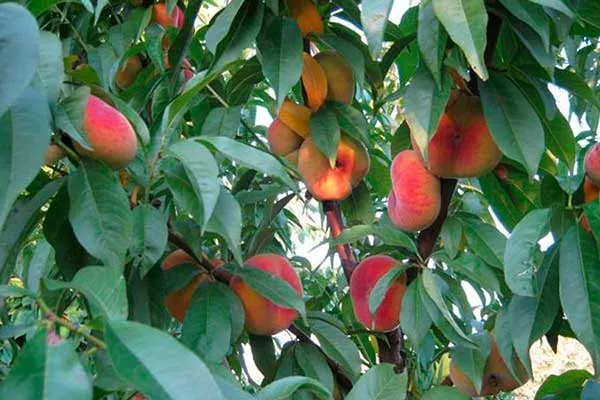
Despite the variety's medium height, the trees reach a height of 500 cm, sometimes more. The crown is considered compact, allowing the trees to be planted closer together, unlike spreading peach varieties.
Other signs:
- the leaf blade is unique – it has a greyish tint at the bottom and a dark green tint at the top;
- foliage shape – lanceolate;
- flowers – pale pink, identical in shape to rose hips.
Fruits and their taste characteristics
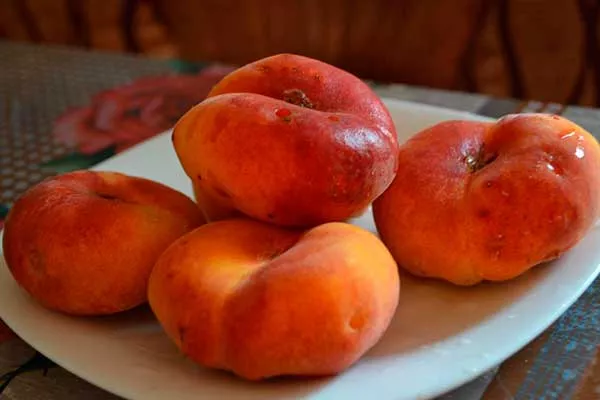
Vladimir is a large-fruited variety, with each fruit weighing 170-200 g. The variety can also be identified by other characteristic features:
- form - extremely flattened;
- surface – with a pronounced ventral suture and light pubescence;
- skin – compacted, which makes it possible to transport the harvest over long distances;
- peel color – whitish or yellowish-red, depending on the stage of maturity;
- pulp – creamy yellow, fibrous, very aromatic;
- bone – small (about 3-4 g), detaches from the pulp quickly.
Ripening period and yield…
The trees begin to bear fruit in the second or third year after being planted in their permanent location. Ripening time is average, and the harvest season begins in early August. Vladimir peaches demonstrate consistent annual fruiting and excellent yields.
Location and soil requirements
To successfully grow peaches, it's important to carefully select a suitable location. It should receive good sunlight, be free from shade from surrounding trees, and be protected from strong winds. The ideal location for peach trees is the southern part of the garden. The soil can be either loamy or rich in black soil.
Subtleties of planting
Planting can be done in either spring or fall. The former is more suitable for northern regions, while the latter is recommended for southern areas.
- ✓ The seedling planting depth must take into account the groundwater level to avoid root rot.
- ✓ The distance between trees should be at least 4 meters to ensure sufficient space for the growth of the root system and crown.
Peculiarities:
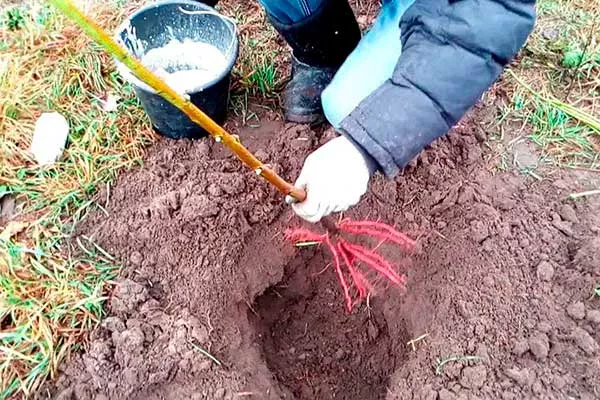
- Autumn is the best time to prepare the hole. It should be 55-65 cm wide and 45-55 cm deep.
- The excavated soil should be mixed with mineral and organic fertilizers, including wood ash and compost, humus, or rotted manure. In the spring, it's advisable to use potassium sulfate, and in the fall, potassium chloride is better.
- After the hole has been filled with soil, the seedling is placed in. The root system is covered with soil, shaking the plant periodically to remove air bubbles.
- The root collar should be 3-4 cm above ground level.
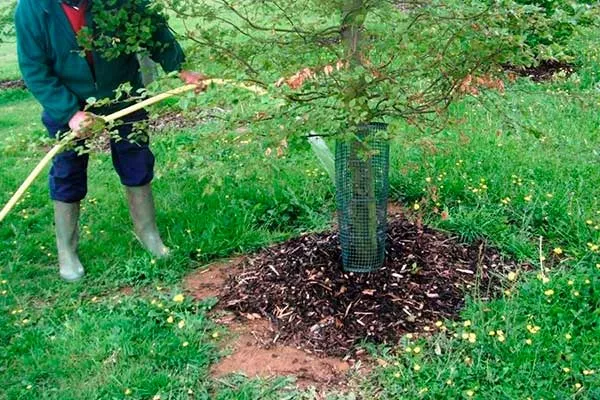
- The planted tree should be watered generously—approximately 20-30 liters. After the water has completely absorbed, it is recommended to apply a 5-10 cm layer of mulch around the tree trunk.
Basics of Growing
The following activities form the basis of the care procedures:
- Three to four irrigations are carried out throughout the growing season. Each tree will require 30 to 60 liters of water, which must be settled. It is best to water in the morning or evening.
- To ensure large and sweet fruits, it is important to moisten them approximately 3 weeks before harvesting.
- The Vladimir peach, a fig tree, is particularly heat-loving, requiring special preparation for winter frosts. The tall parts of the trunk and the base of the stakes should be carefully wrapped in a durable material, such as a plastic bag, agrofibre, etc.
Fertilization, loosening, etc. are carried out according to the classical scheme.
Features of pruning
To ensure abundant fruit production and juiciness, the tree's crown requires maximum light. Regular pruning is essential for this.
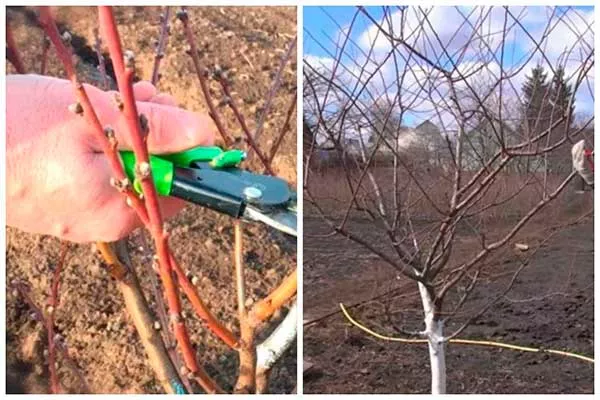
There are two main methods:
- Formative method The purpose of pruning is to create a harmonious and well-groomed shape for the tree, preferably cup-shaped.
- Sanitary pruning aimed at removing diseased, weak or damaged branches.
| Type of pruning | Optimal time | Frequency |
|---|---|---|
| Formative | March - early April | Annually for the first 3-4 years |
| Sanitary | All year round as needed | As problems are discovered |
These procedures are performed in March or early April, and sanitary and formative pruning can be done simultaneously. After pruning, an important step is treatment with garden pitch.
Diseases and pests
The Vladimir variety is distinguished by its increased resistance to pathogens and pests, but in some cases it may be susceptible to leaf curl and powdery mildew.
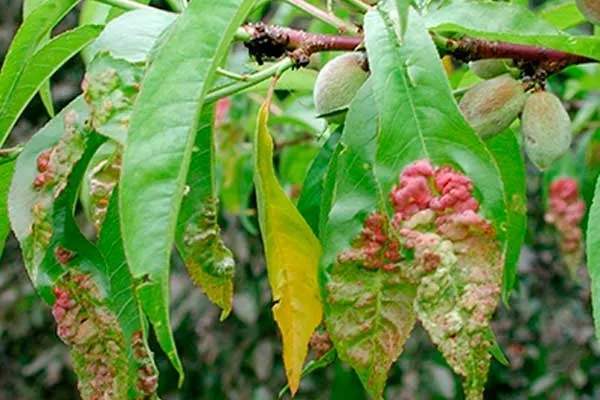
To prevent these problems, it is recommended to carry out treatment twice a year, especially in early spring and late autumn, using copper sulfate.
Advantages and disadvantages
Vladimir, although its origins are unknown, is characterized by many positive aspects, among which the following stand out:
Disadvantages include average cold tolerance and resistance to leaf curl.
Reviews
The Vladimir peach is a fig variety renowned for its excellent flavor, relatively good cold tolerance, abundant and stable yields, and transportability. With proper cultivation, a single tree can yield over 60 kg of fruit.