
The Veteran peach rightfully bears its name—it's approaching a century old. Despite this, its popularity not only remains strong but grows year after year. This is due to the impeccable quality of its fruit, its ease of care, its resistance to adverse conditions, and its consistent yield.
Origin of the variety
Veteran was bred in 1925 in Ontario, Canada. This variety was created by breeders who crossed the early Elberta variety with Vaikan. State trials began in 1948, and by 1959, the variety was included in the State Register of Breeding Achievements of Russia.
Description of the Veteran peach
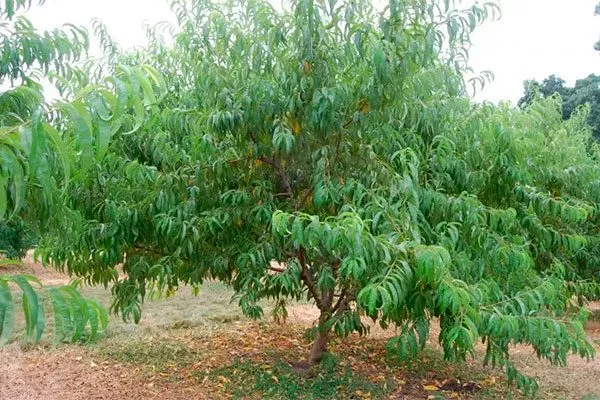
The Veteran tree grows to a medium size and is usually shaped into a cup, allowing it to reach a maximum height of 350-400 cm.
Other indicators:
- The crown of this tree is dense and requires regular maintenance, including pruning.
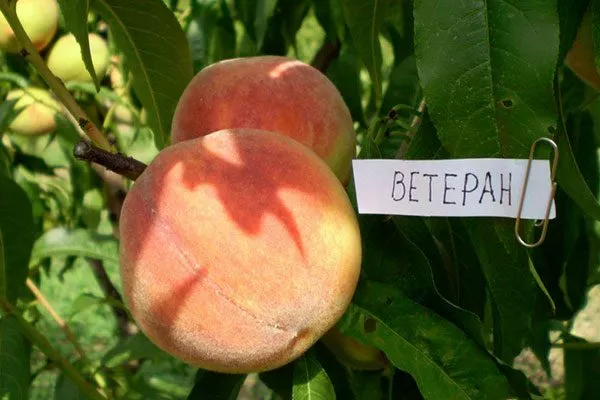
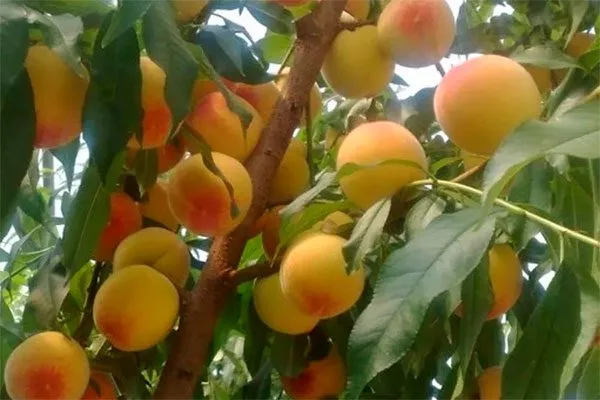
- Canadian peaches are distinguished by their impressive size and round shape – their weight ranges from 130 to 190 g.
- The fruits are covered with bright yellow skin with an extensive red blush.
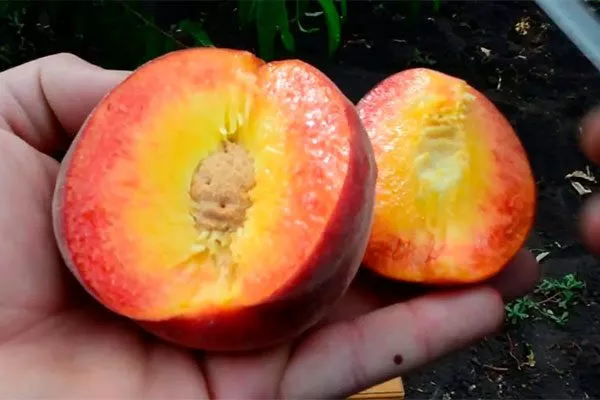
- The peach flesh is tender, golden, juicy and exquisitely aromatic, with the scent remaining rich even after picking.
- The flavor of these fruits exceeds all expectations—they are very sweet with a slight tartness when fully ripe. It's the acidity that cuts through the cloying sweetness, contributing to a harmonious flavor.
- Peaches have a long shelf life and withstand long-distance shipping without any problems, making them suitable for long-distance transport in commercial cultivation.
Varietal characteristics
This variety has maintained its leading position for nearly a century thanks to its unique qualities. Its resistance to external conditions, optimal ripening period, and excellent flavor make Veteran one of the most preferred crops among gardeners in the southern regions.
Drought and frost resistance and the need for insulation
Veteran peaches have increased winter hardiness compared to other peaches. Although generally hardy, they do not tolerate extreme cold.
Trees can withstand temperatures down to -20-22°C. Temperatures exceeding these limits cause damage to buds, flowers, and the root system, especially when the roots are close to the soil surface.
In areas with severe weather, plants must be protected. Temperatures below -20°C are considered critical, especially if these conditions persist for more than a month. For protection, use only breathable materials, such as burlap, creating a protective layer approximately 30-40 cm high.
Coverings are removed when the temperature stabilizes between +5 and +10°C. Veteran tolerates dry periods better than cold and has good heat resistance.
Does Veteran need pollination?
The Veteran peach is self-fertile, meaning it can pollinate without the help of other plants. However, mixing different varieties in a garden plot can increase yield by up to 40%.
Productivity and fruiting
A distinctive feature of this variety is its early fruiting: fruits begin to appear as early as the third season after planting. However, harvesting should not be done until the fifth or sixth year to allow the tree to fully develop.
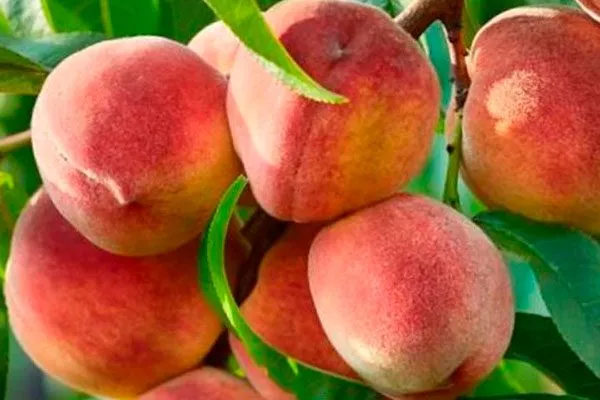
This variety is characterized by a medium ripening period, with the main harvest occurring in late August. A mature tree can produce 45 to 50-60 kg of fruit thanks to the abundant production of flower buds each year.
Areas of use of fruits
The fruits are versatile in use. Gardeners note their superiority as winter preserves.
Thanks to their excellent flavor, peaches are ideal for eating raw. They have excellent storage and transport properties.
Resistance to diseases and pests
The Veteran peach tree has good resistance to diseases such as clasterosporium and cytosporium leaf spot. However, it has somewhat reduced resistance to powdery mildew. Furthermore, the tree is susceptible to aphid attack.
Rules for planting peaches
To ensure successful rooting and continued healthy growth, it's important to follow certain planting guidelines. Incorrect planting practices can result in the plant's death. It's crucial to pay special attention to choosing a suitable location for the peach tree and strictly adhering to the planting timing.
Optimal planting time
Gardeners disagree about the best time to plant peach trees: some prefer the fall, while others choose spring. In reality, both sides are right, because:
- Planting before the winter season may result in the young seedling not having time to get established and dying from the cold;
- In spring, there is a risk of damage to the plant by pests and diseases.
In some regions, fall planting is impractical; in temperate climates, spring is preferable. However, if fall doesn't drag on, winter temperatures don't drop below -15°C, and the peach tree has enough time to establish roots (8-12 weeks before the first frost), then fall is also ideal.
The Veteran peach is planted in its dormant state. This:
- For the southern, northeastern and northwestern regions of Russia, the optimal time is from the first days of September to mid-September.
- In Crimea, Krasnodar Krai, etc., planting can be carried out until the third ten days of October, and if the winter forecast is favorable, even until mid-November.
Choosing a suitable location
Peach trees prefer warm, sunny climates and should not be replanted unless absolutely necessary, as this can negatively impact growth. This tree thrives in hot and dry conditions, but does not tolerate cold winds or excessive moisture.
Requirements:
- Ideally, place the seedling on the south side of the garden, avoiding shade from buildings and other plants. On the north side, it should be protected by a fence, but keep a distance of 180-220 cm from the wall.
- Avoid low-lying areas, as moisture stagnates there and cold air blows in. Groundwater should be at least 150-170 cm deep. Peach trees grow well on south- and southeast-facing hillsides.
- It is not recommended to plant peaches after nightshades or melons, as this promotes fungal infections. Rye and oats are favorable precursors for peaches.
- Peach yield is directly related to soil quality. Sandy loam, loam, and chernozem soils with good moisture and sufficient lime are ideal. Peach trees will not survive in areas with excessive carbonate levels.
- ✓ The depth of groundwater should be at least 150-170 cm to prevent rotting of the root system.
- ✓ The distance to the nearest buildings or other trees should be at least 180-220 cm to ensure sufficient space for growth.
How to select and prepare planting material?
Choosing the right sapling is key to ensuring the tree's health and long-term sustainability. Here are the key factors to consider when purchasing:
- The best option is to purchase from nurseries located in the same climate where you plan to grow them.
- There is no point in chasing the cheapest price on the market.
- It is not recommended to rush into purchasing a peach tree: seedlings should be dug up during their winter dormancy to ensure their successful rooting.
- In high-quality specimens, the bark on the shoots is intact, and the buds are fully developed.
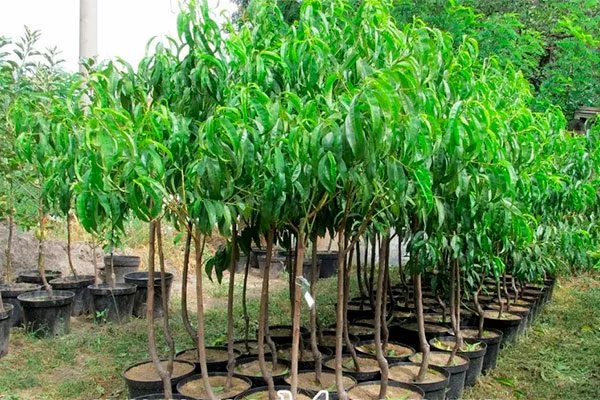
- The age of the seedling depends on the gardener's skills: beginners are better off starting with a two-year-old peach tree about 130-150 cm tall and with 3-4 branches, while experienced gardeners can start with a one-year-old peach tree up to 100 cm tall in the form of a thin rod.
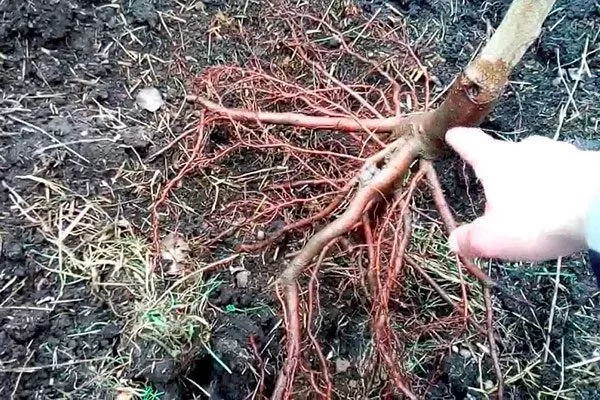
- The tree's appearance should inspire confidence: it should appear strong and healthy, with no signs of damage or disease. Peach trees have fibrous root systems, so purchasing a single-rooted sapling is not advisable. If the leaves appear wilted and the bark begins to peel, this is a strong reason not to purchase the plant.
- If you purchase a seedling far from your property and it needs to be transported, it's important to remember that sudden changes in humidity and temperature can damage it. The roots should be wrapped in a damp cloth, then covered with plastic and securely fastened.
- Before planting, treat the tree trunk with warm paraffin. This will protect it from frost, rodents, sunlight, and insect pests, and will not hinder the growth of shoots and buds in the spring.
Landing algorithm
Two months before the planned planting, the site is prepared by clearing rocks and vegetation, then digging it to enrich it with oxygen. The depth, width, and length of the planting hole should be at least 50-60 cm, depending on the size of the seedling's roots.
- Clear the area of stones and vegetation two months before planting.
- Dig the soil to a depth of 50-60 cm to enrich it with oxygen.
- Form a drainage layer of expanded clay, pebbles or crushed brick 15-20 cm high if necessary.
If necessary, create a drainage layer of expanded clay, pebbles or crushed brick about 15-20 cm high, which should be taken into account when determining the size of the hole.
Next steps:
- Remove the top layer of soil, then mix the remaining soil with 20 kg of compost and 500 g of charcoal, forming a cone and filling it back in.
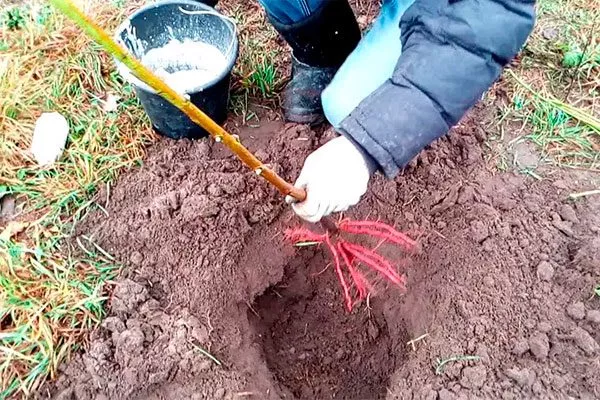
- Place two supports in the hole to avoid breaking the roots when you plant them later.
- Pour in 5-7 liters of water and let it soak in completely.
- Place the seedling vertically, spreading the roots along the formed mound and ensure that the neck is 5 cm above ground level.
- Fill the hole with soil to the brim.
- Tie the trunk to the supports, being careful not to tighten the ropes too much.
- Moisten with 8 to 12 liters of water.
- Compact the soil around the trunk, leaving a gap of about 40-60 cm from it and forming a ridge 15-18 cm high.
- Mulch using peat, sawdust or dry leaves.
How to care for the peach tree further?
The veteran is considered unpretentious, but to ensure the health of the tree, it is enough to water it 3-4 times per season, using 50-80 liters of water for each adult plant.
It is important to ensure moisture to a depth of 50 cm, preferably in the morning or evening, and then it is recommended to loosen the soil.
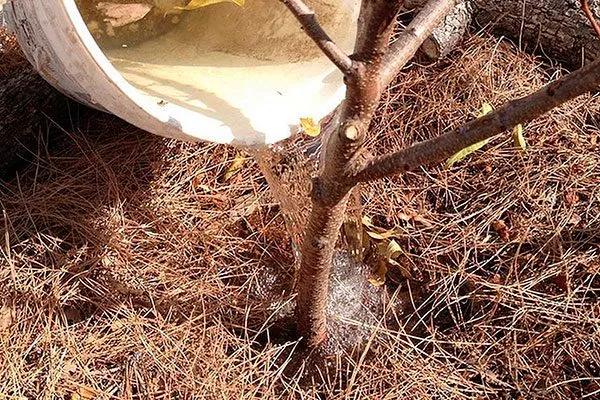
Fertilizing is carried out every year:
- in spring, 60-70 g of urea is needed to stimulate growth;
- in summer, any combination preparations are suitable;
- if growth slows down, spraying the leaves will be more effective;
- during fruit formation, treat with a solution of potassium fertilizer;
- In autumn, superphosphate and potassium salts are added to the root zone.
Sowing green manure at the end of the summer season yields excellent results. During the first four years after planting, pay attention to crown formation:
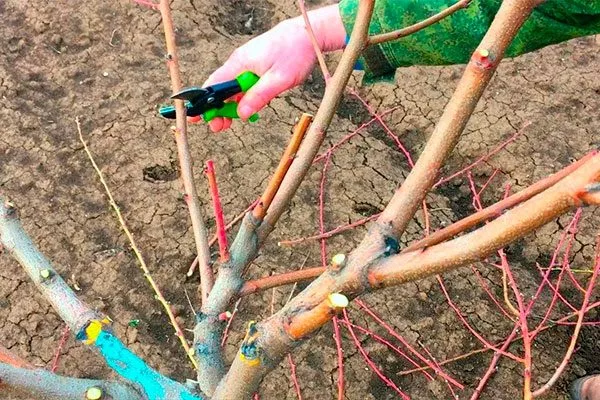
- Pruning aimed at shaping is best done in early spring.
- For the Veteran variety, it is convenient to create a cup-shaped form without a pronounced central trunk, with 6 main branches directed in different directions.
- Sanitary pruning can be done at any time, but it is preferable to do it after the leaves have fallen.
- All major damage to the trunk should be treated with garden pitch.
Even in warmer climates, the Veteran peach requires winter protection. To do this, clear the tree of dry branches and dead bark, add a little soil to the base of the trunk, whitewash it, and provide moisture-replenishing water.
In areas with severe frosts, it is recommended to wrap the trunk and base of the main branches with a special covering material or burlap, and also use spruce branches for additional protection.
Disease control and prevention methods
The veteran exhibits good resistance to most common diseases, but its main enemy is aphids. To protect the plant from this pest, several preventative measures should be taken:
- cutting out weeds;
- removing shoots that appear at the roots;
- spring insecticide treatment;
- timely pruning of damaged and dried branches.
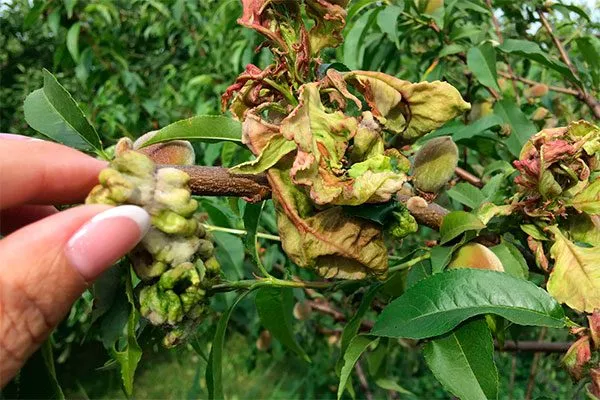
Products such as Intavir and Iskra are suitable for controlling aphids. Wormwood, celandine, and wood dust are effective folk remedies.
Positive and negative qualities
This culture has a number of advantages:
Reviews
The Veteran peach is deservedly popular. These fruits regularly appear on store shelves in southern regions and are grown in many dachas and garden plots. Its resistance to weather and disease makes it an ideal choice for gardeners, even those just beginning their gardening journey.