
The Uralets peach has proven that growing southern crops is possible even in northern latitudes. Its frost resistance and self-fertility make it an excellent choice for gardeners seeking high-quality fruit and a bountiful harvest. This variety is the best choice for both beginners and experienced gardeners (read about the best peach varieties). Here).
Creators of the variety and the year of its appearance
The Uralets (Ural) peach was developed in 2003 in Nizhny Tagil, Sverdlovsk Oblast, by V.A. Golubev and S.A. Nikitin. It tolerates cold well and requires little care.
Description of the tree's appearance
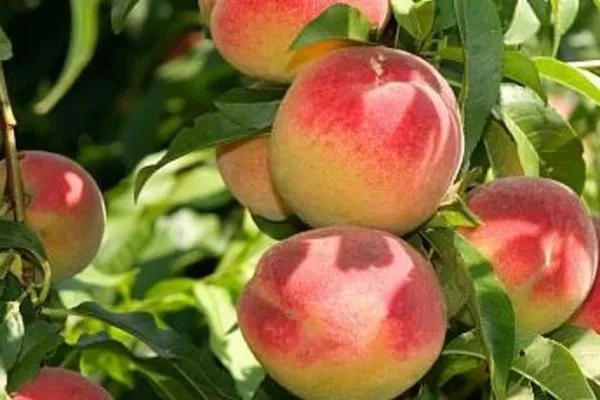
The peach tree has a low growth habit, reaching a height of 2.5 to 3 meters. Its crown is wide, spreading, and dense. The leaves are dark green with a glossy surface.
Fruits and their taste characteristics
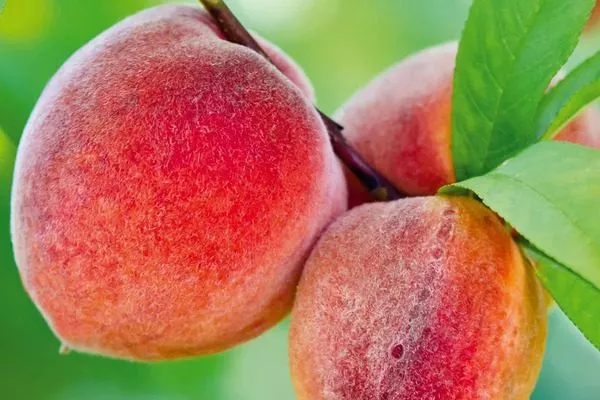
The fruits are yellow with a red blush. Each fruit weighs between 120 and 140 g. The flesh is juicy and sweet, with a slight tartness, giving it a unique flavor.
Self-fertility and pollinators
The Uralets peach is self-fertile, so it doesn't require other varieties for pollination. However, to increase yield, it's recommended to plant neighboring pollinators.
Ripening period and yield
It's an early variety, with fruit that begins to ripen in late August. The average yield is up to 30 kg per plant.
Recommended regions
The crop is successfully cultivated in cold climates such as the Urals, Siberia, and northwestern Russia. It is adapted to harsh conditions and tolerates low temperatures well.
Winter hardiness and shelter features
This variety is adapted to harsh winters and can withstand temperatures down to -42°C. Recurrent frosts pose no threat.
To protect the tree during the winter, use a cover. In the fall, after the leaves have fallen, wrap the trunk and lower branches with agrofibre or burlap. In severe frosts, additionally use spruce branches or insulating material.
Vitamins and beneficial properties
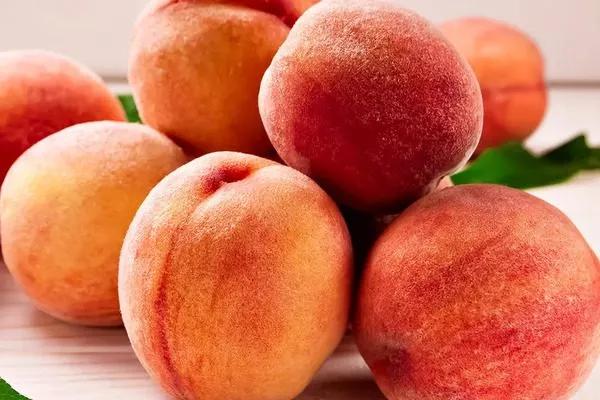
The Uralets fruit has a number of beneficial properties thanks to its vitamin content. This fruit is rich in vitamins, minerals, and antioxidants, making it a valuable health food.
Composition and properties:
- Vitamin C. Supports the immune system, improves skin condition and promotes wound healing.
- Vitamin A. Important for vision, maintaining the immune system and protecting the skin from ultraviolet radiation.
- Vitamin E. Plays an important role in protecting cells from oxidative stress and maintaining healthy skin and hair.
- B vitamins (B1, B2, B3, B6). They participate in metabolism, normalize the nervous system, improve mood and help fight fatigue.
- Potassium. Restores blood pressure and heart function, and participates in the regulation of water balance in the body.
- Magnesium. Supports the functioning of the nervous system, promotes muscle relaxation and is involved in energy production.
- Iron. Important for hematopoiesis, maintaining hemoglobin levels and preventing anemia.
- Fiber. Peaches contain dietary fiber, which helps improve digestion, normalize blood sugar levels, and lower cholesterol.
The vitamins and minerals found in peaches help. The Uralets peach, thanks to its composition, is not only a tasty but also a healthy product that can become an important part of a healthy diet.
Care and cultivation
To plant the seedling, choose a sunny spot protected from strong winds. The best location is a south or southwest-facing garden with a gentle slope to ensure good drainage. The soil should be fertile, with a neutral or slightly acidic pH (6.0-7.0).
Follow these recommendations:
- The crop does not tolerate stagnant water, so avoid areas with high groundwater levels.
- Dig the soil thoroughly and remove weeds.
- Fill a planting hole about 60 cm deep and in diameter with a mixture of fertile soil, humus, and sand in a ratio of 2:1:1. Add a complex mineral fertilizer (such as superphosphate and potassium salt) and a little wood ash.
- In the center of the hole, form a small mound of prepared soil.
- Carefully straighten the roots of the seedling and place them on the mound.
- Fill the hole with the remaining soil, making sure that the root collar of the plant is at ground level.
- Compact the soil around the seedling and moisten it generously (about 20 liters of water).
- After watering, mulch the area (with peat, humus or straw) to retain moisture.
Provide your peach tree with timely and proper care. Follow standard agricultural practices:
- Watering. Ensure regular watering, especially in the first few years after planting. Apply approximately 30-40 liters of water per tree once every 7-10 days. Increase the frequency during dry periods.
- Fertilizers. Fertilize the tree twice a season. In the spring, apply nitrogen fertilizers (such as ammonium nitrate) to stimulate growth. In the fall, apply phosphorus-potassium fertilizers to help prepare the tree for winter.
- ✓ Water the tree early in the morning or late in the evening to minimize water evaporation.
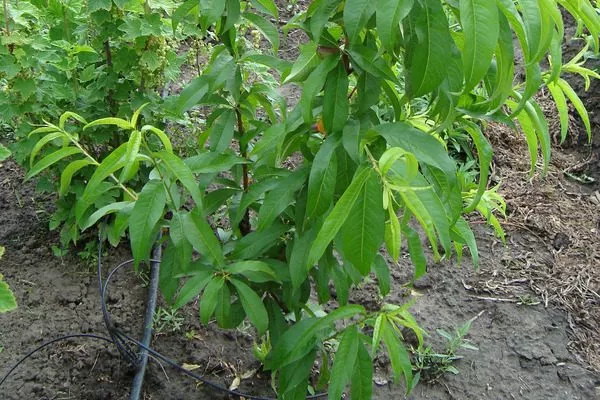
- ✓ Use drip irrigation to evenly moisten the root zone.
To prevent diseases and protect against pests, spray with fungicides and insecticides in early spring and after harvest. Inspect the crop regularly and take prompt action.
Trimming
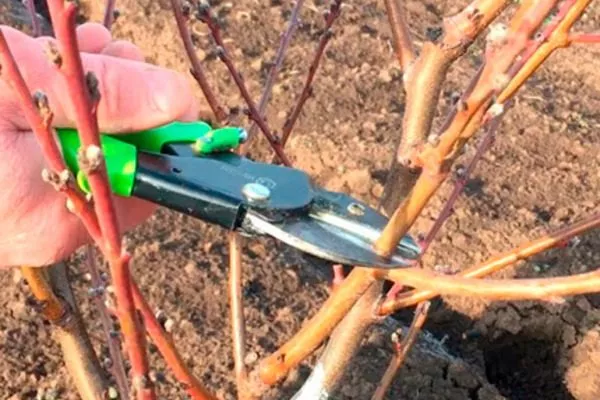
Prune in early spring before the sap begins to flow. Shape the crown by removing dry, damaged, and abnormally growing branches. The main goal scraps – create an open, well-lit crown, which promotes better fruiting and improves the access of air and light to the fruits.
Pros and cons of the variety
Before planting, carefully consider the positive and negative qualities of the crop. Uralets has many advantages:
Among the disadvantages, some gardeners note:
Gardeners' reviews
The Uralets peach is a unique variety that has become a true treasure for gardeners in Russia's northern regions. Developed specifically for harsh climates, it exhibits excellent frost tolerance and is capable of producing a tasty and juicy harvest even in the coldest zones. It's important to understand the plant's characteristics and ensure proper care.