
The Ulyanikhinsky apricot can beautify fruit tree gardens not only in southern Russia but also in the central and central regions, as this new hybrid can successfully overwinter in harsh climates. Growing this variety is easy, as it's considered to be undemanding.
History of selection
The Ulyanikhinsky apricot is named after the breeder who developed this hybrid – L. M. Ulyanikhin. The variety was registered in the state register in 2004 and was created from three apricot varieties – Tovarishch, which is the creation of Michurin himself, Satser, and the Krasnoshchyok apricot.
In what regions is it grown?
The hybrid is recommended for cultivation in the Central Black Earth Region and the Oryol Oblast. However, thanks to its high frost resistance, it can be planted in harsh climates.
External description of the Ulyanikhinsky apricot
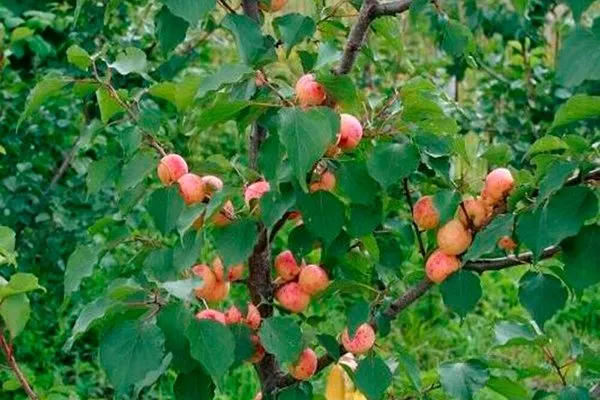
The Ulyanikhinsky apricot has its own distinctive appearance, but it has one important characteristic: flowers form on the shoots before the new leaves begin to emerge. Another important fact is that numerous shoots appear under the tree, but these never bear fruit.
Tree
The variety is characterized by a relatively small height – a maximum of 4 m, but a minimum of 3 m. It also has other characteristics:
- the crown is quite spreading and wide, the diameter is equal to the height of the tree;
- tree shape – round;
- foliage – ovoid, bright green, with a curved blade and jagged edges;
- shoots - when young, the edges are reddish, when mature, they are brown;
- flowers are snow-white, with 5 elliptical petals;
- foliage type – medium;
- shoots are located only vertically;
- internodes - shortened;
- buds - cone-shaped, brown;
- stipules - weakly dissected.
Fruit
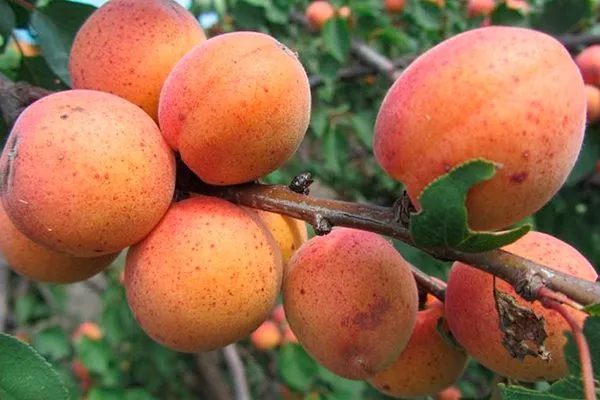
The fruits of the Ulyanikhinsky apricot are easily recognizable—they have a rich yellow color and a spotted blush. But the fruit also has other characteristics:
- size – small, reaches a weight of 25-35 g, but there are specimens weighing 50 g;
- the peel is refined, with a velvety coating;
- fruit shape – round;
- the pulp is juicy and tender, does not contain coarse fibers;
- the peduncle is shortened but thick and quickly separates from the fruit;
- the stone is small, its size is only 3-4% of the total weight of the fruit;
- pulp color – yellow;
- The stone separates from the pulp easily.
Taste qualities
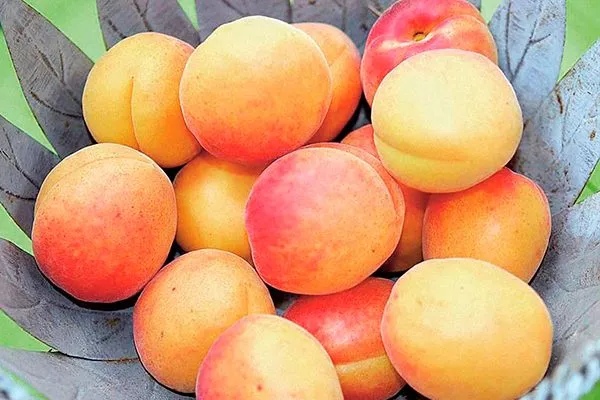
The Ulyanikhinsky variety has a distinct apricot flavor, as does its aroma. Based on the tasting score, the fruits earned 4 out of 5 possible points.
The flavor is sweet, but with a slight tartness—the sugar content is about 10%, and the acidity is 1%. The pulp contains a significant amount of vitamin C—24 mg per 100 g.
Characteristics
Thanks to its agronomic biocharacteristics, you can determine in advance whether the Ulyanikhinsky variety is worth growing in your garden.
Resistance to drought and frost
Several goals were set when developing the Ulyanikhinsky variety. One of them was to achieve maximum frost resistance, so that it could be grown at least in the central part of the country. This apricot is truly frost-resistant, as it can easily withstand temperatures as low as -35 degrees Celsius.
The Ulyanikhinsky variety isn't considered a moisture-loving plant, so it tolerates droughts well. However, a lack of moisture can also lead to reduced yields and a deterioration in the taste and quality of the fruit.
How is it pollinated, when does it bloom and ripen?
This hybrid is self-fertile, so the tree does not require insects or pollinators. However, experts claim that planting nearby pollinating apricot varieties or installing honey traps for bees significantly increases the yield.
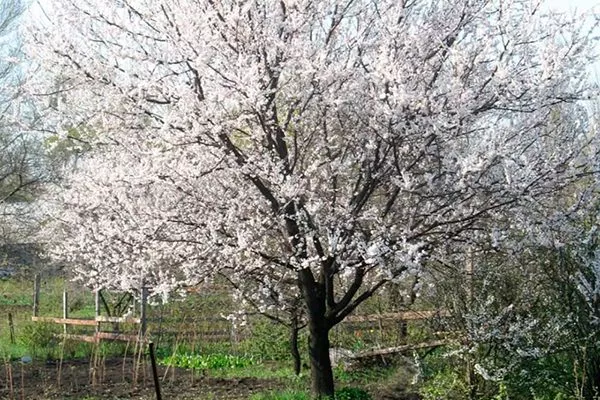
The Ulyanikhinsky variety blooms quite early – in April in the south, in May in the north, but the harvest can be collected throughout July.
Features of fruiting and yield
The first mass fruiting begins in the third year after planting, which is very early for apricot trees. Under optimal conditions, the tree can begin bearing fruit in the second year.
However, the tree's peak fruiting age is considered to be five years. From this age, a single tree can yield 80 to 100 kg of ripe fruit. The period of abundant fruiting lasts from 25 to 30 years. The harvest occurs annually.
Application of fruits
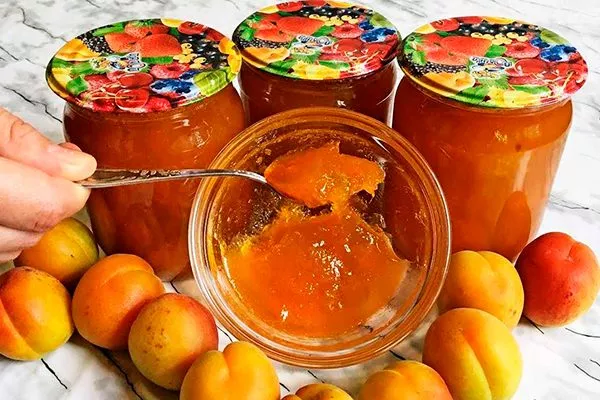
The Ulyanikhinsky apricot variety is versatile. It can be eaten fresh, dried, or canned. The pulp makes delicious baby food, juices, and summer compotes. However, due to its high sugar content, diabetics should consume it with caution (no more than 300 g per day).
Advantages and disadvantages of the variety
Ulyanikhinsky apricots are loved by both consumers and gardeners because the variety boasts numerous positive attributes:
Methods of reproduction
The Ulyanikhinsky apricot is propagated using seeds and cuttings. The former method doesn't always produce a tree that matches the characteristics of the parent plant. Furthermore, the process is labor-intensive and time-consuming.
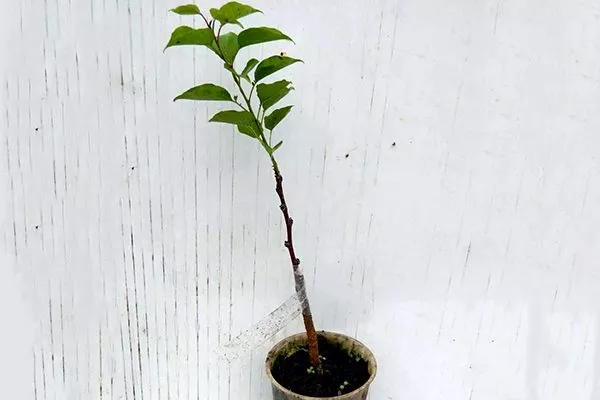
Apricots are propagated much faster and more successfully by cuttings. To do this, you need to cut off a shoot, treat it, and root it. Then, transplant it to its permanent location.
Landing features
The Ulyanikhinsky apricot is ideal for beginners because it doesn't have any special requirements. Standard steps are required, but it's also important to consider certain varietal characteristics regarding timing, site selection, and soil.
Recommended planting time
Since this variety is quite resistant not only to winter frosts but also to cold temperatures in general, it can be planted outdoors at temperatures of 5-7 degrees Celsius. This is a distinctive feature of the hybrid, as other apricot varieties need to be planted in warmer conditions.
Spring is the best time for all regions of the country, as young trees have time to adapt to new growing conditions. However, planting can also be planned for autumn, but not in the northern regions or central Russia. The optimal time is 20-30 days before the first frost.
Selecting a suitable site
Like any variety, the Ulyanikhinsky apricot prefers the sunniest locations possible, as natural light causes the fruits to become sweet and large. It's also important to consider other factors:
- windlessness of the area;
- absence of stagnant water (as in a lowland);
- neutrality of soil acidity;
- looseness and lightness of the soil.
Neighborhood with other cultures
Apricot trees grow well against a background of lawn grass and perennial bulbous flowers.
It's strictly forbidden to plant pears, plums, apples, cherries, raspberries, and currants of any type next to each other. This is because all stone fruit crops share the same diseases and pests.
Selection and preparation of seedlings
Planting material is purchased from specialized nurseries or from neighbors, gardeners, markets, etc. But no matter where you buy your seedlings, you need to choose them wisely. Indicators of quality material:
- absence of damage and lesions throughout the entire plant;
- well-developed root system;
- the presence of buds, leaves, root collar (or graft);
- elasticity of roots and many shoots;
- minimum number of shoots – 4 pcs.
Before planting, young trees need to be prepared:
- if the roots are dry, soak them in warm water for 48 hours;
- If you want the roots to start growing faster, soak them in Kornevin or Epin for several hours (see instructions);
- To prevent infection and to saturate the roots with nutrients, dip them in a clay slurry with manure;
- shorten long shoots by 1/3;
- Do the same with the root shoots.
Don't forget to disinfect the cut areas by dusting them with wood ash.
How and when to prepare the site?
The site can be prepared three weeks before planting. To do this, clear it of debris, branches, and leaves. Be sure to dig the soil, adding organic matter at the same time—approximately 9-10 kg of humus, manure, or compost per square meter.
If the soil is acidic, add dolomite flour or lime. If the soil is heavy, add coarse river sand.
The process of planting young trees step by step
Ulyanikhinsky apricot is planted in open ground in a certain sequence:
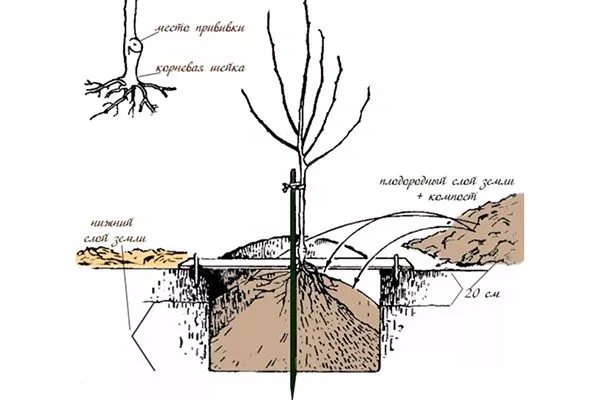
- Level the surface of the soil with a rake.
- If you plan to plant several seedlings, mark the area – the distance between them is 4-6 m.
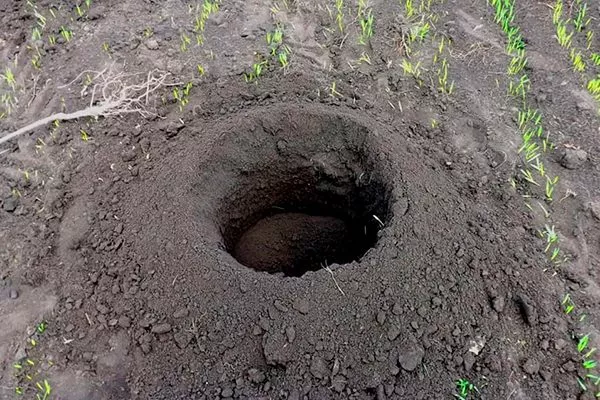
- Dig planting holes 65-75 cm deep and in diameter.
- Place a 15 cm layer of drainage at the bottom of the pit.
- Prepare a substrate from the top layer of soil – add about 300 g of superphosphate and 50 g of potassium salt.
- After thoroughly mixing, place some of the soil mixture into the hole and form a mound.
- Stick a wooden stake into it, place a seedling next to it and straighten out the roots.
- Fill with substrate and compact.
- Create an earthen rampart around the perimeter. The diameter should be about 50 cm.
- Water generously.
- Let the water soak in well, then mulch with sawdust.
- ✓ The seedling planting depth should be such that the root collar is 6-8 cm above the soil level.
- ✓ The distance between seedlings should be at least 4-6 meters to ensure sufficient space for growth.
Care Features
Maintenance procedures are also classic – pruning, watering, fertilizing, etc. However, it's important to remember to thoroughly and deeply loosen the soil after it's moistened and rained. This will saturate the root system with essential oxygen.
Pruning and crown shaping
Due to their spreading crown and rapid shoot growth, Ulyanikhinskie apricots require special pruning. Consider the following:
- A month after planting, shorten the central conductor so that its height does not exceed 40 cm.
- the next year, you need to form a standard, for which you shorten 3 skeletal shoots and the central conductor, and completely remove everything else;
- on the third, the second tier is formed, so the shoots are shortened by 1/2;
- On the fourth day, 4-5 of the healthiest shoots are shortened, and everything else is cut out; the central conductor should become the same as the branches of the third row.
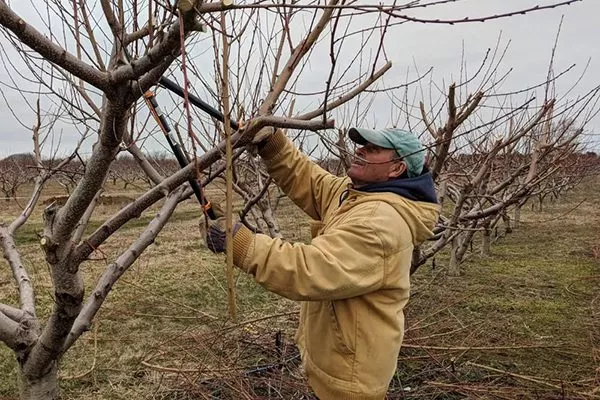
In subsequent years, the tree only needs to be maintained in shape, but sanitary pruning is also performed annually in spring and summer. This involves cutting off all damaged and dried shoots.
Watering
The Ulyanikhinsky apricot tree produces best in moderately moist soil, so avoid overwatering. There are a few requirements to follow:
- the annual number of waterings is 4 times - before budding, during the formation of ovaries, 2 weeks before harvesting and in preparation for wintering;
- before fruiting, one tree requires about 40 liters of water;
- in adulthood, about 70-80 liters are needed;
- If the summer is very dry and hot, the frequency of humidification is increased.
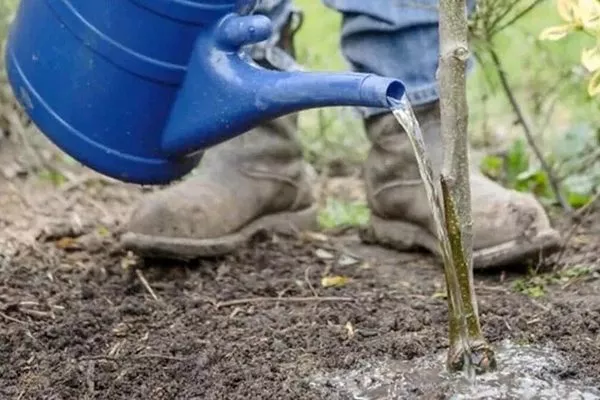
Autumn watering is called moisture-recharging - about 100-120 liters of water are poured under one tree, after which the trunk circle is carefully mulched.
Whitewash
Whitewashing is important for disinfection and to eliminate the risk of infection, pest infestation, and to protect against frost.
Trees should be whitewashed after the bark has been stripped and treated with copper sulfate. The lime solution should be applied at a height before the skeletal shoots begin to grow.
Top dressing
The yield depends on the nutrient content of the soil. Ulyanikhinsky apricots are fertilized according to a special schedule:
- Before flowering, apply nitrogen-containing fertilizers, for example, 2 tablespoons of potassium sulfate and urea per 30 liters of water (dosage for one adult tree);
- Around mid-May, urea is used again – 20 g per 10 l of water;
- when flowering ends – 50 g of superphosphate, a 3-liter jar of mullein and 10 liters of water;
- during fruit formation – a urea solution at a concentration of 3%;
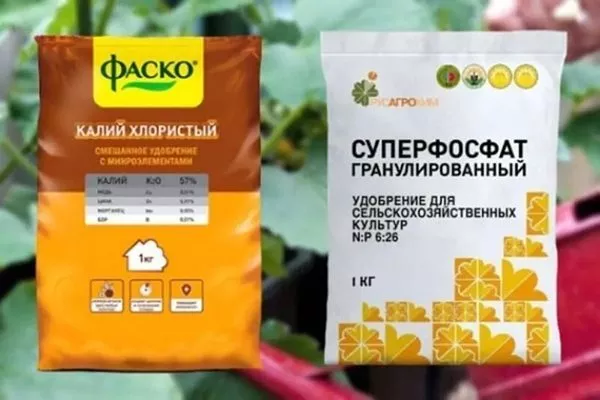
- before wintering – potassium chloride (6 tbsp), superphosphate (9-10 tbsp) and water (30 l).
Preparing for winter
Preparatory work begins in late September, including fertilizing, watering, pruning, and whitewashing. Afterward, mulch the soil, carefully covering the root collar. Apply a 20 cm thick layer of mulch.
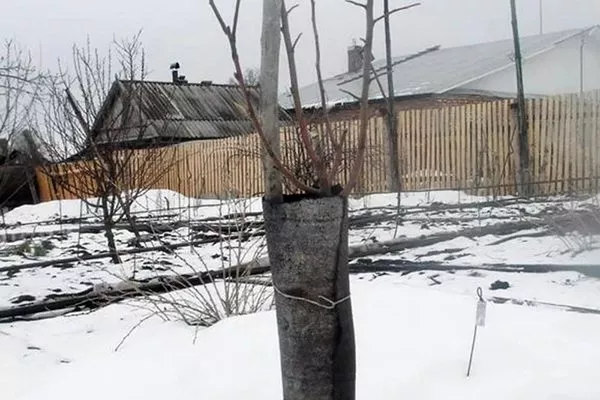
If severe frosts are expected, the trunks are wrapped in burlap or other non-woven material, and after the snow falls, they are hilled up with it.
Diseases, pests and their control
The Ulyanikhinsky apricot has excellent immunity, so it rarely becomes infected. However, if agricultural practices are not followed, the tree can be attacked by codling moths, aphids, and leaf rollers. Diseases include moniliosis, gnomoniosis, and clasterosporiosis.
To prevent this from happening, do the following every year:
- Dig the tree trunk area deeply;
- treat trees with Bordeaux mixture in spring;
- do the pruning;
- fertilize in a timely manner;
- do not allow dry crust to form and water to stagnate;
- do whitewashing.
Harvesting and storage
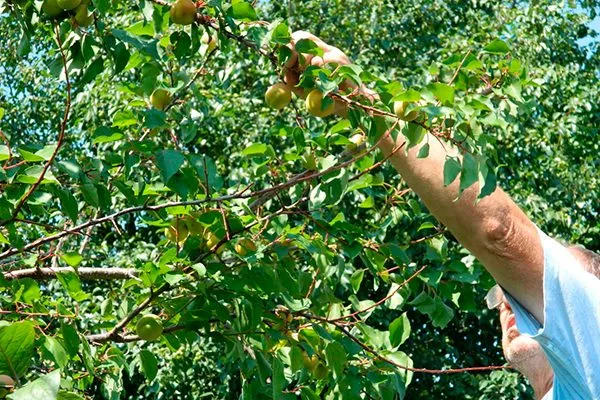
The harvest is best done 7-10 days before the fruit is fully ripe, otherwise it will fall off and crack. The fruit should be picked by hand due to the thinness of the skin (to avoid damage), and for storage, the fruit should be stacked in a maximum of two layers.
There are other features:
- each fruit can be wrapped in paper napkins;
- It is permissible to use newspaper to separate the layers in the box;
- room temperature – 0 degrees;
- shelf life: 2-3 weeks.
Reviews
The Ulyanikhinsky apricot is easy to care for; it's grown in all regions of Russia and doesn't require much attention. However, it's important to harvest the fruit promptly, just before technical maturity, otherwise they will quickly fall to the ground.