
The Tourist peach is one of the most sought-after varieties. Its exquisite flavor, abundant yield, and excellent disease resistance make it a preferred choice for home gardens and commercial plantations. Even beginners can manage planting and growing it. The key is to provide proper care.
Who developed the variety and when?
This plant is not represented in the domestic breeding database. It is known that it was created in Crimea, at the Nikitsky Botanical Garden. The exact date of selection is not indicated in publicly available sources, but the first fruiting occurred in 1931.
Description of the tree
The Tourist peach grows up to 4 meters in height. Its wide, spreading crown resembles an inverted pyramid. The large, bell-shaped flowers are a simple pink. The leaves are light green and serrated. This variety belongs to the common Iranian peach.
This cultivar is distinguished by its robust structure. Its annual shoots are thick: crimson on the sunlit side and green on the shaded side. The buds, both solitary and in clusters, are evenly distributed. The flower buds are large and slightly pubescent.
What do the fruits look like?
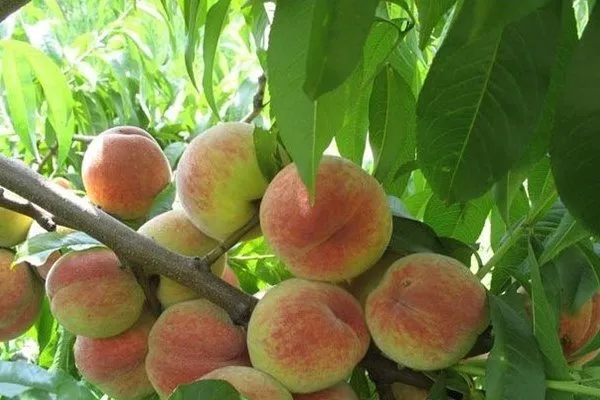
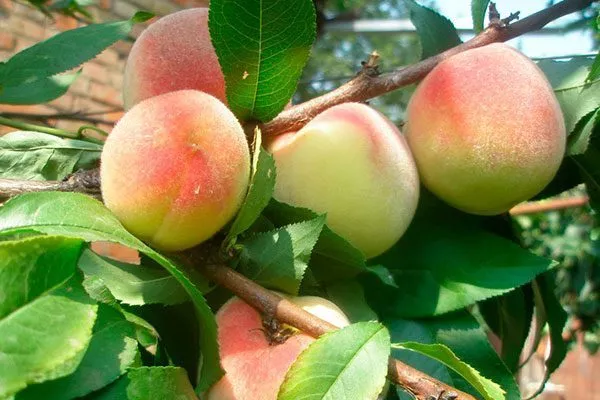
They are quite large, weighing up to 200 g. The skin is greenish-cream with a light raspberry blush. They can be round or oval in shape. The skin is covered with a slight pubescence. The flesh is fibrous, moderately dense, juicy, and deliciously crisp.
Inside the greenish-white pulp is a rather large seed that is easily removed. The fruit has a versatile purpose: it is eaten fresh and used in various dishes. The fruit transports well, but has a short shelf life—6 to 9 days.
Taste indicators
Peaches of the Tourist variety have a pleasant, strong aroma and sweet taste.
When does it ripen and how does it bear fruit?
Gardeners begin harvesting their first crops as early as the second year. Despite early flowering in May, the fruits ripen closer to early autumn.
Productivity
The official description emphasizes the variety's high yield. On average, a single tree yields 30-35 kg of fruit, but under favorable conditions, the yield can reach 100 kg.
Self-fertility and the need for pollinators
The plant is self-fertile and typically does not require additional pollination. However, the presence of additional peach trees can increase the yield.
Requirements for soil and climatic conditions
The tree grows exclusively in light and fertile soils, but is somewhat fussy in this regard. It will not thrive in heavy, salty, acidic, or alkaline substrates. Despite its southern origins in Crimea, the Tourist does not tolerate heat well and does not tolerate dry periods well.
Growing and care
For growing, choose sites with both full sun and partial shade, though strong winds can damage the plant. It's important that the groundwater level is not too low. Sandy loam and loamy soils are ideal.
The crop is best planted in the spring. There's no need to prepare the planting hole in advance. Before planting, fertilize the soil with 10 kg of rotted manure and 150 g of superphosphate. To encourage rooting, water the seedling with 40-50 liters of warm water.
Further irrigation should be carried out taking into account weather conditions and the degree of soil drying. At least several deep waterings are required during the season, unless the summer is excessively wet. Wetting usually coincides with:
- the blossoming of leaves and buds;
- flowering;
- pouring fruit.
Use 20-30 liters of water each time. After watering, it's advisable to immediately loosen and weed the area around the tree trunk. Use freshly cut grass as mulch.
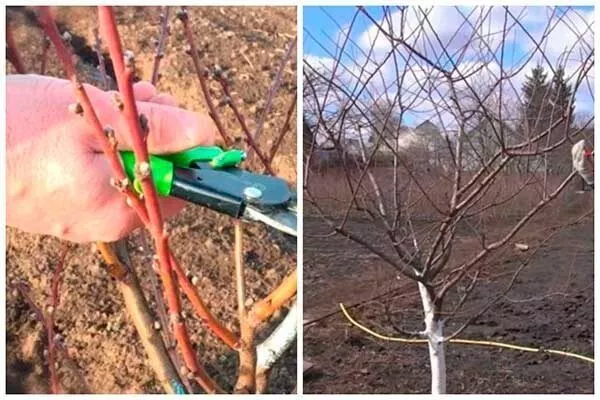
The best way to shape a tree is to form it into a cup. This requires several prunings, gradually shaping the plant into the desired form. During the first pruning, leave four main branches spaced 20 cm apart. Next, prune the primary branches and guide their growth. Sanitary pruning and standardization are important.
Frost resistance and the need for shelter
The tourist is fairly frost-resistant, but it's better to be on the safe side. Hill up the tree and thoroughly mulch it with fallen leaves or compost. Then wrap it completely in agrofibre and tie it in place. Place a fabric bag on top for additional protection.
Resistance to diseases and pests
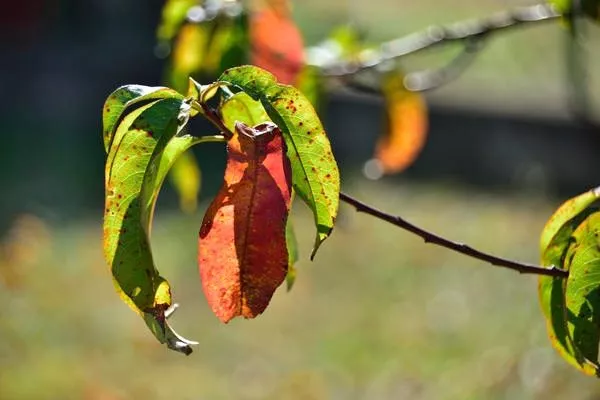
This variety is resistant to leaf curl, clasterosporium, and powdery mildew, but may be susceptible to other diseases. To prevent potential diseases, follow the seasonal preventative spraying schedule.
Advantages and disadvantages
Before cultivating an unfamiliar variety, it's important to research its strengths and weaknesses. Tourist has many advantages:
Among the disadvantages, gardeners note weak drought resistance, the need for frequent fertilizing, demanding soil composition, and sensitivity to certain diseases and pests.
Review of reviews
The Tourist peach is characterized by its unrivaled flavor, good yield, and resistance to disease and insect attacks. Despite some shortcomings, the variety's positive qualities far outweigh its disadvantages. With proper agricultural practices, it will reward you with large, juicy, and high-quality fruits.