
Peach and apricot trees are typically planted exclusively in southern latitudes, but there are varieties considered cold-hardy. The Tsarsky apricot is a popular hybrid fruit tree suitable for cultivation in central Russia. Moreover, many gardeners plant this variety in harsher climates.
Breeding history
The Tsarsky apricot variety has the longest history of origin, as its development began in 1986. This work was organized by breeders L. A. Kramarenko and A. K. Skvortsov, and the selection was carried out on the territory of the N. V. Tsitsin Main Botanical Garden of the Russian Academy of Sciences.
The scientists' goal was to make the tree frost-resistant enough to grow not only in the south but also in other regions of the country. They succeeded, although it took nearly 20 years to perfect the variety—it wasn't until 2004 that the Tsarsky Apricot was added to the Russian Federation's state register.
Description of the variety
In the first few years after planting, the tree develops very rapidly, rapidly expanding both its root system and aboveground growth—both the central stem and trunk, as well as lateral shoots and branches. This is a self-pollinating variety of apricot, requiring no pollinators.
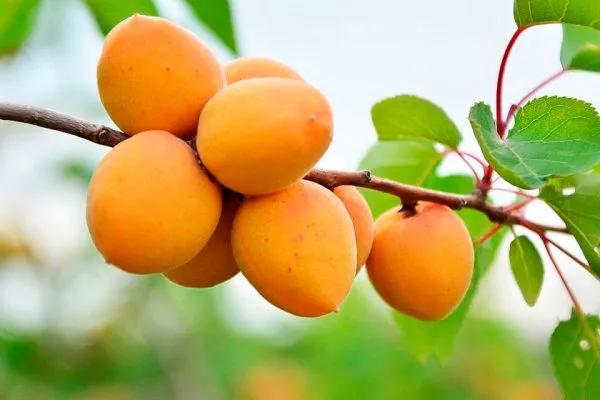
Characteristics of fruits and trees
The Tsarsky apricot is an early-ripening variety with a shortened growing season. The tree and fruit have the following characteristics:
- with proper care, the height varies from 300 to 400 cm;
- crown – raised paniculate type, not too dense;
- shoots - when young they are very smooth and reddish, as they mature they become darker and rougher, but they are always straight;
- leaves – quite large in size, oval and bright green, with a glossy smooth surface, short pointed edges and serrated edges;
- flowers are single and snow-white or with a pinkish tint, about 2.5-4.0 cm in diameter;
- petioles - dark red;
- fruiting - on all shoots;
- peduncles - shortened;
- fruits – up to 3-3.5 cm in diameter, weighing 15-22 g, oval or round;
- the skin is pubescent and of medium thickness;
- apricot color - bright yellow with a reddish spot on one side (where the sun is) with parameters of 1/3 of the total volume of the fruit;
- the pulp at technical maturity is juicy, tender and dense, of a rich orange hue, and easily separates from the skin;
- the stone is small (10% of the total weight of the berry) and easily separated from the pulp;
- The fruit keeps well.
Taste qualities
The Tsarsky apricot is characterized by a high sweetness (8-8.5%) and low acidity (maximum 1.7%). Many consumers and even experts note pineapple and peach notes, but this is more true for the aftertaste. However, the aroma of this fruit is exclusively apricot.
Application of fruits
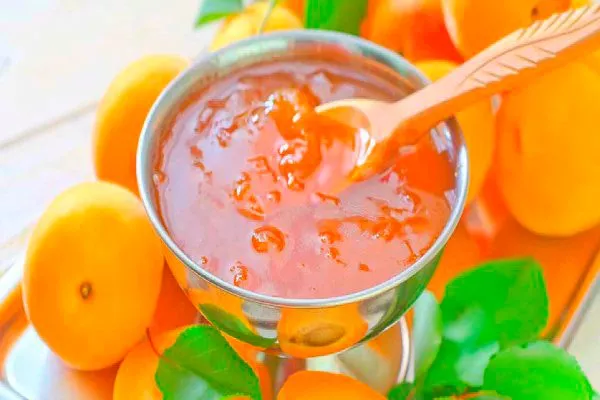
The Tsar's apricot pulp is both firm and juicy, making it melt-in-the-mouth and easy to process. Its aroma persists even after cooking, making it a versatile variety. The fruit is used to make preserves, compotes, juices, and jams. It can also be frozen and dried.
Chemical composition of fruits
Royal apricots are rich in various vitamins and microelements. They have a remarkable amount of potassium, unlike other apricot varieties. Per 100 g of fresh, ripe fruit, they contain 16.1-17.8 g of dry matter, 1.5-1.7 g of triglycerides, and 0.315 g of potassium.
Ripening and fruiting
Self-fertile apricots ripen early—in late July or early August, depending on weather conditions and climate. However, the first fruit can be harvested from the seedling in the third year after planting. Flowering begins in May.
Productivity
Harvest yield is influenced by the conditions and care of the tree. If the gardener pays little attention to the tree, a single yield of about 25 kg can be achieved, but with proper cultivation, even 40 kg can be achieved. Yield is influenced not only by fertilizing but also by proper crown formation.
Drought resistance, frost resistance
The Tsarsky apricot is distinguished by its excellent cold tolerance and drought tolerance. This variety can easily survive summer heat without a single watering, but in this case, the fruit will not develop its sweetness and aroma, and many fruits will not appear.
Regarding frost, the crop is not affected by temperatures of -35-40 degrees Celsius during the winter. However, frost is undesirable in the spring, when the ovaries are forming, as they will freeze.
Advantages and disadvantages of fruit trees
The Tsarsky apricot variety has many advantages, according to experienced gardeners and specialists.
Diseases and pests
This variety is relatively resistant to diseases and pests, but if agricultural practices are not followed or the season is very rainy, the following may occur:
- Moniliosis. This is a fungal disease of the tree that affects flowers, shoots, and foliage. Horus, Quadris, or a 3% Bordeaux mixture solution are used for treatment.
- Clusterosporiasis. The fungus is localized on the above-ground parts of the tree. Copper-based products are used for control: Bordeaux mixture (4% concentration), Horus, and copper sulfate.
- Vertical wilt. Occurs when there's too much moisture in the soil. It's treated with Bordeaux mixture.
- Cytosporosis. It manifests itself as cracks in the bark. Treatment with a 1% Bordeaux mixture is sufficient.
- Plum aphid. It can be destroyed with laundry soap mixed with water.
- Ants. You can get rid of them with regular whitewash.
- Codling moth. Destroyed by Chlorophos.
- Sawfly. Contact-intestinal insecticides (Decis and similar) are used.
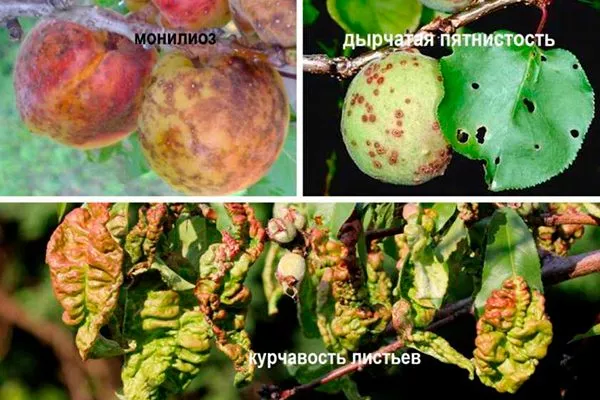
To prevent diseases and harmful insects, do the following:
- before they swell, treat the branches and trunks with preparation 30+;
- Before budding, use copper sulfate or chorus;
- after flowering, you can spray with Bi-58 and a week later with Karbofos;
- Loosen the soil in the tree trunk area more often;
- Always cover the trunks with lime;
- water moderately;
- Remove fallen fruits to avoid rotting processes.
Features of planting seedlings
The Tsarsky Apricot variety is not considered particularly demanding. Standard plans and measures apply. However, it is important to consider certain varietal nuances and subtleties.
- ✓ The depth of groundwater must be at least 1.5 m from the surface.
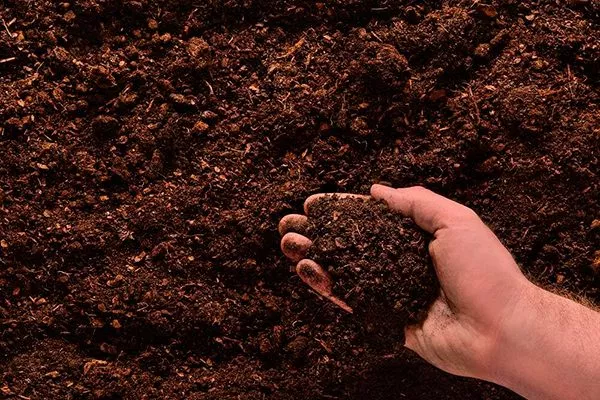
- ✓ Soil pH should be between 6.5-7.5 for optimal apricot growth.
Recommended timeframes
Apricot seedlings can be planted in both spring and fall, but this only applies to regions with a warm climate. In cooler climates, spring is preferred so that the young tree has time to take root and adapt. Spring planting occurs when the air temperature stabilizes at 12-15°C, while fall planting occurs 40-50 days before the expected frost.
Choosing a suitable location
Royal apricots prefer sunny, water-free locations. Therefore, elevated sites are ideal, but avoid drafts. Facing slopes facing south is preferable, as are buildings and structures. Southwest-facing slopes are strictly unsuitable.
Neighborhood with other cultures
Apricot trees should not be planted close to other crops; the minimum distance between them is 3.5-4 meters. It's also important to consider the surrounding area, especially those crops that are prohibited from being planted nearby:
- peach;
- dogwood;
- nut;
- raspberry;
- red or black currant;
- plum;
- cherry;
- cherries;
- apple;
- multicolored and nightshade plants.
You can plant lawn grass directly under the apricot trees. Daffodils, crocuses, and tulips grow well near the trees.
Selection and preparation of planting material
To plant Tsarskie apricots, grafted seedlings are used, either purchased from a nursery or grown locally. It's important to select the right planting material—this will ensure successful rooting and establishment. Consider the following:
- the minimum age is 2 years, the maximum is 3;
- there must be a graft in the root area;
- development and elasticity of the root system;
- absence of dry or rotten areas on the roots and aboveground parts;
- there should be no cracks in the bark;
- smoothness of all shoots;
- presence of leaves on the seedling.
Preparatory work is simple: simply inspect all parts of the seedling carefully and trim off any overly long or damaged roots with sharp pruning shears. Afterward, treat the cut areas with crushed wood ash.
Site preparation
Experts recommend planning your seedling planting in advance, starting several months beforehand. If this isn't possible, wait at least 20 days. Preparatory work is as follows:
- Remove all debris and plant debris from the area.
- Determine the planting pattern if there are several seedlings.
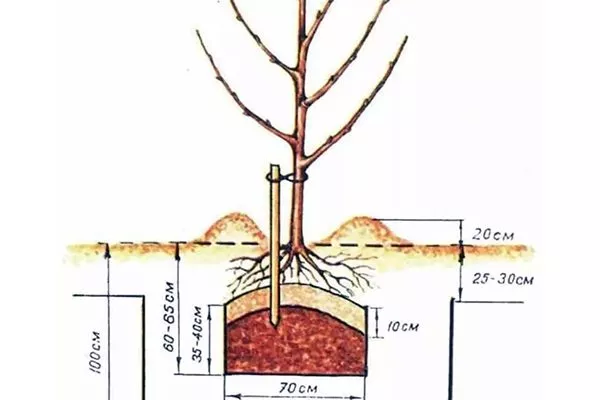
- Dig planting holes. They should be about 70 cm deep and 28 inches in diameter. When digging, remove the top 15-20 cm of soil.
- Moisten the walls and bottom of the hole, but not too much.
- Place any drainage material—pebbles, expanded clay, rocks, or broken red brick—at the bottom. Layer 10 to 20 cm thick.
- Prepare a nutrient substrate. For every 2 buckets of soil, add 1 bucket of well-rotted manure or compost, and 350-400 g of a complex mineral fertilizer (containing phosphorus, nitrogen, and potassium). If the soil is overly acidic, add slaked lime or dolomite flour.
- Mix the substrate thoroughly and place it in the planting hole.
- Cover with plastic film, which should be sprinkled with earth at the edges and surrounded with stones to prevent the wind from blowing it away.
- Three weeks before planting, analyze the soil for pH and nutrient content.
- 2 weeks before planting, apply corrective additives based on the analysis results.
- One week before planting, carry out final loosening and moistening of the area.
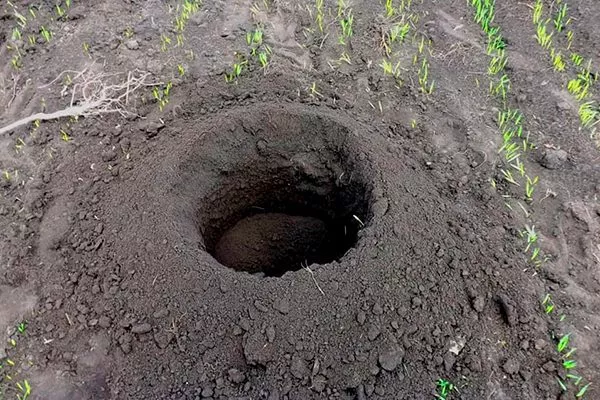
The holes should remain in this state for 3 weeks or several months.
The process of planting young seedlings
The planting procedure for the Tsarsky apricot variety is standard. It involves the following steps:
- Remove the covering from the prepared holes.
- Remove the substrate that has become saturated with organic matter and minerals.
- Loosen it well and pour half of it back.
- Form a mound if the tree's root system is open, or a depression if the roots are in a lump of earth.
- In the central part, install a support stake to which the seedling will be tied.
- Place the tree, carefully spreading the roots or together with the root ball.
- Fill with the remaining soil mixture so that the grafting site is 5-7 cm above ground level.
- Compact the soil thoroughly and tie the seedling to the stake.
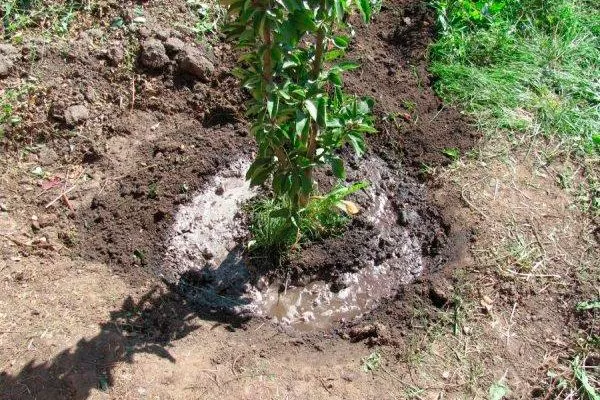
- Pour at least 20 liters of water, which should be warm and settled, under each tree.
Apricot tree care instructions
Caring for this variety is not difficult—just follow the watering, pruning, and fertilizing guidelines. Also, consider the varietal's growing characteristics.
Watering
The Tsar's Apricot prefers moderate humidity, so avoid overwatering too often, which makes the gardener's job much easier. Here's how to water properly:
- The first watering should be done before flowering begins;
- during the formation of ovaries and growth of fruits, add water as the soil dries out (approximately once every 2 weeks);
- Carry out the last moisture-charging irrigation after harvesting.
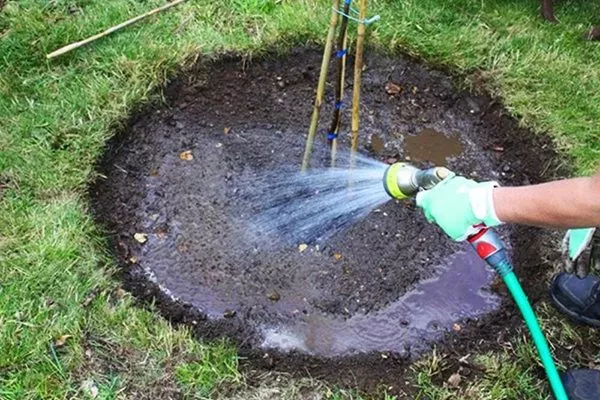
Moisture recharge involves pouring a generous amount of soil into the tree's trunk circle. While 30 liters of water is sufficient for normal watering, 50-60 liters is added before wintering.
Feeding scheme
To ensure the best possible harvest and delicious fruit, be sure to fertilize throughout the growing season. This will also prevent soil depletion. Fertilizing guidelines:
- In early spring, nitrogen is required, so you can use ammonium nitrate, urea or a specialized preparation;
- in the summer period, phosphorus and potassium are required to a greater extent - three times per season);
- In the fall, after harvesting, organic matter is added - rotted manure, humus, compost, bird droppings.
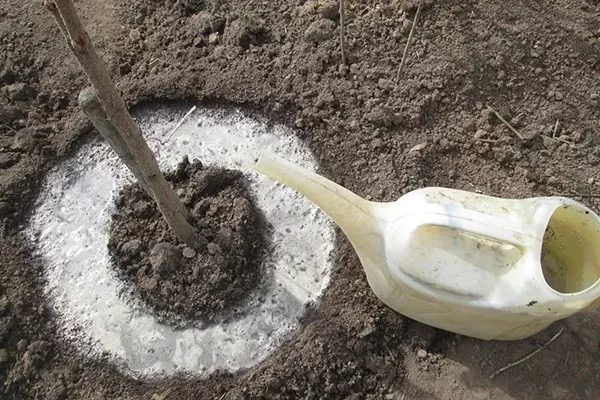
In the first year after planting, it is sufficient to fertilize the seedlings twice - in summer and autumn, but only if the planting hole has been prepared according to the requirements.
Pruning and crown shaping
The importance of pruning Tsar's apricot trees is for sanitary and hygienic reasons and to prevent excessive crowding, which reduces yield. Here's how to do it correctly in the spring:
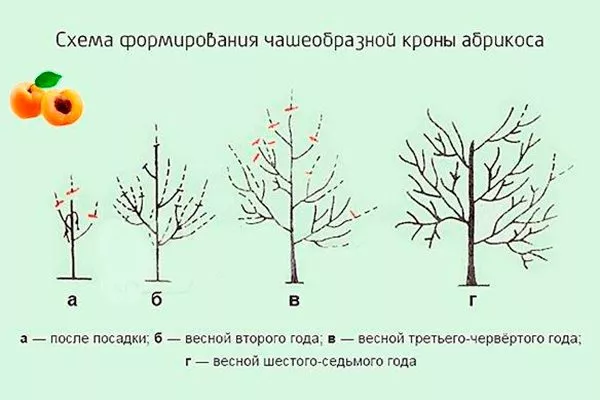
- Immediately after planting, it is necessary to shorten the central conductors and skeletal shoots by 1/3.
- Proceed in the same way next year. But now you need to form the primary layer on the crown, for which you leave no more than five strong and healthy branches.
- In the third year after planting, the same actions are carried out with the second tier of the crown.
- In subsequent years, after the crown skeleton has fully formed, all rapidly growing shoots should be shortened by 1/2.
Sanitary pruning is mandatory twice a year. This involves removing the following parts:
- dried up;
- rotten (happens with frequent rains);
- with the presence of pests or diseases:
- incorrectly growing branches (inward or at an angle);
- those shoots that do not bear fruit.
Sometimes rejuvenation pruning is performed. This involves shortening or removing shoots that have already begun to grow slowly, that is, to age.
Preparing for winter
The royal apricot easily tolerates frost, but if winter temperatures reach -35 degrees Celsius or below, it's best to wrap the trunks with any air-tight material. Preparing for winter is also necessary for other reasons:
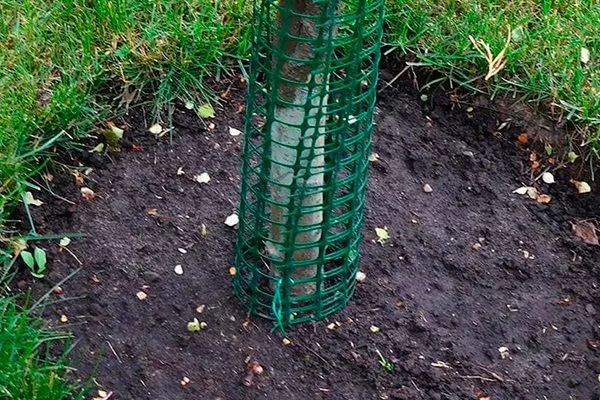
- To protect against small rodents and hares that eat bark, install a fine-mesh net around each tree;
- saturate the roots with oxygen – thoroughly loosen the soil before water recharging;
- To prevent infestation and pest attacks, whitewash the trunks and base of skeletal shoots and remove all fallen fruits and leaves;
- Keep horses warm - mulch.
Reproduction
The royal apricot is propagated in three main ways:
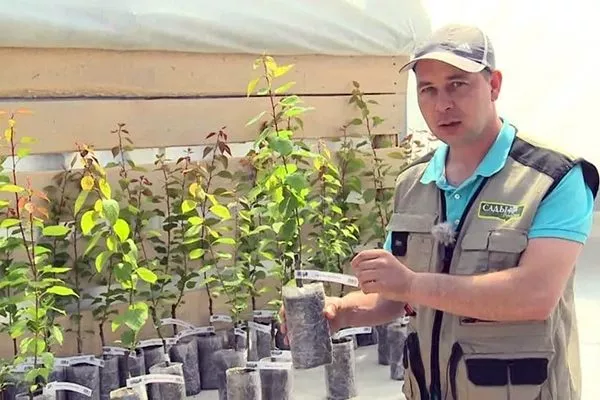
- Seeds. To do this, select the healthiest and highest-quality seeds and plant them in the soil in the fall, thoroughly moistening them. However, keep in mind that the parent plant's characteristics are unlikely to be preserved, and it will take three years to produce a fully grown seedling.
- By vaccination. The best option involves grafting the variety onto a wild stock. To do this, cuttings are taken in the fall, and in the spring, the scion and rootstock are joined by copulation.
- By cuttings. The procedure is carried out in the summer with green shoots. Cuttings are taken from them and placed in a container with a special growing medium, then transplanted to a permanent location in the fall.
Harvesting and storage
The Tsarsky apricot ripens gradually, so the harvest is carried out in several stages. It is strictly forbidden to harvest the fruit after it's overripe, as such fruits won't keep for long. Harvesting is carried out in dry weather to avoid the need for additional drying after harvesting.
How to store:
- container – plastic or wooden boxes;
- number of layers – maximum 3;
- the room is dry;
- air temperature – 0 degrees;
- humidity in the room is about 90%.
Under these conditions, fruits can be stored for approximately 50-60 days.
Gardeners' reviews
The Tsarsky apricot is suitable for cultivation not only in southern Russia but also in cooler climates, due to its good frost resistance. The variety's key features include its ability to thrive without frequent watering and its incredibly strong aroma, even after heat treatment.