
The Solnechny peach is prized by gardeners for its unique characteristics, making it one of the most popular varieties. It tolerates frosts, grows well, and produces abundant yields of high-quality, medium-sized fruits with excellent flavor and a pleasant aroma. Good results are achieved with proper care.
The appearance of the tree
It was developed by M. F. Sidorenko through free crossing of the Zolotoy Yubiley variety. This medium-sized fruit bush reaches a height of 3.5 to 4 meters. Its spreading, rounded crown makes it an ideal choice for both garden and summer cottage cultivation.
The lanceolate leaves are elongated and tapering toward the top (17 x 4 cm), dark green in color, with a glossy sheen. The goblet-shaped, white-pink flowers have five petals and a pleasant, subtle fragrance.
Fruits and their taste characteristics
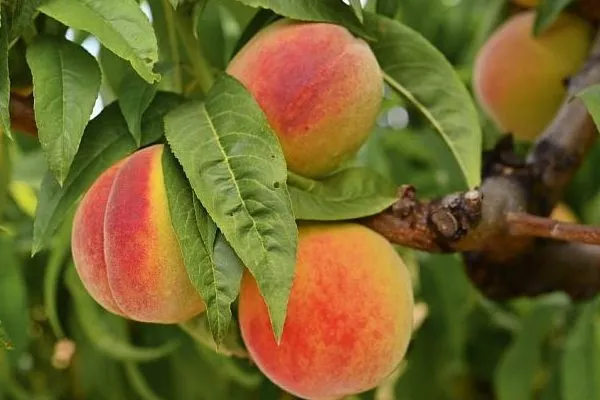
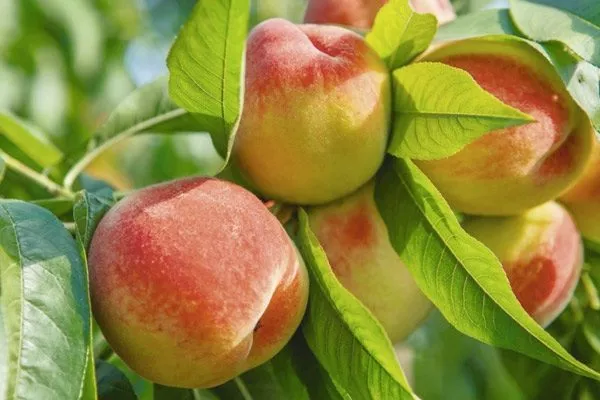
Sizes vary from 140 to 170 g. Distinctive qualities of the fruit:
- They have a yellow-orange color with a scarlet or carmine blush.
- The shape is oval, with a wide ventral suture.
- The flesh is yellow-orange, juicy and tender, with a little fiber.
- The taste is sweet with a slight sourness.
- The stone is easily separated from the pulp.
Ripening and fruiting
Fruiting begins approximately 3-4 years after planting. Flowering typically begins in late April, and the fruit ripens in mid-late summer. The fruits ripen in early August.
Productivity
The yield is stable and high. A single tree can produce up to 50 kg of fruit per season.
Self-fertility and the need for pollinators
The crop is a self-fertile variety, so the plant does not require pollinators to produce fruit.
Growing and care
Planting a plant and its subsequent cultivation require certain conditions and care to ensure a good harvest and a healthy tree.
Follow the recommendations:
- Choose a location with good sunlight and protection from strong winds.
- The soil should be well-drained, fertile, and light. Avoid planting in areas where water lingers after rain or watering.
- Plant the seedling in early spring or late fall.
- The distance between trees should be approximately 4-6 m.
- Dig a hole about 60 cm deep and wide to allow the roots to develop well.
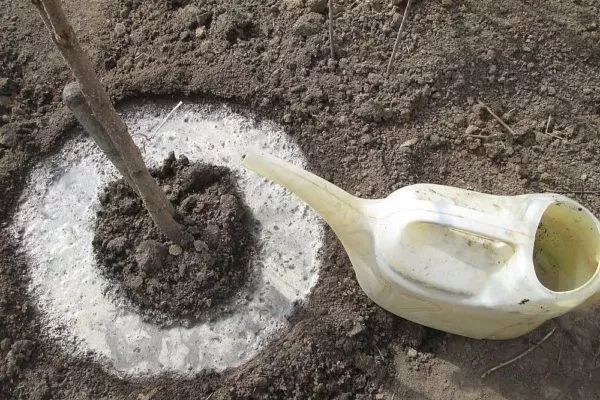
- Before planting, fertilize the soil with organic fertilizers.
- Water young plants regularly, especially during periods of drought.
- After the procedure, provide the peach with sufficient moisture to help it root.
- Fertilize to support healthy growth and development. Do this in early spring and late summer.
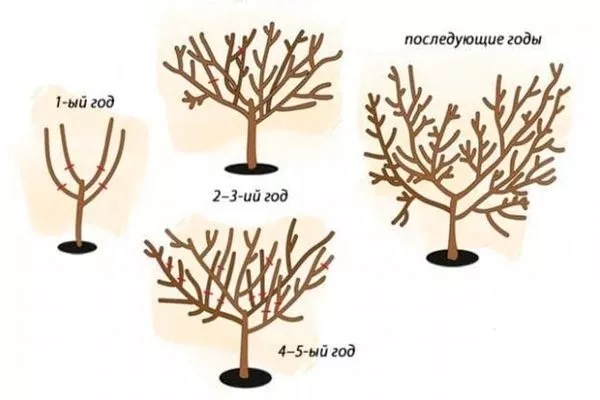
- Regular pruning helps shape the plant's crown, improves air circulation and light, and promotes fruit yield. Remove diseased, damaged, or old branches.
- Inspect plants for pests and diseases. Apply preventative treatments using appropriate insecticides and fungicides as needed.
Frost resistance and the need for shelter
This winter-hardy variety can withstand temperatures down to -25°C.
Features of pruning
Prune annually in the spring, before buds begin to grow. Remove all dried, damaged, or diseased branches, and discard vertical shoots, leaving only horizontal ones.
Advantages and disadvantages
Before planting a new variety in your garden, research its pros and cons first. The Sunny Peach has numerous attractive qualities:
A disadvantage of this variety is its tendency to leaf curl under unfavorable environmental conditions. This can detract from the tree's appearance and impact its overall health, requiring additional protection and care.
Review of reviews
The Solnechny peach has received many positive reviews. Despite some shortcomings, the cultivar attracts attention with its excellent varietal characteristics. Among its advantages, gardeners note its ease of cultivation and low maintenance. With proper care, the plant will reward you with generous harvests.