
Peach Sunny is one of the most popular varieties, which has gained attention from gardeners due to its excellent characteristics. It attracts attention with its numerous advantages and high yield. Cold tolerance and the ability to self-pollinate are its main advantages. It is important to understand its key nuances and growing characteristics.
Information about origin
The Solnechny variety was developed through open pollination of the Zolotoy Yubiley peach. Russian breeder M.F. Sidorenko worked on its development.
The appearance of the tree
This medium-sized fruit bush reaches a height of 3.5 to 4 meters and has a spreading, rounded crown, making it an excellent choice for a garden or summer cottage. The leaves are lanceolate, elongated and tapering toward the tip (17 x 4 cm), and dark green with a glossy sheen.
Description and characteristics
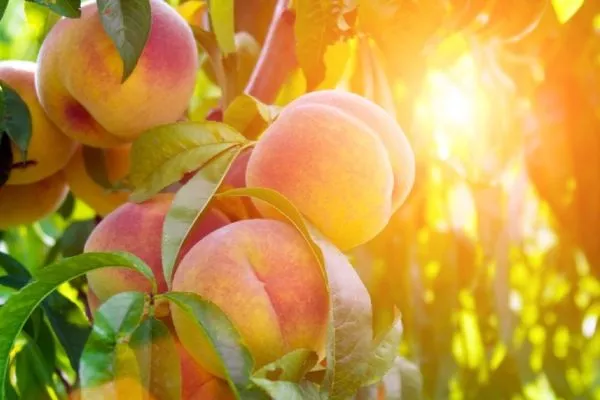
The fruits are medium-sized, oval-shaped, and have a wide ventral suture. They weigh between 140 and 170 grams. The skin and flesh are yellow-orange. A scarlet or carmine blush appears on the surface. The flesh is juicy and tender, with a slight fibrous texture.
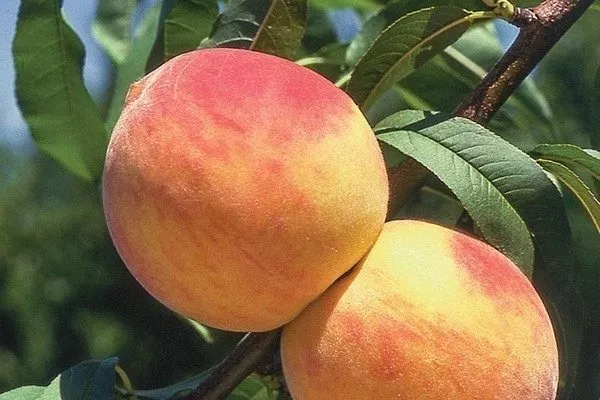
The pit separates easily from the pulp. The taste is sweet with a slight tartness. The fruits are eaten fresh, used for canning, and making juices.
Ripening period and yield
Fruiting begins approximately 3-4 years after planting. Flowering occurs in late April, and the fruit ripens in mid-late season, beginning in August. Yields are stable and high: one tree produces up to 50 kg per season.
Frost resistance and the need for shelter
This winter-hardy variety can withstand temperatures down to -25°C. It tolerates temperature fluctuations well.
Resistance to diseases and pests
Sunny is resistant to diseases and pests, making it an excellent choice for gardeners. However, in some cases, such as with improper care, it can be susceptible to leaf curl, so experienced gardeners strongly recommend preventative treatments.
Planting and care

Growing a seedling requires certain conditions to ensure a good harvest and a healthy tree. Follow these recommendations:
- Choose a location with good sunlight and protection from strong winds.
- The soil should be well-drained, fertile, and light. Avoid areas where water lingers after rain or watering.
- Plant the seedling in early spring or late fall.
- Leave a distance of about 4-6 m between plants.
- ✓ Soil pH should be between 6.0-7.0 for optimal growth.
- ✓ The groundwater depth must be at least 1.5 m to prevent root rot.
Step-by-step instructions:
- Dig a hole about 60 cm deep and wide to allow the roots to develop well.
- Before planting, add organic fertilizer to the hole.
- Water young plants regularly, especially during dry periods.
- After planting, provide sufficient moisture for rooting.
- Apply fertilizer to support healthy growth and development. Feed seedlings in early spring and late summer.
- Keep the area beneath the tree free of weeds to avoid competition for nutrients and water. Mulch the soil to retain moisture, suppress weed growth, and protect the roots from overheating.
If not properly cared for, plants can be susceptible to disease and insect attacks. It's important to begin treatment promptly:
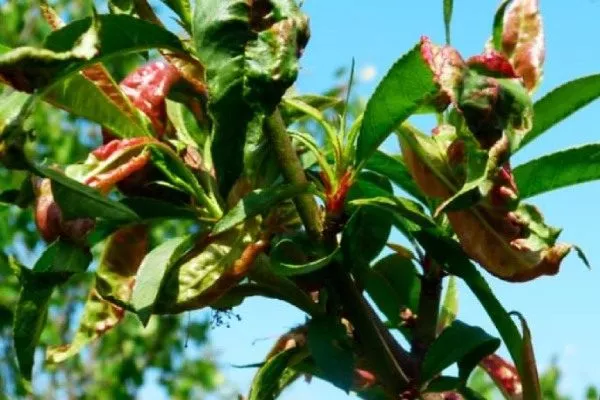
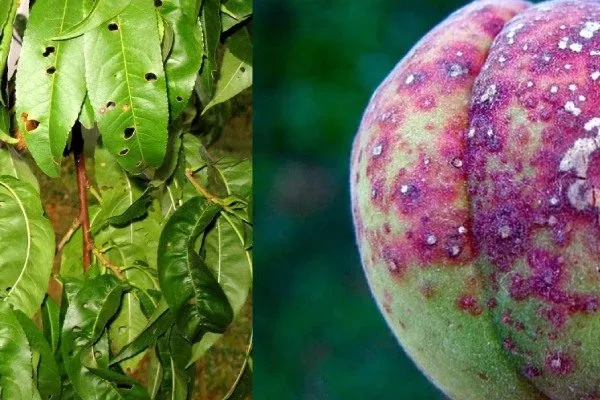
- Curly hair. The leaves curl and become deformed, yellow or red spots appear on them, they become brittle and begin to fall off.
Conduct preventative treatments in spring and fall with Horus or Skor fungicides. Apply copper sulfate or Bordeaux mixture to the tree before and after flowering. Remove and dispose of affected leaves and branches. Ensure proper care, including regular ventilation and humidity control.
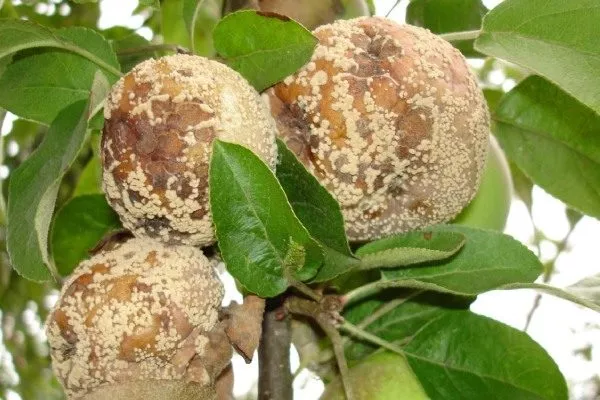
- Moniliosis (fruit rot). Brown, water-soaked spots appear on the fruit and spread quickly. They become soft and rotten, often covered with a gray coating.
Remove and destroy infected plants. Treat the plant before and after flowering and during active fruiting with fungicides such as Topaz or Fundazol. Keep the garden clean and regularly remove fallen fruit and leaves.
- Smallpox (clasterosporium). Small brown spots with borders appear on the leaves, which can enlarge and merge. This can lead to premature leaf drop.
Treat trees with copper sulfate or Bordeaux mixture before and after flowering. Remove and destroy affected leaves and branches.
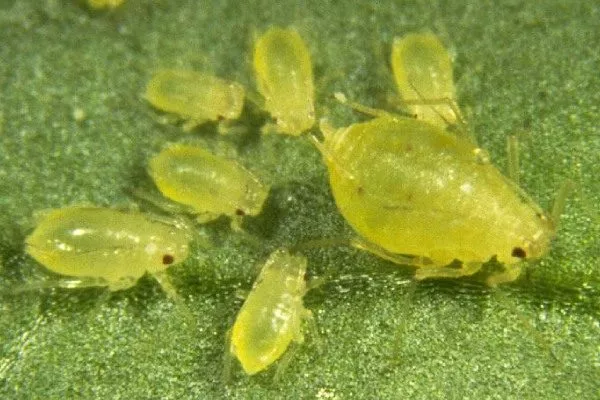
- Peach aphid. Leaves become deformed, curled, and sticky due to the pest's secretions. Black sooty mold appears.
Treat plants with insecticides such as Actellic or Karbofos in the spring before bud break. Use folk remedies such as garlic or tobacco infusions. Take preventative measures: regularly remove weeds and keep the area clean.
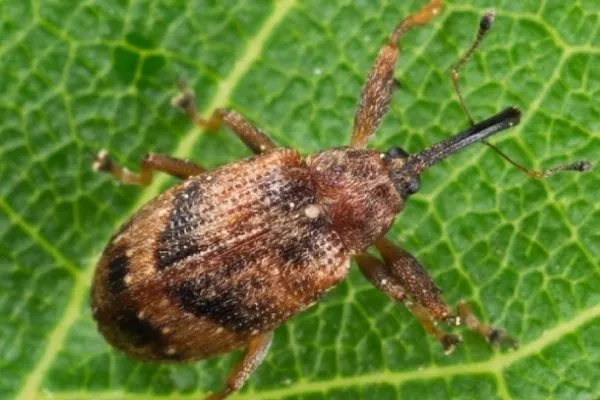
- Peach blossom weevil. The larvae eat flowers and young fruits, which leads to their deformation and premature fall.
Treat the tree with insecticides such as Karbofos or Fitoverm. Use trapping belts and pheromone traps to reduce pest numbers.
Features of pruning
Prune annually in the spring, before buds begin to grow. Remove all dried, damaged, or diseased branches, and discard vertical shoots, leaving only horizontal ones.
Positive and negative qualities
Before planting a new variety, it's important to understand its advantages and disadvantages. The Sunny Peach has many positive qualities:
The variety has no significant disadvantages, but it is important to take into account some of the disadvantages of the crop - leaf curl in unfavorable conditions. This can deteriorate the tree's appearance and affect its health, requiring additional protection and care.
Reviews
The Solnechny peach is the ideal choice for those seeking a fruit variety with high yields and excellent flavor. Its cold tolerance and excellent productivity make it particularly suitable for a variety of climates. With simple cultivation techniques, you can grow a strong and productive plant.