
The Sibiryak peach is a unique variety, bred specifically for regions with harsh climates. Thanks to these varieties, Siberian gardeners can grow fruits previously unavailable in their gardens.
Who bred the Sibiryak variety?
The Siberian peach, despite its name, has Crimean roots. This frost-hardy variety was developed in the Nikitsky Botanical Garden. Crimean breeders have succeeded in creating a peach that tolerates cold well and is suitable for cultivation in virtually all regions of Russia. However, it exhibits its greatest productivity when grown in the temperate zone.
The appearance of the tree
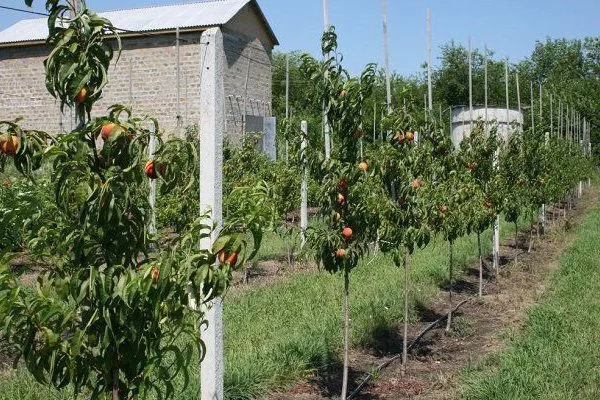
The Sibiryak variety is a medium-sized tree that grows quickly and has a compact, neat crown with a diameter of approximately 4 m. The tree reaches a height of 3-3.5 m under favorable conditions.
The plant has a well-developed, medium-density growth habit and a strong trunk covered in gray bark. Its leaves are light green. From the outside, the Siberian peach resembles a large, gently spreading bush with drooping, elongated leaves. The flowers are pink and standard-sized.
Fruits and their taste
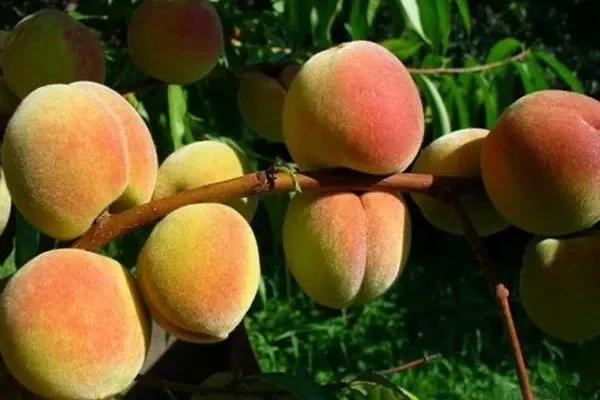
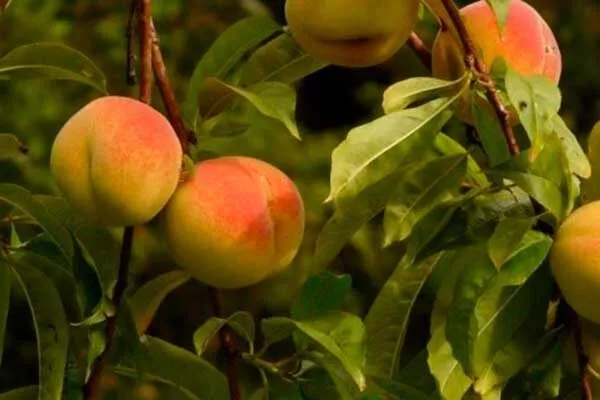
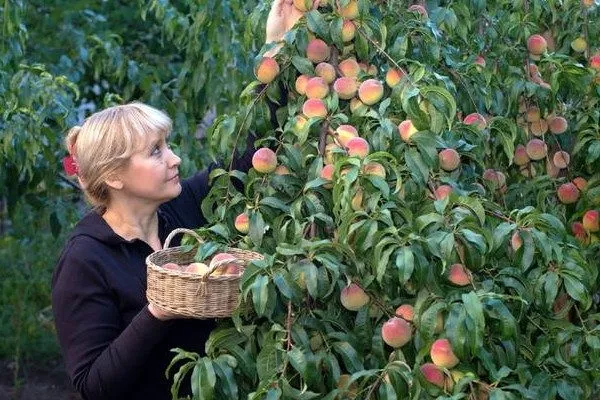
The Sibiryak variety produces large, round fruits. A ripe peach weighs 200-240 g. It has a yellowish-red skin with a slight pubescence. The skin is moderately firm and not glossy. The yellow flesh is tender and juicy, but slightly fibrous.
The fruit has a pleasant, sweet flavor. The seeds are small and easily separated from the pulp. The fruit is eaten fresh, used in cooking, and used to make juices and various preserves. Professional tasters give the Sibiryak fruit a 5 out of 5 rating.
Ripening period and yield
Fruiting begins 2-3 years after planting. The tree bears fruit consistently, without interruption. Under favorable conditions, the tree can bear fruit for 15 years.
Flowering begins in April-May, and fruit harvesting in the temperate zone occurs in the second ten days of August. Ripening times depend on the climate. The further south the tree grows, the earlier the fruit ripens.
The average yield is 40-45 kg per tree. This increases gradually, with the tree producing approximately 20 kg of fruit in the first few years and, as it matures, reaching 50 kg.
Pros and cons of the Sibiryak variety
The Siberian peach has enough advantages to seriously interest both amateur gardeners and even large fruit growers. Before planting this peach in your garden, it's helpful to evaluate all its advantages and disadvantages.
The only drawback of the Sibiryak variety is its excessively intensive growth of shoots, which is why the tree has to be regularly pruned.
Landing features
In regions with very harsh winters, the Siberian peach, like all fruit trees, is planted in the spring. Pre-winter planting is too risky even for the most winter-hardy crops and varieties. However, in southern regions, fall planting is preferable.
For planting, use 1-2 year-old seedlings 1-1.5 meters tall. During spring planting, the roots and shoots of the seedlings are shortened by a third. At the same time, the top of the tree is slightly trimmed, and the roots are immersed in a growth stimulant such as Kornevin, Epin, or similar. During fall planting, root pruning is sufficient.
Features of planting the Siberian peach:
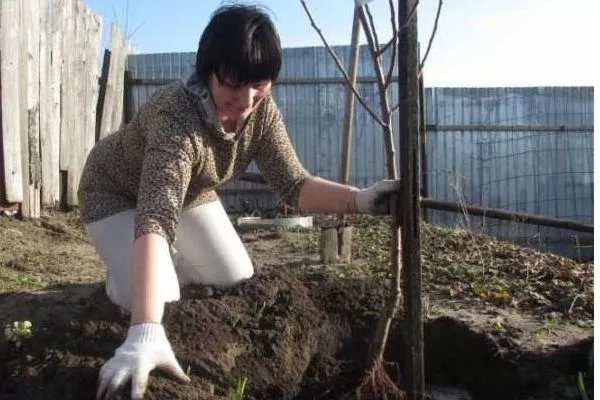
- A hole measuring 70 x 70 cm is prepared in advance, at least one month before planting. If planting in the spring, the holes are prepared in the fall.
- A support is placed in the center of the hole. It should be at least 1 m high. The seedling is tied to it with soft twine. Wire should not be used, as it can damage the young tree's thin bark.
- The excavated topsoil is mixed with nutrients. Wood ash, superphosphate, and potassium chloride can be added. If the soil is poorly fertile, add humus or compost.
- A tree planted using standard technology is watered with 20 liters of settled water, and when it is absorbed, it is mulched with peat, freshly cut grass, sawdust, etc.
The Siberian peach grows best in fertile, well-drained loam with neutral pH. Choose a warm, sunny site, well protected from drafts and northerly winds.
Care and cultivation
To produce a large quantity of delicious and juicy peaches, you need to take care of the tree. It requires watering, fertilizing, pruning, and preventative spraying.
Care features:
- Peach trees especially need watering during flowering, fruit set, and ripening. During these periods, watering should be done once every two weeks; at other times, water once a month.
- Fertilize along with watering. In the spring, apply nitrogen, such as urea. In the fall, the plant requires phosphorus and potassium. Every 2-3 years, add organic matter, such as compost or humus, during tillage. Green manure crops can also be sown in the tree trunk circle.
- After watering, when the soil dries out a little, loosen the soil and weed out the weeds.
- Once a year, in the spring, when the buds swell, perform formative pruning. This is done to create a cup-shaped crown. First, remove the side branches, leaving four strong shoots—these will be the skeletal branches. The distance between them should be 12-15 cm.
- In subsequent years, pruning is limited to adjusting the crown. Its shape is maintained by thinning branches. Dry, broken, and damaged shoots are also removed from time to time.
- The variety can withstand temperatures down to -35°C, so in many regions the Sibiryak peach tree requires no shelter. If frosts exceed this mark, the tree should be protected. Insulation is provided using the standard technique: the roots are covered with peat and the small tree is completely covered.
After harvesting, the area under the tree is cleared of plant debris, pruned branches, etc. No leaves or fruit should remain on the soil.
Collection and storage
The variety has a high immunity, so with proper agricultural practices, it is virtually disease-free. Under unfavorable weather conditions and poor care, symptoms of diseases such as powdery mildew and clasterosporium may be observed, and the tree may also be affected by fruit rot.
The most dangerous insect pests for the Siberian peach include aphids, spider mites, codling moths, and weevils. These are controlled using powerful systemic insecticides, which are sprayed on the tree during dry weather.
Harvested peaches can be stored under favorable conditions for about three weeks. During this time, the fruit retains its freshness, juiciness, and excellent flavor.
Reviews
The Siberian peach will certainly appeal to amateur gardeners in regions with harsh winters. This variety's main advantage is its exceptional frost resistance, which is unusual for this crop. Furthermore, the Siberian peach is productive and easy to grow, and its fruits are very juicy and delicious.