
The Siberian peach is an excellent choice for gardeners seeking to grow tasty, large fruits in harsh climates. This variety was bred to adapt to low temperatures and unstable weather conditions. It is characterized by strong immunity and excellent productivity. It is important to provide the plant with comprehensive care to fully appreciate its benefits.
Information about origin
Created by Crimean breeders on the peninsula's southern coast in the Nikitsky Botanical Garden, this over two-hundred-year-old cultivar is renowned for its achievements in breeding new varieties and hybrids. Despite its southern origins, the Sibiryak has become widespread in central Russia and the CIS countries.
The idea of a peach
This high-yielding variety is resilient to adverse conditions and weather fluctuations. Its fruits are characterized by high quality, making Sibiryak popular among gardeners and commercial growers.
The appearance of the tree
A medium-sized, fast-growing plant with a compact crown, the diameter of which does not exceed 4 m. Under favorable conditions, it reaches a height of 3-3.5 m. The tree is characterized by moderate density, bright green foliage, a strong trunk with light gray bark, and a well-developed root system.

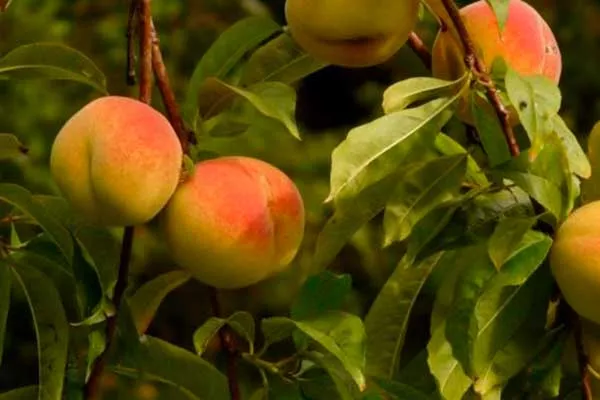
It resembles a large shrub with elongated, drooping leaves and gently spreading branches. Flowering occurs in April-May, when the crown is covered with beautiful pink flowers.
Fruits and their taste characteristics
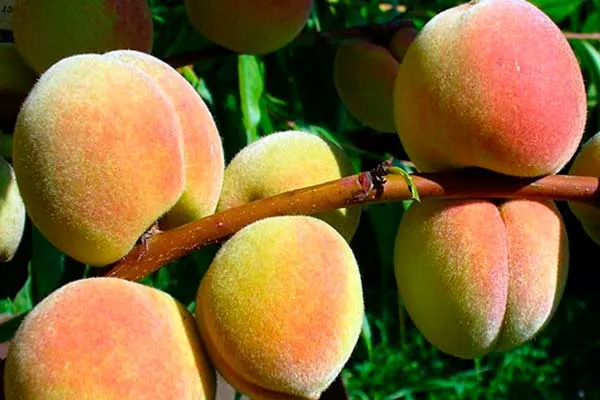
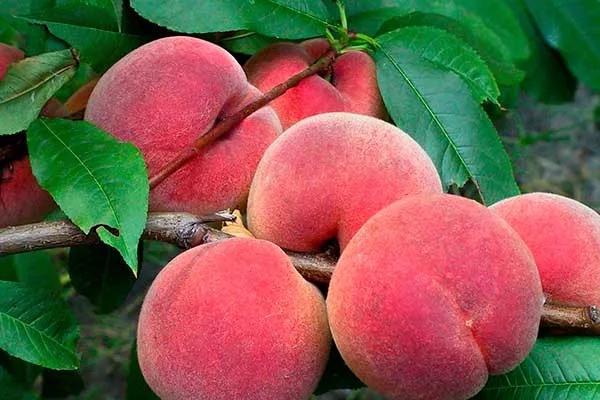
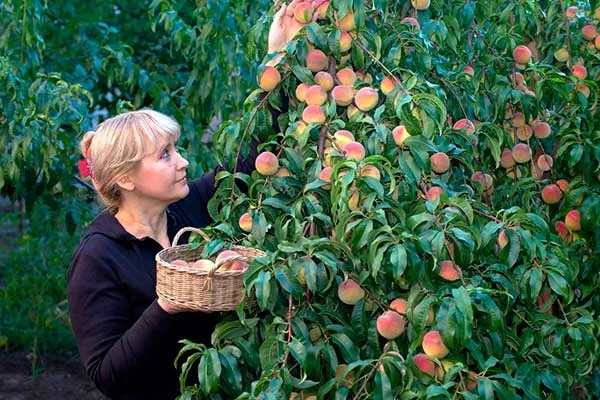
The Siberian belongs to the large-fruited variety. Ripe peaches weigh between 200 and 240 grams. They have a regular, round shape with a loose, lightly pubescent surface. When ripe, they acquire an attractive yellow-red color, with a distinct red-pink blush on a yellow background.
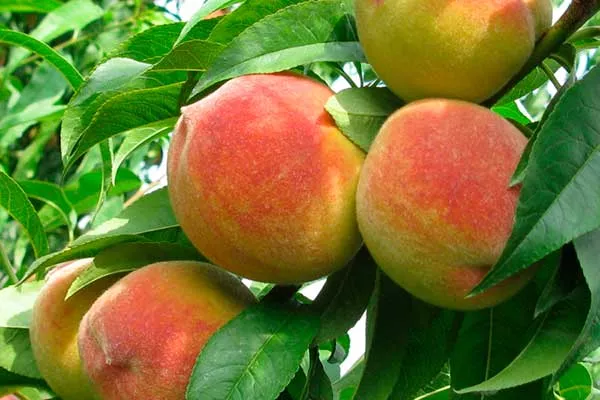
The peel is moderately thick, uneven, and matte. The fruit is versatile: eaten fresh, used in cooking, processed, and preserved. They are prized for their excellent flavor. The pale yellow flesh has a slightly fibrous, tender, dense, and very juicy texture.
Beneficial properties
Siberian celery is rich in vitamins A, C, and E, which are powerful antioxidants and help maintain healthy skin, hair, and nails. It's also rich in potassium, iron, magnesium, and other trace elements that support heart function and normalize metabolic processes.
Other useful properties:
- Beneficial fiber improves digestion and helps prevent constipation.
- It's low in calories, making it an ideal choice for those watching their figure. 100 g contains only about 39 kcal, yet it satisfies the body's vitamin and mineral needs.
- Thanks to its high vitamin C content, it helps strengthen the immune system. It actively fights infections, strengthens tissues, and stimulates collagen production, which is essential for healthy skin.
- Regular consumption of peaches boosts immunity, protects against viral and infectious diseases, and improves vision and skin condition.
By including peaches in your diet, you can maintain and improve the overall health of your body.
Ripening and fruiting
Characterized by a medium ripening period. The tree begins bearing fruit in the 2nd or 3rd year after planting and continues to produce for 15 years. Fruit ripening begins on August 10th-14th and continues until early September. Fruiting is consistent and annual.
Productivity
It is characterized by excellent productivity, which increases with age. On average, a single tree yields up to 44 kg of fruit per season. In the first fruitful year, this figure is around 20 kg, and in the fourth or fifth year, gardeners harvest up to 50 kg.
Self-fertility and the need for pollinators
It is a self-fertile variety, so pollinators are not necessary for a successful harvest. However, in practice, planting donor trees nearby to ensure cross-pollination can positively impact yield.
Frost resistance and the need for shelter
It is distinguished by its high winter hardiness and the ability to withstand temperature drops down to -20…-30°C, without requiring winter shelter.
Resistance to diseases and pests
Siberian has a strong immune system, so it rarely gets sick. If not properly cared for, it can be susceptible to diseases such as clasterosporium, powdery mildew, leaf curl, and fruit rot.
Peach can be attacked by pests: aphids, codling moths, weevils and spider mites.
Varieties of Siberian
| Name | Frost resistance | Productivity | Ripening period |
|---|---|---|---|
| Gold | High | High | Average |
| Pink | High | Average | Early |
There are currently several popular varieties of Siberian peach. Each has its own unique characteristics and features. Both varieties are noted for their excellent taste and frost resistance:
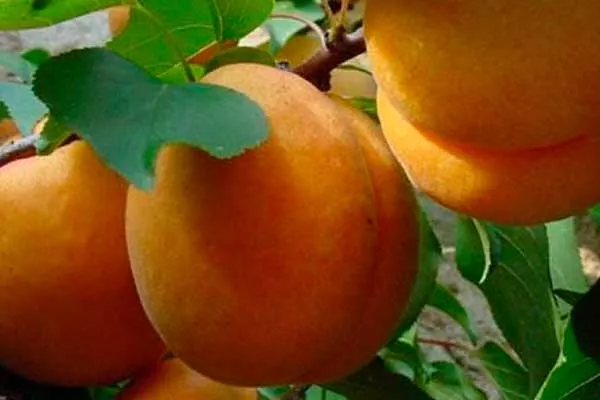
- Gold. Characterized by large, round fruits with bright yellow skin, the flesh is juicy and sweet. It demonstrates high yields and adapts well to the Siberian climate.

- Pink. Distinguished by its beautiful pink skin, the medium-sized, oval-shaped fruits have sweet, juicy flesh and a pleasant aroma. This variety is well adapted to the cold climate of Siberian regions.
Planting a peach tree in open ground
Growing the crop isn't particularly difficult. Both novice and experienced gardeners can handle the process. It's important to follow certain guidelines.
What time to plant?
Plant seedlings in the spring, when the danger of late frost has passed and the soil has warmed up well. The optimal time for planting outdoors is from mid-April to early May.
Selecting a location and preparation
Choose sunny locations with well-drained soil. South-facing slopes or areas protected from cold winds are best. Avoid low-lying areas where water can stagnate. Prepare the site by removing weeds and digging the soil to a depth of 30-40 cm.
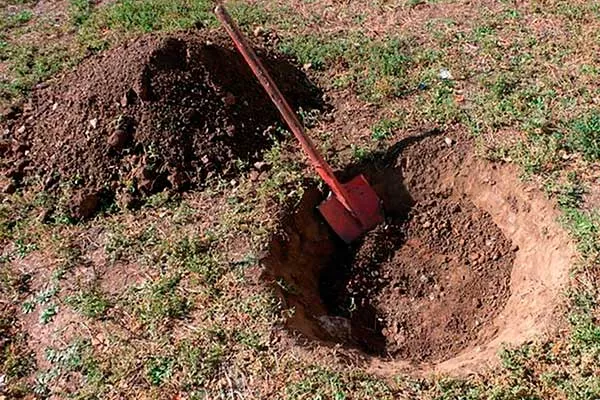
Enrich the soil with organic matter (humus, compost) and, if necessary, add lime if the soil is acidic. Check the soil pH; peaches prefer neutral or slightly acidic soil (pH 6-7).
Preparation of planting material
Purchase seedlings with a well-developed root system. Choose healthy plants without signs of disease or damage.
Before planting, soak the roots in water for 2-3 hours to moisten them. If the seedlings were in containers, remove them carefully to avoid damaging the roots.
The process of planting a seedling
Dig a hole 60-70 cm in diameter and 50-60 cm deep. The hole should be wide enough to accommodate the seedling's root system. Place a drainage layer of gravel or coarse sand at the bottom to prevent waterlogging. Add organic fertilizer and a little soil, mixing them in.
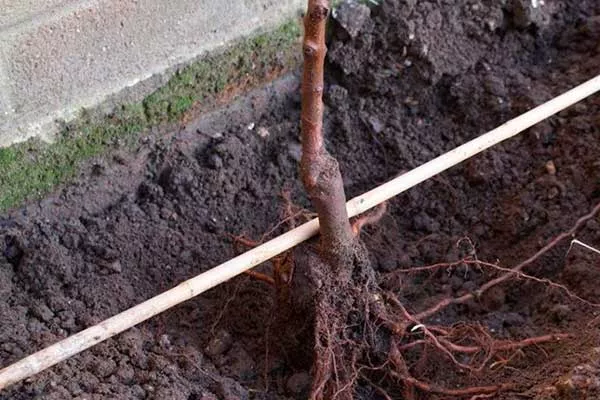
- ✓ The seedling planting depth should be such that the root collar is 3-5 cm above the soil level to prevent rotting.
- ✓ The distance between trees should be at least 4-5 meters to ensure sufficient space for the growth of the root system and crown.
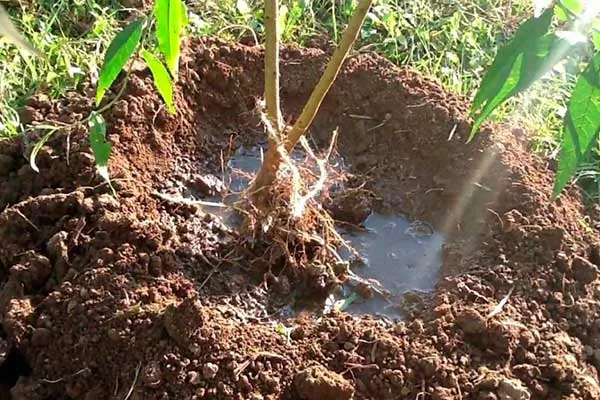
Place the plant in the center of the hole, spread the roots, and fill the hole with soil, compacting it gently. Make sure the root collar (the point where the roots meet the trunk) is level with the ground.
Water thoroughly to ensure the soil settles well and eliminates air pockets. After watering, mulch the area around the trunk to retain moisture and prevent weed growth.
Peach tree care
Caring for this crop doesn't require any special skills or experience. Even a novice gardener can handle it. The key is to follow simple agricultural practices.
Watering the peach tree
Provide the plant with regular moisture, especially during the fruiting period. Water according to soil moisture: water when the soil becomes dry.
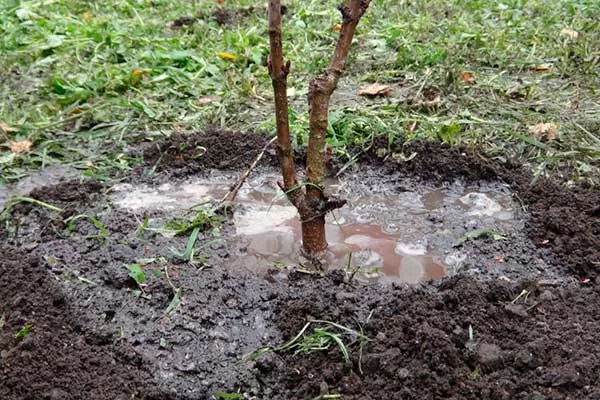
Avoid overwatering the soil. To do this, check the soil moisture beforehand using a moisture meter or simply by piercing the soil around the roots. If the soil is moist, no watering is necessary. Use room-temperature water, protected from sunlight.
Feeding the peach tree
Fertilize twice a year—in spring and fall. In spring, apply fertilizer before active growth begins. Use an organic fertilizer, such as humus or compost, to provide the plant with essential nutrients.
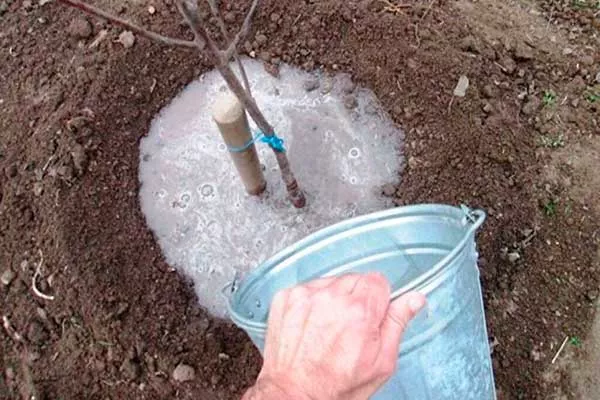
In the fall, prepare the tree for winter. During this period, provide the plant with nutrients. Use mineral fertilizers—general-purpose complex mixtures or manure.
Pruning a peach tree
Pruning a plant requires following certain guidelines. Follow them.
Popular questions:
- What time is pruning done?Carry out the procedure in spring or autumn.
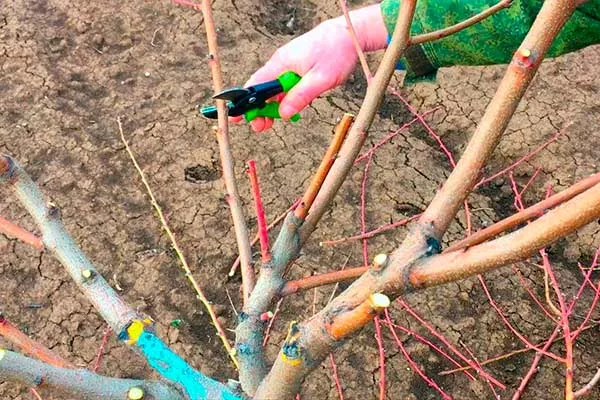
- How to prune a peach tree?Pruning involves removing old and diseased branches. Remove all dead and damaged branches. This helps prevent the spread of disease and improves the overall health of the tree.
Aim to create an open, ventilated crown. Remove crossing branches and those growing inward to ensure uniform light and air circulation. Prune shoots by a third of their length to encourage the formation of new, more productive branches.
On a young tree, leave a few main branches to form the foundation for the future crown. Remove competing shoots and regulate their growth to ensure even distribution. - Pruning peach trees in spring. Prune before the sap begins to actively flow and the buds begin to swell. This helps the tree recover more quickly and begin active growth. Remove all old, diseased, and damaged branches, and reduce new shoots by a third.
Shape the crown, ensuring proper distribution of branches and access to light. - Pruning peach trees in autumn. Prune after harvest and leaf fall. The main goal of fall pruning is to remove old and damaged branches, as well as those that interfere with the development of healthy shoots.
Remove all weak and unnecessary shoots to improve the crown structure and prepare the tree for winter. Avoid pruning too late to avoid active growth, which could be damaged by frost.
Pest and disease control
Despite its strong immunity, the crop can suffer from fungal diseases such as moniliosis, leaf curl, powdery mildew, clasterosporium, and fruit rot. It is also susceptible to pests, including aphids, codling moths, weevils, and spider mites.
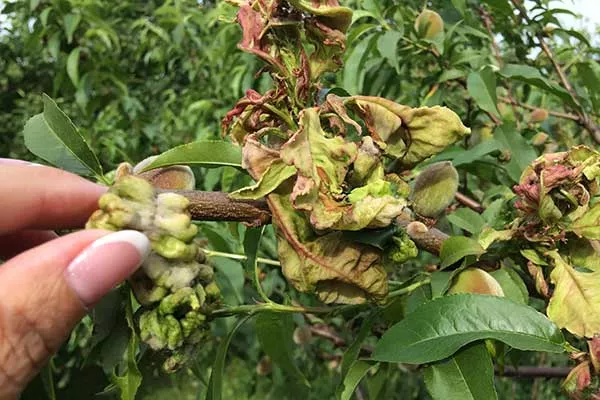
To prevent diseases and pests, follow these steps:
- Remove and destroy damaged shoots.
- After harvesting, remove all fallen leaves and fruit from under the tree.
- Burn dry and fallen leaves.
- Remove weeds around the tree.
- In spring, before the buds open, spray the plants with 3% Bordeaux mixture and insecticide.
- After the leaves appear, treat with combined fungicides.
- In the fall, when the leaves begin to change color, but before they fall, repeat spraying with Bordeaux mixture.
- In early spring, before the buds open, treat the tree with a 3% solution of Bordeaux mixture.
- After flowering, treat with a combined fungicide to prevent fungal diseases.
- In the fall, after the leaves have fallen, treat the tree with a 1% solution of copper sulfate.
After the leaves have fallen, treat with a solution of copper sulfate (1%) or urea (7%).
Collection and storage
Depending on climate conditions, the fruits ripen in late July or early August. A single tree can produce a stable and abundant harvest for 15 years. The peaches have firm flesh and skin, ensuring good shelf life.
Positive and negative qualities
Before planting a seedling on a plot, carefully study its advantages and disadvantages to avoid possible difficulties.
The only drawback is the need for pruning due to the rapid growth of shoots.
Reviews
The Siberian peach is a reliable choice for those who want to enjoy tasty, large fruits despite challenging climate conditions. Its frost resistance and low maintenance make it an excellent choice for growing in regions with harsh winters. Timely pruning and preventative measures will help achieve excellent results.