
Saturn is the name of a summer fig peach variety popular among Russian gardeners. It is prized for its early maturity and high yields, strong immunity, hardiness, attractive fruit appearance, and dessert-like flavor. It is of interest not only to private gardeners but also to farmers growing fruit for sale.
Information about origin
The variety was developed by American scientists in 1980. They succeeded in developing a drought-, cold-, and disease-resistant variety (leaf curl, holey spot, powdery mildew, moniliosis, and scab) with high yield characteristics. Read about other delicious and hardy peach varieties. Here.
The appearance of the tree
This peach cultivar is characterized by a robust root system and medium height. Its distinctive features are as follows:
- height - 2.5-4 m;
- spreading crown, not very dense, having a spherical shape;
- Foliage: lanceolate, green on the outside, grey on the inside, slightly pubescent.
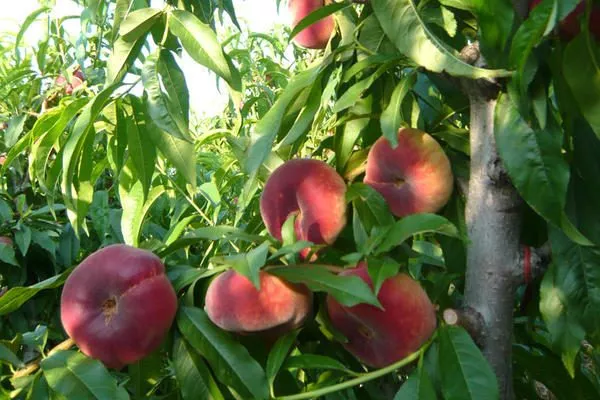
In April, the peach tree blooms. It produces numerous pale pink, fragrant buds with tall stamens. The foliage appears only after these buds have faded.
Fruits and their taste characteristics
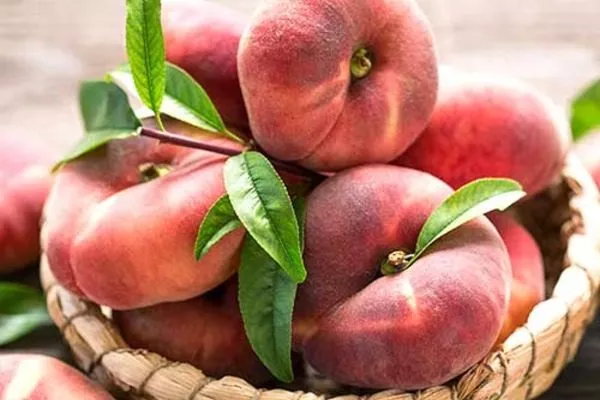
Saturn is famous for its unusual fruit, which resembles a fig in shape. It has the following characteristics:
- large sizes;
- weight - 90-140 g;
- flat-rounded shape, flattened at the top and bottom;
- strong short stalk;
- yellow covering color, almost completely hidden under a blush of a beautiful raspberry color;
- dense, but not tough skin, covered with fluff;
- fibrous, dense, cream-colored flesh, very juicy and aromatic;
- a small stone that is easily separated from the pulp.
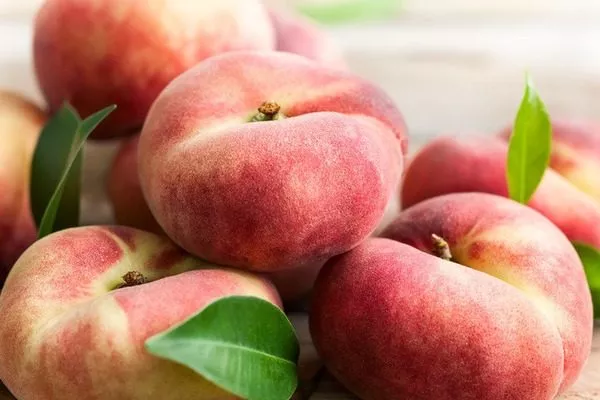
The taste of this fig variety is excellent. Its flesh is very sweet, juicy, and aromatic. It has a tasting score of 4.9 out of 5. This variety is considered a dessert variety.
Saturn peaches are not only beautiful and delicious, but also have a long shelf life. They can be stored for up to one week without losing their marketable appearance. Refrigerated storage extends the shelf life of the harvest to 12-14 days. They are suitable for long-distance transport.
The purpose of the fruits is universal:
- fresh consumption;
- home cooking (desserts, fruit salads, jam, jelly, marmalade, compote, pie filling);
- processing into juice, puree;
- canning;
- freezing (after defrosting, the fruits do not lose their shape, do not fall apart, and do not become bland in taste).
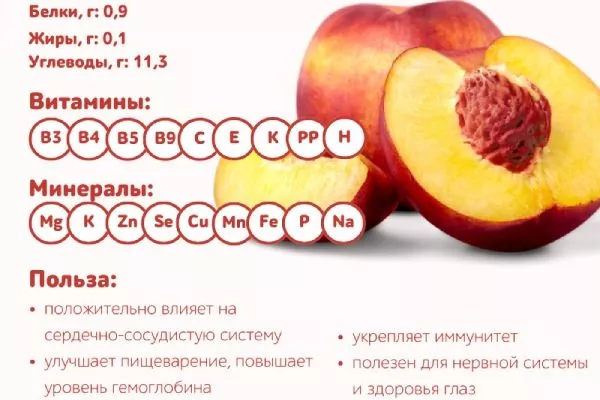
Peaches are most beneficial when eaten fresh. Their incredibly sweet flesh makes them a wonderful summer dessert. Figs are rich in vitamins, minerals, and beneficial fruit acids. Including them in your diet has several beneficial effects:
- restoration of the condition of skin, hair, nails;
- strengthening the immune system;
- relief of anxiety and nervous tension;
- increasing vitality;
- improved mood.
Ripening period, self-fertility and yield
Plants of this variety begin bearing fruit 2-3 years after planting in the garden. They are characterized by a mid-late ripening season. The first fruits ripen after July 25th. The mass harvest of peaches occurs in the first half of August. A tree yields up to 49 kg per season (the maximum yield is 60 kg).
Gardeners recognize the following as the best pollinating neighbors for it:
- Redhaven;
- July;
- Canadian Harmony;
- Sancrest.
Frost resistance and the need for shelter
Saturn is known for its frost resistance. It can withstand temperatures down to -25°C. Despite its cold tolerance, young peaches require winter protection. Trees growing in areas with little snow and harsh winters also require this protection. In the south, the plant overwinters without insulation.
Requirements for soil and climatic conditions
The Saturn peach can grow and bear fruit in areas with cold winters. Its increased frost resistance allows for this. The variety produces the best results when grown in milder climates. It thrives in the southern regions of Russia and Crimea. It is also successfully grown in regions with a temperate climate.
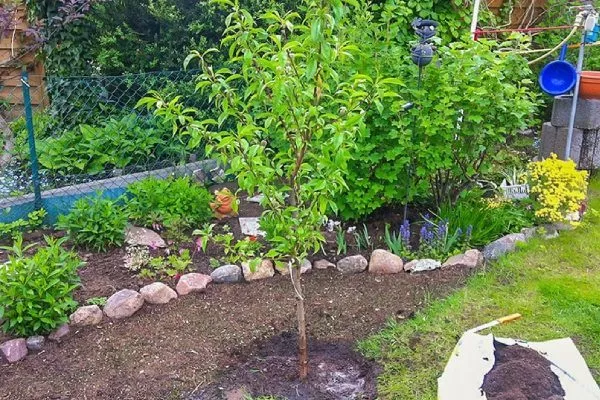
To ensure your Saturn peach tree remains disease-free and produces abundant harvests, select a plot of land in your garden that meets these characteristics:
- solar;
- windless;
- protected from drafts;
- located in the southern or southeastern part of the site;
- located on a hill with deep groundwater;
- planted away from tall buildings and objects that would cast a dense shadow on the peach;
- with black soil or sandy soil, enriched with humus, loose, air- and moisture-permeable, fertile, with neutral or low acidity.
Planting and caring for a fig peach tree
Don't rush planting a Saturn sapling in the spring. The tree will take root better if you wait until the weather is consistently warm (10°C or higher) and the threat of frost has passed. The best time is late spring. You can also plant a peach tree in the garden in mid-autumn.
- ✓ The depth of the drainage layer made of broken brick or expanded clay is 15-20 cm
- ✓ Ratio of nutrient mixture components: garden soil 50%, humus 30%, river sand 20%
- ✓ Mandatory application of 200 g of superphosphate and 100 g of potassium sulfate per hole
When planting, stick to a 4x4 m pattern. Follow these step-by-step instructions:
- Dig up the area. Prepare a hole 60 cm deep.
- Fill it 1/3 with wood ash mixed with compost and garden soil.
- Water the hole. Drive a long stake into the moistened soil. This will serve as support for the seedling.
- Place the peach tree in the center of the hole. Spread out its roots and cover them with soil.
- Water the tree. Water consumption: 20 liters.
- Mulch the soil under the peach tree with sawdust, mown grass, non-acidic peat, dry leaves or compost.
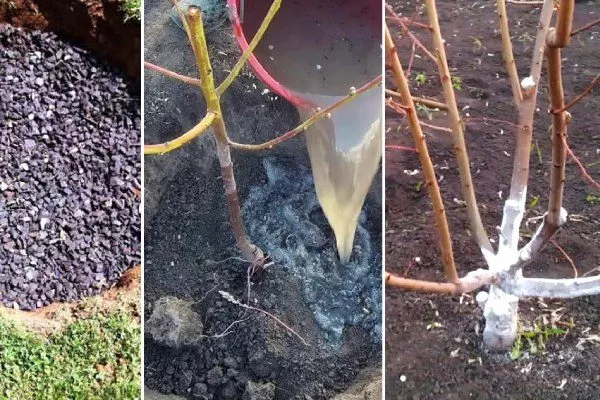
After planting, remove all branches from the Saturn sapling, leaving the three strongest and healthiest. This procedure is not necessary for fall planting. Prune the young peach tree the following spring.
To ensure the fig tree develops properly and bears fruit abundantly, care for it properly:
- Water your peach tree regularly. Before flowering, apply 30 liters of water per plant per week (the recommended amount for dry weather). After flowering, reduce watering. After fruit set, reduce watering to a minimum until harvest.
- After watering and rain, loosen the soil around the tree trunk. Don't forget to weed.
- In the first year of a seedling's life, pick off all its buds during flowering to direct all the plant's energy towards its development.
- In autumn and spring, carry out sanitary pruning, removing all dried, broken, frozen and diseased shoots from the peach tree.
Crown trimming
This variety requires crown shaping to maintain the tree's health and productivity. Follow the procedure as outlined below:
- cut all branches to 2-3 buds;
- free the leading shoot from the lateral shoots, maintaining a distance of 30 cm between them;
- trim the top so that the height of the tree does not exceed 1.5 m.
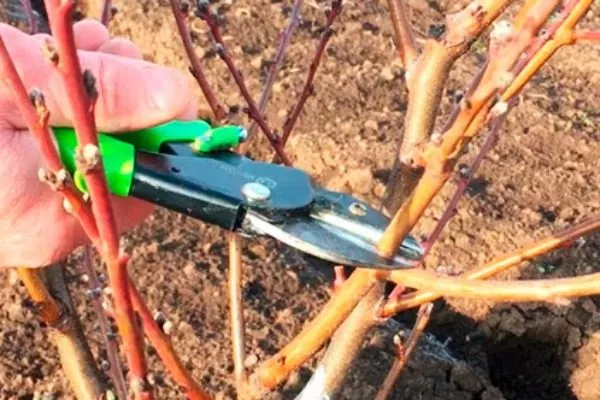
A strong crown has branches that easily support the weight of the fruit, and shoots that grow horizontally. When first pruning a fig peach, remove any branches with sharp angles. The crown should appear low. Continue pruning any new shoots that grow.
Perform the manipulation on a warm, sunny day. Disinfect the instrument. Treat the cuts with garden pitch. correct pruningIf the peach tree receives treatment during the first 2-3 years of its life, it will no longer need this procedure. Sanitary and rejuvenating techniques will be sufficient.
Fertilizing Fig Peach
During the first two years of its life, a young tree doesn't require fertilizing. The nutrients added to the soil during planting are sufficient. Fertilize a three-year-old peach tree twice per season:
- in spring;
- in the summer.
Use complex mineral fertilizers for top dressing. If desired, you can also fertilize your peach tree in the fall using organic matter (slurry, bird droppings) mixed with superphosphate.
- Early spring (before bud break) – ammonium nitrate 150 g/tree
- Flowering phase - foliar feeding with boric acid 0.1%
- June - 100 g of potassium nitrate, incorporated into the soil
- September - 200 g of superphosphate and 500 g of wood ash
Harvesting the Saturn fig peach
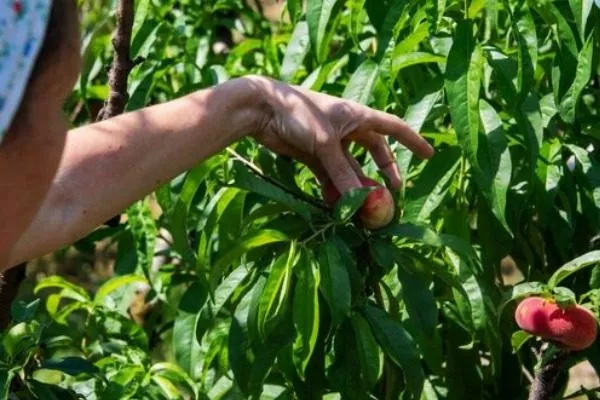
Pick peach cultivars a couple of days before they're fully ripe. Harvest in the morning before the heat sets in. When removing the fruit from the branches, be careful not to damage the skin.
Protecting the Fig Peach
Take protective measures to protect your trees from peach leaf curl and bacterial infections. Despite strong immunity, unfavorable weather and inadequate care can trigger the disease. For preventative measures, treat the crown with copper sulfate twice a year:
- early spring;
- in late autumn after the leaves have fallen.
Positive and negative qualities
The Saturn fig peach variety is in high demand among domestic gardeners due to its many inherent advantages:
Experienced gardeners don't find any significant downsides to this variety. The disadvantages that novice gardeners encounter when growing fig peach include:
Reviews
The Saturn peach is beloved by Russian gardeners for its excellent yield and resistance to disease and cold. The unusual and beautiful appearance of its fruits, reminiscent of figs, and their excellent flavor have generated increased interest. Adherence to proper cultivation practices is essential to reap a bountiful harvest of delicious and healthy fruit.