
Saratovsky ranniy is a popular peach variety with many attractive varietal characteristics. It combines high yield, excellent flavor, and low maintenance, making it ideal for growing in a variety of climates. Proper care and proper agricultural practices are essential.
Description of the variety
With proper care, the plant will delight you with juicy fruit for many years. Harvesting begins as early as early August. This variety is renowned for its excellent yields—one tree produces approximately 60 kg of fruit per season.
The appearance of the tree
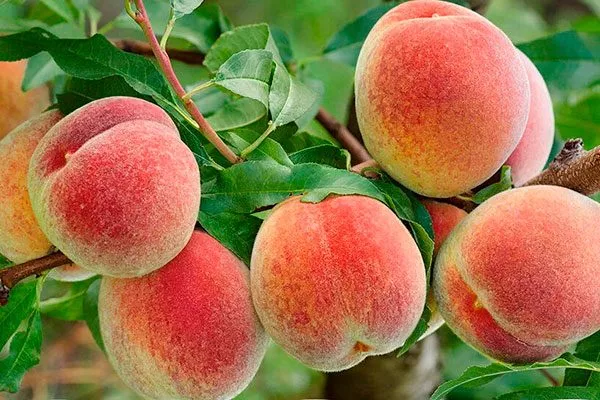
The Saratov Early peach is a low-growing tree with a bushy crown. In spring, delicate pink flowers adorn it, adding a decorative touch.
Fruits and their taste characteristics
Culture has many distinctive qualities. Among them are the following:
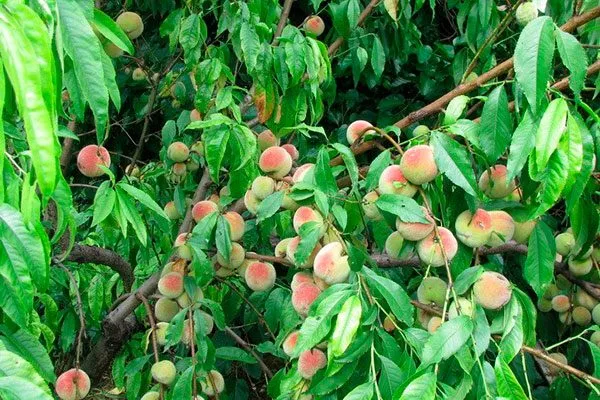
- Fruits – small in size, round-broadly oval in shape, slightly flattened at the poles.
- Peel – pale yellow, with a slight blush on one side.
- Weight - The weight of one fruit is about 100 g.
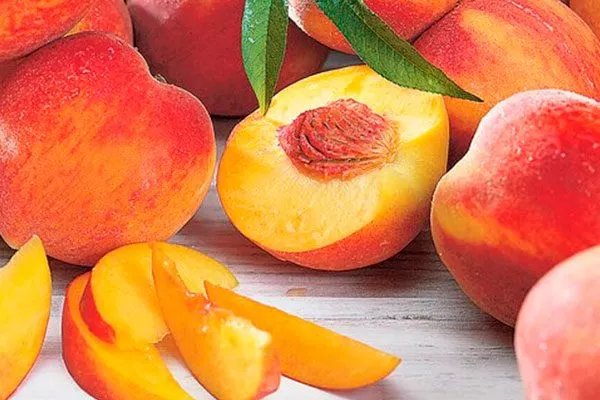
- Pulp – dense and juicy, creamy in color, with a sweet dessert taste and pleasant aroma.
Care and cultivation
Planting a peach tree requires careful attention to certain steps to ensure healthy growth and a bountiful harvest. Follow these instructions:
- The plant prefers a sunny, wind-protected location. Choose a site with a southern or southwestern exposure. Avoid low-lying areas and areas with standing water to prevent root rot.
- The soil should be fertile, light, and well-drained. Check the soil pH. Peaches prefer slightly acidic or neutral soil with a pH of 6.0-7.0.
- In the fall, before planting, add organic matter such as compost or well-rotted manure to the soil to improve its fertility.
- Dig a hole 50-60 cm deep and wide. If the soil is poor, make the hole deeper and wider.
- Place a 10-15 cm thick drainage layer (pebbles, broken brick) at the bottom of the hole.
- Mix the excavated soil with organic fertilizer (compost) and mineral composition (superphosphate).
- Check the seedling's root system. Remove any damaged or dry roots. If the roots are dry, soak them in water for several hours before planting.
- Place the seedling in the center of the hole, carefully spreading out the roots. The root collar should be level with the soil surface or slightly higher (2-3 cm).
- Fill the hole with the prepared soil mixture, periodically compacting the soil to eliminate air pockets.
- After filling the soil, create a watering circle (a mound of soil around the tree). Water the seedling generously with 20-30 liters of water to ensure the soil adheres tightly to the roots and fills all voids.
- Mulch the area around the seedling with a 5-7 cm layer of organic mulch (such as straw, compost, or rotted leaves). This will help retain moisture and suppress weed growth.
- If the seedling is tall and thin, install a support (stake) next to it and tie it up to protect it from the wind.
- Water the seedling regularly, especially in the first year after planting, to maintain soil moisture, but avoid over-watering.
- During the growing season, feed the tree with complex fertilizers, alternating organic and mineral fertilizers.
- After planting, prune the seedling to a height of 60-80 cm to stimulate lateral growth and crown formation. In subsequent years, prune annually to remove weak, damaged, and crossing branches.
- ✓ Check the groundwater level before planting; it should be no higher than 1.5 m from the surface.
- ✓ Make sure the area is not susceptible to spring frosts, which can damage the flowers.
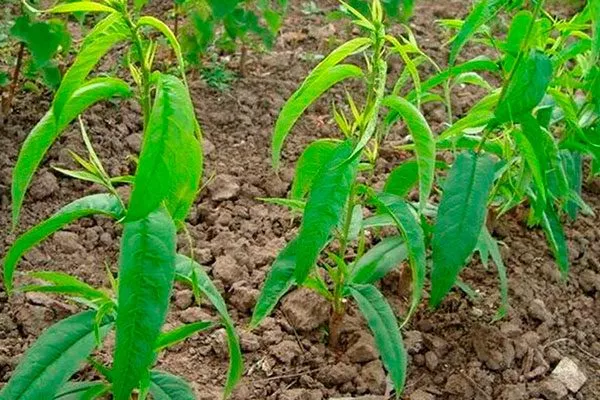
The crop has good winter hardiness, withstanding temperatures down to -37°C, which allows it to be grown in various regions.
Reviews
The Saratov Early peach is an excellent choice for gardeners seeking a consistent, high-quality harvest of delicious fruit. Its high winter hardiness, low maintenance, and disease resistance make this variety ideal for growing in a variety of regions. By following proper cultivation practices, you can ensure high-quality fruit.