
The Redhaven peach is a leading fruit crop in the United States, accounting for over 50% of all peach plantings. This variety has served as the basis for the development of numerous hybrids. Redhaven's popularity is due to its rich flavor, aroma, and ease of care.
Breeding data
The variety was developed in 1940 in Michigan. Its creation was the result of years of work by American breeders who crossed the Halehaven peach with the Culhaven. This breeding process resulted in the Redhaven, which is now widely cultivated commercially in the United States, Canada, and Europe.
The appearance of the tree
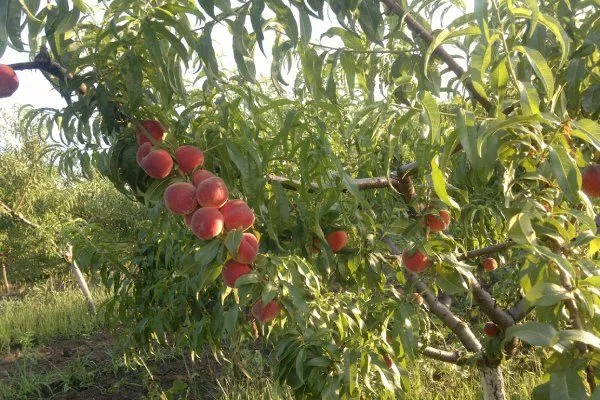
This variety is characterized as a tree of considerable height. Individual specimens reach 480-500 cm, and their broad crown can extend 800-1000 cm in diameter. Due to this massive size, cultivation in a small garden becomes challenging.
But there is a way out of this situation: to create more compact forms of Redhaven, grafting is done on dwarf rootstocks or almonds.
Other varietal characteristics of the giant tree:
- The root system is branched and deep.
- The bark on mature branches has a brown tint, and on the sunny side it can acquire purple notes.
- The average growth is about 45-55 cm, and the shoot diameter is approximately 5-6 mm. Internodes are of medium length.
- The shoots usually grow horizontally, which gives the crown a spreading appearance.
- Due to the variety's tendency to produce large amounts of fruit in late summer, support for the main branches may be required.
- The crown has medium foliage density.
- The leaf blades are dark green, large, lanceolate, and moderately wavy. They are soft to the touch, not rough, with a distinct central vein and finely serrated edges.
- Redhaven flowers are bell-shaped and small (approximately 1.5-2 cm in diameter), consisting of five petals of a soft pink hue with an orange center.
- Fragrant buds form on one-year-old shoots and are resistant to spring frosts.
Fruits and their taste characteristics
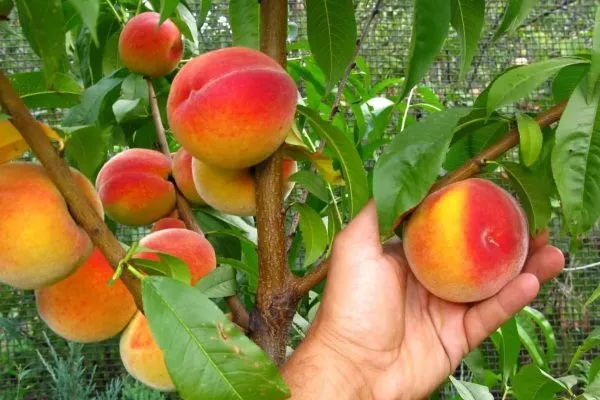
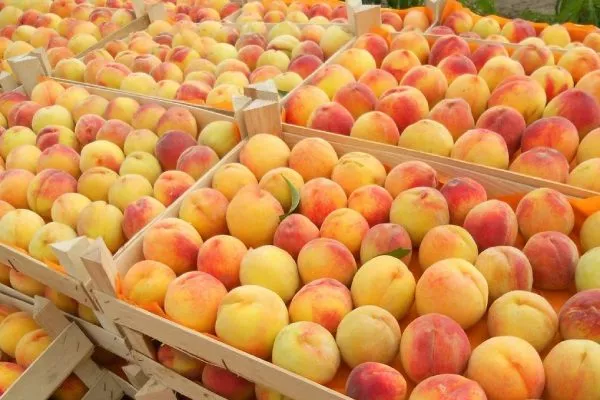
The American peach variety produces medium to large-sized fruits, averaging 70 mm in diameter and weighing between 110 and 170 g. Each fruit has a smooth, slightly asymmetrical, round-oval shape with a small dimple at the top and sometimes a barely noticeable bump.
Please pay attention to other indicators:
- The ventral suture is shallow, the funnel is of medium depth and width.
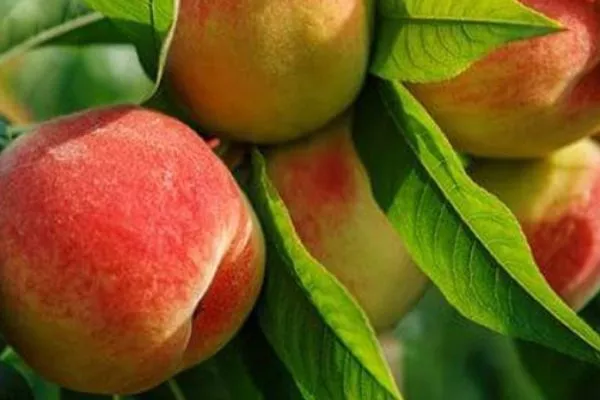
- The skin of the fruit is hardened, colored a rich yellow with a blurred bright red blush that covers more than half of the fruit.
- The pubescence on the surface is light and soft.
- The pulp has a yellowish hue with raspberry veins, is soft, has a slightly fibrous texture, is juicy and slightly dense.
- The reddish stone inside the fruit is easily separated from the pulp, large and with a pointed end.
- Characterized by a unique and unforgettable taste that is perfectly balanced. It combines sweetness with a lack of sourness and excessive cloyingness, which harmonizes with its rich fruity aroma.
Scope of use
Peaches have a wide variety of uses: they are eaten fresh, used in baking and compotes, canned, and processed into jams, preserves, marmalades, and juices. The crop tolerates long-distance transportation well.
Ripening and fruiting
Flowering begins as early as the plant's third year. This variety can live up to 40-60 years. With regular pruning and renewal, Redhaven produces fruit throughout its entire growing season, reaching peak productivity by its tenth season.
Redhaven is a mid-early peach variety. Its later flowering (from April 20-25 to May 15-20) allows for the first fruits to be harvested as early as July 20.
Productivity
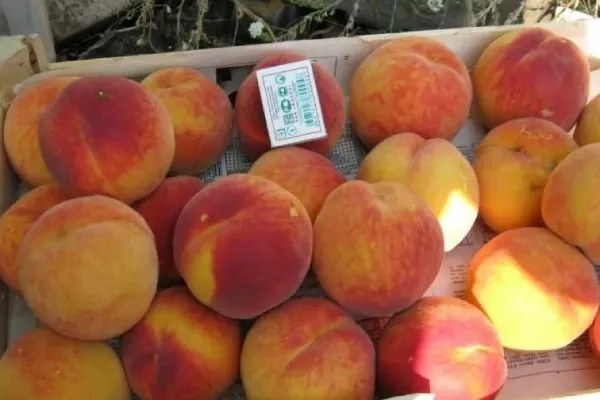
Redhaven's productivity is impressive. By the fifth season, fruit yield reaches over 20 kg per tree, but the yield increases with age.
On average, one adult plant can produce 40 to 50 kg of fruit per season, while a fifteen-year-old tree can produce up to 100 kg of fruit.
Self-fertility and pollinators
This peach variety's self-fertility is an undeniable advantage, allowing it to be grown solely on one variety per garden. However, professional gardeners believe that introducing pollinators to the area can significantly increase productivity, achieving a 20-40% increase.
- ✓ Resistance to spring frosts due to late flowering.
- ✓ Self-fertility, but with increased yield in the presence of pollinators.
Drought and frost resistance
The variety's excellent drought tolerance is worth noting. However, the Redhaven peach does not tolerate drafts and strong winds.
Its frost resistance is average, although it can withstand temperatures as low as -20°C to -25°C. In southern regions, winter shelter is not required—the tree easily tolerates spring frosts.
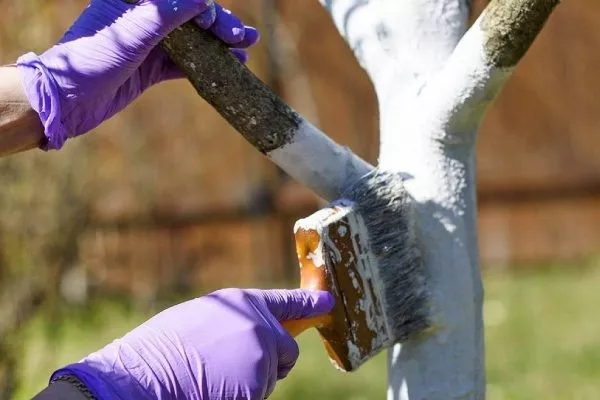
In regions with a risk of severe frosts, plants are prepared for winter as follows:
- mulch the soil in the tree trunk area;
- insulate the trunk and branches with soft garden material;
- protect the bark from rodents by tying the tree with a metal mesh.
Soil and climate requirements
The Redhaven peach is a heat-loving variety and can easily withstand long periods of dry and hot weather, making it suitable for cultivation in steppe zones with a dry climate. However, this plant does not tolerate excessive humidity, cold drafts, or strong gusts of wind.
To achieve maximum yield, peach trees prefer fertile, well-aerated, and moist soils with low acidity. Loamy soils are ideal.
Features of cultivation
Following planting rules is a key step in obtaining high-quality and large fruits of the Redhaven peach variety.
- ✓ The depth of groundwater should be at least 1.5 m to prevent root rot.
- ✓ The optimal soil pH for the Redhaven peach is 6.0-7.0. Apply lime if necessary.
Selection and preparation of planting material for propagation
It's recommended to purchase seedlings from specialized nurseries located in your region. This ensures they're adapted to local climate conditions, and that nursery staff have already performed the necessary initial pruning, significantly increasing the likelihood of successful rooting.
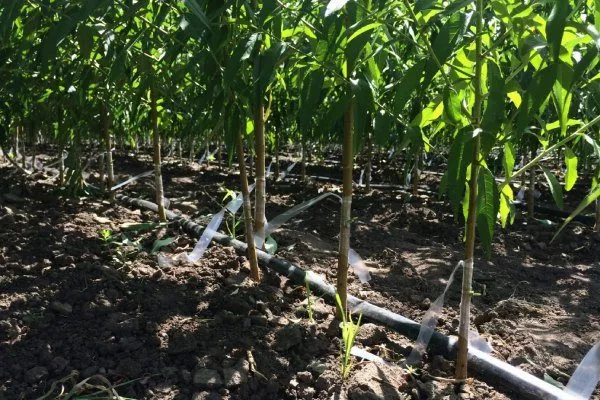
When selecting Redhaven seedlings, consider the following:
- give preference to annual plants;
- the roots should be elastic, without signs of rot or damage;
- the root neck should be smooth, without thickenings;
- The trunk should be straight and well developed.
You can also grow seedlings from this variety yourself, and there are several ways to do this:
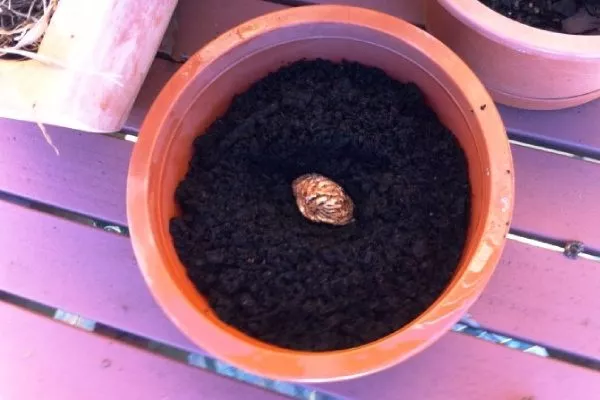
- Seed method. It doesn't require any special skills, but you'll have to wait at least five years for fruit to appear. Only freshly harvested seeds are suitable for propagation. Long-term storage (more than a year) significantly reduces their germination rate.
 The reproduction process includes the following stages:
 - five-day soaking of seeds;
- their splitting and extraction of the seed;
- germination at home;
- planting the kernels in the soil and replanting.
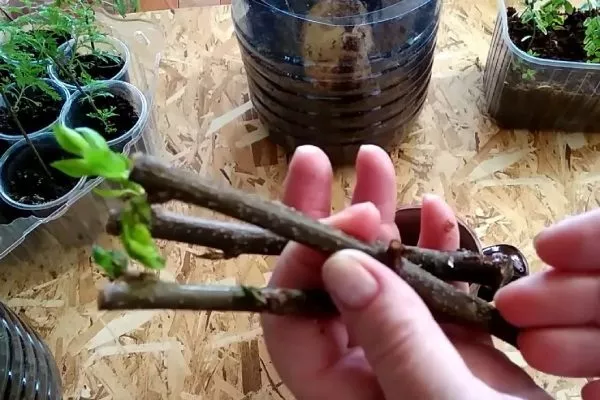
- Cuttings. The harvest will appear in three years, but the seedlings require specific conditions for successful rooting. This variety can be propagated by both woody and green cuttings, which are taken in the summer or during fall pruning. The process is standard for fruit trees.
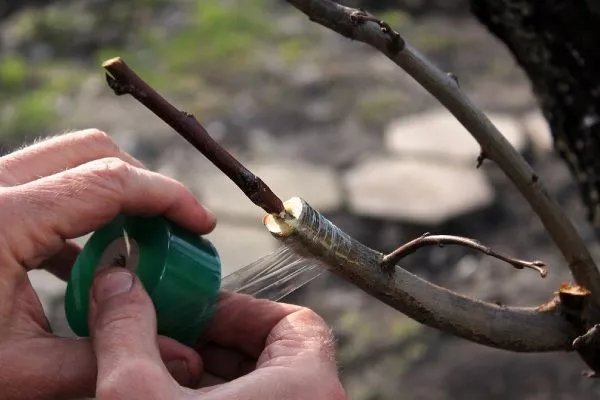
- Graft. Budding of different plant varieties and species improves crop quality and allows varieties to better adapt to a variety of conditions, but choosing the right scion and performing all the necessary operations requires specialized knowledge and skills.
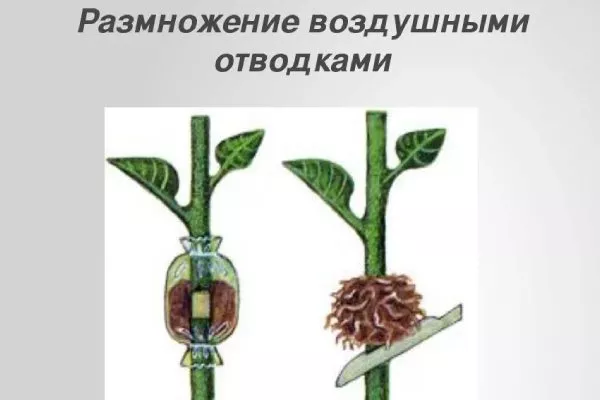
For the Redhaven peach variety, summer bud grafting into the central part of the crown is preferred. The most accessible method of grafting involves transferring a bud to a branch of a mature tree. Plum, quince, felt cherry, or wild apricot are commonly used as the base graft. - Air layering. An easy and accessible method for beginning gardeners is propagating the Redhaven peach variety. Two-year-old branches are pruned around the base and covered with a plastic bottle filled with loose, nutrient-rich soil. After the roots have formed, replant. The procedure is identical to propagating by cuttings.
Planting dates
The optimal planting period occurs when the soil and air warm up to +10…+15°C. When planting in the fall, weather conditions must be taken into account – seedlings should be planted 35-45 days before the expected frost.
Planting time for Redhaven peaches varies depending on climate conditions: in southern regions they are planted in the fall, while in temperate zones it is preferable to do this in the spring.
Preparing the soil and planting site
The Redhaven variety isn't particularly demanding in terms of soil quality, but it doesn't tolerate acidic or waterlogged soils well. It should be planted in a sunny, wind-free location, as the brittle wood can be damaged by strong winds.
Experienced gardeners advise against planting peaches immediately after crops such as nightshades, melons, or strawberries. Planting holes should be prepared in advance, allowing at least two weeks for preparation.
Rules:
- Due to the wide spreading habit, leave a space of 6-7 m between the trees.
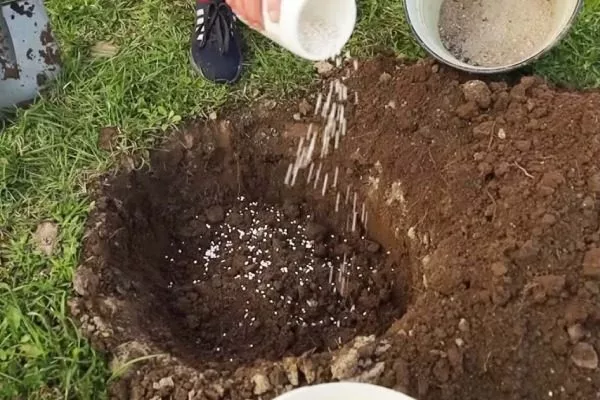
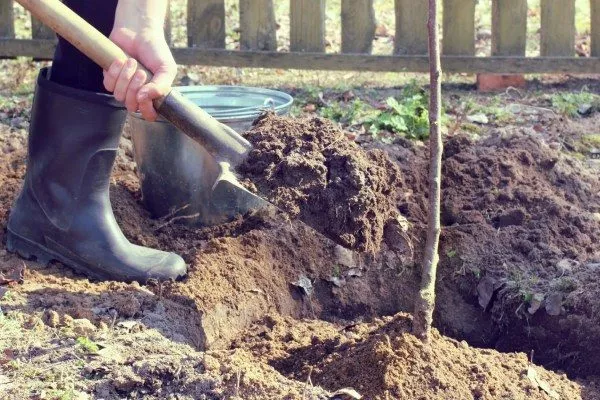
- The planting holes are made approximately 70-80 cm in diameter and 100-110 cm deep.
- A 10-12 cm layer of drainage is placed on the bottom, after which it is filled 1/3 with fertile soil and fertilizers.
- In poor soils, add at least 8-10 kg of compost or well-rotted manure to the hole. Organic fertilizers are not used on more fertile soils.
Sequence of planting seedlings
Redhaven is planted according to the standard scheme:
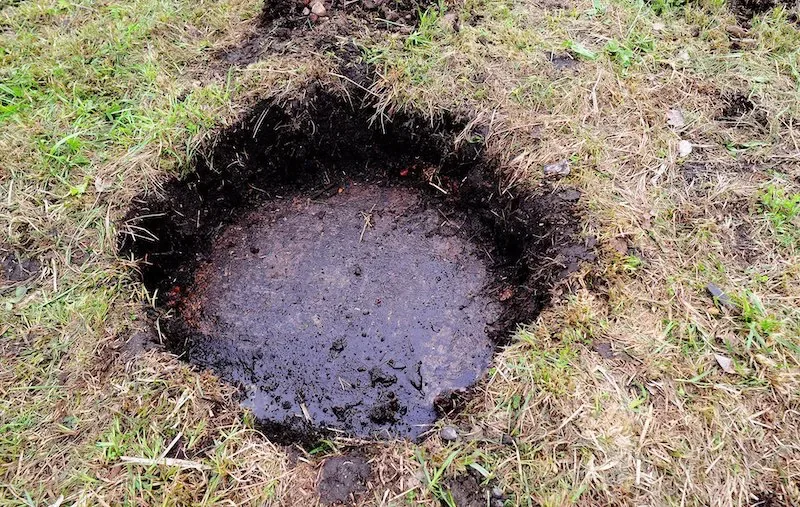
- Pour 20 liters of water, which should be settled and warm, into the pre-prepared holes.

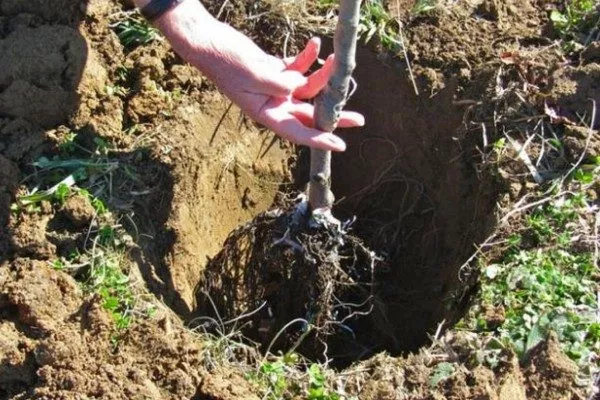
- After the liquid has been absorbed, place the seedling in the center of the hole, carefully straightening the root shoots.
- Fill the hole with a fertile soil mixture prepared in advance. Make sure the grafting site is 5-7 cm above ground level.
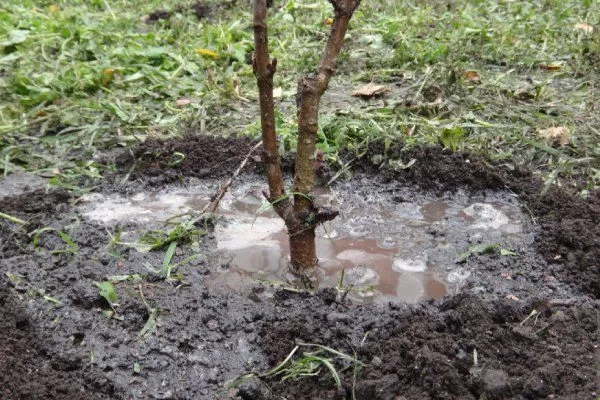
- After filling the hole, water the plantings thoroughly, using at least 30-35 liters of water per tree.
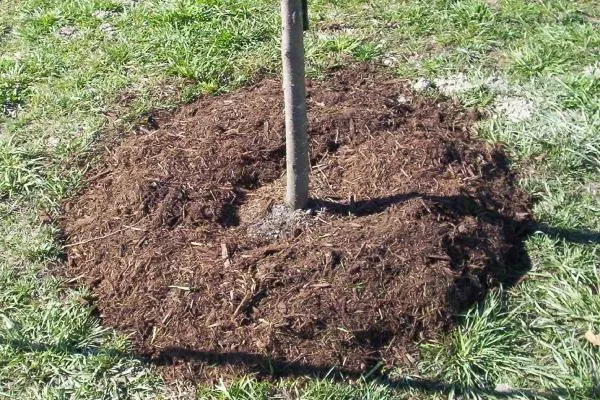
- After watering, mulch the tree trunk circle with a layer of compost or peat to retain moisture.
Care
Although the Redhaven peach is often associated with being demanding in terms of heat and care, it is not particularly difficult to grow, even when planted in large quantities.
Moisturizing and processing
There are two key times during the year when plants require additional moisture:
- at the beginning of the growing season and during the activation of shoot growth;
- during the period of ovary formation after the buds have faded.
Rules:
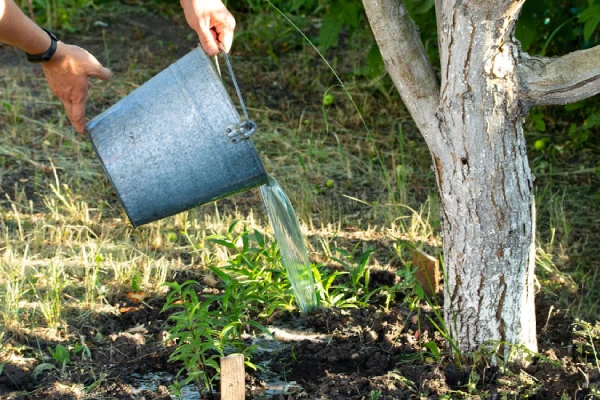
- The recommended watering rate is 20-25 liters per tree.
- In conditions of prolonged drought, moisture is needed when the fruits are ripening.
- Water not at the trunk itself, but in specially prepared grooves located along the edge of the crown, but not closer than 50-60 cm from the plant.
- To retain moisture and provide air access to the roots, loosening the soil and mulching are recommended.
Top dressing
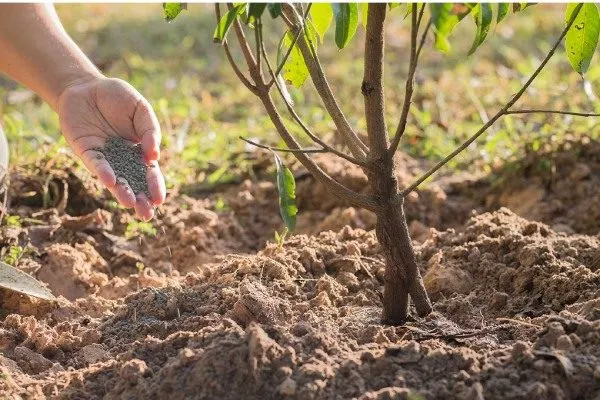
After irrigation or rain, it is recommended to add liquid fertilizers:
- In the spring Focus on mixtures rich in nitrogen and phosphorus.
- In summer Give preference to Superphosphate.
- In the fall Switch to using complex mineral preparations or mulch with humus around the tree trunks.
Foliar feeding is also recommended, as it not only provides additional nutrition to the peach trees but also acts as a barrier against diseases and pests. Spraying with a urea solution before active sap flow begins is recommended.
Every three years, add rotted manure or leaf compost to fruiting trees. If the soil is rocky, sandy, or clayey, repeat this procedure annually.
Trimming
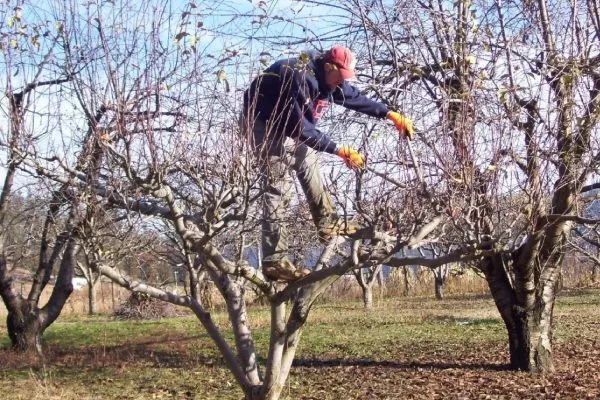
Redhaven grows rapidly, gaining up to half a meter in height per year. Therefore, to maintain its shape, pruning is necessary twice a year – in spring and fall.
When choosing a cup-shaped crown shape, it is necessary:
- in the first year, leave 3-4 strong shoots, cut off the rest;
- the following year, shorten the central shoot and form a cup-shaped crown;
- shorten annual shoots by a third of their length;
- remove branches growing horizontally and inside the bowl.
Sanitary pruning for the Redhaven variety is performed every spring, removing frozen branches and shortening long shoots by 10-15 cm to prevent fungal diseases. For rejuvenation, it is recommended to shorten all shoots by two-thirds of their length.
Diseases and pests, control methods and prevention
The main problems that threaten Redhaven peaches are:
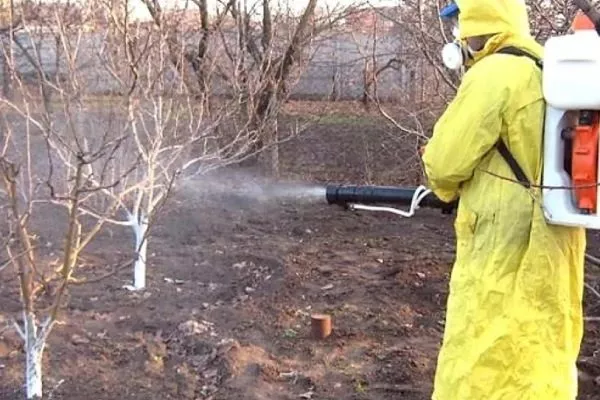
- Leaf curl – This is a fungus that manifests itself as lesions, red swellings, and resinous secretions on the foliage. To combat it, spray the crown with copper sulfate, then use Horus, and after flowering, Polycarbacin.
- Moniliosis – Symptoms include damaged leaves, dried flowers, and gray and black spots on the fruit. Effective treatment is carried out before and after flowering using Nitrafen.
- Fruit rot – poses a threat to already harvested fruits. Systemic fungicides are used to combat this fungal infection.
Although the Redhaven peach has good pest resistance, pests can become particularly numerous and dangerous during certain periods. For preventative measures during difficult seasons, spraying with biofungicides is recommended.
If pests are detected, the tree and the area around the trunk must be treated with systemic insecticides.
Peculiarities of fruit harvesting and storage
Harvesting takes 30-45 days because the fruits reach maturity unevenly. Fruits with thick skins travel well, but for this purpose, it's preferable to pick them slightly before they reach full ripeness. The fuzziness of peach skin protects them from damage from contact.
Peculiarities:
- Ripe peaches can be stored at room temperature for up to 4 days. To extend their shelf life to up to a week, place them in airtight plastic or paper bags or plastic containers, no more than two layers deep. They will stay fresh in the refrigerator at 0 to 2°C.
- This variety is suitable for freezing. Before placing the peaches in the freezer, pre-chill them in cold water. It's important not to overcrowd the freezer to ensure adequate air circulation and maintain a humidity level of 95%. To avoid losing firmness, defrost the peaches gradually by increasing the temperature.
- To ensure that peaches last longer, they are picked when unripe and stored for 24 hours.
- In areas such as a basement or warehouse that have been previously disinfected (e.g. with lime, coal smoke or lime fumes) and at temperatures between 0 and -2°C, peaches can be stored for 2-5 weeks.
Positive and negative qualities
The Redhaven peach variety has its own advantages and disadvantages. Let's start with its benefits:
But there are also some disadvantages:
Reviews
The Redhaven peach is a variety ideal for central Russia. Even in cooler climates, the plant maintains its best characteristics. Strong drafts, gusts of wind, and stagnant air in low-lying areas are dangerous for this crop. Excessive humidity can weaken the immune system, leading to disease.