
The Redhaven peach delights both experienced gardeners and casual fruit lovers with its qualities. Its high frost and drought resistance, versatility, and numerous positive attributes make it an indispensable asset in the garden. This is achieved through proper and timely care.
Breeding history
This is a well-known American-bred variety, developed by scientists at Michigan State University under the direction of Dr. Stanley Johnston. The parent varieties are the Halehaven and Culhaven peaches.
It was registered in 1940 and quickly became the most popular variety in the United States. In Russia, Redhaven was approved for use in 1992 after being added to the State Register. It is recommended for cultivation in the North Caucasus region.
Characteristic qualities
A fruit tree grows in the same area for about 40 years. Fruit begins to appear in the third year after planting. Ripening time depends on the climate zone.
Description of the tree
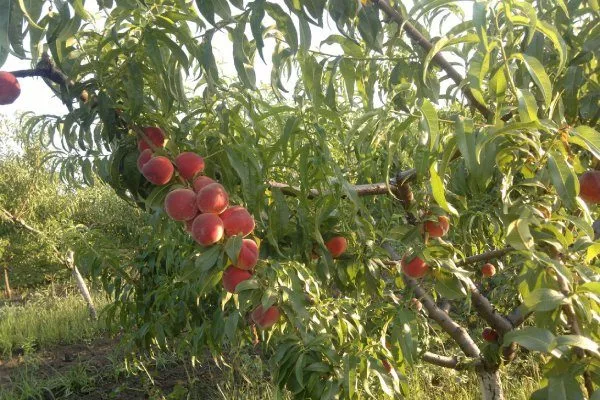
This medium-sized tree reaches 5 m in height and grows to 8-10 m in diameter. The shoots are covered with large, emerald-green leaves. The thick, brown-burgundy branches spread widely. A distinctive feature is the cracking of the bark.
Flowering begins in late April to early May, when the crown is covered with single, five-petaled, bright pink flowers that emit a sweet fragrance. The ovaries form on one-year-old branches.
Description of fruits
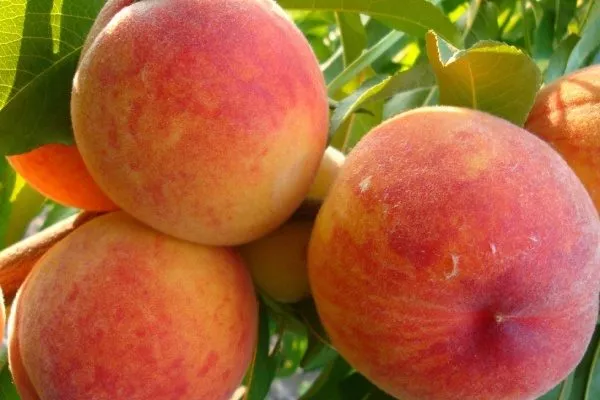
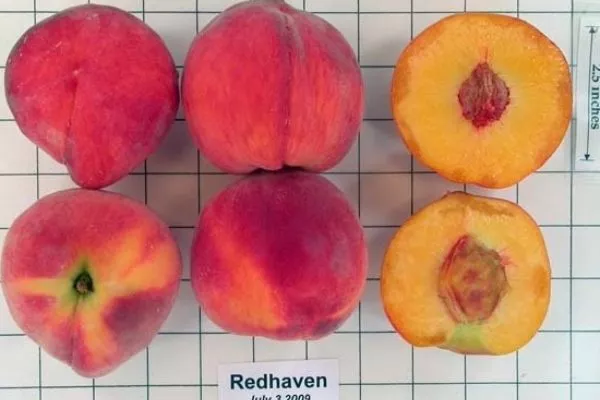
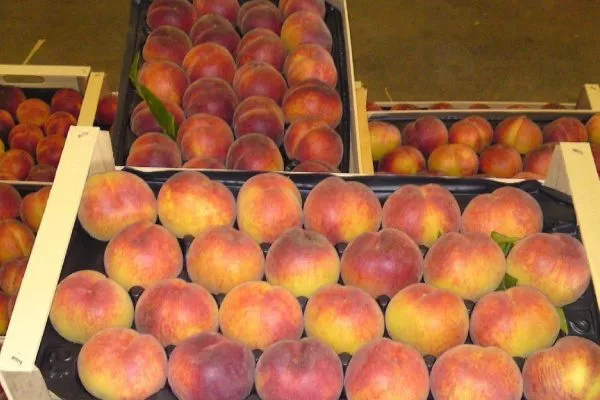
The large, round fruits weigh on average 120 to 160 grams, but some weigh up to 200 grams. They have a dense, slightly velvety skin, a rich orange hue, which peels easily.
A slight burgundy blush can be seen. Inside is a small reddish pit, which easily separates from the sweet and juicy flesh.
Taste qualities
The yellow-red flesh is characterized by a tender, slightly fibrous, meaty, and very juicy texture. The harmonious flavor, combining sweetness without sourness or cloyingness, is complemented by a bright fruity aroma. The pulp contains almost 10% sugars and less than 1% acids. The caloric value is 39 kcal per 100 g.
Health benefits
The Redhaven peach is not only delicious but also healthy. This fruit is rich in vitamins, minerals, and antioxidants, which have beneficial effects on the body:
- Contains vitamins A, C, E, and B vitamins. Vitamin A supports healthy vision and skin, vitamin C strengthens the immune system and promotes wound healing, vitamin E is a powerful antioxidant, and B vitamins improve metabolism and nervous system function.
- Rich in potassium, which helps regulate blood pressure and supports the cardiovascular system.
- Antioxidants such as beta-carotene and polyphenols protect cells from free radical damage, slow down the aging process, and reduce the risk of chronic diseases, including cancer.
- It is a good source of dietary fiber, which improves digestion, prevents constipation and promotes intestinal health.
Ripening and fruiting
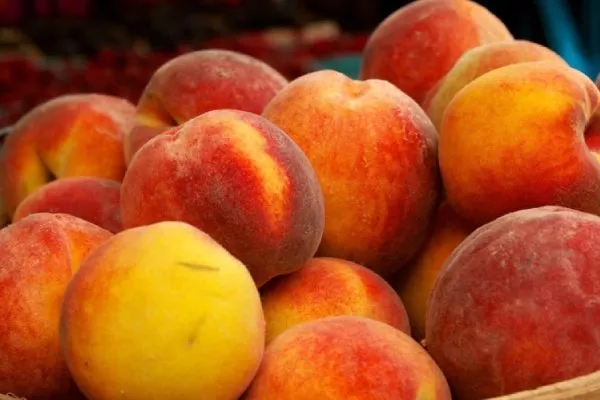
It is distinguished by its early ripening period. The first harvest can be seen as early as the 3rd or 4th year after planting. The fruiting period is extended, lasting 2-3 weeks, as the fruits ripen unevenly.
Harvesting often continues throughout the month. The first fruits can be tasted in the last week of July, and the mass ripening occurs in early August.
Productivity
The yield figures are impressive. A five-year-old tree produces 10-12 kg of fruit, and a 15-year-old tree up to 100 kg.
Resistance to diseases and pests
There is average resistance to some diseases, so preventive measures are necessary for this crop.
Main diseases:
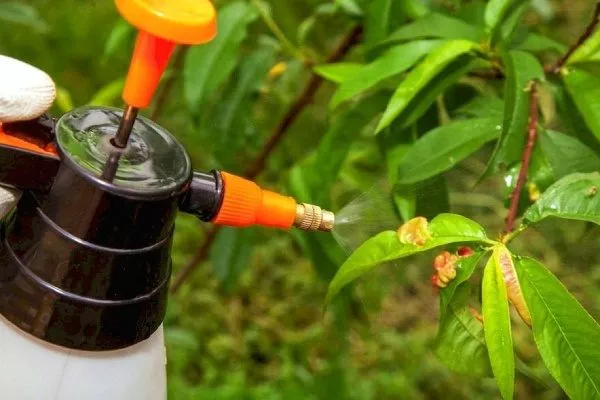
- Leaf curl. A fungal disease that causes wounds, reddish swellings, and gum on the leaves. Treat the crown with copper sulfate, then Horus, and after flowering, Polycarbocin.
- Moniliosis. The disease affects leaves and ovaries, and gray and dark spots appear on the fruit. Treatment is with Nitrafen before and after flowering.
- Fruit rot. May damage already harvested fruit. To eliminate fungal infections, use systemic fungicides.
- Green cone phase - 3% Bordeaux mixture against curl
- After flowering - Skor (0.02%) or Horus (0.015%) against moniliosis
- 14 days after the second treatment, repeat spraying with a systemic fungicide
- In the fall, after the leaves have fallen, apply 5% urea to destroy overwintering forms of diseases.
Requirements for soil and climatic conditions
This heat-loving crop tolerates prolonged periods of drought and high temperatures well, making it suitable for growing in steppe climates with insufficient rainfall. It does not tolerate excess moisture, drafts, or strong winds.
For maximum productivity, grow it in fertile, well-drained, moderately moist soils with a neutral or slightly acidic pH. Loamy soils are considered optimal.
Does the variety need pollinators?
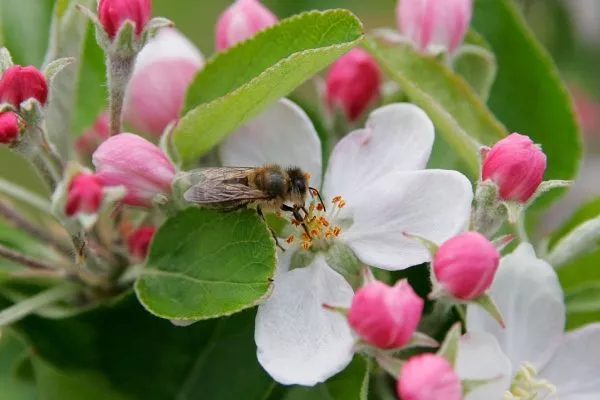
It is a self-pollinating variety, so it can produce fruit without the help of other trees for pollination. However, gardeners recommend planting other peach trees with similar flowering periods nearby: Ambassador of Peace, Pamyati Shevchenko, Podarok Kyiva, and Lyubimets.
Application of fruits
They can be eaten fresh, added to fruit salads, juices, and freshly squeezed juices, preserved, and frozen. They are used to make jams, jellies, and various desserts. Compotes made from these fruits are rich and flavorful.
Thanks to their dense skin, they withstand long-distance transportation well. The light pubescence helps prevent damage and maintain a marketable appearance, preventing mealy marks or deformation. They are resistant to dents, and their appearance remains attractive.
Methods of reproduction
Various propagation methods produce excellent results, but each has its own advantages and disadvantages. Gardeners generally prefer to purchase pre-grafted young trees for planting.
Seed method
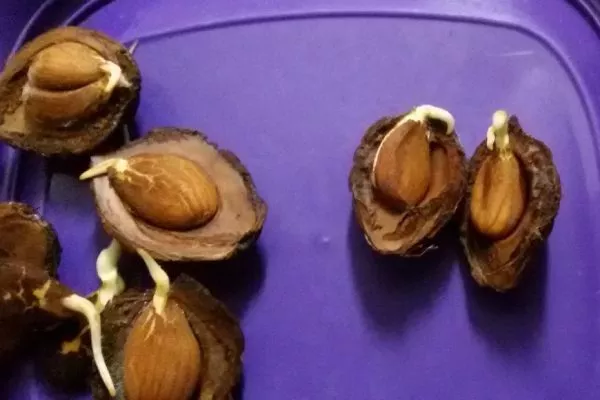
Only fresh seeds are suitable for this method. If the seeds are stored for about a year, their germination rate drops sharply.
Follow the instructions:
- Place the seeds from the current harvest in water and leave to rinse for about 5 days, changing the water daily.
- Extract the seeds from the pits by splitting them in half. Use the seedlings for sowing outdoors or growing in pots with loose soil indoors.
- Plant the kernels in a bed, at a depth of about 5 cm, preferably in an area protected from cold winds.
- Water and mulch with grass or leaves. Seedlings will appear in the spring.
In the fall, prune and transplant the plants to a permanent location like regular seedlings.
Cuttings
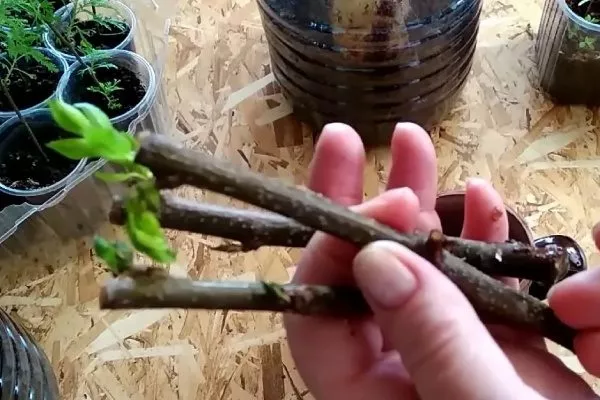
Propagation is possible using both hardwood and green cuttings, which are taken in summer or during fall pruning. Each branch section must have at least four healthy buds.
Follow these steps:
- Place the cuttings with their lower ends in water with additives that stimulate root formation, such as honey, succinic acid, aloe juice, Kornevin or Heteroauxin.
- After a few days, plant the branches in the substrate.
- Before planting, shorten the existing leaves on the cuttings by half.
- Water and cover with glass or plastic containers to create a greenhouse effect.
The appearance of new leaves indicates successful rooting of the cuttings. From this point on, grow the seedlings in containers for another 30 days, after which they can be planted in their permanent location in open ground.
Graft
Perform summer budding in the center of the crown. One of the simplest methods is to transfer a bud to the crown of a mature plant. Plum, quince, felt cherry, or wild apricot can be used as rootstock. This method significantly increases cold resistance and imparts interesting flavor nuances to the fruit.
| Rootstock type | The period of entry into fruiting | Frost resistance | Resistance to damping off |
|---|---|---|---|
| Plum | 3-4 years | -25°C | Average |
| Wild apricot | 2-3 years | -28°C | High |
| Felt cherry | 2 years | -22°C | Low |
| Quince | 4-5 years | -20°C | High |
The budding process involves the following steps:
- Select a healthy skeletal branch from the rootstock crown.
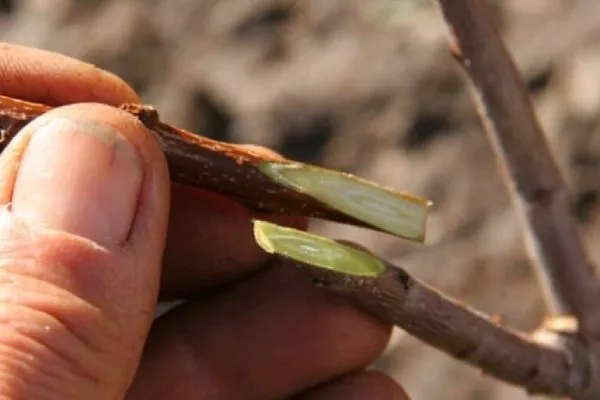
- Using a sharp garden knife, make a T-shaped cut in the bark.
- Cut a bud from the plant on a flat shield no more than 25 mm long with a minimum layer of wood.
- Insert the scion firmly into the cut, carefully pushing it behind the bark.
- Tie the grafting site with soft material.
Air layering
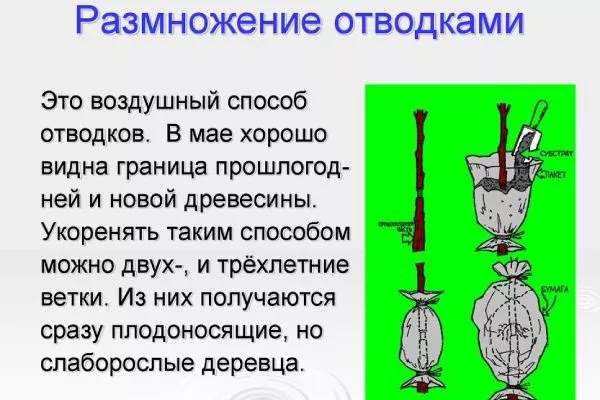
It's considered the easiest way to obtain young plants. The process of rooting a branch:
- Select a 2-year-old shoot, the thickness of a pencil, and the lignification may be partial.
- Using a knife, make a circular cut in the bark of the branch. Remove all fruit buds located above the cut.
- Place a bottomless part of a plastic bottle onto the cut branch so that the annular cut is in a sort of bowl.
- Secure the structure with electrical tape, scotch tape, or wrap it with film.
- Fill the bottle with loose and fertile substrate and moisten it generously.
Growing and care
Following planting recommendations is the first step to obtaining juicy, appetizing, and large fruits. A properly performed procedure allows the plant to adapt to its new location more quickly.
Follow the recommendations:
- Carry out this procedure starting in mid-April. At this time, nighttime temperatures will be between 10 and 15°C, and the risk of spring frosts will decrease. The soil will warm up well, which is ideal for planting heat-loving crops. In warm, fertile soil, the root system will quickly adapt and begin active growth.
- Choose a level, well-lit area. Full-day sunlight promotes good growth and sugar production in the fruit.
- Avoid planting in the shade of other trees or buildings.
Step-by-step instructions:
- Dig a hole measuring 1 x 0.7 m, with a distance of 3-4 m between neighboring trees.
- Fill the hole 1/3 full with fertilizers (humus, ash, superphosphate) mixed with soil, and pour in 20 liters of warm water.
- Place the seedling into the hole, carefully spreading the roots to the sides.
- Fill with soil so that the root collar is 6-7 cm above the ground.
- Form a tree trunk circle and add 20 liters of water.
- Sprinkle the soil around the perimeter with mulch - peat or compost.
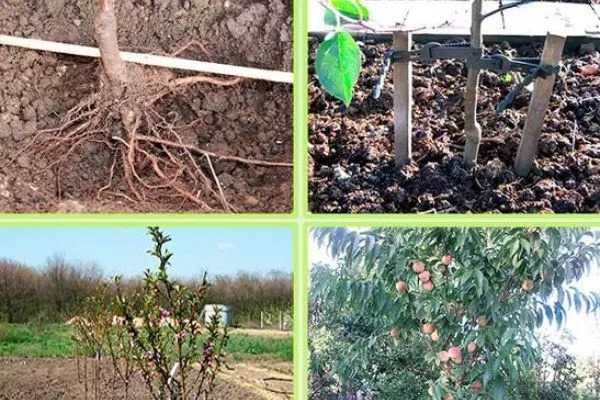
Care is low, even when grown on a large scale. This variety tolerates drought well, is resistant to recurrent frosts, and requires only minimal fertilizing.
Follow simple care procedures:
- Watering. Provide supplemental irrigation at two stages: at the beginning of the growing season and during active branch growth, and during fruit set after flowering. The recommended irrigation rate is 20 liters per plant. During prolonged drought, irrigate during fruit ripening.
Loosening or mulching helps retain moisture in the soil and allows the roots to breathe. - Top dressing. Apply liquid fertilizer after each watering. In spring, the solution should contain predominantly nitrogen and phosphorus compounds. In summer, use superphosphate and discontinue nitrogen fertilization. In autumn, switch to complex mineral fertilizers or mulch the tree trunk area with humus.
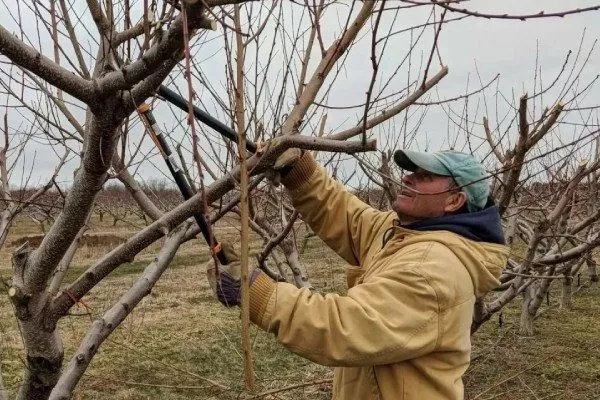
- Trimming. The plant actively grows shoots, and annual pruning plays an important role in shaping its crown. Typically, a seedling has a single, thin trunk, which can be pruned at a height of 60-80 cm when planting. Further crown shaping is performed on a three-year-old seedling, taking into account the desired crown type.
Frost resistance and the need for shelter
The variety's frost resistance is rated as below average, but the tree easily tolerates temperatures down to -20 to -25°C. This makes it suitable for moderate climates where winters are not too harsh. In areas such as the southern regions, where the climate is milder, the plant does not require additional winter protection.
How to store?
At room temperature, the fruit can be stored for about 3-4 days. When storing in the refrigerator, place them in tightly sealed plastic or paper bags, placing no more than two layers of fruit in plastic containers. They will last for up to a week at 0 to 2°C.
For freezing, it's recommended to pre-chill them in ice water. When freezing, make sure the freezer is loosely packed; air should circulate freely, and the humidity should be maintained at 95%.
Harvest the fruit at the minimum ripeness stage and store it within 24 hours. A suitable location for this is a pre-disinfected basement or warehouse with a temperature of 0 to -2°C. This way, the fruit will keep for 2-5 weeks.
Advantages and disadvantages of the variety
It has a number of positive characteristics that make it attractive to gardeners and farmers. Advantages of the crop:
Redhaven peach variety reviews
The Redhaven peach attracts the attention of both novice and experienced gardeners. Its fruits are distinguished not only by their superb taste and aroma, but also by their high frost and winter hardiness. This makes the crop particularly attractive for growing in a variety of climates. Achieving a bountiful harvest requires high-quality care.