
The Fluffy Early peach has a unique aroma and delicate flavor. It has gained popularity among gardeners due to its self-fertility, early ripening, and exquisite fruit. With timely care and simple agricultural practices, this variety will delight you with generous harvests and a strong immune system.
Breeding history
Developed at the State Nikitsky Botanical Garden in Yalta by the renowned scientist and plant breeder N. I. Ryabov, the variety was bred by crossing the Rochester variety, almond, and common peach. In 1965, it was registered in the State Register of Breeding Achievements and granted permission for use.
The appearance of the tree
This perennial, medium-sized fruit tree reaches a height of up to 3 m. It is characterized by the following features:
- Crown – dense, but not too spreading, has the shape of a wide oval, and the branches are colored in a brownish-brown hue.
- Leaves - Large, long, and pointed, lanceolate in shape, they are light green in color, with a wrinkled texture and shine.
- Flowers - are known for their abundance, beautiful pink hue and pleasant sweet aroma.
Flowering begins in the first half of May, when rose-shaped single flowers with five petals appear.
Fruits and their taste characteristics
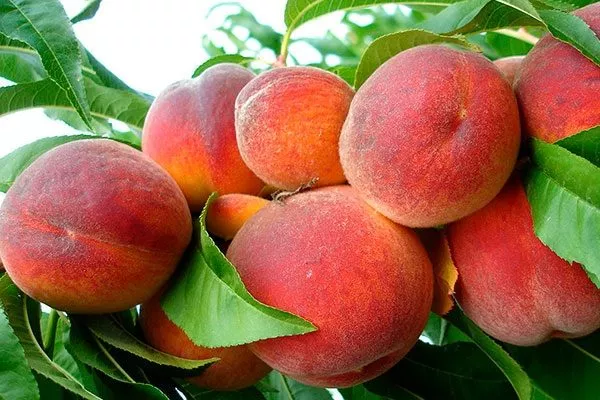
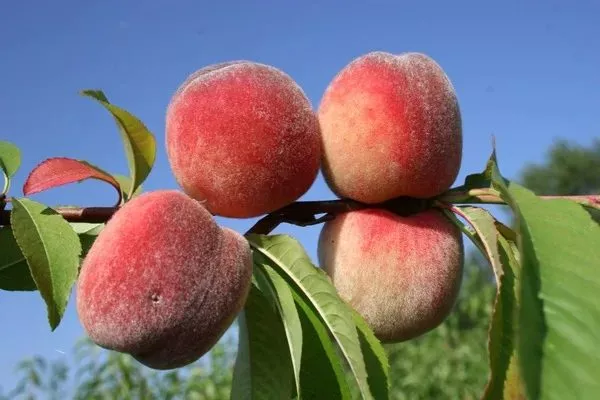
The fruits are medium-sized and broadly oval in shape, densely covered with a felty pubescence. Distinguishing qualities:
- Weight ranges from 80 to 100 g.
- The color is greenish-cream with a reddish, blush-like tint, with the presence of strokes and stripes.
- The ventral suture is barely visible, the stalk is short and thickened, and the stone is medium-sized and does not separate well from the pulp.
- The skin is moderately thick and dense.
- The pulp has a fibrous structure, is very juicy, tender, and has an excellent flavor. Its color is off-white with a green tint, and the aroma is pleasant.
Ripening and fruiting
This is an early-ripening variety, so the first fruits can be seen as early as the third year after planting. The fruit ripens gradually, beginning in mid-July. This variety produces fruit regularly, ensuring a stable harvest.
Productivity
Characterized by good yields. With proper care, excellent results can be expected, especially on commercial plantations, where yields can reach up to 135.2 centners per hectare. The most productive trees (6-7 years old) can yield up to 157 centners per hectare.
Self-fertility and the need for pollinators
It is a self-fertile plant, meaning it can pollinate itself with its own pollen and produce fruit without the need for nearby pollinating trees.
Requirements for soil and climatic conditions
It thrives in bright sunlight and warmth, but can grow in partial shade. It is relatively drought-tolerant but requires regular watering during dry periods. It thrives best in well-drained, breathable, permeable, and fertile soils.
Growing and care
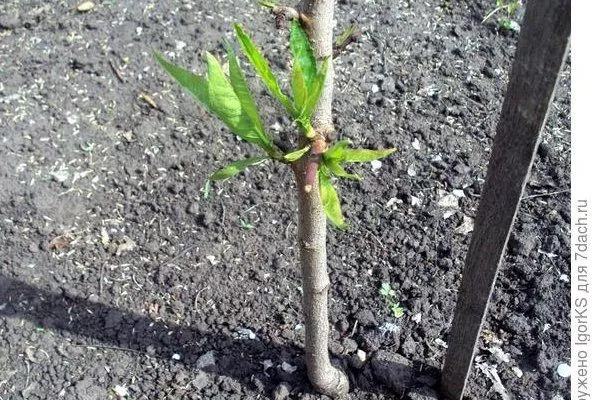
Choose the right time to plant a seedling: spring or fall. For spring planting, begin preparing the hole in the fall:
- Its dimensions should be at least 60 cm in depth and about 100 cm in diameter.
- A month before planting, add humus to the bottom of the hole, then a mixture of the top layer of soil with a complex fertilizer containing potassium and phosphorus, and add fertile soil on top.
- Place the seedling in the center, straighten the roots, and fill the root collar at soil level.
- Place a support next to the young plant and tie it to it with jute thread or soft twine.
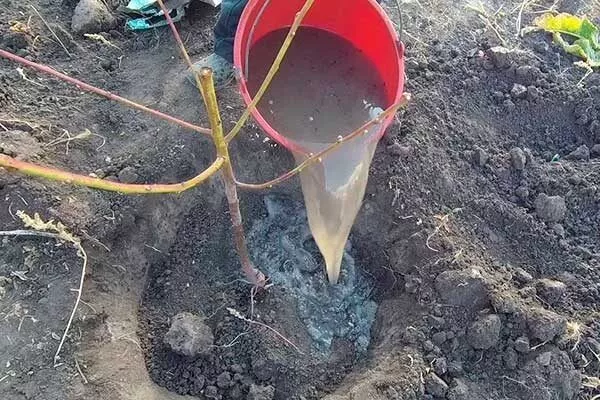
- Water the seedling generously, loosen the soil, and mulch the tree trunk circle with hay or wood chips.
- Avoid planting peaches near apple, pear, or cherry trees, as these trees can weaken their immunity.
- Water young plants once a week, using 40 liters of warm water per seedling. Water mature trees once every two weeks.
- In the fall, two weeks after planting, prune the branches so they form a cup-shaped crown. The distance from the graft to the lateral branch should be about 35 cm, and above this level, prune the shoots into a ring. Leave no more than five strong branches pointing in different directions.
Frost resistance and the need for shelter
The plant is frost-resistant and can withstand temperatures down to -20 to -25°C. It typically requires no cover, but in regions with severe and prolonged frosts, additional protection is helpful. Burlap or agrofibre are often used as cover.
Advantages and disadvantages
The variety has many advantages and only a few drawbacks. Among its advantages are the following:
Among the variety's shortcomings, gardeners note only the small size of the fruits and their short shelf life.
Resistance to diseases and pests
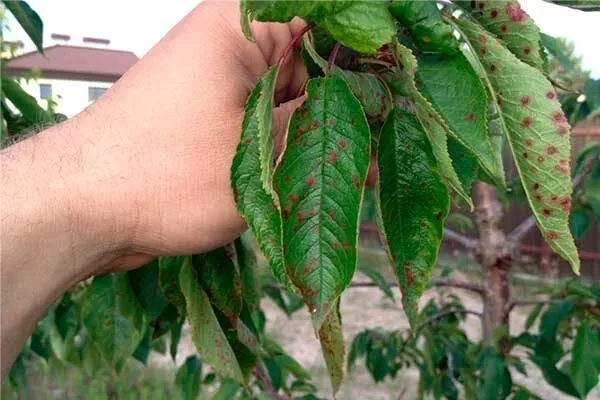
The crop is renowned for its moderate immunity and tolerates common diseases well. It often encounters powdery mildew and leaf curl, but is generally resistant to fungal diseases.
Preventive measures include the following recommendations:
- Regularly remove diseased, damaged or dying branches and fruits.
- Collect and destroy fallen leaves and fruits – they are a source of infection.
- Treat plants with fungicides and insecticides.
- Apply organic fertilizers and maintain optimal humidity levels.
Regularly check trees for pests and take measures to control them, such as mechanical removal or the use of insecticides.
Review of reviews
The Fluffy Early peach requires no experience or knowledge, so even a beginner can handle planting and subsequent care. Its frost resistance and high yield make it a favorite among other varieties. Proper care is crucial, as it affects the plant's immunity and fruit quality.