
The apricot is one of the most common crops and is considered a long-lived tree. With proper and regular care, the tree will grow and develop quickly, producing a bountiful harvest. To achieve this, it is necessary to plant the seedling in its permanent location in the spring, taking into account the needs and characteristics of the crop.
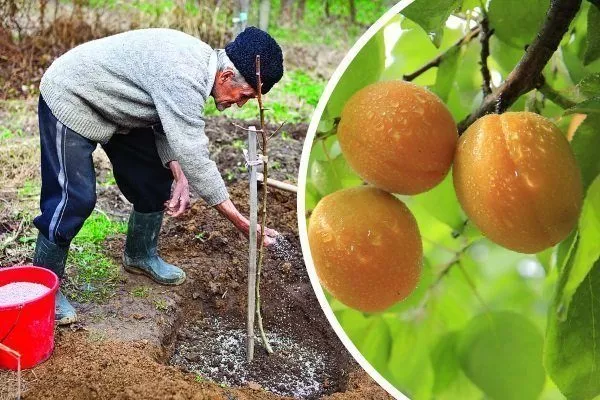
Advantages and disadvantages of spring planting of apricots
Beginning gardeners don't know the best time to plant apricots. To make the right decision, it's worth familiarizing yourself with the pros and cons of spring planting.
The main advantages of planting apricots in spring are:
- Early planting allows the tree to develop a strong root system and become stronger, making it much easier to survive the winter.
- It becomes possible to combat pests and drought in a timely manner, and the tree’s immunity is increased with the help of fertilizers.
- Before the onset of winter, the planting hole will have time to settle, which will prevent the root collar of the seedling from becoming too deep.
Optimal planting times
The most ideal time for planting apricot trees is spring, before the sap begins to flow and the buds begin to open. The optimal period is considered to be the second half to the end of April. It's best to choose the time when the spring rains begin. This ensures a 100% survival rate for the seedlings.
It is not recommended to plant a tree once the leaves have begun to emerge. In this case, the seedling will either quickly die or become diseased for a long time, requiring a lengthy recovery period.
Requirements for planting material
Apricots thrive in light, sandy or loamy soils rich in minerals and black soil. The soil should be slightly acidic or neutral. Sandy, peaty, or clayey soils will slow growth. If clayey soil is chosen, additional fertilizer should be applied (0.10-0.12 kg per square meter).
The most suitable place for landing
Apricot trees have a large crown and thrive in bright light, so choose a sunny, open location. It's important to avoid drafts, as this will slow the seedling's growth.
If groundwater is present, the optimal depth is 0.5-3 m. This eliminates the risk of the root system drying out and prevents soil erosion.
Even the slightest shading of the apricot should not be allowed, as the fruits will be small in size and have minimal sugar content.
Undesirable places and proximity to other cultures
Avoid planting cherries, walnuts, sweet cherries, currants, pears, apples, and raspberries near apricot trees. Ignoring this advice can cause the apricot tree's root system to spread outward, which will negatively impact its health.
How far apart should trees be planted?
The optimal distance between apricot trees and other crops is considered to be 3-4 meters. This interval should also be maintained when planting several apricot trees in a single row. Avoid reducing the distance, as the trees develop a spreading crown as they grow, which can become tangled and interfere with other crops.
Soil composition and condition
The key soil requirement for planting apricot seedlings is low or neutral acidity. Black soil is ideal, but it should be free of clay.
To improve the development and growth of your fruit tree, add sand and peat to the soil. This will strengthen the root system and quickly reach the soil's base layer.
Preparing the planting hole
First, you need to properly prepare the hole for planting the seedling. Thoroughly clear the soil of weeds and roots, dig it thoroughly, and level the soil. Perform the soil preparation procedure a few weeks before planting the trees or in the fall.
- 2-3 weeks before planting, clear the area of weeds and dig the soil to a depth of 30-40 cm.
- Add organic fertilizers (rotted manure or compost) to the soil at a rate of 5-6 kg per 1 sq. m.
- Check the soil acidity and, if necessary, neutralize it with dolomite flour or lime.
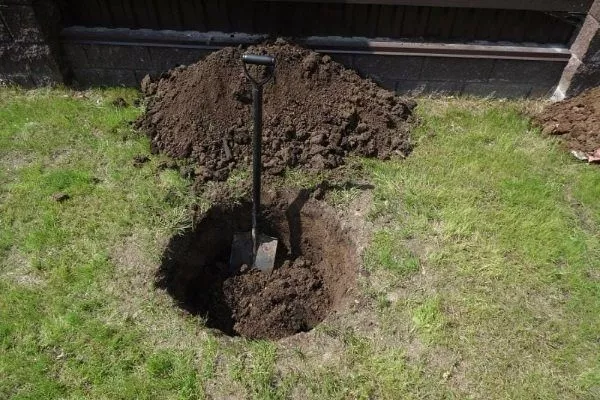
The planting hole should be at least 75 cm deep and 60 cm wide. Be sure to place drainage at the bottom to prevent root rot. To strengthen the seedling and help it establish more easily in its new location, drive a wooden stake, approximately 60 cm long, into the hole to provide additional support.
Don't forget to fertilize the soil: mix two buckets of well-rotted manure into the topsoil. You can also add mineral fertilizers. If you prepare the hole in the fall, use phosphorus and potassium; if planting in the spring, add nitrogen. Be sure to neutralize acidic soil with dolomite flour (one bucket per square meter) or lime.
Step-by-step planting technology
First of all, it's essential to properly prepare the seedling before planting, as this determines how well it will thrive in its new location. When choosing an apricot tree, be very careful, choosing a specimen without visible damage to the bark or root system.
- ✓ The presence of a healthy root system without signs of rot or damage.
- ✓ The age of the seedling should not exceed 2 years for better survival.
- ✓ No visible damage to the bark and branches.
The rules for planting an apricot seedling are very simple; just follow these steps:
- First, soak the roots in plain water to ensure they are well-hydrated. It's best to do this the day before you plan to plant.
- Generously coat the root system with a special mixture, which is easy to make yourself—a mixture of manure, water, and clay. Then leave the seedling until the roots dry out.
- Prepare the planting hole, making sure to add a layer of drainage material to the bottom and add some water. Failure to provide drainage can result in root rot.
- Place the prepared seedling precisely in the center of the planting hole. Perform all steps carefully to avoid accidentally damaging the root system.
- Fill the hole with soil and compact it lightly. It's best to have a helper hold the tree steady so it stays level and doesn't lean.
- Drive a support stake nearby, but not too close to the seedling to avoid damaging the roots. Tie the tree to the stake.
- After planting, be sure to water the seedling.
- Fertilize the soil around the apricot tree with humus or peat.
Strict adherence to each stage allows you to speed up the process of seedling rooting and adaptation to a new growing location.
The gardener provided a video showing the step-by-step planting of an apricot seedling:
Planting rules in different regions
Planting techniques vary slightly depending on the region where apricots will be grown. When planting in the Moscow region and central Russia, it's best to choose apricot varieties that can easily withstand thaws and light frosts.
Trees can only be planted in the spring, before the buds open. A well-lit, wind-protected site is ideal. Line the bottom of the planting hole with fine gravel or broken brick to provide drainage. As the tree grows, its root system will spread outward, protecting it from groundwater.
Southern apricot varieties don't thrive in northern conditions. However, breeders have developed unique varieties that can withstand even severe frosts. This was achieved by crossing heat-loving varieties with northern wild plants. While these new varieties don't have the same flavor as their southern counterparts, their nutritional value is in no way inferior.
Depending on the region, the timing of apricot planting will be determined, which will help avoid various negative consequences:
- In the Volga region, plant seedlings in late March or early April. It's best to choose northern apricot varieties (read more about apricot varieties). here).
- In the Moscow region and temperate climates, transplant the apricot tree to its permanent location no earlier than the end of April. Be sure to also take weather conditions into account.
- In the Urals and Siberia, it's best to plant northern varieties, but not earlier than late April. If frost returns, cover the tree with non-woven fabric.
Further care after planting
After planting, an apricot tree requires proper and regular care to accelerate its growth and help it adapt to its new location. Don't forget about watering and supplemental feeding to strengthen the root system. Timely pruning and pest control will help you harvest within 2-3 years.
Watering
During the first year after planting, the apricot tree requires regular watering. The seedling's roots begin to form in moist soil. If the spring is dry, water the tree before flowering and a month after. Regular watering is also necessary 10-14 days before fruit formation, which helps the fruit become juicier, more flavorful, and larger.
Apricots don't like sudden changes in growing conditions. Therefore, if the tree wasn't watered in the spring, after the pits hardened, don't water it again. Otherwise, the apricot may simply shed its ovary.
Approximately 50 liters of water are required per square meter of soil. During a dry summer, water the seedling significantly more. The seedling requires generous watering after the foliage turns yellow. In the fall, increase water consumption to 90 liters per square meter of soil.
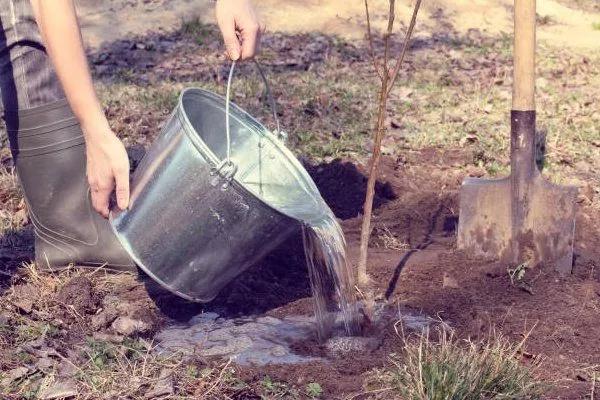
Abundant and proper watering will help the apricot tree survive even severe frosts much more easily.
Top dressing
The ideal fertilizer for an apricot tree is a peat and mineral mixture, applied in the spring. Once the tree reaches five years of age, you can use organic fertilizers.
It is better to adhere to the following fertilization schedule:
- every year, fertilize in spring and autumn with a special complex of mineral fertilizers;
- 2 years after planting the tree, apply 50 g of ammonium nitrate, 110 g of superphosphate and 40 g of potassium chloride as fertilizer.
Four years after planting, the amount of fertilizer is increased to 60 g of potassium chloride, 200 g of superphosphate, and 110 g of ammonium nitrate. Organic fertilizers are an excellent option for top dressing.
Trimming
Every spring, it's important to shape the crown of your fruit tree by removing all excess branches. This procedure allows the crown to warm up significantly, receive sufficient sunlight, and increases the yield. Remove weak and diseased branches, as well as upward-growing shoots.
Apricots bear fruit on one-year-old shoots, with the largest number of fruits appearing on the extension shoots. This is why these branches only need to be pruned halfway in the spring. New buds will appear on the remaining portion of the branch.
Perform summer pruning after the harvest. This helps rejuvenate the crown. Mature trees don't require extensive pruning, as they don't tolerate this treatment well. Learn how and when to prune apricots from this article.
Features of planting with a seed
You can grow apricot seedlings from seeds at home. It's best to use separate containers for each seed, as apricots have a taproot system. The pot should be deep enough—for example, a 0.5-liter plastic cup will do.
The seeds need to be germinated in advance: place them on a damp cloth or cheesecloth and wrap them. As soon as the first root appears, you can begin planting.
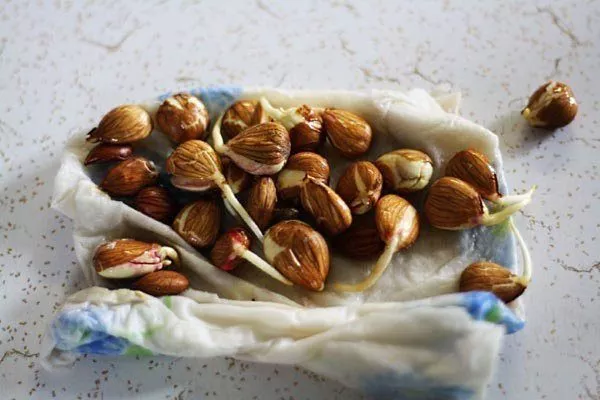
The technology for growing apricots from a seed is as follows:
- Make several holes in the bottom of the glass to allow excess water to drain.
- It is better to use a universal peat-based soil intended for seedlings.
- Place a layer of drainage material at the bottom of the glasses or pots.
- Pour the soil mixture into the cup, leaving 1-2 cm from the edge, and compact the soil slightly.
- Place pre-sprouted apricot pits on the surface of the soil – 1 pit per glass.
- Place the seeds root-side down, but don't plant them too deep, otherwise the root collar will rot. You can lightly sprinkle soil over the top of the root.
- Pour in some water and cover the glass with film to prevent moisture from evaporating.
- Be sure to place the pot in a warm place.
- Periodically inspect the plantings, remove the film and ventilate.
- After the sprouts appear, place the cups on a warm and sunny windowsill.
- The ideal temperature for apricot growth is +25°C.
- Water as the soil dries out.
Read more about growing apricots from seeds. Here.
Spring planting (of a mature tree)
Plant a mature tree in the spring, before the buds open—in April or early May. Apricots don't respond well to transplanting, so it's best to do this before the buds open.
To transplant a mature tree, you need to follow the following sequence of actions:
- Dig a hole about 60 cm deep.
- Place drainage at the bottom of the hole to prevent the roots from stagnate in water.
- Add soil mixed with fertilizer: 2 kg of humus and wood ash, 1 kg of lime, 200 g of ammonium nitrate, 500 g of superphosphate.
- Be sure to mix the fertilizer with the soil, which will protect the tree roots from burning.
- Place the apricot in the hole and cover it with soil, lightly compacting the soil on top.
- Be sure to water the plant after planting.
First wintering
The root system tolerates winter cold fairly well, but the young plant needs additional protection from sudden temperature fluctuations during the first year after planting. For the first winter, build a small shelter to protect it from wind and severe frost.
You can make such a hut yourself:
- take some plastic film and wooden pegs;
- Insert three pegs into the ground and secure them;
- Stretch a film over the top and sprinkle it with soil from below;
- In the spring this structure can be easily dismantled.
If you've replanted a tree that's several years old, you can wrap the trunk in burlap for the winter. Periodically mound it with snow throughout the winter.
Storing seedlings in winter
To preserve an apricot seedling until spring, you can use several wintering methods:
- Seedlings can be stored in a cellar or garage at temperatures ranging from 0 to 10ºC. Be sure to moisten the roots and place them in a container filled with wood shavings, peat, or sand. Re-water the container about once a week.
- Covering the seedlings with snow helps preserve them until spring and prevent them from dying. First, soak them in water for about 5 hours and remove all the leaves. Choose a snow-covered area in the garden that receives minimal sunlight. Prepare a hole and fill it with a little snow.
Place the seedlings in burlap (agrofibre can be used) and set them in the hole. Add a layer of snow about 20 cm thick on top, then add sawdust of the same thickness. This way, the seedlings can be stored until spring, when it's time to plant. - When planting, plant the seedlings at an angle, with their tops facing south. Dig a shallow trench running from west to east (the north wall should be vertical). Remove all leaves from the seedlings, then treat them with liquid clay and cover with soil.
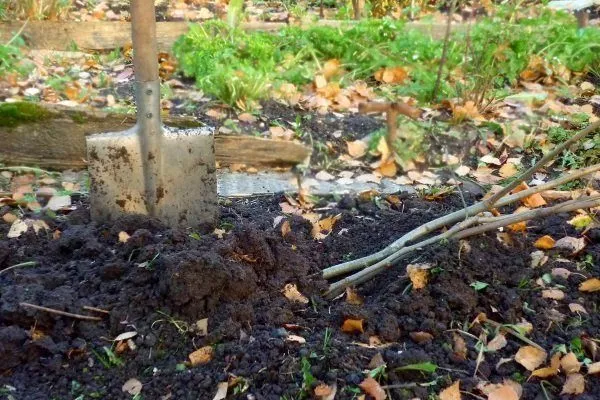
Place the apricot trees in the trench, spacing them slightly apart. Cover the seedlings with soil about 20 cm above the root collar, then lightly compact the soil with a shovel. A second row of seedlings can be placed on top. After the first frost, cover the soil with sawdust or dry soil, forming a mound.
Unconventional methods of planting apricots
Depending on the climate, soil, and other factors, different planting methods may be chosen:
- On the sand. Sand has excellent air permeability and is lightweight, making it ideal for growing apricots. When planting apricots using this method, place a layer of clay about 10 cm deep at the bottom of the hole.
This technique will prevent water from draining quickly and nutrients from being washed out of the soil. After placing the seedling in the hole, add a soil mixture (2 parts compost, 2 parts turf, and 1 part sand). If growing in sandy soil, the apricot tree will require more frequent watering and regular fertilization. - According to Zheleznov's method. Plant as early as possible, after the last frost, to allow the apricot to grow before winter. Before planting, soak the seedling in cold melted or rainwater overnight and leave it in a dark place.
In the garden, create a planting site—a gentle mound 20-60 cm high and about 2 m in diameter. The mound allows the soil to warm up faster and protects the trunk and root collar from rot. Place the seedling in the center of the hole, spreading out its roots. No additional fertilizer is required.
Prune the seedling back to almost half its crown. Cover the roots with soil and apply fertilizer on top. Cover the seedling with a plastic bottle with the bottom cut off and leave for 1 month. - Planting two seedlings in one hole. Apricot trees can be planted in nests, with several plants in a single hole. For two seedlings, create a planting hole at least 100 cm in diameter. Leave about 30 cm between the seedlings when planting. Then, plant the trees as you would with the standard method. It's recommended to plant nests in elevated areas to ensure good ventilation and prevent trunk damping-off.
- Apricot grafting. Grafting can be done no earlier than when the tree is two years old. Cut the trunk of the seedling approximately 8 cm from the ground and align it with the scion. For this purpose, use only young trees with a trunk at least 10 cm thick.
In the spring, you can graft mature plants by inserting a cutting into the axil of a branch. This method allows you to grow several apricot varieties on a single tree simultaneously, and the plant also begins bearing fruit much earlier. The optimal time for grafting is considered to be between April and May.
What mistakes do beginners make?
Failure to properly plant an apricot tree can lead to its complete destruction. Most often, inexperienced gardeners make the following mistakes:
- A seedling with diseased roots is planted, which soon causes its death.
- The location for the apricot tree was chosen incorrectly.
- There is no drainage layer in the planting hole, which negatively affects the development of the root system.
- Not enough water was used during planting.
- Frequent transplantation of a seedling from one place to another leads to the death of the plant.
Planting apricots in spring is the best time to do so, as it's the most favorable time. Following simple care guidelines will allow you to enjoy delicious, juicy fruits from your own garden for many years to come.
Many articles mention groundwater levels—but what constitutes groundwater level? Here in southern Belarus, for example, we've had high water levels in the spring for the past few years, flooding basements. And in the summer, the water is at the bottom of wells.
What is considered the groundwater level?