
The Nutty Peach is one of the most well-known varieties, boasting not only a delicious flavor but also a host of beneficial properties. Its name alone is intriguing. This cultivar boasts abundant yields, large fruits, and robust growth. Proper care will help grow a plant with a strong immune system.
The appearance of the tree
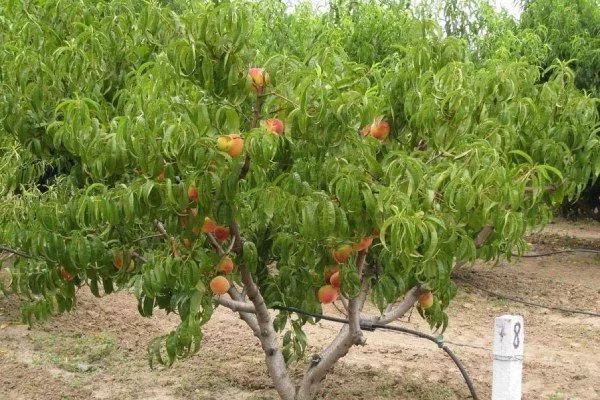
A cultivar from the Nikitsky Botanical Garden. A medium-sized tree, reaching a height of about 3 meters. Its crown is abundant, green, and dense, with slender, smooth shoots. The leaves are lanceolate with pointed tips.
Fruits and their taste characteristics
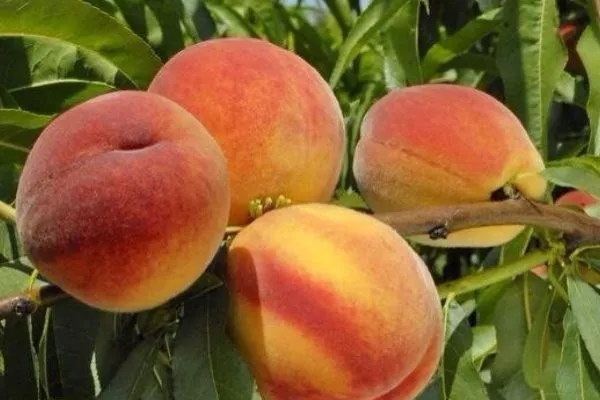
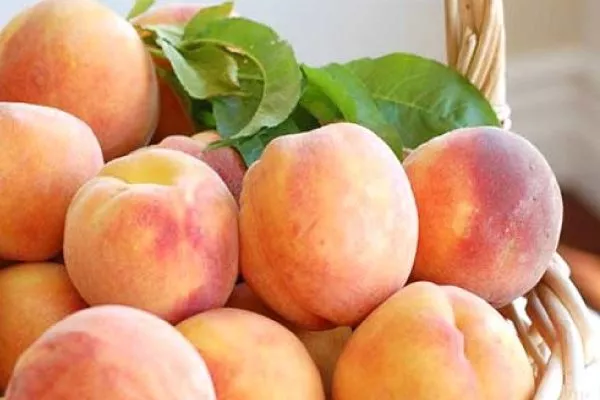
They are orange with a carmine blush. They are round, weighing up to 400 g. The skin is thin and pleasantly velvety to the touch. The yellow flesh is richly juicy and has a sweet-tart flavor, with an enveloping aroma.
Self-fertility and pollinators
Since the crop is self-fertile, no other peach varieties are required for pollination to produce a good harvest. A single peach tree is capable of self-pollinating and producing fruit.
Ripening period and yield
The Nutty peach is an early variety. Its fruits ripen by the end of July, making it an attractive choice for lovers of fresh and juicy peaches. It is characterized by high yields, capable of yielding up to 50 kg of fruit per tree, making it a valuable resource.
Care and cultivation
Growing this crop requires some effort and care, but with the right approach, you can reap a bountiful, high-quality harvest. Here are some key aspects of cultivating and caring for this variety:
- Select location. Choose a site with good light and protection from strong winds. The plant prefers sunny locations and good air circulation.
- Preparing the soil. Before planting, ensure the soil is well-drained and contains sufficient nutrients. To achieve this, add compost or humus.
- Landing. Plant seedlings in early spring, when the soil has warmed up but the plants have not yet begun to grow actively. Space plants about 4-5 m apart.
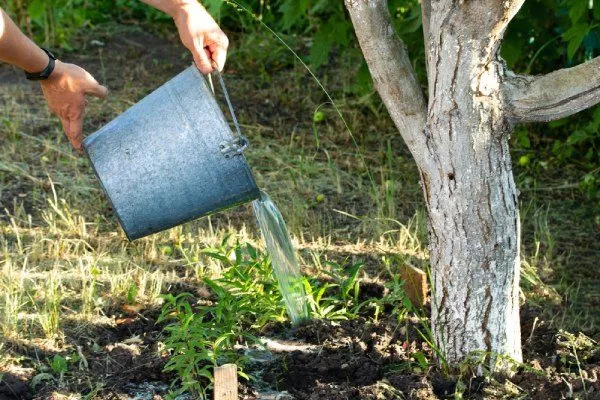
- Watering. Water young trees regularly, especially during dry periods. Mature plants also require watering during prolonged hot periods.
- Fertilizers. To maintain health and yield, apply fertilizer. Apply fertilizer at the beginning of the growing season and after harvest.
Compost, humus, manure, and organic fertilizers based on meat and bone meal are excellent choices for peach trees. They will not only provide the plant with nutrients but also improve the soil structure.
Mineral fertilizers contain essential macro- and microelements, such as nitrogen, phosphorus, potassium, magnesium, and others. Use complex fertilizers for fruit trees, which contain the optimal combination of all the necessary elements. - Protection from diseases and pests. Monitor the condition of your plants and take appropriate measures promptly. To combat mildew and downy mildew, use copper-containing fungicides such as Bordeaux mixture, copper oxychloride, and copper sulfate. Apply during the active growth period and 14 days before flowering.
The following products are effective against blackheads: Ridomil Gold, Zornil, Horus, and Kurzat. Apply twice: at the beginning of the growing season and after two weeks. Aktara, Confidor, and Afalex will help get rid of the pests.
Pruning features and winter hardiness
Pruning is an essential part of peach tree care. Perform this procedure in early spring, before the plant begins active growth.
The Nutty peach has good frost resistance and can withstand winter temperatures down to -25°C without significantly affecting yield. This makes it an attractive choice for growing in regions with cold winters, where temperatures can drop significantly.
Reviews
The Nutty peach has gained popularity and is attracting gardeners with its incredible flavor, abundant yields, frost resistance, and ease of cultivation. Regular productivity and improved fruit quality can be achieved by following simple farming practices.