
The peach tree is not only a source of delicious and juicy fruit but also a beautiful ornamental plant, adorning gardens with vibrant blooms. Sometimes, a peach tree refuses to bloom. The reasons for this can range from unfavorable climate conditions to improper care.
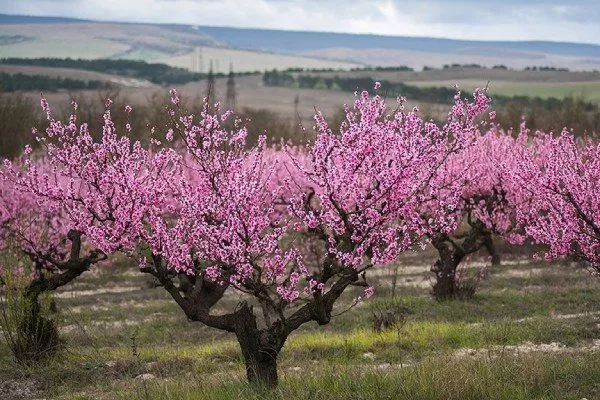
Timing and duration of peach blossom
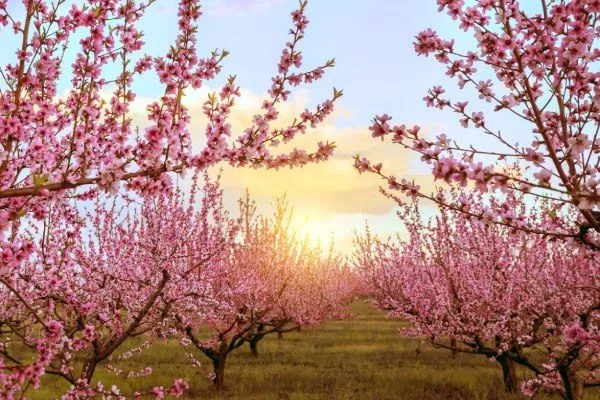
Peach is one of the earliest-fruiting crops, so a young tree begins to bloom in the second or third year after planting. Its delicately fragrant flowers, ranging in shade from soft pink to bright carmine, can be rose- or bell-shaped, depending on the variety.
Why doesn't the peach tree bloom?
There are several reasons why a peach tree may not bloom. Identifying the problem can help determine the cause and take appropriate steps to resolve it.
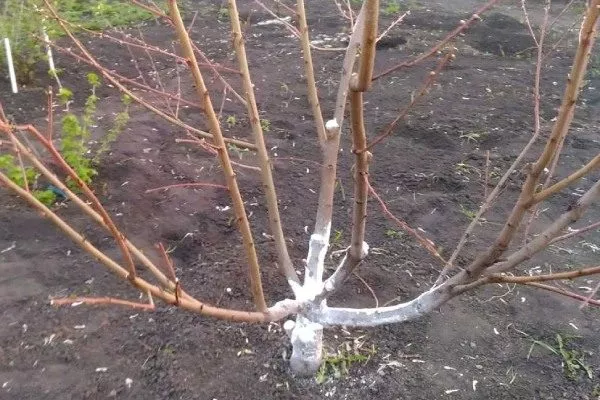
The tree froze
One common reason for a lack of bloom is frost damage. Peaches are sensitive to low temperatures, which can damage flower buds, leading to their death.
Even if the tree itself appears healthy, damaged buds will prevent the tree from developing into full-fledged flowers in the spring. It's important to take measures to protect the tree from frost in advance, especially in regions with harsh winters.
If your peach tree has frozen and is not blooming, take a few steps to help it recover:
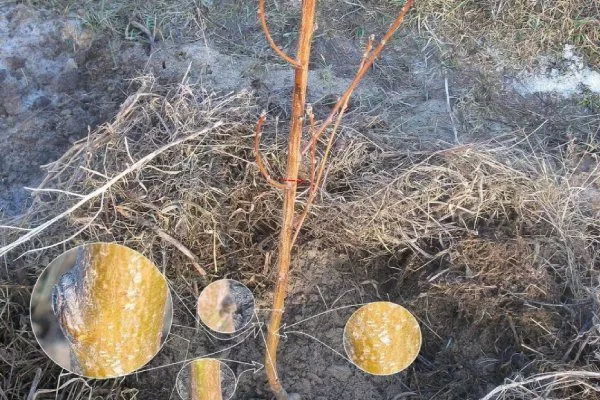
- Check the severity of damage to the branches and trunk. Look for cracks, discoloration of the bark, and other signs of damage.
- Try carefully prying open a few buds. If they're brown and dead inside, they've been damaged by frost.
- Prune all damaged branches back to healthy wood. This will help the tree focus its resources on recovery.
- Remove any dead or diseased parts to prevent the spread of disease.
- Provide the tree with sufficient water, especially during dry periods, but avoid overwatering to avoid causing root rot.
- Feed with a balanced fertilizer containing nitrogen, phosphorus, and potassium. This will help strengthen and stimulate growth.
- Mulch the soil around it to retain moisture and protect the roots from extreme temperatures.
Extreme heat during the flowering period
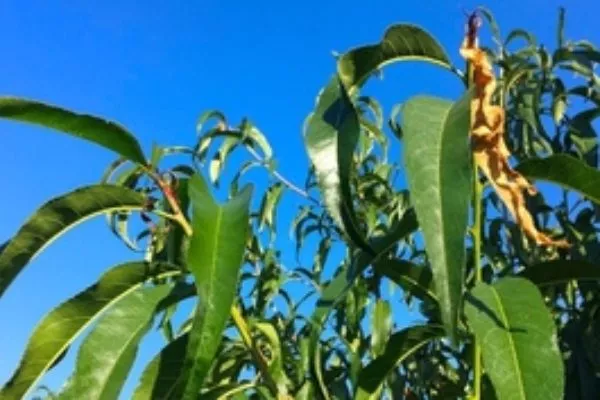
Peaches prefer moderate temperatures during flowering. When temperatures rise too high, it can stress the tree, negatively impacting its ability to bloom. Temperature stress can cause flower buds to fail to open or the flowers to fall prematurely.
Helpful tips:
- In extreme heat, trees lose more water through transpiration. If they don't receive enough water, this can lead to wilting and flower bud drop. Regular watering during hot periods will help reduce this risk.
- During periods of extreme heat, maintain constant soil moisture. Insufficient soil moisture during flowering can stress the tree and prevent normal flower development. Install a drip irrigation system.
- Mulching the soil around the tree helps retain moisture and protect the roots from overheating. This is especially important during hot periods, when the soil dries out quickly and the roots can become overheated.
- ✓ Water early in the morning or late in the evening to minimize evaporation.
- ✓ Use water at a temperature of +18-22°C to avoid thermal shock to the roots.
Incorrect landing location
Choosing the wrong tree location can significantly impact flowering. Here are a few things to consider:
- Peaches require plenty of sunlight to grow and bloom properly. Planting a tree in the shade or in a location that doesn't receive enough light will negatively impact flowering.
- The plant prefers well-drained soil. Planting in heavy, clayey soil or soil with poor drainage can cause root rot and other problems that prevent flowering.
- Strong winds can damage flower buds and prevent flowering. Choosing a location protected from drafts will help prevent this problem.
Choosing the right planting location plays a key role in its health and ability to bloom. Paying attention to these factors can help avoid problems.
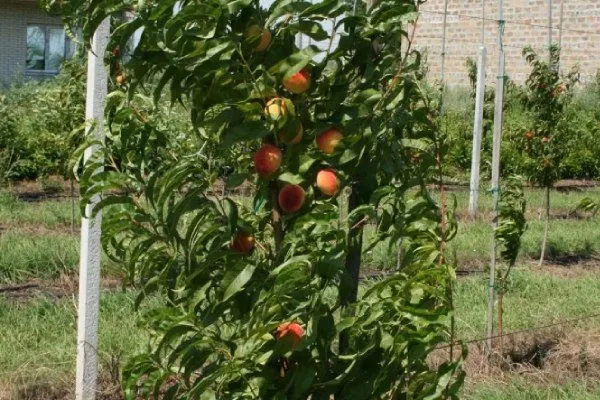
Inappropriate regionality
Peaches require specific climate conditions for normal growth and flowering. If the region is unsuitable for this crop, the tree may not bloom. It is best grown in climates with mild winters and warm summers.
Errors in feeding
Overfertilizing can negatively impact plant development. It's important to consider the following:
- Excess nitrogen. It's an essential element for plant growth, but too much can stimulate unwanted foliage growth at the expense of flowering and fruiting. Trees that receive too much nitrogen often have lush foliage but little or no blooms.
- Phosphorus deficiency. It plays a key role in flowering and fruit formation. If the soil lacks it, this can lead to poor or no flowering. Regular application of phosphorus-containing fertilizers will help correct this problem.
- Potassium deficiency. It promotes overall plant health, strengthens their resistance to disease and stress, and aids in flower and fruit formation. A deficiency results in poor flowering and low-quality fruit.
- Incorrect balance of microelements. Micronutrients such as magnesium, zinc, iron, and boron are essential for the health of peach trees. A deficiency or excess of any of these can negatively impact flowering. For example, a boron deficiency can lead to poor fruit set, while an iron deficiency can cause leaf chlorosis.
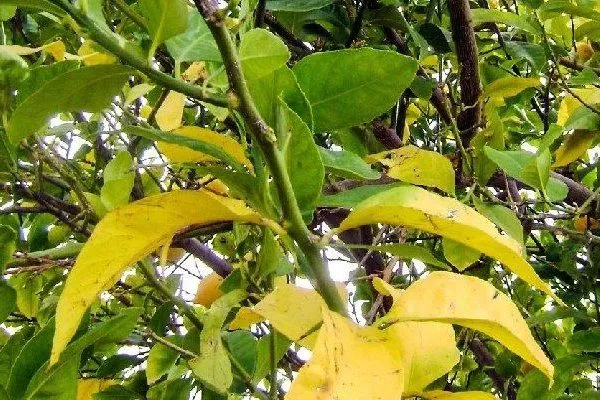
Fertilizing at the wrong time can affect flowering. For example, applying nitrogen fertilizers in late fall or winter can stimulate growth during the period when the tree should be dormant, which can negatively impact flowering in the spring.
Timely pruning
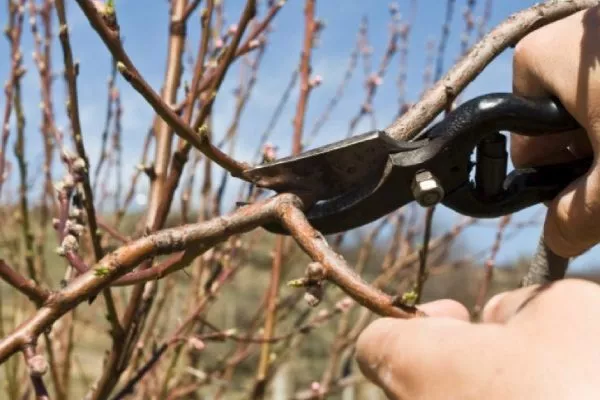
Pruning is important for shaping the crown and stimulating flowering. Incorrect or untimely pruning can result in weak or no flowering. Choose the right time and remove only those branches that truly need it.
The need for pollinators
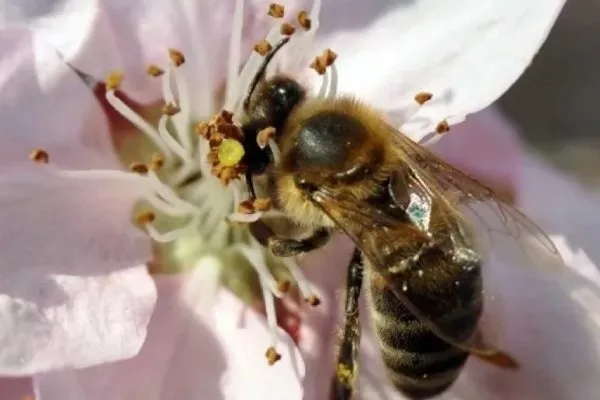
The reason why peach trees don't bloom is because they need pollinators. Here are a few things to consider:
- Self-sterility. Some varieties are self-sterile, meaning they cannot pollinate their own flowers and require pollination from another variety. If a suitable pollinator is not available, the tree may not bloom or produce very few fruits.
- Lack of pollinators. For successful pollination, peach trees need pollinators – bees and other insects.
- Location of pollinators. Even if you have suitable pollinator varieties in your garden, they should be planted at the correct distance from each other. If trees are too far apart, pollination can be difficult. Space them no more than 30 meters apart.
To enhance pollinator activity, plant flowers around peach trees that attract bees and other insects, such as lavender and sage. Create favorable conditions for native pollinators. Avoid excessive use of pesticides.
Tips for abundant peach blossoms
To ensure abundant blooms on your peach tree, it's important to follow certain guidelines. Follow these recommendations:
- Choose a sunny location with good air circulation.
- The soil should be well-drained with a neutral or slightly acidic pH.
- Water the tree regularly, especially during active growth and hot weather. Avoid allowing the soil to dry out.
- Avoid allowing water to stand as this can lead to root rot.
- Apply organic fertilizer when planting. Feed the tree annually in spring and summer using a balanced fertilizer with essential micronutrients. Avoid excessive nitrogen fertilizer, as it stimulates foliage growth at the expense of flowering.
- Prune regularly, removing weak, damaged, or diseased branches. Shape the tree's crown to ensure good light and air penetration. Prune in late winter or early spring before active growth begins.
- Regularly inspect the tree for signs of disease and pests. Apply appropriate fungicides and insecticides as needed. Keep the tree clean by removing fallen leaves and fruit.
A peach tree that doesn't bloom can be a real disappointment for a gardener. However, by identifying and eliminating the causes, you can restore the plant's beauty and productivity. Regular care, proper location, balanced nutrition, and protection from diseases and pests are all key to ensuring abundant blooms.