
In our latitudes, we encounter a rather unusual peach—a bald one. This means the fruit's surface is completely devoid of the characteristic fuzz. It has a name: nectarine. The name comes from its high sugar content, comparable to nectar. But few know exactly what kind of fruit it is and what family it belongs to.
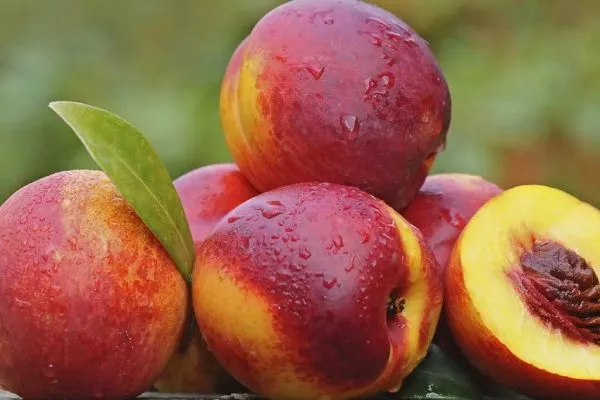
What is a bald peach?
The nectarine is a peach subspecies in the Rosaceae family, but the exact etiology of the fruit's origin is unknown. According to the official botanical classification, it belongs to the peach subspecies group and is translated as "naked-fruited."
How did the nectarine appear?
The peach's origins are known to be in China, where the first records of the Yutao date back almost five thousand years. It is said that it was then that the peach was crossed with the Chinese plum, which explains its denser and smoother skin, reminiscent of that of a plum.
Other historical features:
- Adhering to the hybrid theory, breeders are actively crossing peaches with other plants, creating new nectarine varieties. Most often, these experiments involve various plums, cherry plums, and apricots. Almonds are sometimes used, leading to the development of varieties whose flavor and edibility extend beyond the flesh to include the pit.
- It is believed that the Chinese nectarine was created by accident: on a tree bearing regular peaches, "naked" fruits appeared among or instead of the "hairy" ones. This mutation likely resulted from adaptation to new environmental conditions. This attracted the attention of ancient gardeners, who began to deliberately cultivate these unusual peaches. This theory is supported by the fact that even today, smooth fruits can sometimes be found on peach bushes.
- The first mentions of the nectarine in English literature date back to the 17th century, when it was considered an exotic "invention of nature." This fruit was brought to Russia only in the 19th century, two centuries later than the common peach. But it was the 20th century, when breeders developed varieties with large fruits, making it possible to cultivate them on an industrial scale, that brought the nectarine its true international fame.
Why Bald Peaches Are Better Than Fluffy Peaches – Key Differences
Nectarines are more resistant to temperature fluctuations than peaches. Their firm flesh makes them better suited for long-term storage and transportation. As for flavor, experts note that peaches have a classic honey-sweet taste, while nectarines have a more pronounced and intense sweetness, with a pleasant aromatic aftertaste.
How do the fruits differ?
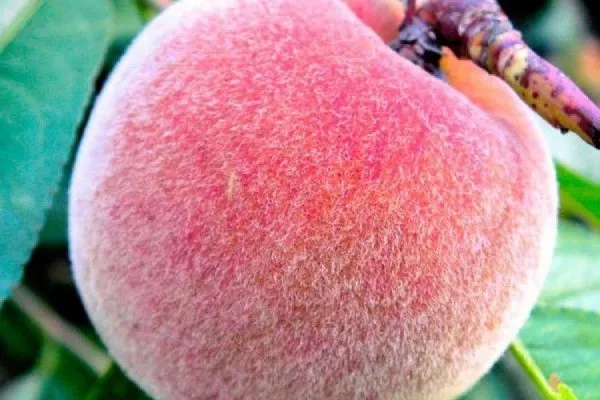
The most important difference between the two fruits is the type of surface—hairy or pubescent. But the fruits also have other differences:
- Peach skin is a thin, fragile membrane covered with numerous short, soft, and fluffy bristles. These bristles serve as protection for the fruit, shielding it from damage and protecting it from insects and pathogens. The skin color ranges from light yellow and pink to rusty and red.
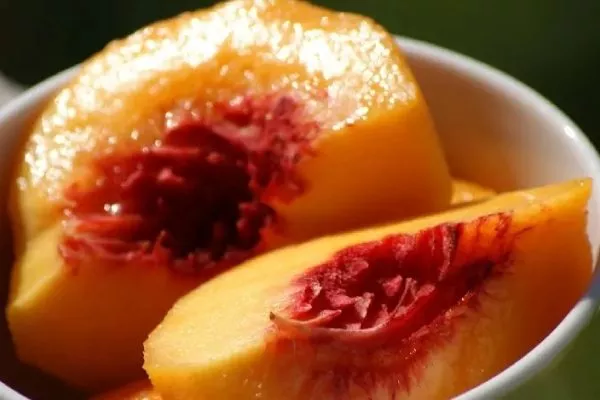
 Beneath this shell lies a soft, juicy, and almost airy pulp that dissolves on the tongue, though it does contain some hard fibers. In the center of the fruit is a large, wrinkled pit.
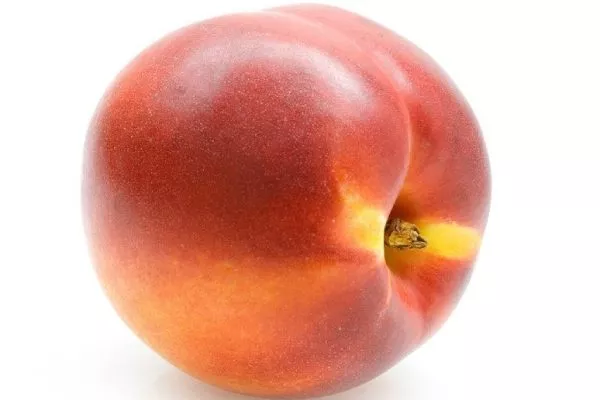
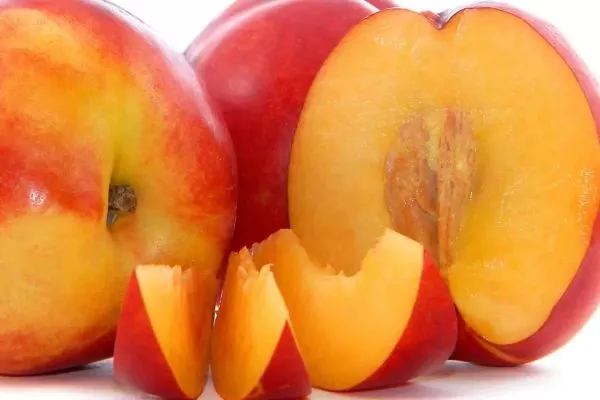
 - Nectarines are distinguished by their brighter, more contrasting red-burgundy color, although this doesn't apply to all varieties. Their skin is not fuzz-free, but is firm and elastic, making it less prone to breaking than peaches.
Nectarine flesh is firmer, slightly less juicy, and has a yellow-orange hue. These fruits are less sweet, but richer in nutrients, resistant to damage during transportation, and have a longer shelf life.
What is the difference between the trees?
Peach bushes have wider dimensions, reaching up to 7 meters in height and width, and are characterized by increased resistance to low temperatures. Nectarines, on the other hand, have a compact form and take up less space in the garden.
What to choose?
The choice depends on personal preference – some prefer sweeter, yet fuzzier fruits, while others prefer a slightly tart flavor and smooth skin. As for gardening, both varieties are considered easy to grow, but the bald peach, unlike the regular variety, has a much longer shelf life, which is important for commercial cultivation.
Although nectarine care is almost identical to peach care, there are some unique features. Nectarines are highly resistant to pests and diseases and are able to recover more quickly from winter frosts.
The bald peach has long been a common fruit on our shelves and in domestic gardening companies, but many still consider it exotic. It's similar to the common peach, a variety of which the nectarine is a member.