
The Snegirok apricot is one of the most attractive varieties for gardeners who appreciate delicious and juicy fruit. It has gained popularity due to its resistance to adverse conditions, high productivity, and excellent flavor. It is important to understand the key characteristics and growing practices of this crop and ensure proper care to ensure a bountiful harvest.
History of selection
This variety is not included in the State Register of Breeding Achievements of Russia, so there is no information about its creator.
The appearance of the tree
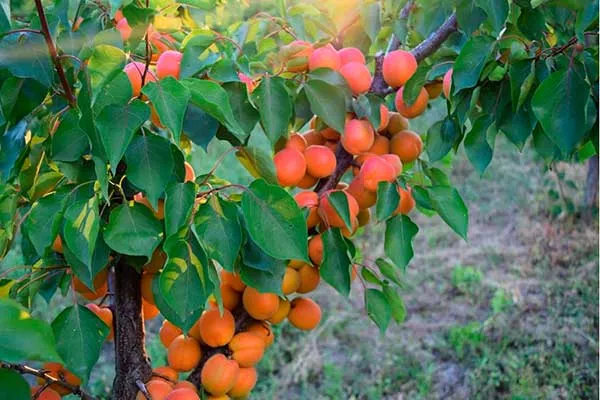
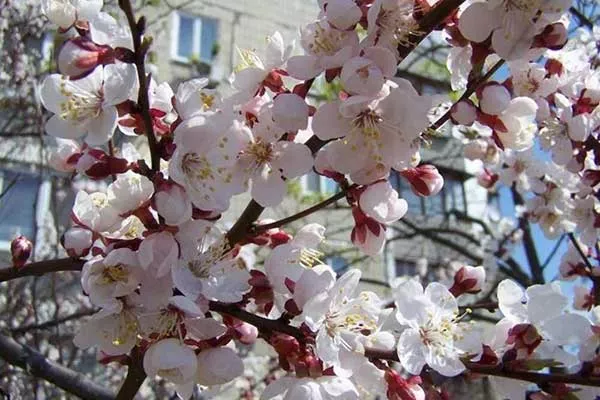
The plant is low-growing, reaching an average height of 2 m. It has a dense crown with numerous branches. The shoots are covered with large, rounded leaves, arranged on short petioles, with serrated edges and a rich green color. The flowers are white, five-petaled, and about 2 cm in diameter.
Fruits and their taste characteristics
The fruits are small, weighing on average 15-20 g. Distinguishing features:
- Form - rounded.
- Coloring – bright orange with a slight blush.
- Peel - thin.
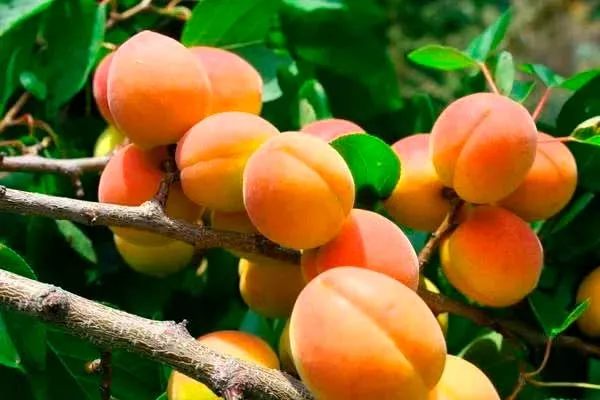
Apricots have juicy yellow flesh and the pit is easy to remove.
Characteristics
The Snegirok apricot variety has many positive qualities. It is a popular choice for both novice and experienced gardeners due to its excellent varietal characteristics.
Drought resistance, frost resistance
| Name | Frost resistance | Disease resistance | Ripening time |
|---|---|---|---|
| Apricot Snegirok | High (up to -42°C) | Low | Average |
| Northern Triumph | High | Average | Early |
| Russian | High | High | Average |
| Red-cheeked | Average | Average | Late |
It is characterized by good frost resistance and the ability to withstand temperatures down to -42°C thanks to its thick bark. However, it does not tolerate dry periods well and requires regular watering.
Resistance to diseases and pests
This variety is susceptible to moniliosis and leaf spot. It is susceptible to various pests:
- hawthorn;
- weevil;
- yellow plum sawfly;
- bark beetle;
- goose;
- pliers;
- ringed silkworm;
- leaf roller;
- codling moth.
Plants are susceptible to attack by aphids and fruit moths.
Pollination, flowering period and ripening time
It's a self-fertile variety, but to increase yields, cross-pollinate by planting pollinator trees with similar flowering times in the area.
Good neighbors for the Snegirok apricot are the Triumph Severny, Rossiyanin, and Krasnoshchyok varieties.
Productivity and fruiting
Flowering begins in the fifth year after planting. Fruit appears annually, without interruption.
Application of fruits
Apricots are versatile: sweet with a slightly tart flavor, they're perfect for eating fresh. They're also popular for making compotes, jams, liqueurs, and wine.
Chemical composition of fruits
Fresh fruit contains many vitamins and microelements beneficial for the body. The approximate chemical composition of 100 g of fruit is presented in the table below:
| Name | Content |
| Squirrels | 1.4 g |
| Fats | 0.39 g |
| Carbohydrates | 11.12 g |
| Water | 86.35 g |
| Ash | 0.75 g |
Advantages and disadvantages of the variety
Before planting a crop on a plot, carefully study its positive and negative qualities in order to avoid possible difficulties in the future.
The variety has many advantages:
Features of planting seedlings
Growing crops requires following certain rules. These rules determine the survival rate of plants and their future yield.
- ✓ The seedling planting depth should be such that the root collar is 5-7 cm above the soil level.
- ✓ The distance between seedlings should be at least 4 meters to ensure sufficient space for the growth of the root system and crown.
Recommended timeframes
Plant the young tree in late April, before the growing season begins, to avoid unnecessary stress and give it time to adapt before the buds open.
Choosing a suitable location
Choose well-lit areas protected from north winds. The groundwater level should not exceed 2.5-3 meters.
The plant prefers soil with a neutral pH. In the fall, dig the soil and apply fertilizer depending on the soil type:
- If the area has black soil, add 10 kg of humus, 30 g of superphosphate and 30 g of potassium sulfate per 1 square meter.
- For sandy loam and sandy soils, add peat to these fertilizers. For clay soils, add sand and sawdust.
- For sod-podzolic areas, first scatter 450 g of dolomite flour or slaked lime per 1 sq. m., and after 2 weeks, add organic fertilizers (humus or rotted manure) and mineral compositions containing phosphorus and potassium.
Ensure good drainage, as the roots require sufficient oxygen and nutrients. In the spring, dig a planting hole and fill the bottom with fine crushed rock, expanded clay, broken brick, or gravel.
Mix the excavated soil with wood ash and ammonium nitrate, place this mixture at the bottom of the hole, then add a layer of soil without fertilizers.
Neighborhood with other cultures
Avoid growing apricot trees near other fruit plants and crops, as their tall height creates shade, which negatively impacts fruit production. Bad neighbors include apple and pear trees, cherries, walnuts, sweet cherries, and vegetable crops.
Selection and preparation of planting material
When purchasing a seedling, inspect it carefully – it should be healthy and strong, with no damaged roots. Purchase trees from specialist stores. Annuals take root the easiest.
If any damage is found on the roots, carefully trim them off with a sharp knife. Before planting, soak the seedlings in water for 2-3 days, then dip the root system in a mixture of liquid manure and black soil.
Site preparation
Start preparatory work early. After plowing the bed, to increase fertility, apply the following to each square meter:
- 5 kg of manure;
- 300 g of wood ash.
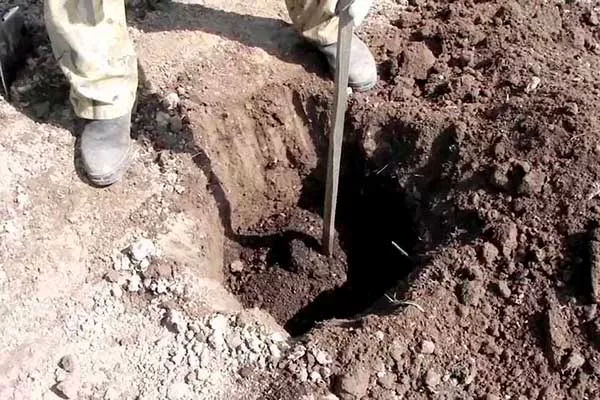
Dig the area again to a depth of about 40 cm. Prepare a hole measuring 70 x 70 x 70 cm. Place a drainage layer at the bottom, and form a mound on top using a fertile mixture consisting of the garden soil left over from the hole, sand, and humus (or compost). Add 300 g of complex mineral fertilizer.
The process of planting young seedlings
The process for growing the Snegirok apricot is virtually identical to that for other varieties. Step-by-step instructions:
- Place a stake in the center of the hole for support.
- Place the plant on a small mound of soil and carefully spread out the root system.
- Cover the top with nutritious soil.
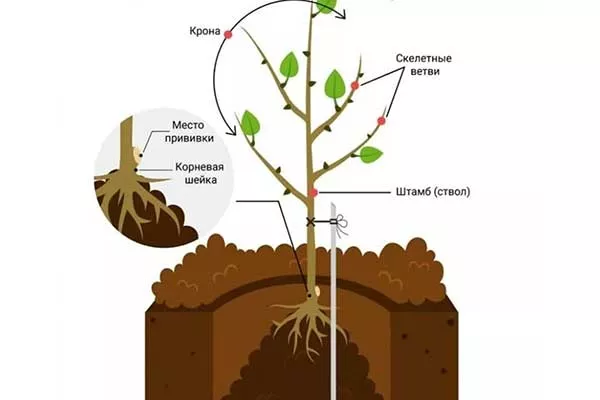
Water the seedling generously and mulch the trunk circle with sawdust or other organic matter.
Apricot tree care instructions
Caring for the crop involves simple agricultural practices. With proper seedling care, you'll grow strong plants and improve productivity.
Prevention and protection from pests and diseases
The variety's immunity is rather weak, and the tree often suffers from fungal infections. In particular, moniliosis, which develops and spreads rapidly in high humidity during the autumn thaw, can attack flowers and ovaries, and then cause fruit rot.
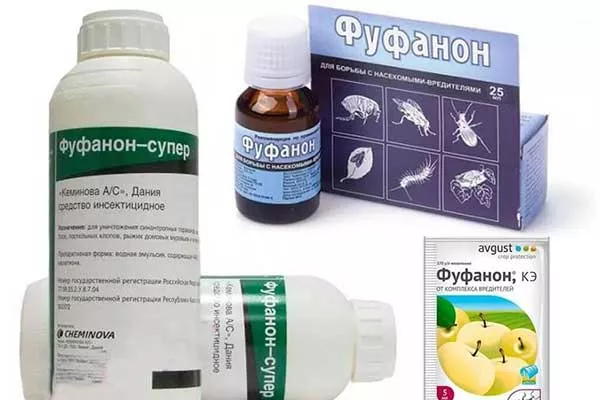
To combat these problems, follow these steps:
| Disease/Pest | Symptoms | Prevention | Treatment |
| Monilial burn (spring form) | Flower rot, brown spots on wood, brown and tough foliage, cracks in branches with gum secretion. | In spring, during frequent rainfall, spray with Hopyc 75WY. Whitewash the trunks in the fall. | After harvesting and throughout the winter, treat with Bordeaux mixture (3%) or copper oxychloride (0.9%). Collect and burn fallen leaves. Remove affected branches and flowers. |
| Fruit rot (summer form) | Small brown spots appear on the fruit, which enlarge and cover the entire surface. | Apply copper oxychloride after harvest. | Remove and destroy affected fruit. Use Horus, Skor, or Topaz during flowering and again after fruit formation. |
| Brown leaf spot | Small yellowish spots that gradually enlarge. The leaves dry out and fall off. | Remove affected parts. | Use copper sulfate (1%) or Nitrafen to treat the soil around the tree. |
| Hollow leaf spot | Light brown spots that dry out and fall off, forming holes. Growths on the trunk. | In spring or after harvesting the fruits, use a solution of copper sulfate (1%) or similar compounds. | Cut off and destroy affected areas. Apply in the spring, before bud break, and again after flowering.
preparations Skor, Horus or Bordeaux mixture.
|
| Leaf curl | Reddish, yellowish, orange bubbles appear. | From early spring until flowering begins, spray with Bordeaux mixture every 15 days. | The same drug is effective as for prevention. |
| Scab | A fungal infection that begins as dark green spots on the leaves that turn greyish-brown. | In spring and autumn, spray with Bordeaux mixture or Horus and Skor preparations. | Cut off affected leaves and shoots. |
| Verticillium wilt | The green mass turns yellow, fades, and falls off. Brown spots can be seen on cut branches. | Avoid planting in areas previously occupied by infected plants. Ensure adequate watering, avoiding overwatering, and perform sanitary pruning to improve crown ventilation.
| Do not plant trees in areas where potatoes, tomatoes, or strawberries were grown. |
| Cytosporosis | Brown shoot tips, bark spots, wilting foliage. Branch and tree death are possible. | Spray with copper-containing products in spring and fall to protect against infection. | Apply garden pitch to all wounds. |
| Fusarium | Brownish-gray spots on leaves that spread to the fruit. Caused by a soil-borne infection. | Use Fundazol or Topsin in spring and autumn. | Collect and burn fallen leaves in the fall. |
| Hawthorn butterflies | Caterpillars eat the leaves, holes appear. | In the fall, collect fallen leaves. Prune broken and diseased branches and burn them. Whitewash tree trunks in the spring and fall. | Spray with insecticides (Chlorophos, Phosphamide). |
| Weevils | Small bright green or blue beetles on a tree. | Treat all parts of the tree with Inta-Vir. | During the budding period and after flowering, spray the trees with Iskra, Karbofos or Aktara. |
| Yellow plum sawfly | Yellowish-brown insects and their caterpillars harm apricots. | Collect and destroy fallen fruits. | Before flowering, when the first insects appear, use insecticides (Karbofos, Actellic, Fufanon). Repeat the treatment after flowering. |
| Barkwood | Small (4 mm), dark brown beetles that damage bark and branches. | Spray plants with Chlorophos or Metaphos. | Treat the trunk and branches with Aktara and Karbofos. |
| Goose | A small beetle with a dark proboscis. The female lays eggs in apricots. | Treatment with Karbofos, Metaphos, and Actellic before the buds open is effective. | During the period of larval emergence, the drugs Iskra and Fufanon are effective. |
| Ticks | The leaves turn silvery. | Nitrafen will help before the buds open, and colloidal sulfur will help when buds appear. | Spray with Fitoverm, Actellic and Neoron at the beginning of pest activity. |
| Ringed silkworm | Caterpillars are capable of gnawing all the leaves. | Spray with Karate or Decis during insect activity. Use trapping belts on tree trunks to trap adult insects.
| Apply Karbofos, Decis or Chlorophos at the time of mass hatching of pests. |
| Leaf roller | A small moth that eats leaves. | Use Chlorophos after harvesting the fruits. | Spray with Kinmiks, Karbofos or Inta-Vir during the period when caterpillars appear. |
| Codling moth | A small butterfly (1.5-2 cm). The female lays eggs in the ovary in June. | After harvesting, treat with a solution of Chlorophos (2%). | Add 1 kg of table salt to 10 liters of water and spray the plantings before harvesting the fruit. |
| Aphid | Tiny black insects on the underside of leaves. | Before fruiting begins, spray Fitoverm. | At the first signs of infection - Aktara, Fitoverm and Iskra. |
| Fruit striped moth | Caterpillars gnaw buds and shoots. | Irrigate with Chlorophos before the buds open. | Decis, Karate and Inta-Vir will help solve the problem. |
| Pest | Method of struggle | Processing period |
|---|---|---|
| Aphid | Spraying with soapy water | Before bud break |
| Codling moth | Using pheromone traps | The beginning of the butterfly flight |
Watering
The tree tolerates high temperatures well, as long as the soil is sufficiently moist. After planting, create a small mound of soil around the apricot tree. Water the young tree every 10-14 days, but postpone this procedure during rainy weather.
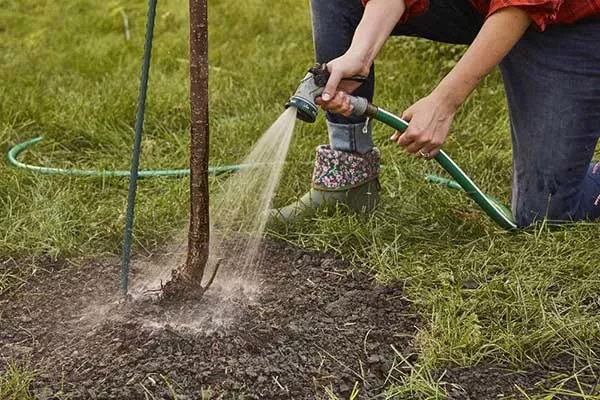
A mature plant requires watering at the beginning of flowering, then during active shoot growth in May, and a third time two weeks before fruit ripening. In the fall, perform a moisture-replenishing watering.
Feeding scheme
Apply fertilizer only in the second year after planting, as the planting hole contains sufficient nutrients for the young tree's first year of growth. To avoid damaging the roots, thoroughly moisten the soil beforehand and apply fertilizer after rain.
Apply fertilizer throughout the season in several stages:
- Early spring. Water the trees with a urea solution prepared by mixing 50 g of the solution with 10 liters of water. Then, prepare a nutrient solution of 10 liters of water, 60 g of urea, and 30 g of potassium salt.
- End of May. Dissolve 500 ml of bird droppings in 10 liters of water. After a week, loosen the soil and add wood ash (approximately 300 g per 1 sq. m).
- End of June. Dissolve 60 g of superphosphate and 90 g of urea in 10 liters of water.
- End of the season. Apply the final dry fertilizer while digging around the tree trunk. Add 60 g of superphosphate and 30 g of potassium per square meter.
The quality of fertilizers significantly affects the productivity and yield of apricot trees.
Pruning and crown shaping
When growing this crop, one of the most important procedures is formative pruning. The preferred crown shape for this variety is a sparse, tiered form.
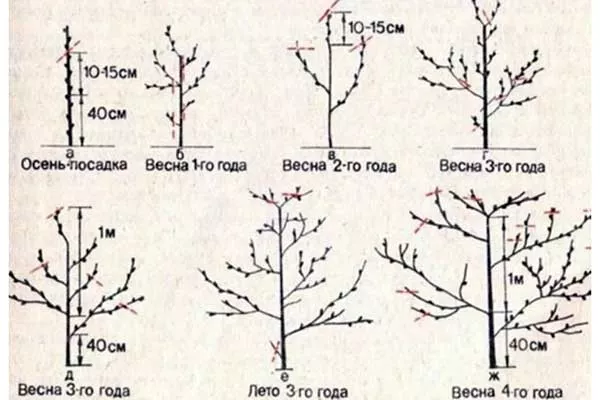
Algorithm for performing formative pruning:
- Determine the trunk area. For low trees, it should be no more than 50 cm.
- Form the first tier from two branches located at a height of 25 cm from each other.
- The second tier consists of 2-3 branches located on the first tier, with an interval of 25 cm.
- Model the third tier in a similar manner.
The crown formation process takes several years (usually 3-4 years). After this time, perform only maintenance pruning to prevent the crown from becoming too dense. Perform annual sanitary pruning, removing dead, diseased, and damaged branches.
As trees grow, fruiting shifts to the upper shoots, making harvesting difficult. In such cases, rejuvenation pruning is advisable: remove all lateral shoots, leaving only the skeletal branches.
Preparing for winter
If apricot trees grow in northern regions, cover them for the winter during the first 2-3 years. This process involves several steps:
- Remove dry leaves, broken and diseased shoots.
- Carefully place the branches against the trunk and tie them with rope.
- Place a canvas bag over the tree to protect it from the cold.
- Place humus and straw in the tree trunk circle for additional thermal insulation.
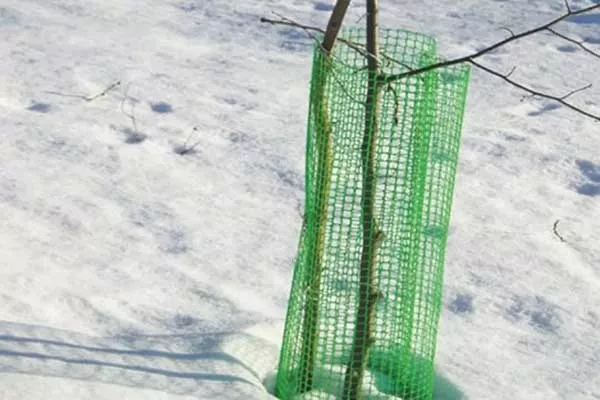
In early spring, remove the bag to allow the crop to gradually adapt to rising temperatures.
Harvesting and storage
Harvest the fruit as it ripens. If you plan to eat it fresh, pick it when it's ready for consumption. Harvest on a sunny, dry day, preferably in the morning or evening, as apricots harvested at high temperatures have a reduced shelf life.
For storage and transportation, harvest the fruit when it's technically ripe. Store in wooden crates in one to two layers.
Gardeners' reviews
The Snegirok apricot boasts numerous advantages, making it increasingly popular among Russian gardeners. It tolerates frost well, produces fruit annually, and yields generous harvests. To maintain productivity, it's important to provide adequate care and follow standard agricultural practices.