
The Nutty peach is one of the most attractive varieties for gardeners. It is sought after for its excellent taste, frost resistance, and abundant harvest. It was bred specifically for regions with cold winters, making it an ideal choice for growing in conditions where other varieties might struggle. The key is timely and proper care.
The appearance of the tree
This variety was bred in the Nikitsky Botanical Garden. The tree is medium-sized, reaching up to 3 meters in height. It has a dense, lush crown with thin, smooth branches.
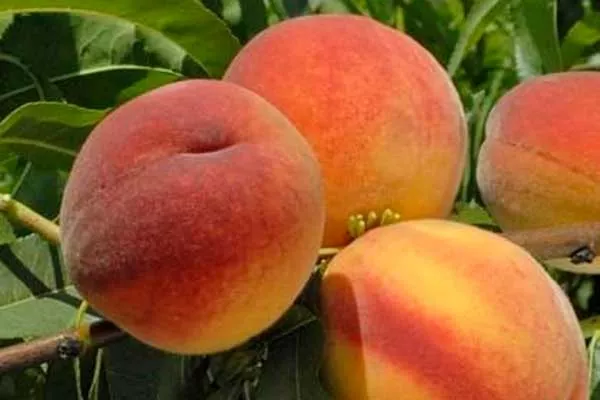
Fruits and their taste characteristics
The fruits are a rich orange color with a carmine blush. They are round in shape and weigh up to 400 g. The skin is thin and velvety to the touch. The flesh is bright yellow, juicy, with a pleasant sweet-tart flavor and an enveloping aroma.
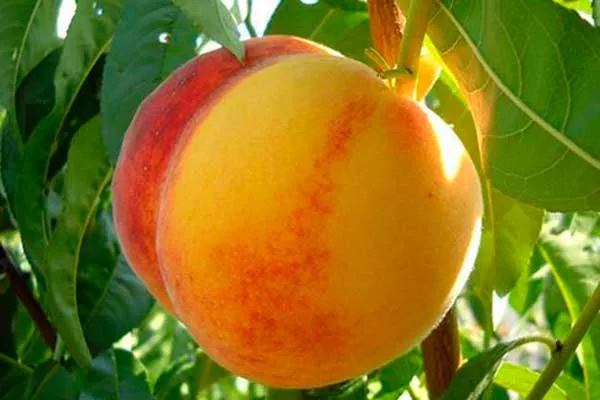
Ripening period and yield
This is an early-ripening variety. The fruit ripens by the end of July, making it especially attractive to those who appreciate fresh, juicy fruit. This cultivar is highly productive, with a yield of up to 50 kg.
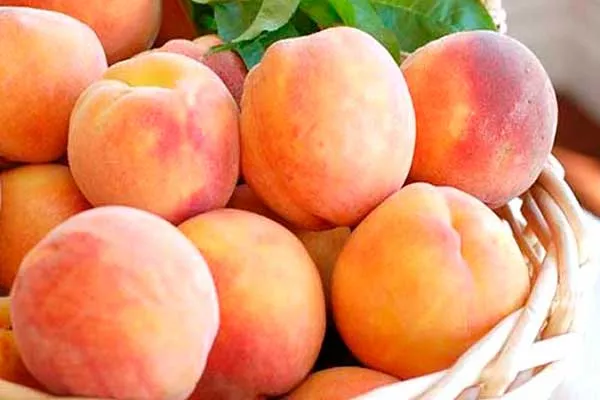
Self-fertility and pollinators
Since the Nut tree is self-fertile, it doesn't require other trees for pollination to ensure a high yield. A single plant can self-pollinate and produce fruit reliably.
Regionalism
The crop is successfully cultivated in regions with warm climates and a long growing season. It thrives particularly well in southern regions such as the Krasnodar Krai, Rostov Oblast, Crimea, and the North Caucasus.
Due to its cold tolerance, it is grown in more temperate zones, such as the Central Black Earth Region of Russia, where climatic conditions allow for a stable harvest. However, for the highest quality fruit, regions with mild winters and hot summers are preferred.
Care and cultivation
Growing the Nutty peach requires attention and care, but with the right approach, you can achieve a bountiful and high-quality harvest.
Follow these recommendations:
- Choose a site with adequate sunlight and protection from strong winds. The plant grows best in sunny locations with good air circulation.
- Before planting, ensure the soil is well-drained and rich in nutrients. Add compost or humus.
- Plant seedlings in early spring, when the soil has warmed up but growth has not yet begun. Space trees approximately 4-5 m apart.
- ✓ The optimal time for watering is early morning or late evening to minimize water evaporation.
- ✓ Using drip irrigation significantly increases water use efficiency and reduces the risk of fungal diseases.
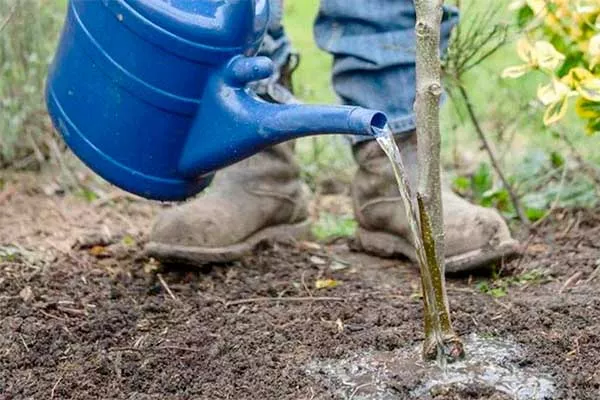
Follow simple agricultural practices after planting the seedling in the hole:
- Watering. Young seedlings require regular watering, especially during dry periods. Mature plants should be watered more frequently during prolonged hot periods.
Watering requirements depend on various factors, such as the tree's age, soil type, and climate. Young trees (up to 3-4 years old) require 20-30 liters of water. Repeat this process every 7-10 days. Mature trees require more moisture—40-60 liters. Water 1-2 times a week; during hot and dry periods, the frequency may increase.
Apply water to the roots, avoiding contact with the foliage to prevent disease. The water should be warm and settled to avoid shocking the root system.

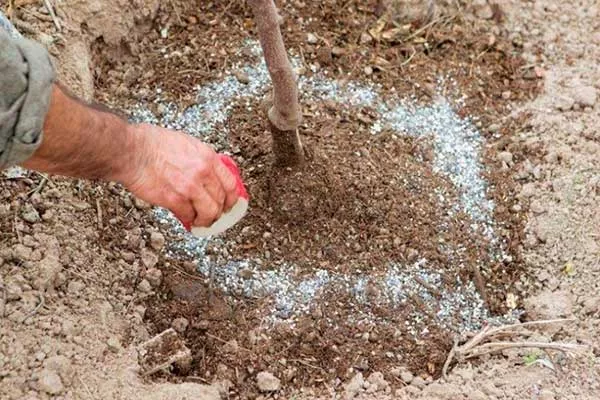
- Fertilizer. To maintain health and increase yield, feed your crop regularly. Fertilize at the beginning of the growing season and after harvest. Compost, humus, manure, and organic fertilizers based on meat and bone meal will provide the plant with essential nutrients and improve the soil structure.
Mineral fertilizers containing nitrogen, phosphorus, potassium, and magnesium are equally important for healthy growth. Use complex fertilizers specifically formulated for fruit trees.
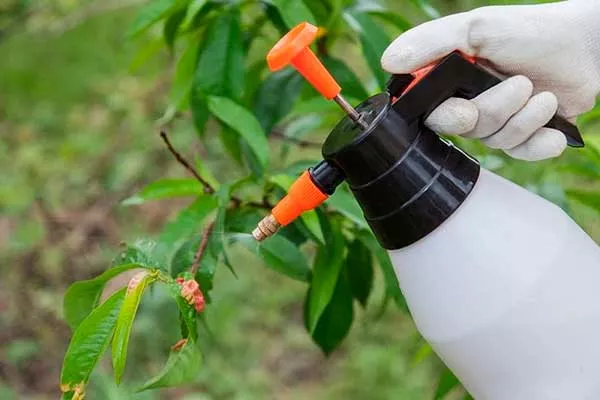
- Protection from diseases and pests. Check the condition of your plants regularly and take timely measures to combat diseases and pests.
To protect against mildew and downy mildew, use copper-containing fungicides: Bordeaux mixture, copper oxychloride, and copper sulfate. Apply during the active growth period and 14 days before flowering.
Ridomil Gold, Zornil, Horus, and Kurzat are effective against black spot. Treat trees twice: at the beginning of the growing season and 14 days later. For pest control, use Aktara, Confidor, and Afalex.
In regions with cold winters, additional protection of plants from frost may be required, for example, covering them with snow or special materials.
| Method | Efficiency | Difficulty of implementation |
|---|---|---|
| Covering with snow | High with sufficient snow cover | Low |
| Use of agrofibre | Very high | Average |
| Smoking | Low | High |
Features of pruning
Pruning is an important part of plant care and directly impacts its health, yield, and fruit quality. Follow the procedure correctly:
- Formative pruning. In the first few years after planting, it's important to shape the tree's crown. A sparse, tiered crown is most suitable for this variety. This is achieved by removing the central conductor and forming several main skeletal branches that grow at an angle.
This shape provides good lighting to all branches and promotes uniform development of peaches. - Pruning to stimulate growth. The plant bears fruit on one-year-old shoots, so renew the crown annually by pruning old and weakened branches. This stimulates the growth of new shoots, which will produce the main fruit.
- Adjustable haircut. Removing thickening and crossing branches improves air circulation and illumination of the crown, which helps reduce the risk of disease development.
- Sanitary pruning. Every year, in late winter or early spring, before the sap begins to flow, remove damaged, diseased, and dead branches. This helps the tree direct its resources to healthy shoots and reduces the risk of disease spread.
- Rejuvenating haircut. On old trees, starting from 6-7 years of age, remove some of the old branches and stimulate the growth of new ones.
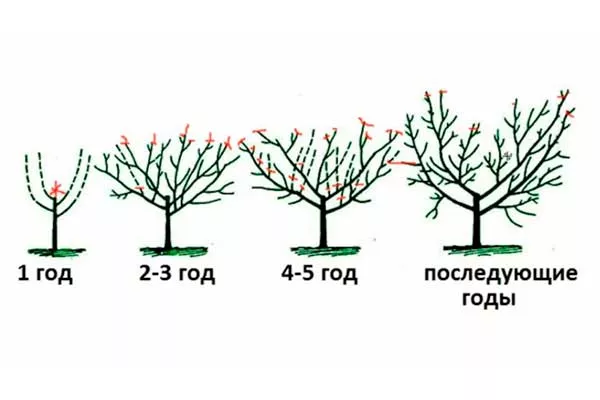
Pruning should be carried out annually to maintain an optimal crown shape, improve fruiting and prevent the development of diseases.
Winter hardiness
The crop is characterized by high frost resistance and can withstand winter temperatures down to -25°C without noticeable loss of yield. This makes it an excellent choice for growing in regions with harsh winters, where temperatures can drop significantly.
Collection and storage
The procedure requires attention and the right approach to preserve the quality and freshness of the fruit. Follow these guidelines:
- Pick the fruit when it's fully ripe, but not yet overripe. When ripe, it separates easily from the vine and has a distinctive aroma and rich color.
- Harvest by hand, being careful not to damage the skin or flesh. Avoid applying excessive pressure to the fruit when harvesting, as they are easily bruised and can spoil quickly.
- Harvest in dry weather, as wet fruits are less stable in storage and spoil more quickly.
- Store peaches in a cool, dry place at temperatures between 0 and 2°C. Under these conditions, they can stay fresh for up to two weeks. For longer shelf life, store the harvest in the refrigerator or in specialized fruit storage units.
- To prolong freshness, wrap fruit in paper or place in ventilated containers to prevent condensation and rotting.
- If the peaches were picked slightly unripe, leave them at room temperature for a few days to ripen. Then, refrigerate them.
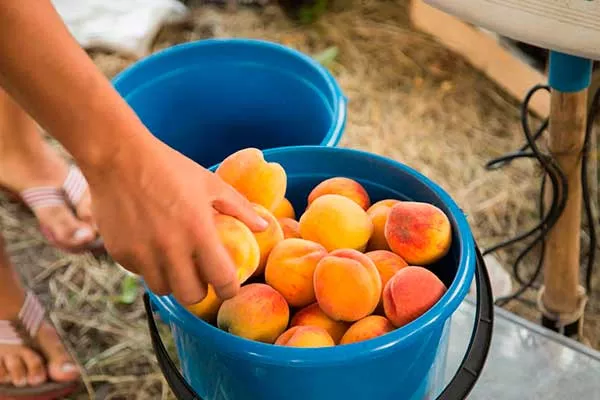
Peaches that you do not plan to eat fresh can be used to make jam, preserves, compotes, or frozen for later use.
Reviews
The Nutty peach is a resilient and productive variety. Many gardeners in our country choose this variety to decorate their plots and produce high-quality fruit that can withstand long-distance transportation. With proper care, the tree will delight you with a bountiful harvest of delicious and juicy fruit every year.