
The Michurinsky peach is very popular among both novice and experienced gardeners. It boasts numerous characteristics, including drought and frost resistance, undemanding nature, and successful cultivation even in colder regions of the country. With simple cultivation practices, you can reap a bountiful harvest.
Who developed the variety and when?
There are no precise dates for the origin of this species. It is only known that the breeder Ivan Michurin worked diligently to create winter-hardy varieties of peaches, pears, apricots, and grapes, crossing them with wild plants from the Far East. This variety likely arose thanks to the work of this eminent scientist.
The appearance of the tree
The tree grows up to 2 m in height. Its crown is fairly broad, with moderate branching. The branches are covered with narrow leaves with serrated edges. During flowering, pink flowers 3 to 4 cm in diameter bloom.
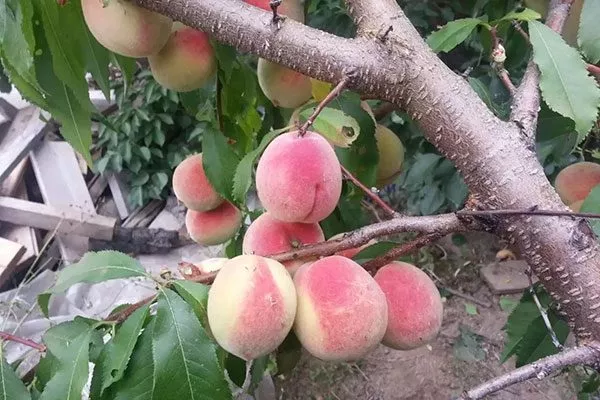
Fruits and their taste characteristics
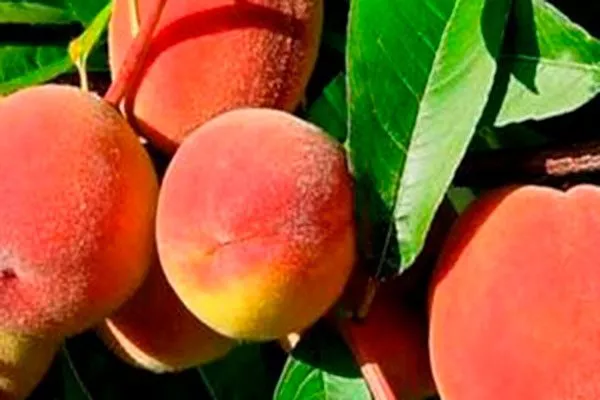
The round-oblong fruits are pink with a scarlet blush on part of the surface. They have the following characteristics:
- The average weight of one fruit is about 80 g.
- The skin is of medium thickness, and the flesh is juicy, with small fibers.
- Mature specimens are completely pubescent, the medium-sized stone is easily separated.
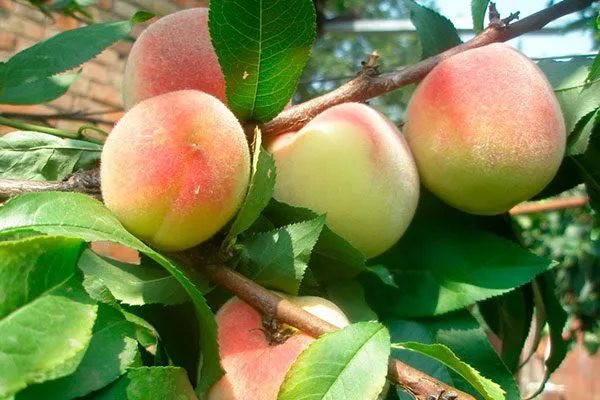
Ripening period and yield
This is a late-ripening variety—the fruits are ready for harvest in August. Fruiting begins 2-3 years after planting and occurs annually. It is recommended to harvest in several stages to maximize the yield of high-quality fruit.
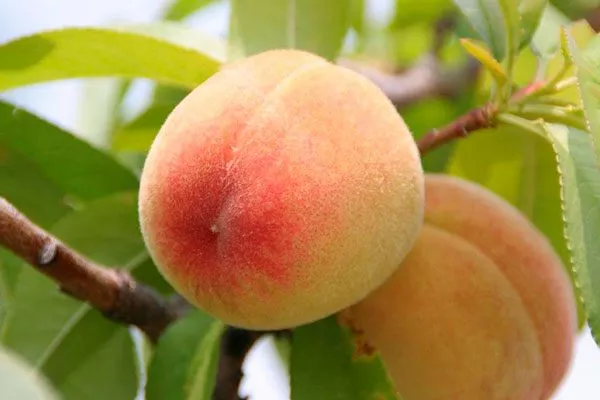
At 10 to 12 years of age, trees can produce 20 to 50 kg of fruit, and in productive years, this figure can reach 150 to 200 kg. Yields can be increased through proper planting and timely care.
Winter hardiness
Michurinsky is one of the most winter-hardy varieties. It can withstand cold winters, making it an ideal choice for regions with harsh climates. It is also resistant to spring frosts, protecting its flowers and buds from damage during flowering.
Subtleties of planting
For successful planting of young seedlings, choose early spring, before the buds have swollen. Consider the following recommendations:
- The location should be in an open, sunny area.
- There should be a snow fence nearby.
- It is desirable to have protection from drafts and gusty winds.
- It is preferable to choose a site on a hill to avoid groundwater.
- The soil should be loose with neutral acidity; clay soils without drainage are not suitable.
- ✓ The depth of groundwater must be at least 1.5 m from the surface.
- ✓ The optimal soil pH for Michurinsky peach is 6.5-7.0.
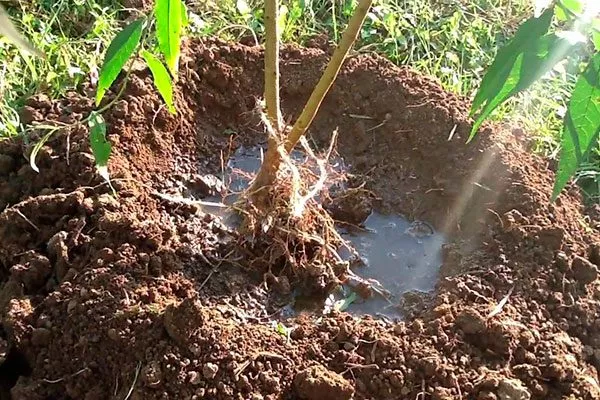
Dig a hole measuring 50x50 cm. Place drainage material, such as crushed rock, at the bottom, then a mixture of humus, peat, river sand, and the removed soil. Soak the tree roots in a potassium permanganate solution before planting.
Growing
Caring for a peach tree involves several important aspects that will help ensure healthy growth and a bountiful harvest. Follow these simple care steps:
- Watering. Peaches require regular soil moisture, especially during dry periods. Avoid excessive waterlogging, as this can lead to root rot. Watering frequency depends on weather conditions and soil type, but it's generally recommended to water once a week during active growth and fruiting periods.
- Top dressing. Regular fertilization is important to ensure proper nutrition and growth. Apply fertilizer in the spring before the growing season begins and in midsummer after harvest. Use formulations rich in nitrogen, phosphorus, potassium, and micronutrients.
- Trimming. Carry out this procedure during the dormant period (usually in late winter or early spring) to form a proper crown, remove diseased, damaged, or old branches, and stimulate growth and fruiting. Pruning should be done carefully and with sharp pruning shears.
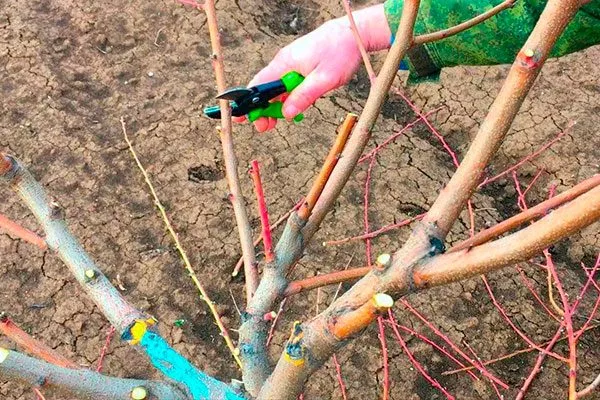
Keep your tree healthy, treat for pests and diseases, and remove weeds regularly. Proper care of your fruit tree will help ensure its longevity, fruitfulness, and beauty.
Advantages and disadvantages
This peach variety possesses a number of excellent qualities that have made it popular among gardeners. The Michurin variety boasts the following advantages:
- high yield;
- resistance to common diseases of fruit trees;
- ability to self-pollinate;
- pleasant taste.
Reviews
The Michurinsky peach is one of the most popular varieties, recognized by gardeners for its unique characteristics. It boasts not only high yields but also excellent flavor and resistance to adverse weather conditions. Proper care guarantees high-quality fruit.