
Almost every amateur gardener has probably dreamed of having a peach tree in their garden. However, the growing conditions only allowed this to be done in the southern regions of the country. But breeders have made this dream a reality, and today there are many peach varieties, differing in ripening time, flavor, frost resistance, and fruit shape. Below, we'll look at the best peach varieties.
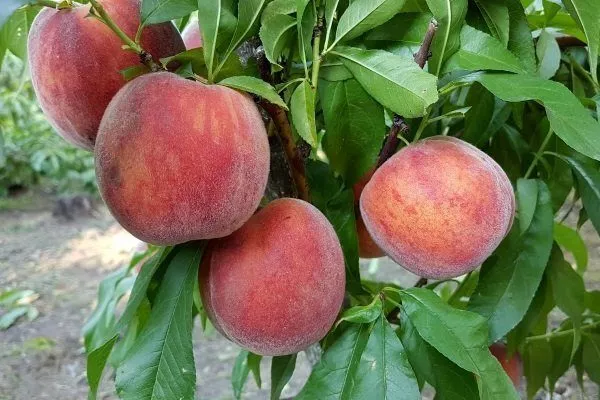
They ripen early
Early-ripening peaches have pale yellow flesh with a distinctly sugary flavor. The fruits begin to ripen by the end of June and continue to ripen until the 20th of July.
| Name | Ripening period | Frost resistance | Productivity |
|---|---|---|---|
| Fluffy early | early | weak | average |
| Greasboro | early | high | high |
| Dagestan gold | early | good | not tall |
| Morettini's favorite | early | high | high |
| Early Kyiv | early | high | high |
| White swan | early | high | high |
| Redhaven | early | high | high |
Fluffy early
Tree description:
- height less than 3 m;
- broadly oval;
- branched;
- rose-shaped flowers.
Fruit characteristics:
- weight up to 100 g;
- broadly oval;
- the peel is greenish in color with a crimson blush;
- sugary pulp with dense fibers;
- a small bone.
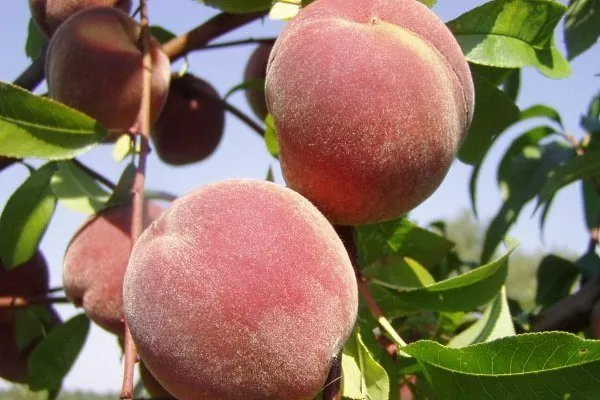
It's intended for table use. It has a moderate yield and relatively weak resistance to freezing temperatures and frost. It's also susceptible to fungal diseases.
Greasboro
Tree description:
- massive;
- branched;
- oblong;
- large inflorescences.
Fruit characteristics:
- weighty;
- oval;
- dense skin;
- pale green with a purple blush;
- tasty, sugary and fibrous pulp;
- pleasant refreshing aroma.
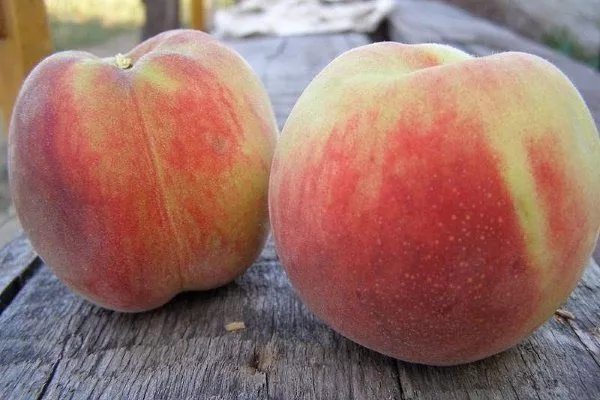
It's intended for table use. It has high frost resistance, a rich harvest, and a memorable flavor. Without proper care, the leaves curl. The fruits are not transportable.
Dagestan gold
Tree description:
- height less than 3 m;
- spherical crown;
- branched;
- thick.
Fruit characteristics:
- oval;
- oblong;
- weight no more than 100 g;
- yellowish tint with carmine inclusions;
- low density peel;
- small bone;
- astringent pulp with strongly perceptible fibers.
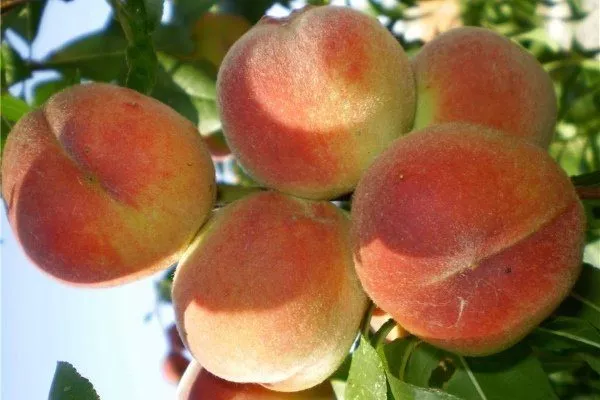
It's a versatile variety. It has a low yield, but is also quite resistant to frost, various diseases, and pests.
Morettini's favorite
Tree description:
- height not less than 3 m;
- branched;
- bell-shaped flowers.
Fruit characteristics:
- spherical;
- high density peel of a yellowish hue with a crimson blush;
- the most delicate flesh of a beige shade;
- medium fiber content,
- juicy and aromatic,
- a small bone.
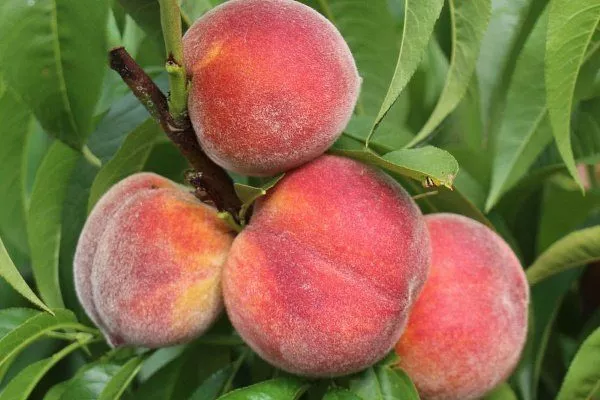
This variety is versatile. It has high frost and low temperature tolerance. It produces a stable and abundant harvest. It is susceptible to fungal infections, particularly moniliosis.
Early Kyiv
Tree description:
- miniature;
- spherical;
- low crown density;
- branched;
- height up to 2 m.
Fruit characteristics:
- sugary fibrous pulp;
- astringent consistency;
- loose skin of a pale beige hue with a scarlet blush;
- spherical;
- weight up to 110 g;
- a small bone.
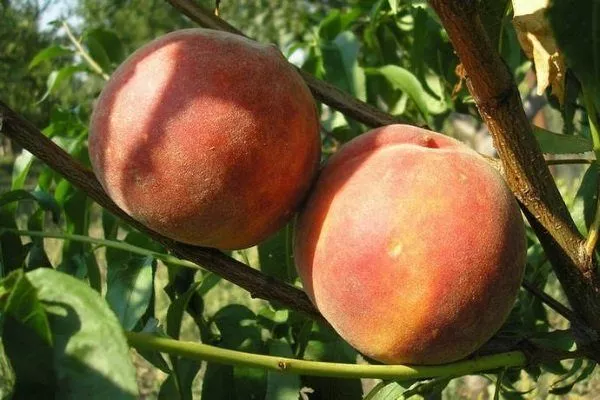
Universal use. Highly resistant to frost and disease. Produces a bountiful harvest. Susceptible to leaf curl. The flesh is practically inseparable from the skin.
White swan
Tree description:
- height no more than 3 m;
- spherical;
- branched.
Fruit characteristics:
- weighty;
- weight no more than 200 g;
- broadly oval;
- creamy skin with a scarlet blush;
- whitish flesh with weak fibrousness;
- pleasant honey aroma;
- a small bone.
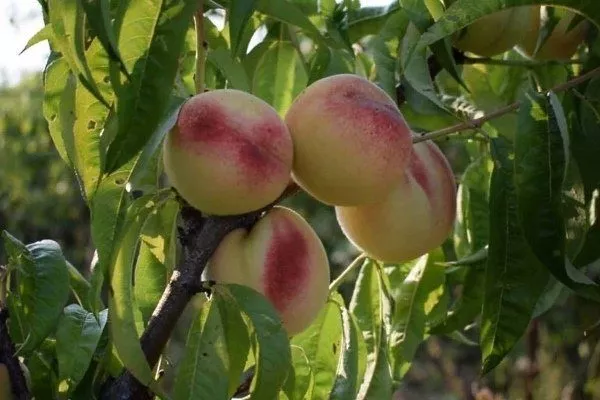
The variety is versatile. It has high tolerance to drought and frost. It is virtually immune to fungal diseases. The fruits are relatively difficult to transport.
Redhaven
Tree description:
- height up to 5 m;
- spherical crown;
- foliage is dark green;
- medium-sized flowers.
Fruit characteristics:
- weight from 150 to 200 g;
- oval;
- yellowish-red tint;
- high density peel;
- fibrous texture;
- pointed bone.
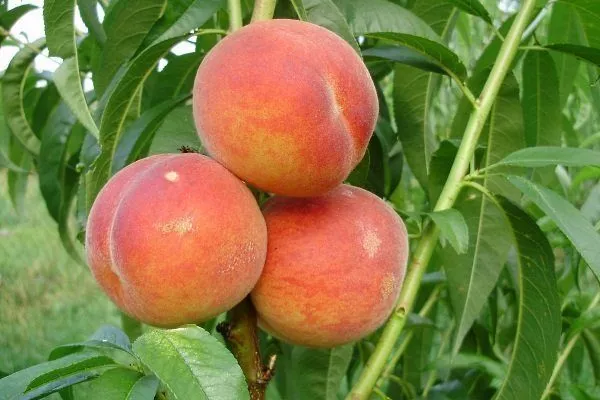
Universal use. Suitable for canning. Rich and stable harvest. Highly frost-resistant. Fruit is transportable. Susceptible to leaf curl and fungal diseases.
Mid-season
Mid-season peach varieties usually ripen around mid-August and can continue until the end of September. Fruiting begins around the third or fourth year after planting.
| Name | Ripening period | Frost resistance | Productivity |
|---|---|---|---|
| Stavropol pink | average | high | high |
| Ambassador of Peace | average | high | high |
| Hryvnia | average | high | high |
| The Ruby Prince | average | good | average |
| Fig peach | average | weak | not tall |
| Cardinal | average | average | average |
| Kremlin peach | average | high | high |
| Golden Moscow | average | high | high |
| Siberian | average | high | average |
| Donskoy | average | high | high |
| Collins | average | high | high |
| Saturn | average | high | average |
Stavropol pink
Tree description:
- not branched;
- height no more than 4 m;
- massive leaves;
- miniature purple inflorescences.
Fruit characteristics:
- whitish fibrous pulp;
- round shape;
- loose, pale green skin with a scarlet blush;
- sour aftertaste;
- a small greenish-tinted bone.
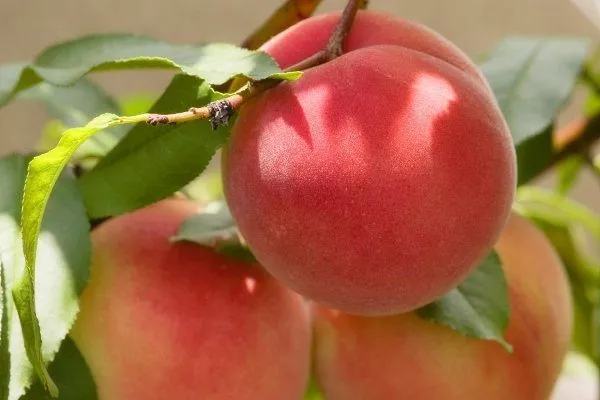
Used for table use. Produces a rich harvest. Highly resistant to low temperatures. Susceptible to fungal diseases. Fruit growth is slowed by drought. Regular thinning is required.
Ambassador of Peace
Tree description:
- bell-shaped flowers;
- branched;
- lush rounded crown.
Fruit characteristics:
- yellowish flesh;
- dense, clearly visible fibers;
- weight reaches 160 g;
- round;
- large bone, difficult to separate;
- delicate sugary aftertaste.
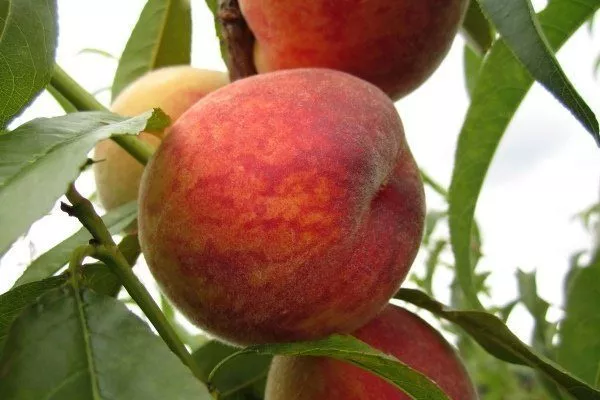
Purpose: Table. High tolerance to low temperatures and resistance to diseases and pests. Producing a bountiful harvest. Peaches are transportable and have a long shelf life.
Hryvnia
Tree description:
- vigorous;
- spherical;
- height less than 3 m;
- branched.
Fruit characteristics:
- small;
- weight reaches 90 g;
- yellowish tint with a velvety texture;
- juicy pulp;
- a small bone.
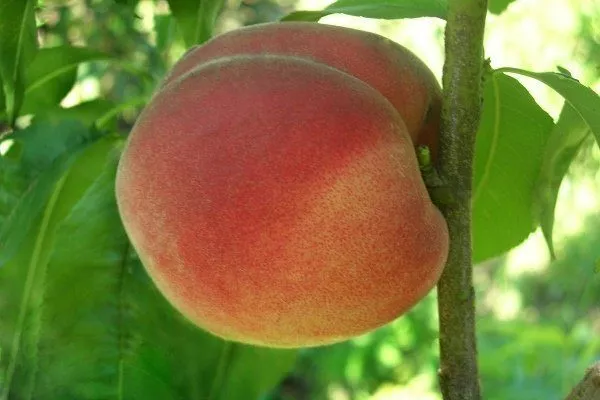
Purpose: Table. High resistance to low temperatures and diseases (especially powdery mildew). Peaches tolerate long transportation well. With proper care, they begin bearing fruit earlier than expected.
The Ruby Prince
Tree description:
- vigorous;
- slightly spreading crown;
- large leaves.
Fruit characteristics:
- weight can reach 170 g;
- ruby or burgundy hue;
- tart, fibrous flesh;
- astringent aftertaste;
- spherical;
- the bone is practically not separated.
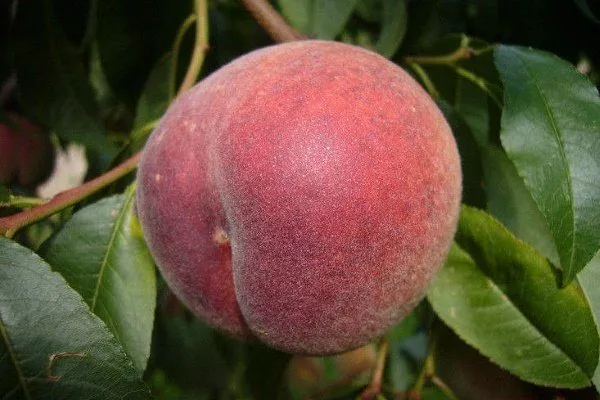
Universal use. Has fairly good immunity to fungal infections and low temperatures. Long shelf life. Good marketability. Susceptible to leaf curl. Does not tolerate drafts.
Fig peach
Tree description:
- height reaches 5 m;
- rose-shaped;
- branched;
- purple flowers reminiscent of rose hips;
- lanceolate leaves.
Fruit characteristics:
- disc-shaped;
- sugary and tart aftertaste;
- orange-red with a crimson blush;
- medium density peel;
- weight up to 170 g;
- a small bone, practically inseparable from the pulp.
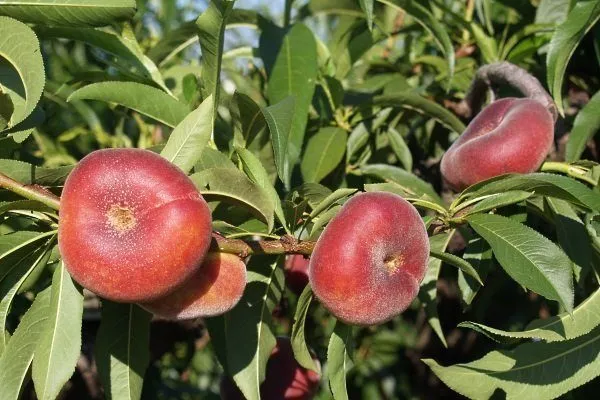
Purpose Fig peach — table grape. It has limited resistance to frost and fungal infections. The fruits are not transportable and have a relatively short shelf life.
Cardinal
Tree description:
- dense round crown;
- low height;
- oblong leaves.
Fruit characteristics:
- weight no more than 150 g;
- orange, almost red hue;
- pronounced aroma;
- juicy fibrous pulp;
- sour aftertaste;
- a small, easily separated bone.
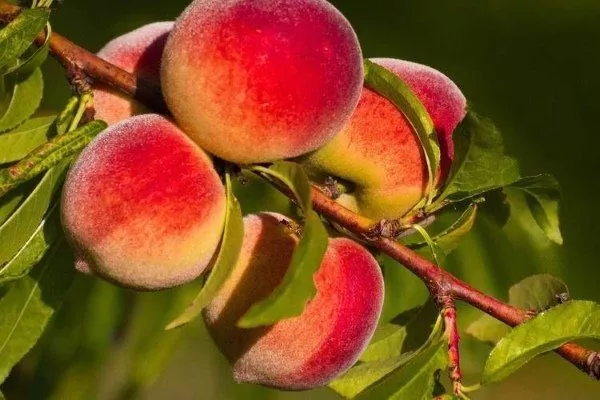
General purpose. Moderate tolerance to low temperatures. Requires insulation before frost. Average yield. Practically immune to diseases (especially powdery mildew), excellent resistance to harmful insect pests.
Kremlin peach
Tree description:
- tall;
- branched;
- oval or round crown.
Fruit characteristics:
- orange hue with a scarlet blush;
- weight up to 200 g;
- dense pulp;
- rounded;
- not very pronounced juiciness;
- sugary soft taste;
- thin skin;
- a small, easily separated bone.
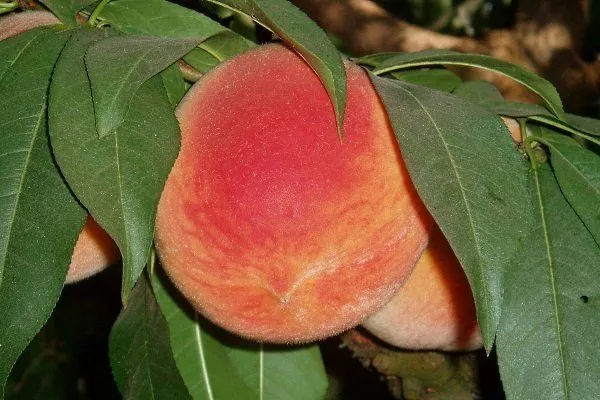
Used for table purposes. This variety adapts well to any temperature and is highly resistant to various diseases. It requires fertilizing and produces a bountiful harvest. It reacts negatively to overwatering.
Golden Moscow
Tree description:
- height reaches 3 m;
- spherical crown;
- pink-tinted flowers;
- lanceolate leaves.
Fruit characteristics:
- yellowish-beige flesh;
- high juice content;
- pronounced sugary aftertaste;
- a small stone that is easily separated;
- dense skin.
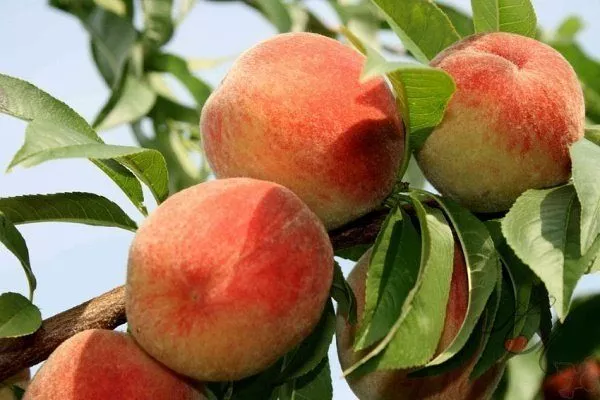
Universal use. Produces a rich and regular harvest. High frost resistance. Excellent marketability. Fruits transport well. Resistant to fungal diseases, particularly powdery mildew.
Siberian
Tree description:
- height can reach 5.5 m;
- dense foliage;
- rounded crown.
Fruit characteristics:
- the most tender juicy pulp;
- rounded;
- yellowish tint with a pink blush;
- fresh honey aroma;
- easily separated stone;
- weight up to 70 g.
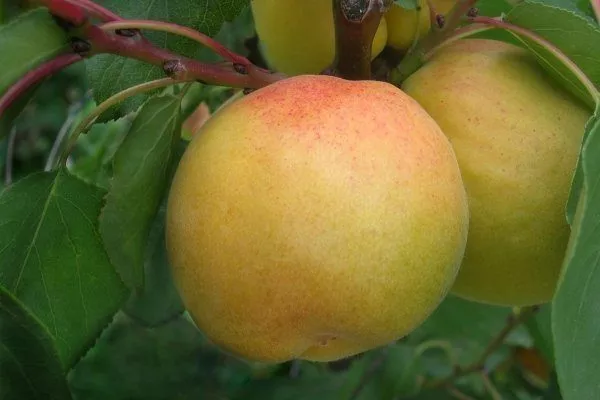
Universal use, ideal for canning. Average but regular yield. Highly resistant to low temperatures. Short shelf life (less than 14 days).
Donskoy
Tree description:
- rose-shaped;
- height up to 4 m;
- medium-sized;
- neat oval crown.
Fruit characteristics:
- weight up to 80 grams;
- creamy pulp;
- yellowish-scarlet peel;
- easily separated stone;
- soft sugary aftertaste.
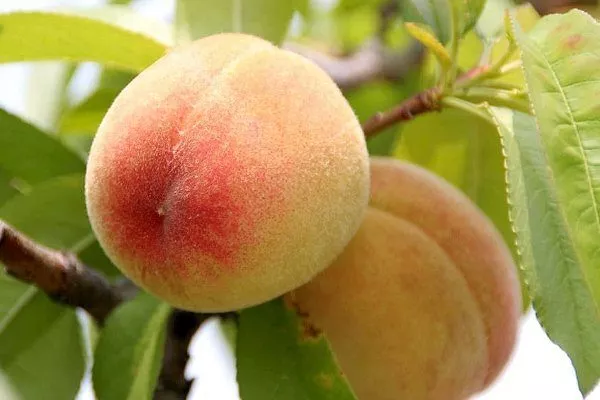
Purpose: Preservation. Used for making jams and preserves. Highly frost-resistant. Produces abundant harvests. Drought-sensitive, so regular watering is required. Resistant to leaf curl and fungal diseases.
Collins
Tree description:
- height no more than 3.5 m;
- spherical;
- green elongated leaves.
Fruit characteristics:
- weight up to 155 g;
- pale orange with a scarlet blush;
- pronounced velvetiness;
- the stone is difficult to separate;
- fragrant.
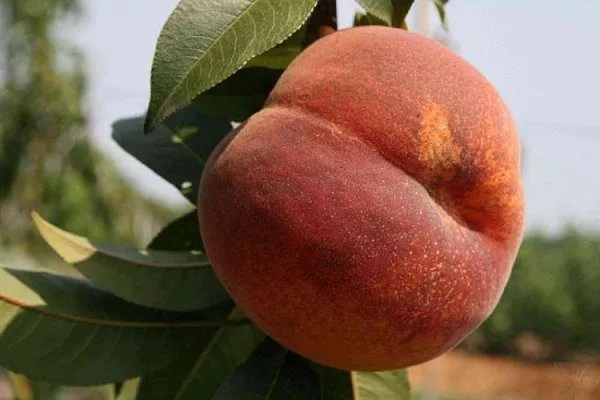
This variety is versatile. Its fruits are easy to transport and have a long shelf life. It is virtually immune to fungal diseases. If not properly cared for, the leaves may curl. It requires additional feeding.
Saturn
Tree description:
- rose-shaped;
- branched;
- single flowers;
- small leaves;
- vigorous.
Fruit characteristics:
- weight reaches almost 100 g;
- disc-shaped;
- creamy shade;
- fibrous and astringent pulp;
- spicy taste;
- the bone is small.
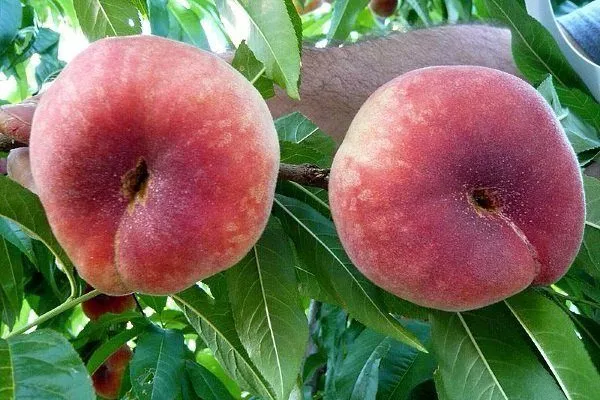
Purpose: Table. It has a fairly high frost resistance. It produces a moderate yield. The peaches are transportable and have a high marketable appearance.
Late, frost-resistant varieties
Late-ripening peach varieties, which are relatively frost-tolerant, ripen only in early autumn. These varieties can be harvested as early as early October.
| Name | Ripening period | Frost resistance | Productivity |
|---|---|---|---|
| Jaminat | late | average | high |
| Elberta | late | high | average |
| Iranian late | late | average | high |
| Fury | late | high | high |
| Frost | late | high | average |
| Veteran | late | high | high |
Jaminat
Tree description:
- height less than 3 m;
- spherical;
- branched;
- dense foliage.
Fruit characteristics:
- elongated, oval;
- weight no more than 160 g;
- yellowish tint with a crimson blush;
- the flesh is pale orange;
- strong peel;
- tart-sweet taste.
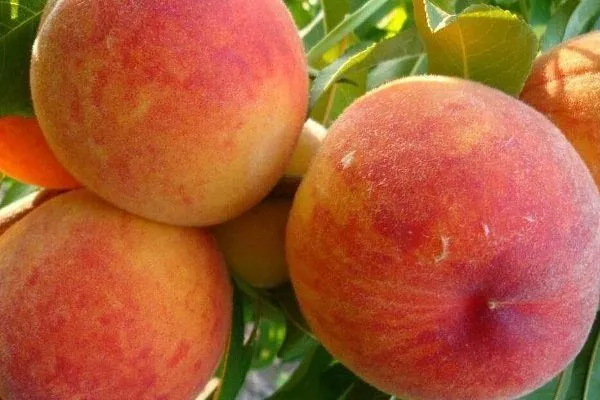
This variety is versatile. It produces fairly high and consistent yields. However, it has moderate tolerance to low temperatures.
Elberta
Tree description:
- height less than 3 m;
- spherical;
- branched;
- olive colored leaves;
- bell-shaped flowers.
Fruit characteristics:
- weight up to 150 g;
- spherical, slightly elongated;
- bright orange with a pinkish blush;
- pale beige flesh;
- fibrous texture;
- tasty and aromatic;
- an easily separated large stone.
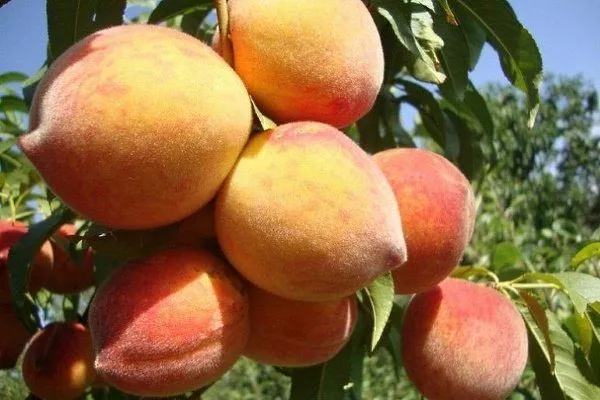
Intended for table use. This peach variety is susceptible to various diseases, but is highly resistant to frost and low temperatures. Average yield.
Iranian late
Tree description:
- height less than 3 m;
- spherical;
- dense foliage.
Fruit characteristics:
- clingstone;
- yellowish skin with a pink blush;
- the most delicate fibrous texture;
- not a pronounced sweet taste.
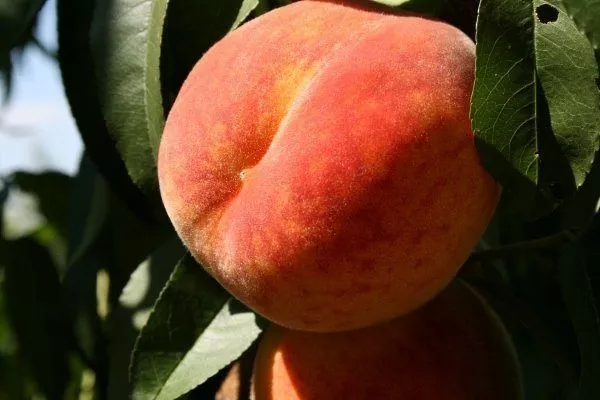
Used for table use. Produces a bountiful harvest. Has moderate resistance to frost and sub-zero temperatures. Susceptible to fungal infections due to its weak protective properties. Fruits are transportable.
Fury
Tree description:
- height less than 3 m;
- branched;
- dense, untidy crown;
- pale green leaves.
Fruit characteristics:
- weighty;
- weight from 250 to 450 g;
- red-tinted peel;
- tender and sugary pulp;
- small sized stone, easily separated.
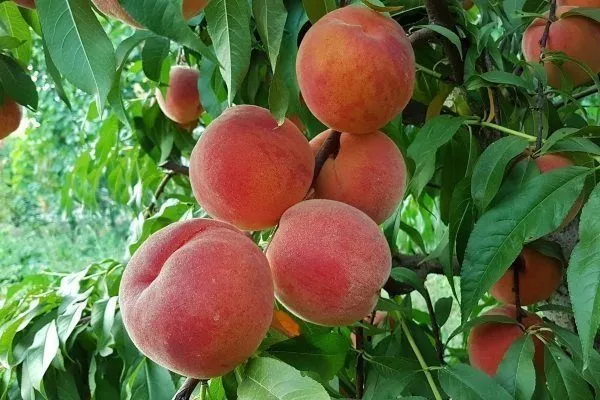
Used for table use. Highly resistant to low temperatures. Excellent marketability. Fruits are easy to transport and have a long shelf life. Produces a bountiful harvest.
Frost
Tree description:
- height less than 3 m;
- not branched;
- spherical;
- leaves are oblong in shape.
Fruit characteristics:
- tart and sweet pulp;
- yellowish-orange tint;
- aftertaste with a hint of sourness;
- weight reaches 200 g;
- clingstone.
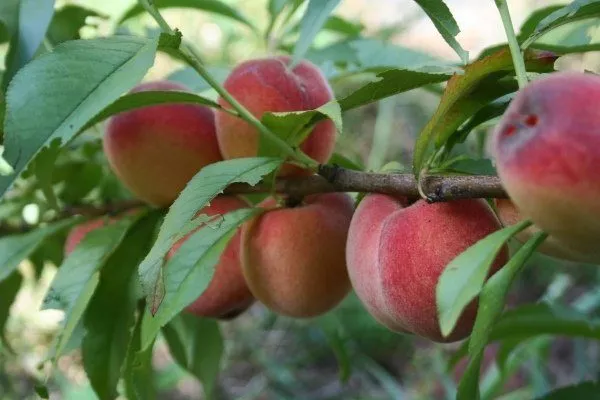
Universal use. Resistant to leaf curl. Good resistance to various fungal infections and low temperatures. Excellent marketability. Average and consistent yield.
Veteran
Tree description:
- spherical;
- leaves are oval in shape;
- height no more than 4 m;
- dense foliage;
- branched.
Fruit characteristics:
- spherical;
- weight reaches 180 g;
- yellow tint;
- watery pulp;
- sugary taste with a hint of sourness.
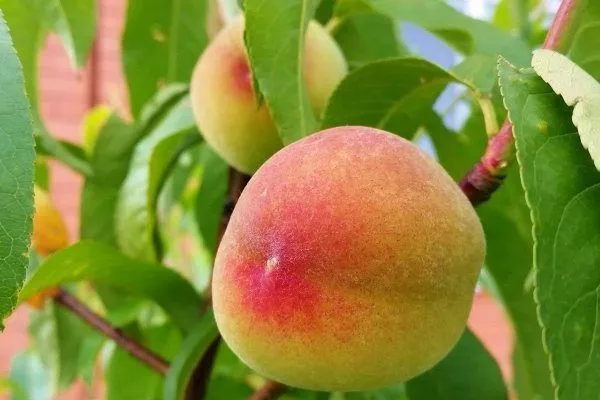
Used for table use. Highly frost-resistant. High and regular yield. Fruit is transportable. Practically disease-resistant. Average yield.
Frost resistance champions
The most frost-resistant peach varieties ripen only in September. These varieties are harvested either at the end of the month or in mid-October.
| Name | Ripening period | Frost resistance | Productivity |
|---|---|---|---|
| Babylonian | late | high | high |
| Juicy | late | high | high |
| Winter-hardy | late | high | high |
Babylonian
Tree description:
- vigorous;
- rose-shaped;
- flowers of lilac hue;
- not branched.
Fruit characteristics:
- heavy, the weight can reach 300 g;
- yellowish flesh;
- dense fibrous texture;
- medium sized stone;
- sweet and sour taste;
- the bone is almost not separated.
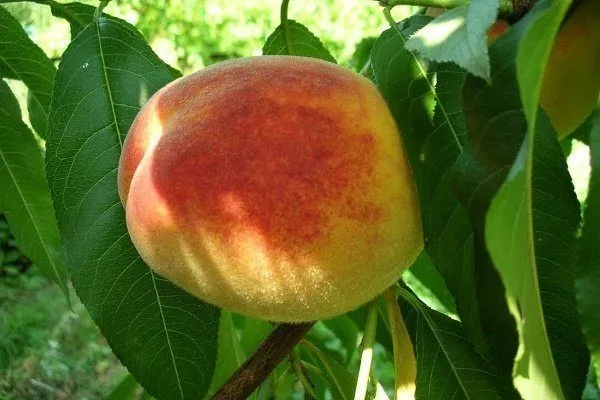
Universal use. Highly resistant to low temperatures. Fruits are easy to transport and have a fairly long shelf life. High yield.
Juicy
Tree description:
- rose-shaped;
- round crown;
- branched.
Fruit characteristics:
- beige-green peel;
- dense fibrous pulp;
- pronounced sourness;
- the bone does not separate.
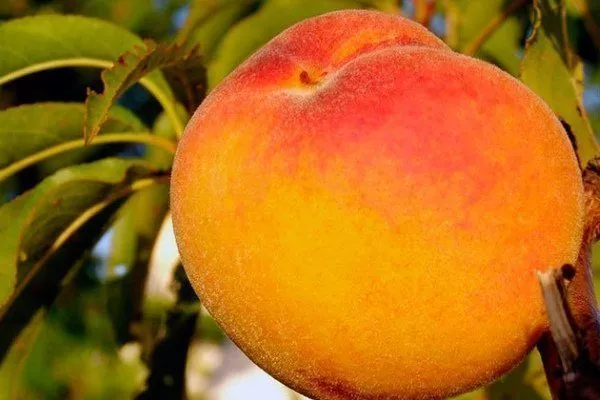
Purpose: Table peaches. They are easy to transport and have an attractive appearance. This variety is well adapted to temperature fluctuations.
Winter-hardy
Tree description:
- oval crown;
- branched;
- not dense foliage.
Fruit characteristics:
- small, weighing barely 80 g;
- the flesh is cream-colored with a yellowish blush;
- the bone is separated.
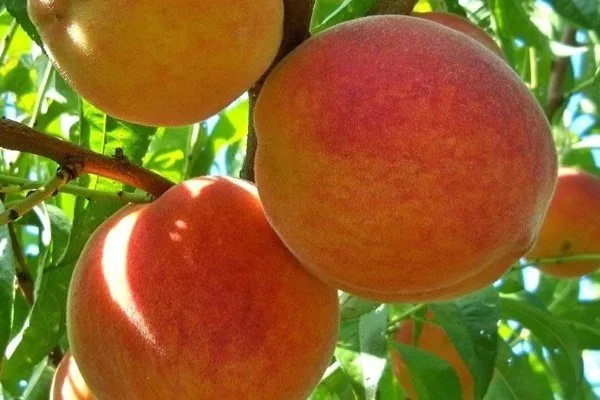
Intended for table use. This variety has weak resistance to drought but tolerates low temperatures well. The fruits are transportable and produce a high yield.
Self-pollinating, self-fertile varieties
Self-pollinating varieties are extremely popular among gardeners. To increase fruit production, different tree varieties are planted next to each other. Harvest occurs in late August.
| Name | Ripening period | Frost resistance | Productivity |
|---|---|---|---|
| Inca | late | high | average |
| Volcano | late | average | average |
| Harnas | late | high | high |
| Golden Jubilee | late | high | high |
Inca
Tree description:
- vigorous;
- dense oval crown;
- oblong leaves.
Fruit characteristics:
- weighty, weighing up to 180 g;
- orange with a scarlet blush;
- dense watery texture;
- The stone is difficult to separate.
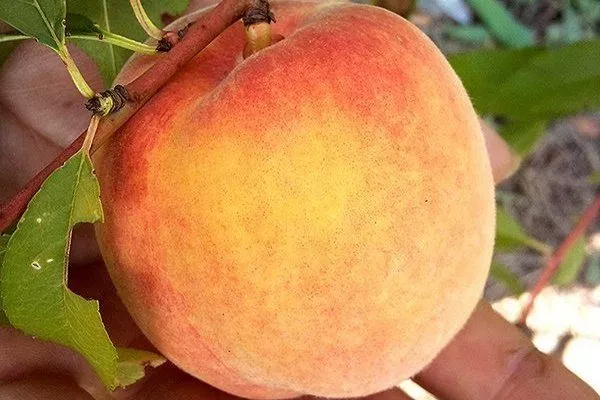
Purpose: Table. Average yield. Peaches are easy to transport and have an attractive appearance. The variety is resistant to fungal infections and highly resistant to subzero temperatures.
Volcano
Tree description:
- medium-sized;
- round crown;
- branched;
- not dense foliage.
Fruit characteristics:
- the flesh is yellowish in color with a pink blush;
- asymmetrical shape;
- small bone;
- tart taste with a hint of sourness.
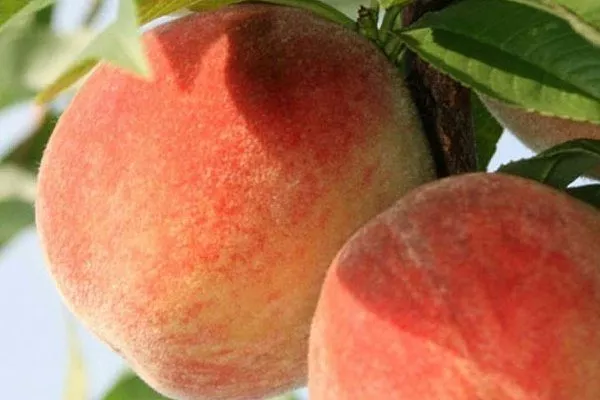
Universal use. Susceptible to leaf curl. Moderate resistance to subzero temperatures and frost. Fruit is easy to transport and has an attractive appearance. Regular yield.
Harnas
Tree description:
- tall;
- spherical;
- dense foliage;
- dark greenish leaves.
Fruit characteristics:
- weight reaches 180 g;
- spherical;
- scarlet-colored peel;
- dense fibrous texture;
- large bone;
- sugary tart aftertaste.
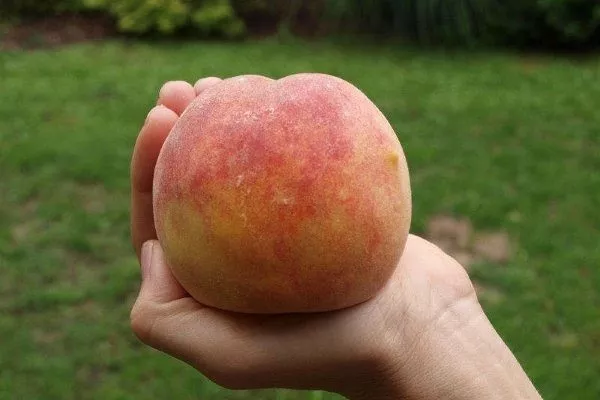
Used for table purposes. The fruit transports well. Produces a rich and regular harvest. Easy to care for, it tolerates dry and hot summer weather well.
Golden Jubilee
Tree description:
- tall;
- oval, neat crown;
- branched.
Fruit characteristics:
- easily separated stone;
- yellowish-red skin;
- juicy and sweet pulp;
- fibrous texture;
- weight reaches 150 g.
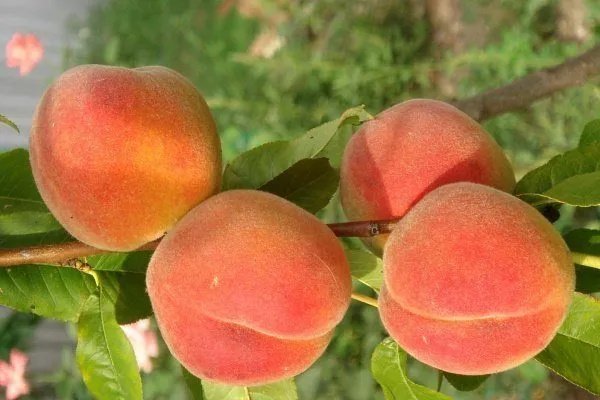
Purpose: Table. Used for dried fruit. Produces a bountiful harvest. Does not transport well, as its shelf life is no more than 6 days. Highly resistant to fungal infections and harmful insects. Susceptible to peach drop if not properly cared for.
This article has introduced you to the wide variety of peach cultivars, which can ripen early or late, and have varying degrees of tolerance to low temperatures. By familiarizing yourself with their descriptions and characteristics, you can now choose the most suitable and optimal variety of this fruit for yourself.